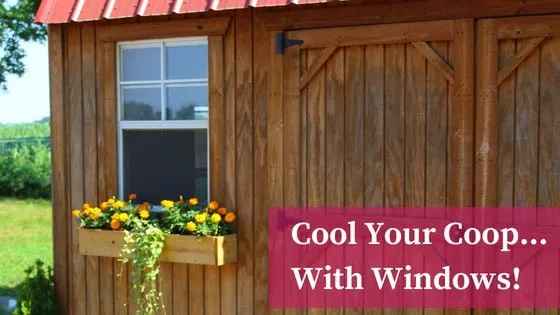
Choosing the Right Chicken Coop Windows
Selecting the right windows for your chicken coop is a crucial decision that impacts your flock’s health, comfort, and security. Windows provide essential ventilation, natural light, and a view for your chickens, but they also need to withstand the elements and potential predators. This guide will walk you through the key factors to consider, from choosing the right materials to ensuring proper ventilation and security. Making informed decisions here will help you create a safe, comfortable, and thriving environment for your chickens. Consider factors like local weather conditions, predator presence, and your personal aesthetic preferences as you evaluate your options. The right windows are an investment in the long-term well-being of your flock.
Window Material Considerations
The material you choose for your chicken coop windows significantly affects their durability, insulation, and maintenance requirements. Several options are available, each with its own set of advantages and disadvantages. Wood, plastic, and acrylic are the most common choices, and understanding the properties of each will help you make the best selection. Consider how well each material holds up against weather, how easily it can be cleaned, and whether it offers adequate insulation for your local climate. The goal is to find a material that balances practicality, cost-effectiveness, and the specific needs of your chickens.
Wood Windows

Wood windows offer a classic, natural look and are a traditional choice for chicken coops. They can be easily customized and stained or painted to match your coop’s design. However, wood requires regular maintenance to prevent rot, warping, and pest infestation. The lifespan of wood windows can be significantly reduced if not properly treated and maintained. Consider the time and effort you’re willing to put into upkeep when deciding on wood. Additionally, choose weather-resistant wood varieties or treat the wood with preservatives to prolong its lifespan and protect it from the elements. Proper sealing and painting are also critical for preventing moisture damage.
Pros of Wood Windows
Aesthetically pleasing and blend well with natural surroundings, allowing for customization in terms of size, shape, and finish. Easily repairable if damaged and readily available. Can offer good insulation when properly constructed and sealed, which can help regulate the internal coop temperature.
Cons of Wood Windows
Susceptible to rot, especially in humid climates and require regular painting, staining, and sealing to protect against the elements. Can be a target for pests, including termites and rodents. Requires more maintenance than other materials.
Plastic Windows

Plastic windows, often made from PVC or similar materials, are a low-maintenance option that is resistant to rot and pests. They are lightweight, easy to install, and come in various sizes and styles. However, plastic can be less durable than other materials and may become brittle over time, especially in extreme temperatures. Additionally, some plastic windows may not provide the same level of insulation as wood. When choosing plastic, look for UV-resistant options to prevent yellowing and degradation from sunlight exposure. Make sure to select a sturdy grade of plastic that can withstand the wear and tear of daily use.
Pros of Plastic Windows
Low-maintenance, as they do not require painting or sealing and are resistant to rot and pests. Lightweight and easy to install and offer good resistance to weather and moisture. Often more affordable than wood or acrylic.
Cons of Plastic Windows
Can become brittle or warp in extreme temperatures. May not offer as good insulation as wood. Less aesthetically versatile than wood and might not be as resistant to scratches or damage.
Acrylic Windows

Acrylic windows provide excellent clarity and are highly durable, making them a popular choice for chicken coops. They are also resistant to UV damage and offer good insulation properties. Acrylic is often more impact-resistant than glass, reducing the risk of breakage from accidental impacts. Although more expensive than plastic, acrylic windows offer a long-lasting and visually appealing solution. They are also relatively easy to clean. Ensure the acrylic sheets are thick enough to withstand potential impacts, and choose an acrylic specifically designed for outdoor use to maximize its lifespan.
Pros of Acrylic Windows
Durable, impact-resistant, and resistant to UV damage, providing excellent clarity and allowing ample natural light. Offer good insulation properties and are often lighter than glass, making installation easier. Relatively easy to clean and maintain.
Cons of Acrylic Windows
More expensive than plastic windows. Can scratch more easily than glass. May require special cleaning products to avoid damage.
Window Size and Ventilation

Proper ventilation is crucial for a healthy chicken coop environment. It helps to remove moisture, ammonia, and other harmful gases, while also regulating temperature. The size and placement of your windows directly impact the coop’s ventilation efficiency. Inadequate ventilation can lead to respiratory problems, frostbite, and other health issues for your chickens. Therefore, carefully consider the size, number, and placement of your windows to ensure adequate airflow. Ensure your windows include some form of adjustable opening to control airflow based on weather conditions.
Optimal Window Size for Ventilation
The ideal window size depends on the coop’s size, the number of chickens, and the climate in your area. As a general guideline, aim for window space that is at least 10% of the coop’s floor space. This allows for sufficient airflow to remove moisture and keep the air fresh. However, in areas with harsh winters, you may need to balance ventilation with insulation. Consider having a mix of fixed windows and windows that can be opened and closed. Openable windows allow you to adjust the ventilation based on the weather, ensuring a comfortable environment for your chickens year-round.
Ventilation and Airflow
Good ventilation creates a healthy environment by preventing the buildup of moisture, ammonia, and other harmful gases. Proper airflow also helps to regulate the coop’s temperature, keeping it cool in the summer and preventing frostbite in the winter. Ensure that your windows allow for cross-ventilation, meaning that air can flow in and out freely. Avoid blocking the airflow by positioning windows opposite each other or near vents. You may also need to supplement window ventilation with other methods, such as ridge vents or a fan, especially in larger coops or in areas with extreme weather.
Window Placement and Coop Design

The placement of your windows plays a critical role in the overall functionality and effectiveness of your chicken coop. Consider the prevailing winds, sun exposure, and the coop’s orientation when determining window placement. Strategically placed windows can maximize natural light, improve ventilation, and enhance the overall comfort of your chickens. Think about where the sun rises and sets, and plan accordingly to avoid overheating. The goal is to create a healthy and secure environment for your flock, taking into consideration both ventilation and protection from the elements and predators.
Best Placement Strategies
Place windows on opposite sides of the coop to promote cross-ventilation, allowing fresh air to circulate. Position windows higher up on the walls to allow warm air to escape. Avoid placing windows directly facing prevailing winds, which can create drafts. Consider the angle of the sun throughout the year and position windows to maximize sunlight during the winter and minimize it during the summer. Think about the location of roosting bars and nesting boxes. Direct sunlight can be beneficial, but also overheating in some seasons. The best placement strategy maximizes airflow and natural light while minimizing direct sunlight exposure during hot months.
Coop Design Considerations
The overall design of your coop should work with the placement of your windows to ensure a well-ventilated and comfortable environment. Consider the coop’s size, shape, and materials when planning your window layout. A well-designed coop incorporates features like a sloped roof to shed rain and snow, adequate insulation, and predator-proof construction. Ensure that the coop’s design facilitates proper air circulation, with both intake and exhaust points. A well-thought-out coop design complements the benefits of well-placed windows, contributing to the overall health and happiness of your chickens.
Security Features for Chicken Coop Windows

Protecting your chickens from predators is paramount. Windows are potential entry points for predators, so you need to incorporate security measures to keep your flock safe. Consider the types of predators common in your area, such as foxes, raccoons, and coyotes, when selecting security features. Proper window design and hardware can prevent break-ins and deter unwanted visitors. Security should be a priority in your coop design, and should include window protection alongside measures taken for the doors, walls, and roof.
Hardware and Fasteners
Use sturdy hardware and fasteners to secure your windows. This includes robust hinges, latches, and window frames that are resistant to forced entry. Ensure that all screws and bolts are made of corrosion-resistant materials. Consider using security screws that require special tools to remove. Regularly inspect your hardware for wear and tear, and replace any damaged components promptly. High-quality hardware is essential for ensuring your windows remain secure, and that potential predators can’t open or break them open.
Window Security Measures
Reinforce your windows with hardware cloth or wire mesh, attaching it securely to the window frame and coop structure. The mesh should be fine enough to prevent predators from reaching through, but still allow for adequate ventilation and light. Install secure latches and locks on windows that open, preventing them from being pushed open by predators. Consider using window covers or shutters that can be closed at night or during inclement weather. Make sure that there are no gaps or weak points where predators could potentially gain access. Regularly inspect your windows and security measures to ensure they are functioning properly. Remember, a secure coop is essential for the safety of your chickens.
Window Maintenance and Cleaning

Regular maintenance and cleaning of your chicken coop windows are vital for extending their lifespan and maintaining a healthy environment for your chickens. Proper maintenance prevents issues such as rot, pests, and damage from the elements. Keeping your windows clean ensures maximum sunlight penetration and optimal visibility. Following a regular maintenance schedule, you can minimize repair costs and ensure your coop remains a safe and comfortable place for your flock. It’s a simple yet effective way to protect your investment and keep your chickens happy and healthy.
Regular Cleaning and Inspection
Clean your windows regularly with mild soap and water to remove dirt, debris, and droppings. Inspect your windows for any signs of damage, such as cracks, rot, or loose hardware. Check the seals and weather stripping to ensure they are intact and providing a good seal. Make sure all moving parts are functioning correctly. Remove any obstructions to the window’s operation. Regular inspection and cleaning not only maintain the windows’ appearance, but they also help you to identify potential problems early on, allowing you to address them before they escalate. By making it part of your coop maintenance routine, you’re ensuring the longevity of your coop’s windows and the health of your flock.
Common Issues and Solutions
Common issues with chicken coop windows include moisture damage, pest infestations, and wear and tear. Address moisture issues by ensuring proper ventilation and sealing any gaps or cracks. Prevent pest infestations by using pest-resistant materials, and by regularly inspecting for signs of pests. Address wear and tear by repairing or replacing damaged components promptly. If you notice any mold or mildew, clean it immediately with an appropriate solution. Always replace broken glass or cracked panes as soon as possible to prevent drafts and potential predator entry. If your windows are difficult to open or close, lubricate the hinges and latches. Addressing these issues promptly will keep your windows in good condition and your chickens safe and comfortable.