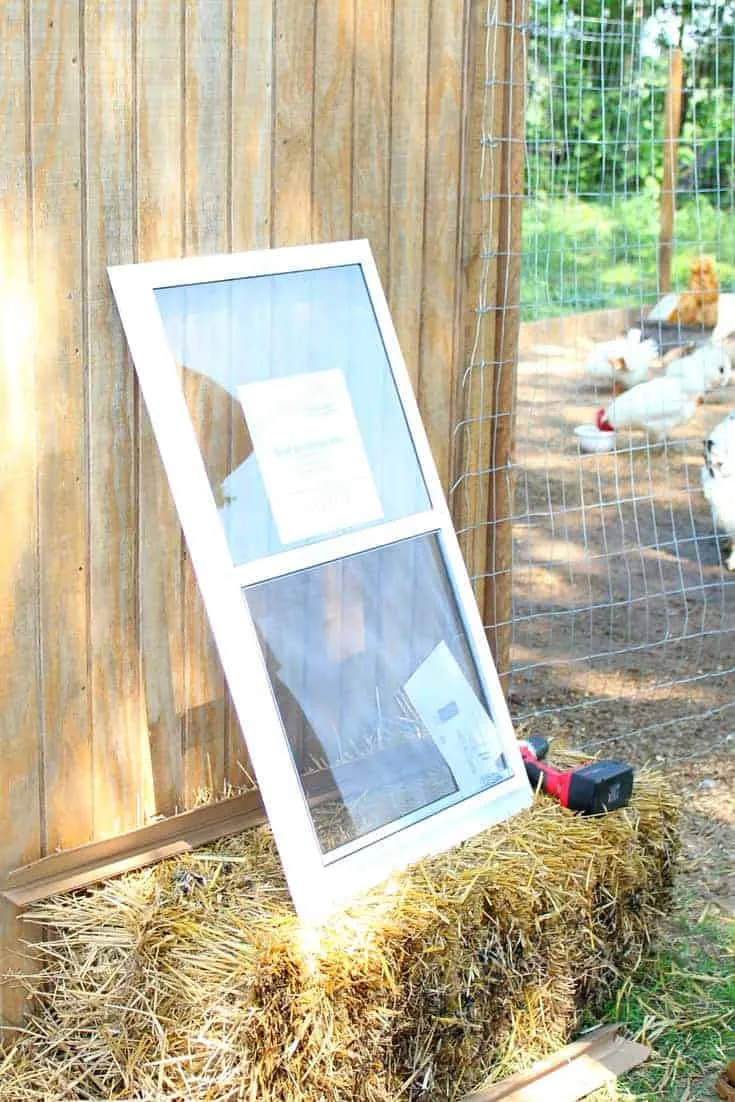
Chicken Coop Windows Top 5 Factors to Consider
Choosing the right windows for your chicken coop is a critical decision that impacts the health, comfort, and security of your flock. Windows provide essential ventilation, natural light, and a degree of protection from the elements. However, the wrong choices can lead to a host of problems, including poor air quality, temperature fluctuations, and even attracting unwanted predators. This article explores the top five factors you must consider when selecting and installing windows in your chicken coop, ensuring a happy and healthy environment for your chickens.
Ventilation Requirements for Chicken Coops
Ventilation is paramount in a chicken coop, and windows play a significant role in facilitating proper airflow. Chickens produce a lot of moisture through their droppings and respiration. This moisture, combined with ammonia from the droppings, can quickly lead to unhealthy conditions. Adequate ventilation helps to remove this excess moisture and ammonia, preventing respiratory issues and promoting overall chicken health. Without proper ventilation, your coop can become a breeding ground for bacteria and disease, impacting your chickens.
Why Proper Ventilation is Crucial

Effective ventilation prevents a buildup of ammonia, which is a harmful gas that can cause respiratory problems, eye irritation, and even death in chickens. It also helps to regulate temperature and humidity within the coop, keeping it cooler in the summer and preventing condensation in the winter. This helps prevent frostbite and reduces the risk of diseases. Good ventilation also reduces the risk of mold and mildew growth, which can further compromise the health of your flock. By incorporating windows that support good ventilation, you create a healthier and more comfortable environment for your chickens.
Common Ventilation Challenges
One of the biggest challenges is balancing ventilation with the need to keep the coop warm in the winter. Windows that are open too wide can lead to drafts and excessive heat loss, while windows that are sealed too tightly can lead to poor air circulation. Another challenge is dealing with extreme weather conditions. Heavy rain or snow can enter the coop through improperly designed windows, and strong winds can create drafts. Careful planning, including the use of adjustable windows, vents, and proper placement, can mitigate these challenges, ensuring your chickens receive the benefits of ventilation without compromising their safety and comfort.
Size and Placement of Windows
The size and placement of windows are crucial for achieving optimal ventilation and natural light. The amount of window space needed depends on the size of your coop and the number of chickens you house. As a general rule, aim for at least one square foot of window space for every 10 square feet of floor space. However, this is just a starting point, and you may need more depending on your local climate and the coop’s design.
Determining the Right Window Size

Consider the size of your coop and the number of chickens. Ensure you have enough window area to promote proper airflow. Avoid windows that are too large, as they can compromise the coop’s insulation and make it susceptible to drafts. Larger windows will also let in more light, which can be beneficial but may also attract unwanted attention from predators. Experiment and observe your chickens to determine if the window size is creating the right balance of light, ventilation, and temperature control.
Optimal Window Placement Strategies
The best placement of windows is usually high on the walls, near the roofline, and on opposite sides of the coop to promote cross-ventilation. This allows warm, stale air to escape while drawing in fresh air. Avoid placing windows directly above roosting bars, where droppings can accumulate and create unsanitary conditions. Consider the direction of prevailing winds and sunlight. Placing windows on the side of the coop that receives the most sunlight can help to warm the coop in winter, while windows that face away from the sun can help to keep the coop cooler in summer. Protect windows from direct sunlight with overhangs or awnings if needed.
Materials and Durability of Chicken Coop Windows
The materials used for your chicken coop windows significantly impact their durability, functionality, and overall effectiveness. Choose materials that can withstand the elements, resist damage from chickens, and provide adequate security. Consider both the frames and the glazing (the transparent material used in the window). Common materials include wood, vinyl, metal for frames, and glass, plexiglass, or heavy-duty plastic for glazing.
Best Materials for Chicken Coop Windows

Wood frames are a classic choice, offering a natural look and good insulation, but they require regular maintenance to prevent rot and weathering. Vinyl frames are low-maintenance and resistant to moisture, making them a good option for humid climates. Metal frames, such as aluminum, are durable and long-lasting, but they can conduct heat and cold. For the glazing, tempered glass is a safe choice, as it breaks into small, blunt pieces if shattered. Plexiglass and heavy-duty plastic are lighter, more resistant to breakage, and provide insulation, but they can scratch more easily.
Durability Considerations for Chicken Coops
Durability is a key factor. Ensure your windows can withstand wind, rain, and the occasional peck from a curious chicken. Choose materials that are resistant to rot, rust, and warping. Consider the thickness and quality of the materials. Windows that are built to last will save you time and money in the long run. Reinforce the frames and secure the glazing properly to ensure your windows can withstand the demands of the environment.
Security Features for Chicken Coop Windows
Protecting your chickens from predators is a top priority. Windows are potential entry points for unwanted animals. Incorporate security features into your window design to prevent break-ins. This includes using sturdy materials, installing secure latches, and adding mesh or hardware cloth to the inside or outside of the windows.
Preventing Intruders

Install hardware cloth or heavy-duty mesh over the window openings. This will allow for ventilation and light while preventing predators from entering. Make sure the mesh is securely attached to the frame. Use sturdy latches or locks to secure the windows. Reinforce the window frames and the surrounding walls to prevent predators from forcing their way in. Consider using a double-paned window for added security and insulation.
Weatherproofing and Protection
Ensure that windows are properly sealed to prevent rain and snow from entering the coop. Weather stripping can help to create a tight seal. Use a sealant or caulk to fill any gaps or cracks around the window frame. Consider installing window awnings or overhangs to protect the windows from direct sunlight and rain. This will extend the life of your windows and keep your chickens dry and comfortable. Remember to regularly inspect your windows for damage.
Maintenance and Cleaning of Chicken Coop Windows
Regular maintenance and cleaning are essential to keeping your chicken coop windows in good condition. Clean windows provide better light and ventilation, and regular maintenance can extend their lifespan. Make it a part of your routine to inspect and clean your windows to ensure they function properly and keep your chickens safe and healthy.
Essential Cleaning Practices

Clean your windows regularly with a mild soap and water solution. Avoid using harsh chemicals that could harm your chickens or damage the window materials. Remove any dirt, dust, or debris that has accumulated on the windows. Clean the window frames and any mesh or hardware cloth. Ensure that the window frames are dry to prevent mold or mildew growth. Consider using a squeegee to remove excess water and leave the windows streak-free. A clean coop promotes healthy living conditions.
Routine Maintenance Tips
Inspect your windows regularly for any signs of damage, such as cracks, leaks, or loose latches. Repair or replace any damaged windows promptly. Lubricate any moving parts, such as hinges and latches, to ensure they function smoothly. Check the seals around the windows and replace any worn or damaged weather stripping. Trim any vegetation that could obstruct the windows or trap moisture. Regular maintenance will not only extend the life of your windows but will also ensure your chickens have a safe, comfortable home.
In conclusion, choosing the right windows for your chicken coop requires careful consideration of ventilation, size, placement, materials, security, and maintenance. By focusing on these five key factors, you can create a healthy, comfortable, and secure environment for your chickens, ensuring they thrive. Investing time in choosing and maintaining quality windows is an investment in the well-being of your flock and the longevity of your coop.