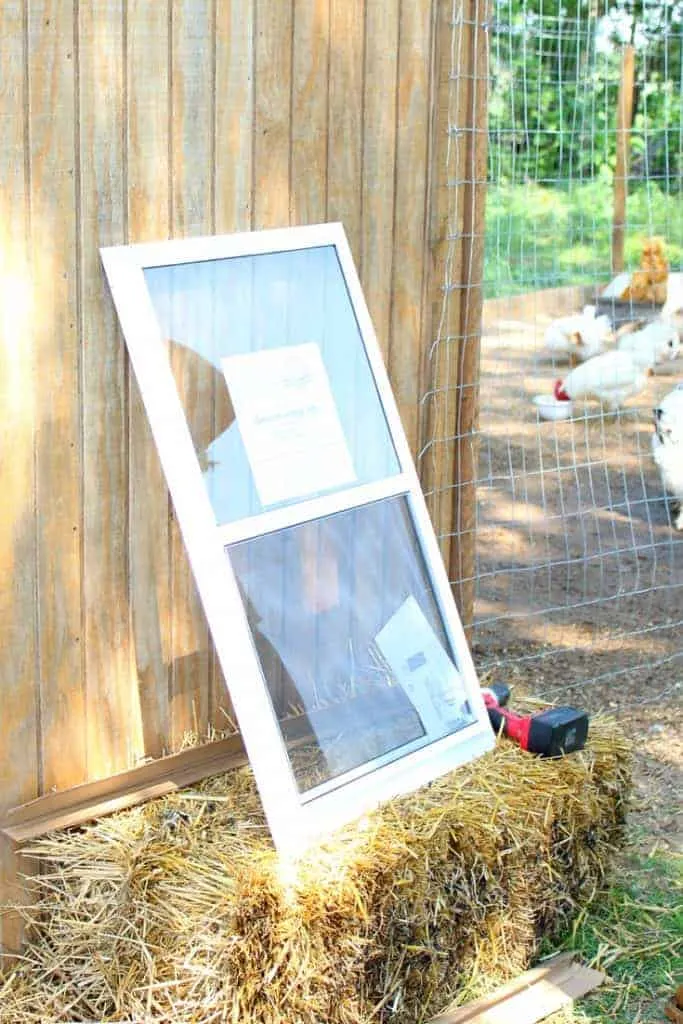
Top 5 Must-Know Chicken Coop Window Facts
Choosing the right chicken coop windows is crucial for the health and happiness of your flock. Windows provide essential ventilation, light, and security, but selecting the wrong ones can lead to problems like poor air quality, overheating, and predator access. This guide presents five key facts to consider when selecting and installing windows for your chicken coop, ensuring a comfortable and safe environment for your birds. Proper window choices contribute significantly to the overall well-being of your chickens, impacting everything from egg production to disease prevention. Understanding these essential facts will help you create an ideal living space for your backyard chickens, promoting their health and ensuring your coop remains a secure and pleasant place.
Ventilation is Key
Ventilation is arguably the most critical aspect of chicken coop window design. Adequate airflow is essential for removing harmful ammonia, moisture, and stale air, all of which can lead to respiratory problems and diseases in chickens. Poor ventilation can also contribute to the buildup of excessive humidity inside the coop, fostering the growth of mold and mildew, which further jeopardizes the health of your flock. Proper ventilation is especially important during the warmer months to prevent overheating and heat stress, which can reduce egg production and even lead to fatalities. A well-ventilated coop ensures a healthy environment and overall well-being of your chickens.
Why Ventilation Matters for Chickens

Chickens produce a significant amount of waste, generating ammonia. Ammonia is a toxic gas that irritates the respiratory system and can make chickens more susceptible to diseases. Proper ventilation dilutes and removes ammonia, keeping the air clean and safe. Additionally, chickens release moisture through their breath and droppings. Excess moisture can create a damp environment, promoting the growth of harmful bacteria and mold. Good ventilation helps to dry out the coop, thus preventing these problems. Fresh air also helps regulate the temperature inside the coop, preventing overheating in summer and reducing the risk of frostbite in winter. Overall, it ensures a comfortable environment for your chickens.
Types of Chicken Coop Windows for Ventilation
Several types of windows are suitable for ventilation in chicken coops. Hinged windows, which can be opened and closed, offer excellent control over airflow. Sliding windows are another option, providing adjustable ventilation. Mesh-covered windows allow for constant airflow while keeping pests out. Consider the climate in your area when choosing window types. In hot climates, windows that can be fully opened for maximum airflow are ideal. In colder climates, windows that can be partially closed to regulate airflow and conserve heat are more appropriate. Consider the use of adjustable vents in addition to windows, for more efficient airflow control. Selecting the right window type is important for creating an ideal living environment for your chickens.
Material Matters
The material you choose for your chicken coop windows impacts durability, insulation, and security. Windows made from durable materials are more resistant to damage from weather and potential predators. Choosing the right materials helps to protect your investment and reduce the need for frequent repairs or replacements. The choice of material can also affect the overall appearance of the coop and its integration with the surrounding environment. Properly chosen materials will also provide insulation, protecting the chickens against extreme temperatures, and reducing energy costs. Think about the long-term maintenance requirements when choosing your materials.
Window Materials for Chicken Coops

Common window materials include wood, metal, and plastic. Wood-framed windows are traditional and can be aesthetically pleasing but require regular maintenance to prevent rot. Metal frames, often aluminum or steel, are durable and weather-resistant but can conduct heat and cold, potentially affecting coop temperature. Plastic windows, especially those made from acrylic or polycarbonate, are lightweight, durable, and offer good insulation. The choice between these materials depends on your budget, the local climate, and the desired level of security and aesthetics. Consider factors such as the material’s lifespan, ease of cleaning, and its impact on the coop’s overall insulation.
Benefits of Different Materials
Each material offers unique benefits. Wood provides natural insulation and can be easily customized. Metal frames are extremely durable and resistant to pests. Plastic windows are lightweight, impact-resistant, and offer good insulation, often reducing condensation. When choosing, consider the climate; for example, plastic may be ideal in humid climates because they are less susceptible to rot than wood. Metal frames can withstand strong winds and the elements, making them suitable for areas prone to severe weather. Evaluate the advantages and disadvantages of each material in relation to your specific needs. Consider the aesthetic appeal to blend with your existing surroundings. Your final choice should balance durability, cost, and suitability for your location.
Window Sizing and Placement
The size and placement of your chicken coop windows directly affect ventilation, natural light, and overall comfort. Proper window placement ensures that fresh air can circulate effectively throughout the coop, reducing humidity and preventing the buildup of harmful gases. Adequate natural light also supports the chickens’ health and productivity. Strategic window placement helps regulate the temperature, and minimize drafts. Incorrect sizing or positioning can lead to problems like insufficient airflow, inadequate lighting, and increased risk of predators. Consider these factors carefully for a healthy environment.
Optimal Window Size for Chicken Coops

The ideal window size depends on the coop size and the number of chickens. As a general guideline, aim for a total window area that is about 10% of the coop’s floor space. This helps ensure enough ventilation and light without compromising warmth in colder months. Larger coops will naturally require larger windows or more windows. Ensure that the windows are large enough to allow for adequate ventilation during warmer months. Consider the aspect ratio; taller, narrower windows can provide better ventilation than wider, shorter ones. Adjust the size to match your specific needs, considering the local climate and the breed of chickens. Proper sizing makes for a healthier and more productive flock.
Best Window Placement for Airflow
Strategic window placement is essential for optimal airflow. Place windows high and low on different sides of the coop to create a cross-breeze, which will maximize ventilation. High windows allow warm air to escape, while low windows draw in fresh, cool air. Avoid placing windows directly opposite each other if possible, as this can create drafts that are uncomfortable for chickens. Also, position windows away from prevailing winds to prevent drafts. Consider the coop’s orientation and the local climate when deciding where to place your windows. Make sure to place windows away from trees that provide shade; however, they should provide shade for the coop itself. Good placement promotes fresh air circulation.
Security and Safety
Chicken coop windows provide a potential entry point for predators. Ensuring the windows are secure is crucial for protecting your flock from unwanted visitors. Proper security measures prevent access by predators, like raccoons, foxes, and other animals, safeguarding your chickens. Implementing the right safety precautions ensures the well-being of your birds and minimizes the risk of losses. Security and safety measures enhance the longevity of your coop by preventing potential damage from unauthorized access. Consider these points as you plan out your windows, and protect your flock!
Window Security Measures

Use sturdy window frames and secure them firmly to the coop walls. Cover the windows with heavy-duty wire mesh or hardware cloth. Ensure the mesh openings are small enough to prevent predators from reaching through. Install secure latches or locks to prevent windows from being opened by animals. Consider using double-paned windows or reinforced glass for added security. Inspect windows and hardware regularly for signs of damage or wear, and make repairs promptly. Regular maintenance also contributes to security. Proper security measures are essential for protecting chickens.
Predator Prevention
Predators pose a significant threat to chickens. Implement several strategies to prevent predator access through windows. Use hardware cloth or wire mesh with openings no larger than 1/2 inch to cover the windows. Ensure the mesh is securely attached to the window frame and the coop walls. Consider using a metal frame rather than wood to provide a more secure barrier. Inspect the windows and mesh regularly for any signs of damage, and repair promptly. Using secure windows is a fundamental part of predator-proofing your coop. Proper predator prevention methods will keep your flock safe.
Maintenance and Cleaning
Regular maintenance and cleaning are vital for keeping your chicken coop windows functional and in good condition. This helps to ensure the windows are allowing proper ventilation and light, and also extends their lifespan. Periodic maintenance also helps prevent the buildup of dirt, debris, and potential health hazards. Proper maintenance also helps to maintain the windows’ security and predator resistance. Make maintenance and cleaning an essential part of your coop management routine for the long-term benefit of your chickens.
Cleaning Chicken Coop Windows

Clean your chicken coop windows regularly, ideally every few weeks. Remove any dirt, dust, or debris that may be obstructing airflow or light. Use a mild soap and water solution to clean the windows and frames. Avoid using harsh chemicals or abrasive cleaners that could damage the materials or be harmful to your chickens. Rinse the windows thoroughly after cleaning. Remove any cobwebs or nests that may be present. Clean windows also improve aesthetics, and allow you to monitor the health of your chickens more easily. Keeping your coop windows clean ensures the best lighting and ventilation for your chickens.
Maintaining Window Functionality
Inspect your chicken coop windows periodically for any signs of damage, such as cracks, loose hinges, or damaged mesh. Tighten loose screws, repair any damage, and replace worn parts. Lubricate hinges and latches to ensure smooth operation. Check the seals around the windows to prevent drafts and water leaks. Keep the window frames painted or treated to protect them from the elements. Regular maintenance helps to extend the life of your windows and ensures that they continue to function properly. These steps also maintain safety and security, as well. By following these tips, your windows can serve your flock well for years to come.
In conclusion, choosing the right chicken coop windows requires careful consideration of ventilation, materials, sizing, placement, security, and maintenance. By following these top 5 must-know facts, you can create a safe and comfortable environment for your chickens. Properly designed and maintained windows promote their health and productivity, providing a haven for your flock.