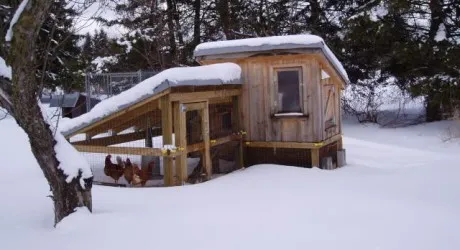
Planning Your Chicken Coop for Winter
Preparing your chicken coop for winter is crucial for the health and well-being of your flock. Cold weather can pose significant challenges, but with careful planning and preparation, you can ensure your chickens remain comfortable and productive throughout the winter months. This guide provides essential tips to winterize your coop and create a safe, warm environment for your feathered friends. It covers everything from assessing your coop’s current condition to providing adequate heat, managing water and feed, and protecting against predators. Following these steps will help you provide a comfortable and healthy environment for your chickens, even in the coldest weather. Proper winterization not only protects your chickens from the elements but also supports their overall health and egg-laying capabilities.
Assess Your Coop’s Current Condition
Before winter arrives, thoroughly inspect your chicken coop. Look for any areas that might need repair or improvement to withstand the harsh winter conditions. A well-maintained coop is the first line of defense against the cold, wind, and snow. This assessment is a critical first step in ensuring your chickens’ comfort and safety throughout the winter. It helps you identify potential problems before they escalate, allowing you to take proactive measures. Take your time and be meticulous in your inspection; small details can make a big difference in how well your coop performs during the winter months.
Check for Drafts and Insulation

Drafts are a chicken’s worst enemy in the winter. Check your coop for any cracks, gaps, or openings where cold air can enter. Seal these with caulk, weather stripping, or other appropriate materials. Proper insulation is equally important. Consider adding insulation to the walls, roof, and floor of your coop to help retain heat. Insulation materials like fiberglass, foam board, or even straw bales can be used. Ensure that the insulation is installed correctly to maximize its effectiveness and protect it from moisture. Proper insulation helps regulate the temperature within the coop, keeping it warmer in winter and cooler in summer.
Evaluate Ventilation
While insulation is essential, proper ventilation is also critical to avoid moisture buildup inside the coop. Poor ventilation can lead to damp conditions, which can exacerbate respiratory problems in chickens. Ensure that your coop has adequate ventilation to allow for the escape of moisture and stale air. This can be achieved through vents placed high up in the coop walls or roof. Avoid closing off all ventilation in an attempt to keep the coop warm, as this can create unhealthy conditions. A balance between insulation and ventilation is key to maintaining a healthy environment for your chickens. This balance will prevent the buildup of ammonia from droppings and maintain air quality, which is essential for respiratory health.
Choosing the Right Winter Bedding
The right bedding can significantly impact your chickens’ comfort during winter. Bedding acts as insulation, trapping heat and absorbing moisture. Selecting the appropriate bedding material and maintaining it properly is key to creating a warm and hygienic environment. Different materials offer varying levels of insulation and moisture absorption, so choose based on your climate and coop design. The right bedding contributes to the overall well-being of your flock during the coldest months. Careful selection will help ensure your chickens stay warm, dry, and healthy throughout the winter.
Types of Bedding Materials

Popular bedding choices include straw, wood shavings, and pine needles. Straw is a good insulator but can harbor mites if not properly maintained. Wood shavings are absorbent and readily available, but make sure they are sourced from untreated wood. Pine needles offer good drainage and are relatively inexpensive. Avoid using cedar shavings, as the oils can be harmful to chickens. Consider your local availability, cost, and ease of maintenance when selecting your bedding material. Each type of bedding has its own pros and cons, so make an informed decision based on what best suits your specific needs and circumstances.
Bedding Depth and Maintenance
Provide a deep layer of bedding – at least 6 to 8 inches – to maximize insulation. Regularly check and remove wet or soiled bedding to prevent the buildup of moisture and ammonia. You can use the deep litter method, which involves adding fresh bedding on top of the existing layer and allowing it to decompose naturally, which creates some heat. Proper maintenance of the bedding is crucial for the health of your chickens. Regular cleaning and replacement of the bedding not only maintain the hygiene of the coop but also prevent potential respiratory issues. Ensure the bedding stays dry, and always remove any wet or soiled areas immediately.
Providing Supplemental Heat
In particularly cold climates, you may need to provide supplemental heat for your chickens. While chickens are surprisingly resilient to cold, extreme temperatures can be dangerous, especially for young or sick birds. However, it’s important to use heat sources safely and wisely. Avoid relying solely on heat, as this can lead to a dependency and make your chickens less adaptable to temperature fluctuations. Consider the best ways to provide additional warmth without compromising safety or the natural environment of your chickens. The right approach balances warmth with the chickens’ natural adaptability and well-being.
Safe Heating Options

If you choose to use a heat source, choose a safe and reliable option. Heat lamps are a common choice, but they can be a fire hazard if not used correctly. Ensure the lamp is securely mounted and protected from contact with flammable materials. Heated roosts and panels provide gentle warmth without the fire risk. Always follow the manufacturer’s instructions and regularly inspect your heating equipment for safety. Consider the size of your coop and the number of chickens when determining the appropriate heat source. Always prioritize safety when introducing any form of supplemental heat to the coop.
Avoiding Overheating
Avoid overheating the coop, as this can be as detrimental as the cold. Chickens can handle cold temperatures much better than excessive heat. Ensure that your coop has adequate ventilation, even when using a heat source, to prevent overheating. Monitor the temperature inside the coop regularly and adjust the heat source as needed. A thermometer inside the coop can help you keep track of the temperature, so you can ensure your chickens are comfortable and not subjected to unnecessary heat. Too much heat can be as harmful as too little, so a balanced approach is essential.
Managing Water and Feed in Winter
Maintaining access to fresh water and feed is critical for your chickens’ health during the winter. Water can freeze quickly, and chickens need a constant supply to stay hydrated. Feed provides the energy needed to stay warm and maintain body weight. Proper management of these essential resources is key to supporting your flock through the winter. Ensure your chickens have easy access to both, and implement strategies to prevent freezing and maintain nutritional value.
Preventing Water from Freezing

Use a heated waterer or a water heater designed for poultry to prevent water from freezing. Place the waterer in a location that is easily accessible and sheltered from the wind. Regularly check the waterer to ensure it’s working correctly and that the water remains unfrozen. If you don’t have a heated waterer, you’ll need to change the water several times a day. Consider bringing water inside overnight to keep it from freezing. This will ensure your chickens have access to fresh water at all times, especially crucial during the cold weather.
Adjusting Feed for Winter Needs
Chickens need more calories during winter to stay warm. Provide a high-quality feed with a higher protein and fat content. Consider offering supplemental treats like scratch grains, but do so in moderation. Ensure feeders are protected from the elements, and keep them filled regularly. A consistent supply of nutritious feed and water is essential during cold weather. The increased caloric intake will help your chickens generate more body heat, and the consistent availability ensures they have the energy they need to stay active and healthy.
Protecting Chickens from Cold and Predators
Winter can bring not only cold temperatures but also an increased risk of predators. Protecting your chickens from both the elements and potential threats is crucial for their survival and well-being. Implement strategies to safeguard their environment and ensure they remain safe and secure. Combine these preventive measures to create a safe and protected environment for your flock throughout the winter season. A well-protected coop and run will help you minimize losses and keep your chickens safe from harm.
Creating a Safe Outdoor Space

Even in winter, your chickens will benefit from access to an outdoor run, provided it’s protected from the elements. Cover the run with a sturdy roof or tarp to protect against snow and ice. Clear snow from the run regularly to provide a safe space for your chickens to exercise and forage. Consider adding windbreaks to shield the run from strong winds. Provide shelter within the run, such as a covered area or a small coop, where chickens can retreat when the weather is particularly harsh. This enables the chickens to get fresh air and exercise while also staying protected from the worst of the elements.
Winter Predator Threats
Winter can bring an increase in predator activity as other food sources become scarce. Fortify your coop against potential threats. Ensure that the coop is structurally sound and that there are no holes or weaknesses where predators can enter. Bury hardware cloth around the perimeter of the coop to prevent digging predators from gaining access. Secure all doors and windows, and consider using predator-proof latches. Regularly inspect your coop for any signs of attempted entry by predators. Consider installing motion-activated lights or cameras to deter predators. These measures will help create a safe and secure environment for your chickens.
Maintaining Coop Cleanliness
Maintaining a clean coop is essential year-round, but it is especially important in winter. Regular cleaning helps to prevent the buildup of ammonia and moisture, which can lead to respiratory problems. Remove droppings and soiled bedding regularly, and replace it with fresh, dry material. Provide good ventilation to reduce moisture and odors. Cleaning the coop frequently creates a healthy environment for your chickens, reduces the risk of disease, and helps keep your flock comfortable during the cold weather. A clean coop promotes the overall well-being of your chickens.
By following these tips, you can create a safe, warm, and healthy environment for your chickens throughout the winter. Remember to adapt these suggestions to your specific climate and coop design. With careful planning and diligent care, your flock can thrive even in the coldest months. Proper winterization not only protects your chickens but also allows them to continue producing eggs, providing you with fresh and nutritious food during the winter months.