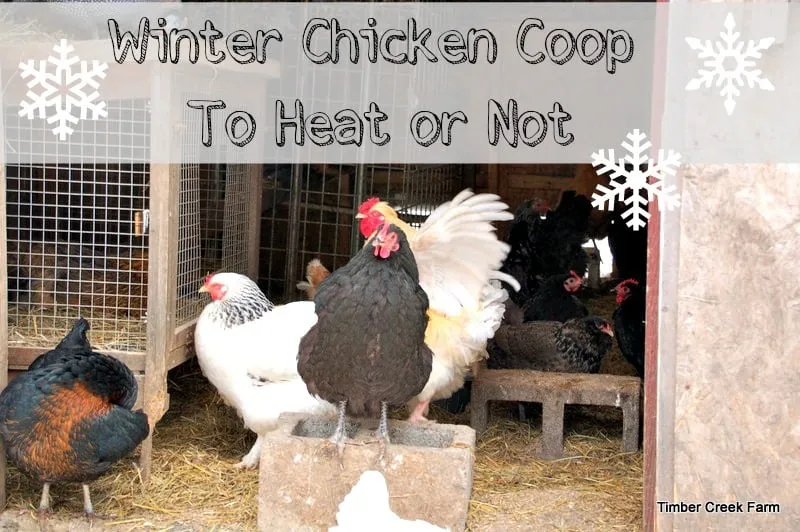
As the cold of winter approaches, ensuring your chickens are comfortable and healthy becomes a top priority. Properly preparing your chicken coop for the winter months is crucial for the well-being of your flock. This guide provides five essential tips to help you winterize your chicken coop effectively, guaranteeing a safe and warm environment for your feathered friends throughout the season. By following these steps, you can protect your chickens from the harsh elements and maintain their productivity and happiness even when temperatures drop.
Planning Your Chicken Coop for Winter
Before the first snowfall, a proactive approach to winterizing your chicken coop is key. This involves a thorough assessment of your current setup and addressing potential issues. Planning ensures you have ample time to gather the necessary materials and make the necessary adjustments before the cold weather sets in. This proactive approach not only keeps your chickens healthier but also prevents last-minute rushes and potential stress for both you and your flock. Start early to avoid being caught off guard by an unexpected cold snap.
Assess Your Current Coop Setup
A detailed inspection of your chicken coop is the first step. Walk around the coop, both inside and out, looking for any signs of damage or wear and tear. Check the structural integrity of the building, including the roof, walls, and floor. Examine the coop’s foundation for any signs of moisture or drafts. Look for any areas where wind or precipitation might enter the coop. A thorough assessment helps you identify areas that require immediate attention to ensure your chickens are protected from the elements.
Identify Problem Areas

During your assessment, pay close attention to specific problem areas. Note any holes, cracks, or gaps in the coop walls, floor, and roof. These openings can allow cold air to enter and heat to escape, making the coop uncomfortable and increasing the risk of frostbite for your chickens. Also, inspect the ventilation system to ensure it’s functioning correctly and not allowing excessive drafts. Check for any signs of moisture buildup, which can lead to mold and mildew growth. Addressing these issues promptly will create a healthier environment for your flock.
Draft-Proofing Your Coop
Draft-proofing is essential for maintaining a comfortable temperature inside the coop during winter. Cold drafts can significantly lower the internal temperature and make your chickens susceptible to illness. Sealing any cracks, gaps, or openings prevents cold air from entering the coop and helps retain the heat generated by the chickens themselves. This not only benefits their health but also reduces the amount of energy needed to heat the coop if you choose to use supplemental heating.
Sealing Cracks and Gaps
Carefully inspect the coop for any cracks and gaps. These can be found around windows, doors, and the joints between walls, the floor, and the roof. Use caulk or weather stripping to seal these areas effectively. For larger gaps, you might need to use expanding foam or wood filler. Ensure that all sealing materials are non-toxic to prevent any harm to your chickens. Pay close attention to areas that are exposed to the wind, as these are most susceptible to drafts. Sealing cracks and gaps is a simple but highly effective way to improve your coop’s insulation and protect your chickens from cold weather.
Insulating Coop Walls and Roof

Insulating the walls and roof of your chicken coop is a highly effective way to retain heat. Insulation helps to prevent heat loss, keeping the coop warmer in winter and cooler in summer. There are several insulation options available, including fiberglass batts, foam boards, and reflective insulation. Consider the climate in your area and the design of your coop when choosing an insulation material. Ensure the insulation is installed properly to maximize its effectiveness and prevent any moisture buildup. Proper insulation significantly enhances the comfort of your chickens during the winter months.
Managing Ventilation
Ventilation is a critical aspect of coop management, even in winter. While it may seem counterintuitive to introduce airflow during cold weather, proper ventilation is crucial for removing moisture and preventing the buildup of harmful gases like ammonia. A well-ventilated coop promotes better air quality and prevents respiratory problems in your chickens. Careful management of ventilation will ensure a healthy environment for your flock during the winter.
Importance of Ventilation
Good ventilation is crucial for several reasons. First, it removes moisture from the coop, which can lead to frostbite, mold, and mildew. Chicken droppings release moisture, and this can quickly accumulate in an enclosed space. Second, ventilation helps to control the levels of ammonia, which is a byproduct of chicken waste and can be harmful to your chickens’ respiratory systems. A well-ventilated coop reduces the risk of respiratory infections and ensures a healthier environment for your flock. Maintaining good air quality is vital for your chickens’ overall health and well-being.
Balancing Ventilation and Warmth

The key to successful ventilation in winter is to strike a balance between removing moisture and maintaining warmth. Avoid creating drafts that will chill your chickens. The goal is to allow for air circulation without significant heat loss. Position vents to encourage airflow without directly exposing your chickens to cold drafts. The coop design should allow for air to enter low and exit high, promoting good air circulation. You can also use a combination of natural and mechanical ventilation to achieve the right balance. Monitor the coop’s temperature and adjust the ventilation as needed to ensure the comfort and health of your chickens.
Providing Winter Water Solutions
Water is essential for chickens year-round, but it can be particularly challenging to provide in winter due to freezing temperatures. Chickens need access to fresh, unfrozen water to stay hydrated and healthy. Frozen water can lead to dehydration, which can negatively impact their overall health and egg production. There are several methods to prevent water from freezing, ensuring your chickens always have access to this vital resource.
Preventing Water Freeze
There are several strategies to prevent water from freezing in the coop. One option is to place the water container in a sheltered area, away from direct wind exposure. Another approach is to use a water container made of a material that retains heat, such as a dark-colored container that can absorb sunlight. Regular monitoring is essential, even with these methods, to ensure the water remains unfrozen. Check the water several times a day, especially during the coldest periods, and be prepared to refresh it frequently.
Using Heated Waterers

Heated waterers are the most reliable way to ensure your chickens always have access to fresh water. These waterers are designed to keep the water from freezing, even in sub-zero temperatures. There are different types of heated waterers available, including electric models and those that use a small heating element. When using a heated waterer, follow the manufacturer’s instructions carefully and always ensure the waterer is placed in a safe location, away from flammable materials. Heated waterers eliminate the worry of frozen water, providing a simple and effective solution for your flock during the winter.
Feeding Chickens for Winter
Chickens need more energy in the winter to stay warm. This increased energy requirement necessitates adjustments to their diet. A well-balanced diet ensures that chickens have enough fuel to maintain their body temperature and remain healthy throughout the cold season. Providing the right nutrition can help your chickens thrive during the winter months, keeping them happy and productive.
Adjusting the Diet
Increase the protein and carbohydrate content in your chickens’ diet during the winter. These nutrients provide the energy necessary to keep them warm. Consider switching to a higher-protein feed or supplementing their regular feed with additional protein sources. You can also provide them with scratch grains, such as cracked corn or oats, which are a good source of carbohydrates and provide extra warmth as they digest. Make any dietary changes gradually to avoid digestive upset. A balanced diet is essential for supporting their health and helping them cope with the cold.
Providing Extra Calories

Besides adjusting the feed, you can supplement your chickens’ diet with extra calories. Offer treats like sunflower seeds, mealworms, or cooked vegetables. These treats provide extra energy and keep your chickens occupied during the colder months. Remember that treats should be given in moderation, as they should not replace their regular feed. Make sure to offer fresh, clean water alongside these treats to aid digestion. Providing extra calories ensures that your chickens have enough fuel to stay warm and healthy throughout the winter. These small additions to their diet can make a significant difference in their well-being.
In conclusion, winterizing your chicken coop is a crucial step in ensuring the health and happiness of your flock during the colder months. By following these five essential tips – planning and assessing, draft-proofing, managing ventilation, providing winter water solutions, and adjusting feeding practices – you can create a warm, safe, and comfortable environment for your chickens. Remember to regularly monitor your coop and make adjustments as needed to address any specific challenges posed by the weather. With proper preparation, your chickens will not only survive the winter but thrive, continuing to provide fresh eggs and companionship throughout the season.