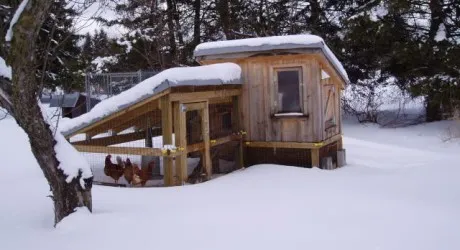
Winterizing your chicken coop is crucial for ensuring the health and well-being of your flock during the colder months. Chickens, while resilient, are susceptible to the harsh effects of winter, including freezing temperatures, drafts, and limited access to water. Proper preparation can make a significant difference in their comfort and productivity. This guide provides the top five essential tips for preparing your chicken coop for winter, ensuring your chickens stay happy and healthy all season long. Following these steps will help you create a safe, warm, and comfortable environment for your feathered friends, allowing them to thrive even when the weather outside is frightful. Preparing your coop is not just about keeping them alive, it’s about minimizing stress and maximizing their ability to lay eggs throughout the winter.
Chicken Coop Winter Prep Top 5 Tips
Insulation is Key
Insulating your chicken coop is one of the most critical steps in winterizing. Proper insulation helps to maintain a stable temperature inside the coop, preventing it from becoming too cold. This keeps the chickens comfortable and protects them from frostbite. Insulation works by trapping air, creating a barrier that slows down the transfer of heat. Without insulation, the heat generated by the chickens will quickly dissipate, leaving them exposed to the cold. Well-insulated coops require less supplemental heating and help to conserve energy, making them more sustainable. Proper insulation also helps prevent moisture buildup, which can lead to respiratory problems and other health issues for your flock. Investing in good insulation is an investment in the overall health and productivity of your chickens during the winter.
Choosing the Right Insulation Materials

When choosing insulation materials for your chicken coop, several options are available, each with its pros and cons. The best choice will depend on factors such as your budget, the construction of your coop, and the climate in your area. Common insulation materials include fiberglass, rigid foam boards, and reflective insulation. Fiberglass is an affordable option but requires careful installation to prevent moisture absorption. Rigid foam boards are effective and easy to install, offering good insulation value. Reflective insulation, such as foil-faced bubble wrap, is a cost-effective choice that reflects radiant heat back into the coop. Remember to prioritize materials that are safe for chickens and resistant to pests, such as rodents. Consider the R-value of the insulation, which measures its resistance to heat flow; higher R-values provide better insulation. Choose materials that can withstand the coop environment and won’t off-gas harmful fumes.
Insulation Installation Best Practices
Proper installation is just as important as choosing the right insulation materials. Ensure that the insulation is installed correctly to maximize its effectiveness and prevent problems. If using fiberglass, wear appropriate protective gear, including gloves, a mask, and eye protection, to avoid irritation. Seal all gaps and cracks around the coop to prevent drafts, which can negate the benefits of insulation. Install insulation in walls, ceilings, and, if possible, the floor of the coop. Ensure the insulation is securely in place and won’t sag or fall over time. Avoid blocking ventilation openings while installing insulation, as proper airflow is still essential. Consider adding a vapor barrier to prevent moisture from accumulating within the insulation, which can reduce its effectiveness and lead to mold growth. Regular inspections will ensure the insulation remains effective and undamaged.
Ventilation Maintenance
Maintaining proper ventilation is just as crucial as insulation for a healthy chicken coop in winter. Good ventilation helps remove moisture, ammonia, and other harmful gases from the coop, preventing respiratory issues and maintaining air quality. Ventilation is often overlooked in the quest to keep a coop warm, but it’s vital for preventing a build-up of moisture, which can lead to frostbite, disease, and discomfort. Ensure there’s adequate airflow, even in winter, to maintain the health of your flock. Ventilation prevents the buildup of moisture, which can lead to mold and mildew growth. Proper ventilation is essential for keeping the coop environment fresh and healthy for your chickens.
Why Ventilation Matters in Winter

In winter, chickens produce a lot of moisture through their breath, droppings, and spilled water. This moisture can quickly lead to a damp environment, which promotes the growth of bacteria and the development of respiratory diseases. Adequate ventilation removes this moisture, keeping the coop dry and reducing the risk of health problems. Ammonia, a byproduct of chicken droppings, can also build up in poorly ventilated coops, irritating the chickens’ respiratory systems and making them more susceptible to illness. Effective ventilation helps to dilute and remove this ammonia, creating a healthier environment. Ventilation also helps to regulate the coop’s temperature, preventing overheating on warmer days and reducing temperature fluctuations that can stress the birds. Proper ventilation is vital for the long-term health and productivity of your flock.
Optimizing Ventilation without Drafts
The key to effective ventilation in winter is to achieve airflow without creating drafts. Drafts can chill chickens and make them more susceptible to frostbite. To avoid drafts, ensure that ventilation openings are placed high in the coop, ideally near the roofline. This allows warm, moist air to rise and escape while preventing cold air from directly hitting the chickens. Consider using adjustable vents, which can be opened or closed to regulate airflow based on the weather conditions. Ensure the coop has adequate ventilation by avoiding sealing it completely. This can be achieved by combining natural ventilation with strategic vent placement. Regularly check ventilation openings to ensure they are not blocked by snow or debris, as this can restrict airflow. Proper ventilation requires careful planning and execution to create a healthy and comfortable environment.
Watering System Management
Providing fresh water is essential for chickens year-round, but it becomes especially challenging during winter. Freezing temperatures can quickly turn water sources into solid blocks of ice, preventing chickens from drinking and potentially endangering their health. Therefore, managing your watering system is a critical aspect of winter coop preparation. Chickens need constant access to water to maintain their health and productivity. It is imperative to ensure they have a reliable source of unfrozen water throughout the winter. Proper water management prevents dehydration and promotes overall well-being. Implementing effective watering strategies can prevent health issues for your chickens.
Preventing Water from Freezing

Preventing water from freezing requires a multi-faceted approach. One of the simplest solutions is to use a heated waterer specifically designed for chicken coops. These waterers are equipped with a heating element that keeps the water from freezing, even in sub-zero temperatures. Another option is to insulate your regular water containers by wrapping them with insulation or placing them inside an insulated box. Regularly check the water source throughout the day, especially during the coldest periods, and break up any ice that forms. You can also experiment with adding warm water to the waterer a few times a day, but be cautious as this won’t prevent freezing for long. Place the waterer in a sheltered location within the coop, away from drafts, to help maintain a slightly warmer temperature. Monitoring and maintenance of the water source is key to ensure your chickens can drink.
Alternative Watering Solutions
If you prefer not to use a heated waterer, there are alternative solutions to consider. One option is to use multiple water containers and rotate them throughout the day, bringing unfrozen water into the coop regularly. This requires more effort but can be effective for smaller flocks. Another approach is to use a rubber or plastic waterer, as these materials are less likely to crack than metal ones if the water freezes. Consider incorporating electrolytes or poultry-specific supplements into the water to encourage drinking, especially during colder weather. Be sure to monitor the water frequently and replace any frozen water with fresh, unfrozen water. Providing water-rich foods, such as fresh greens or fruits, can also help supplement their water intake during colder periods.
Boosting the Coop’s Heat
While insulation and ventilation are key to maintaining a stable temperature in your chicken coop, sometimes supplemental heat is necessary, especially in very cold climates. However, it’s important to use heating options safely and responsibly to avoid fire hazards and ensure the chickens’ well-being. Supplementing heat can help prevent health issues during extreme weather. Carefully consider the best method of heating to keep the coop comfortable during the coldest months.
Safe Heating Options

When using supplemental heat, safety should be your top priority. Avoid using heat lamps with exposed bulbs, as they pose a significant fire risk. Instead, consider using a radiant heater designed specifically for coops, which provides heat without direct light. If you opt for a heat lamp, make sure it is securely mounted and protected with a wire cage to prevent contact with bedding or other flammable materials. Regularly inspect all heating equipment for damage and ensure that all electrical cords are in good condition. Never use a heat source in an unventilated coop, as this can lead to a build-up of harmful gases. Always follow the manufacturer’s instructions for safe operation and maintenance. Install a thermometer inside the coop to monitor the temperature and ensure that it remains within a safe range for your chickens.
Considering Natural Heat Sources
Before relying on supplemental heating, consider whether natural heat sources can provide sufficient warmth. Chickens generate body heat, so a well-populated coop can often maintain a slightly warmer temperature than the outside environment. Ensure the coop is well-sealed to prevent heat loss, and consider adding extra bedding, which can act as insulation and help trap heat. You can also position the coop to take advantage of sunlight, as direct sunlight can naturally warm the coop during the day. Building a compost pile near the coop can also generate some heat. While natural heat sources may not be enough in extremely cold conditions, they can reduce the need for supplemental heating and save on energy costs. Carefully evaluate the coop setup to maximize natural heat retention before resorting to artificial heating.
Diet and Nutrition for Winter
Adjusting your chickens’ diet and nutrition during winter is crucial for supporting their health, maintaining their energy levels, and promoting egg production. Chickens need extra calories in the winter to stay warm, as they expend more energy to regulate their body temperature. Providing a diet rich in nutrients and calories will help them stay healthy and productive throughout the colder months. Adapting feeding practices ensures your chickens receive the necessary fuel to navigate the winter months. Proper nutrition is essential for ensuring your chickens remain in optimal health during cold weather.
Adjusting Feed for Cold Weather

In winter, you can provide your chickens with a higher-calorie feed to help them maintain their body heat. Switch to a feed with a higher protein and fat content, as these nutrients provide more energy. Offer scratch grains, such as cracked corn or wheat, in addition to their regular feed. Scratch grains are easily digestible and provide quick energy boosts, especially during cold evenings. Avoid overfeeding, as excessive food can lead to weight gain and other health problems. The increased energy needs in winter require strategic feeding. Make sure to supplement your chickens’ regular feed with additional options during the cold months. You can also provide free access to grit, which helps them digest the extra grains. Regularly check the feed storage to make sure the food is dry and free from pests.
Providing Extra Nutrients
In addition to adjusting their primary feed, consider providing extra nutrients to support your chickens’ health during winter. Offer supplements like vitamins and minerals, especially those that support the immune system. Consider incorporating fresh greens and vegetables, even in winter. Cabbage, kale, and other cold-hardy greens can be provided if the chickens have access to the space. You can also provide them with warm, cooked oatmeal or other hearty treats. Supplementing the standard feed ensures a balanced and healthy diet. Provide fresh, clean water with added electrolytes to maintain hydration, and help support their health. Adding these supplements and treats to the chickens’ diet can greatly enhance their well-being during winter, encouraging strong egg production.
By following these top 5 tips, you can confidently prepare your chicken coop for winter, ensuring the health, comfort, and productivity of your flock. Remember that consistent monitoring and adaptation are key to successfully navigating the winter months with chickens. Regular checks of insulation, ventilation, water sources, and feed are crucial for maintaining a healthy coop environment. With proper winter preparation, you can ensure your chickens thrive throughout the colder seasons, continuing to provide fresh eggs and companionship for your family. Taking these steps not only protects your chickens, but also helps you enjoy the many benefits of backyard poultry keeping all year round.