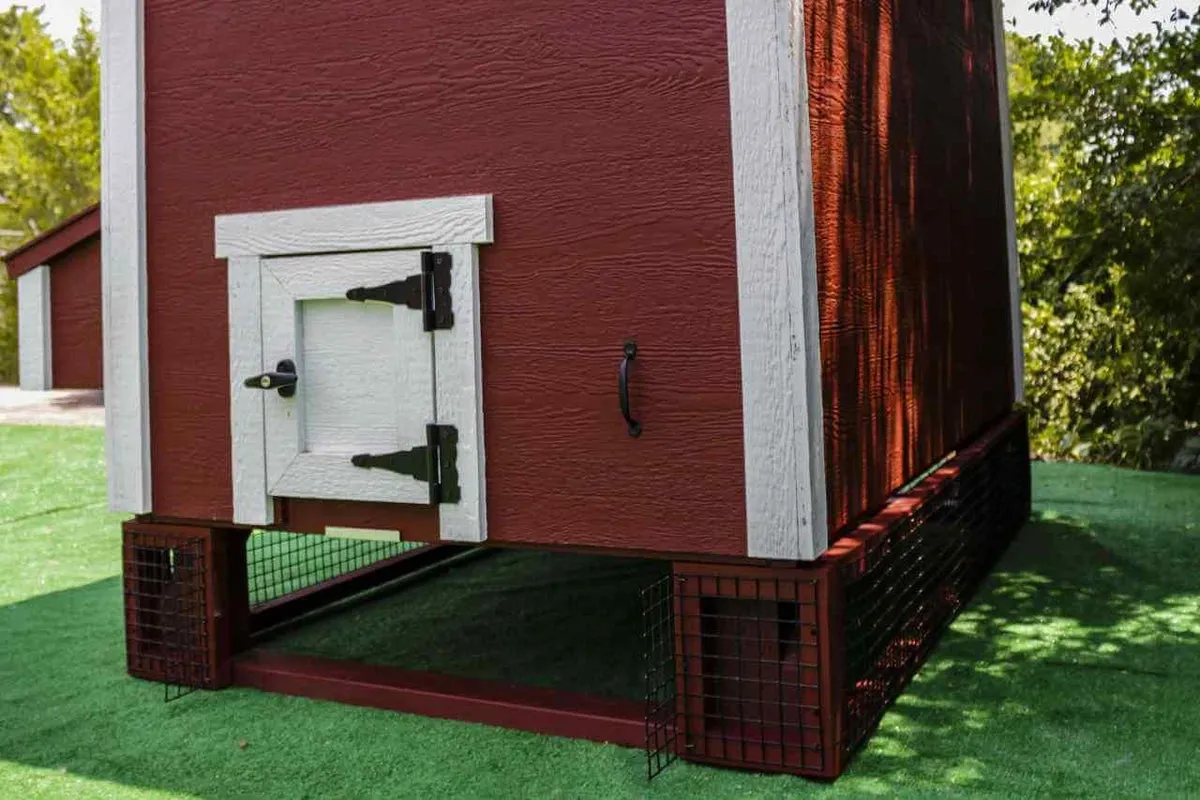
What is Chicken Coop Wire
Chicken coop wire is a crucial component in building and maintaining a safe and secure environment for your chickens. Essentially, it is a mesh or netting made from various materials, primarily metal, designed to enclose and protect your flock. Beyond simply keeping chickens contained, chicken coop wire plays a vital role in predator deterrence, ventilation, and overall coop durability. The proper selection and use of chicken coop wire are essential for the health, safety, and happiness of your chickens, as well as to protect your investment in your backyard poultry setup. Understanding the various types of wire, their applications, and installation techniques is paramount for any chicken keeper.
Materials Used for Chicken Coop Wire
The choice of material for your chicken coop wire significantly impacts its durability, cost, and suitability for different applications. The most common materials include galvanized steel, hardware cloth, and welded wire. Galvanized steel wire, treated with a zinc coating, offers excellent rust resistance and is a popular choice for its longevity and affordability. Hardware cloth, a type of welded wire, often features a smaller mesh size making it ideal for deterring smaller predators. Welded wire, known for its strength and ease of handling, is created by welding the intersecting wires together, providing a rigid and durable structure. The material selection should align with the specific needs of your coop, the local climate, and the types of predators in your area.
Different Types of Chicken Coop Wire

Several types of chicken coop wire cater to various needs and preferences. Hardware cloth, characterized by its small mesh size, is excellent for preventing smaller predators from entering the coop. Welded wire, available in various gauges and mesh sizes, is a versatile option for the coop structure, runs, and flooring. Hexagonal netting, commonly known as chicken wire, is typically less expensive but less robust and might be suitable for containing chickens but may not offer sufficient protection against predators. Each type has its own strengths and weaknesses, and the best choice depends on your specific requirements regarding predator protection, durability, and budget. Considering factors such as the local predator population and the desired lifespan of the coop will guide you to the most appropriate wire type.
Uses for Chicken Coop Wire
Chicken coop wire serves multiple purposes beyond simply containing your chickens. It’s integral to their safety and well-being. Properly utilized wire acts as a barrier against predators, creating a secure environment for your flock. It also forms the structural foundation of your coop, supporting walls, roofs, and floors. Furthermore, chicken coop wire is essential for constructing chicken runs, providing a safe outdoor space for chickens to roam while protecting them from predators. Ventilation is facilitated by the wire mesh, allowing for airflow while preventing intrusion. The multifaceted applications highlight the importance of understanding and correctly applying chicken coop wire for optimal coop design and functionality.
Protecting Chickens from Predators
Protecting chickens from predators is one of the most critical functions of chicken coop wire. It serves as a primary defense against a wide range of threats, including foxes, raccoons, dogs, and even birds of prey. Using sturdy wire with appropriate mesh sizes prevents predators from entering the coop and harming your flock. Installing the wire correctly, including burying it around the perimeter of the coop, further enhances security by deterring digging predators. The proper type and installation of chicken coop wire are essential for keeping your chickens safe from harm, ensuring their survival and your peace of mind.
Creating a Secure Coop Structure

Chicken coop wire is indispensable in building a strong and secure coop structure. It forms the framework of walls, floors, and roofs, providing the necessary support and stability. Choosing the right gauge and type of wire is important to withstand weather conditions and the weight of the structure itself. The secure attachment of the wire is also crucial, using proper fasteners to prevent any weaknesses. A well-built coop using quality wire ensures longevity and offers protection against various elements, ultimately providing a safe and comfortable home for your chickens. Building a strong coop is crucial for the overall security and protection of your flock.
Building a Chicken Run
A chicken run, an enclosed outdoor area for your chickens, is often constructed using chicken coop wire. Building a run provides a safe space for chickens to roam and forage while being protected from predators. This allows chickens access to sunlight, fresh air, and the ability to exhibit their natural behaviors in a secure environment. The wire must be securely attached to the frame of the run, with consideration given to burying the wire around the perimeter to prevent digging predators. Constructing a well-built chicken run is important for your chickens’ health, happiness, and the protection they deserve.
Containing Chickens
Chicken coop wire is fundamental to containing chickens within their designated spaces, whether within the coop or the run. It acts as a physical barrier, preventing chickens from wandering off and potentially exposing themselves to dangers. The mesh size should be appropriate to prevent chickens from escaping while still allowing for adequate ventilation and visibility. Proper installation is essential to prevent gaps or weaknesses that could allow escapes. By effectively containing your chickens, chicken coop wire protects them from hazards and prevents them from causing damage to gardens or neighboring properties.
Ventilation in Chicken Coop

Effective ventilation in a chicken coop is critical for the health of your chickens, and chicken coop wire plays a significant role in achieving this. Wire mesh is used in windows, vents, and sometimes even the walls, allowing for airflow while preventing predators from entering. Proper ventilation helps to control moisture levels, reduce odors, and prevent the buildup of harmful gases such as ammonia. The correct use of wire mesh in the coop’s ventilation system is important for maintaining a healthy and comfortable environment for your chickens, promoting their well-being and reducing the risk of respiratory illnesses.
Top 5 Uses for Chicken Coop Wire
Chicken coop wire has numerous applications; however, some uses are more crucial than others. These top five applications are essential for effective coop design and chicken welfare. The wire’s versatility makes it invaluable for various aspects of chicken keeping.
Predator-Proofing the Coop
The primary use of chicken coop wire is predator-proofing the coop. The wire protects the flock from common predators, such as foxes, raccoons, and dogs, by creating a physical barrier. A securely built coop, using the correct gauge wire and mesh size, will stop predators from entering. Burying wire underground around the perimeter is an important step for preventing digging predators. Predator-proofing protects your chickens and allows you to rest easier knowing your flock is safe.
Building Durable Runs

Chicken coop wire is crucial for building durable and secure runs. Runs provide a safe, enclosed space for chickens to roam outdoors while protected from predators. The wire must be strong and securely attached to the frame of the run to prevent breaches. Selecting the right wire gauge and mesh size, and ensuring proper installation, is important for longevity and security. A well-constructed run allows your chickens to enjoy fresh air and sunlight safely, supporting their health and happiness.
Providing Ventilation
Chicken coop wire facilitates ventilation within the coop, which is essential for a healthy environment. By allowing for airflow, the wire helps to regulate humidity, reduce odors, and prevent the buildup of harmful gases. It is used in windows and vents, providing fresh air while still preventing the entry of predators. Adequate ventilation is important for preventing respiratory illnesses in chickens and promoting their overall health and well-being.
Supporting Coop Structure
Chicken coop wire is a supporting element in the structural integrity of the coop. The wire is used to build the walls, floors, and roofs, offering strength and stability to the structure. This structural support ensures that the coop can withstand various weather conditions and the weight of the materials. Selecting high-quality wire and ensuring its correct installation is important for the longevity and safety of your chicken coop, providing a robust and dependable shelter for your chickens.
Keeping Chickens Contained

Chicken coop wire is used to keep chickens contained within a defined space, both in the coop and the run. This helps prevent them from wandering off and encountering hazards. The wire acts as a barrier, offering a secure and protected environment. Choosing the right mesh size is important, ensuring that chickens cannot escape. Effective containment prevents chickens from causing problems in your garden and keeps them safe from potential dangers.
Choosing the Right Chicken Coop Wire
Selecting the right chicken coop wire involves considering several factors to ensure it meets your needs. The type of wire, the gauge, the mesh size, and the material all play an important role in its effectiveness, durability, and cost. Careful consideration of these factors ensures you select the best wire for your chicken coop.
Wire Gauge and Mesh Size
The wire gauge (thickness) and mesh size (size of the openings) are crucial considerations when selecting chicken coop wire. A heavier gauge wire is typically more durable and better suited for deterring predators. The mesh size should be small enough to prevent predators from entering, with smaller sizes being effective against rodents. The mesh size should be large enough to ensure proper ventilation and visibility. Matching the wire gauge and mesh size to the specific risks in your area will maximize the effectiveness of the wire, providing the best protection for your flock.
Wire Material

The material of chicken coop wire impacts its durability, lifespan, and resistance to the elements. Galvanized steel is a popular choice due to its rust resistance, offering good protection against the weather. Hardware cloth and welded wire offer different levels of strength and flexibility. Each material has its own advantages and disadvantages. The best material choice depends on your budget, the local climate, and the level of predator protection required. Make an informed decision based on your specific needs and environment.
Cost and Durability Considerations
Cost and durability are important factors when selecting chicken coop wire. Higher-quality materials and thicker gauges often cost more upfront but can provide greater longevity and protection, saving you money in the long run by reducing the need for repairs or replacement. Consider the long-term cost and the investment in protecting your flock from predators when making your decision. Evaluate the initial cost against the anticipated lifespan and the level of protection offered to make the most informed choice.
Chicken Coop Wire Installation Tips
Proper installation is crucial for maximizing the effectiveness of chicken coop wire. Incorrect installation can leave gaps that predators can exploit. Following these tips will help ensure the security of your coop.
Cutting the Wire

Cutting chicken coop wire safely and accurately is important for a proper installation. Use appropriate tools, such as wire cutters or bolt cutters, to avoid frayed edges or sharp points. Wear protective gloves and eye protection. Measure carefully before cutting, and plan your cuts to minimize waste. Precise cuts will make the installation process easier and will provide a more secure and professional finish. Taking the time to cut the wire correctly will pay off in a secure and aesthetically pleasing coop.
Fastening the Wire
Proper fastening is important to ensure the chicken coop wire is securely attached. Use appropriate fasteners such as staples, screws, or fence staples, depending on the material of the coop frame and wire. Space the fasteners closely together, especially along edges and in areas where predators may try to force their way through. Ensure the fasteners are flush against the wire to prevent snags or vulnerabilities. Careful attention to fastening details will reinforce the structural integrity of your coop, improving its security and resilience against both the elements and predators.
Maintenance and Longevity of Chicken Coop Wire
Proper maintenance is essential for extending the lifespan of chicken coop wire. Regular inspections, cleaning, and timely repairs will keep your coop secure and your chickens safe for many years. By addressing issues promptly, you can prevent small problems from turning into major ones. Maintenance efforts contribute to the overall health and longevity of your coop, ensuring its continued effectiveness in protecting your flock.
Cleaning and Inspection
Regular cleaning and inspection are essential for maintaining chicken coop wire. Regularly check the wire for damage, such as rust, breaks, or loose fasteners. Clean the wire as needed to remove debris, droppings, and other materials that could accelerate corrosion. A clean coop is important for your chickens’ health. Regular inspection and cleaning help prevent potential issues and ensure that your coop remains secure and functional. These steps will keep your coop in good condition and prolong its lifespan.
Repairing or Replacing Wire
Promptly repairing or replacing damaged chicken coop wire is important for maintaining the security of your coop. Small holes or weak spots can quickly become entry points for predators. Use the correct materials and techniques to patch any damaged areas. If the wire is extensively damaged or has reached the end of its useful life, it is best to replace it entirely. Regular monitoring, prompt repairs, and timely replacement will guarantee that your coop provides ongoing protection for your chickens.
In conclusion, chicken coop wire is an important element in chicken keeping. From protecting your chickens from predators to providing ventilation and a secure structure, the benefits are clear. Selecting the correct wire, installing it properly, and providing proper maintenance are keys to creating a safe, healthy, and comfortable environment for your flock. By taking the time to learn about chicken coop wire, you are investing in the long-term well-being of your chickens and securing the success of your backyard poultry venture. With careful attention to detail, your chickens will thrive in a secure and comfortable coop.