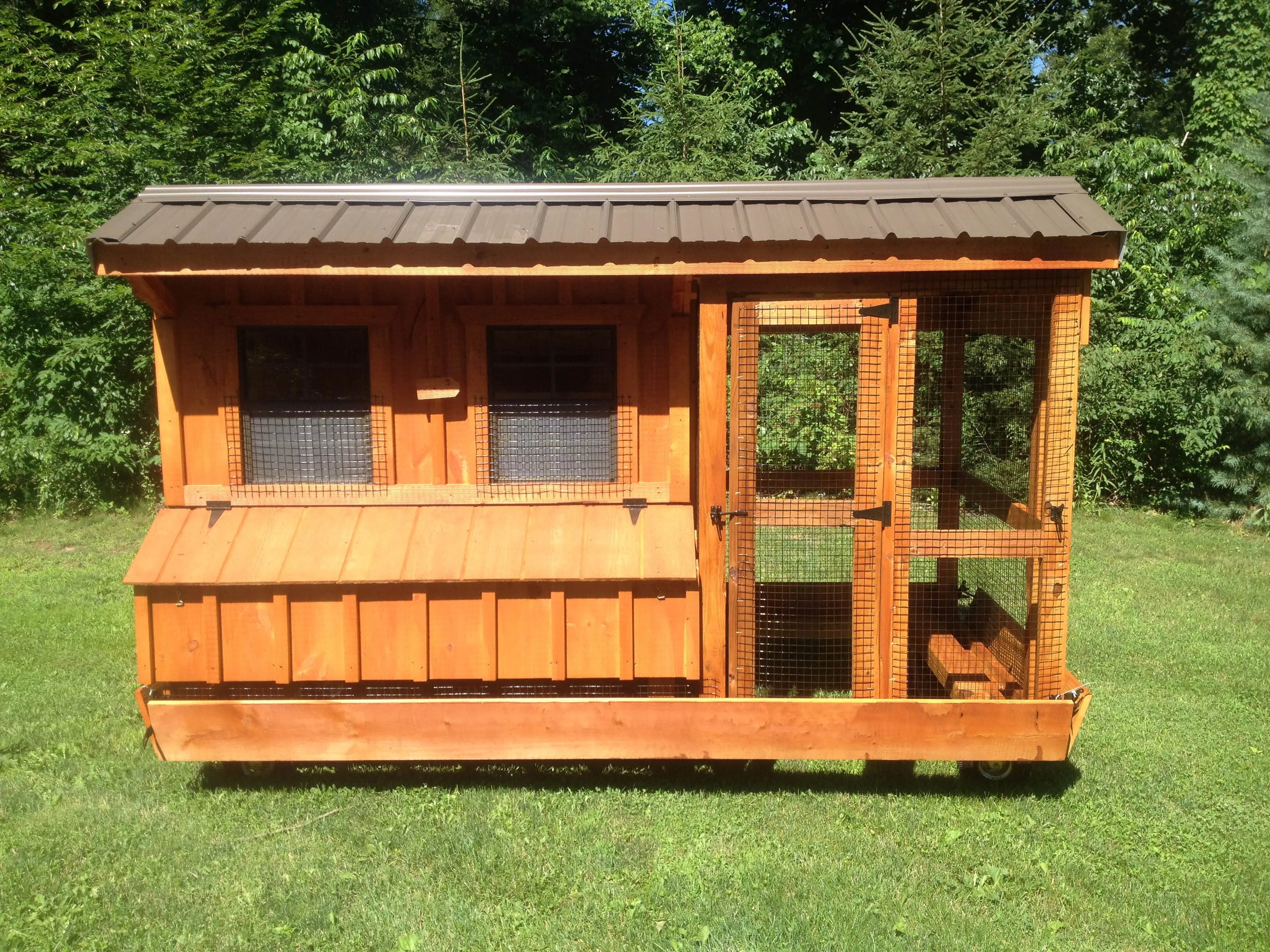
Finding the perfect chicken coop for your backyard flock can feel like a daunting task. With so many options available, knowing where to start your search is crucial. This guide will help you navigate the process of finding chicken coops for sale near you, considering essential factors, and ensuring you make an informed decision. Whether you’re a seasoned chicken keeper or just starting, this article will equip you with the knowledge to find the best coop to suit your needs and your chickens’ well-being.
Where to Find Chicken Coops Near Me
Your quest for the perfect chicken coop begins with knowing where to look. Several avenues can lead you to the ideal coop for your needs. From online marketplaces to local stores, exploring all options will increase your chances of finding a coop that ticks all the boxes. Let’s delve into the most common and effective places to find chicken coops near you.
Online Marketplaces for Chicken Coops
Online marketplaces provide a vast selection of chicken coops, allowing you to compare different styles, sizes, and prices easily. These platforms often connect you directly with sellers, offering a convenient way to browse and purchase from the comfort of your home. Look for websites that offer detailed product descriptions, customer reviews, and clear shipping information. Consider filtering your search by location to find coops available near you, which can save on shipping costs and allow for local pickup options. Remember to assess the seller’s reputation before committing to a purchase.
Craigslist and Local Classifieds

Craigslist and local classifieds are excellent resources for finding used or new chicken coops at potentially lower prices. These platforms allow you to connect directly with local sellers, often enabling you to inspect the coop in person before making a purchase. When browsing these listings, pay attention to the coop’s condition, materials, and any existing wear and tear. It’s also essential to arrange a safe meeting place if you decide to view the coop in person, prioritizing your safety and the security of the transaction. Always ask for additional photos and information to make an informed decision.
Specialty Poultry Supply Stores
Specialty poultry supply stores are dedicated to providing equipment for raising chickens, offering a wide array of coops, feeders, waterers, and other essential supplies. These stores often have knowledgeable staff who can advise you on the best coop for your specific needs, climate, and breed of chickens. Visiting a specialty store allows you to see the coops in person, assess their build quality, and compare different models. It also gives you the opportunity to purchase all your chicken-related supplies in one place, ensuring you have everything you need to start your backyard flock.
Local Hardware Stores
Local hardware stores are another convenient option for finding chicken coops. These stores often carry a selection of pre-built coops that are easy to assemble. While the selection may be more limited compared to online marketplaces or specialty stores, you can still find quality coops at a reasonable price. Hardware stores are also great for sourcing the necessary materials if you prefer to build your own coop. Plus, you can often get assistance from store staff who can help you with any questions about coop construction or maintenance.
Factors to Consider When Buying a Chicken Coop

Once you know where to look, you need to consider the essential factors that influence your chicken coop purchase. From the coop’s size and materials to its predator protection and ventilation, each element contributes to the health, safety, and comfort of your chickens. Carefully evaluating these factors will ensure you choose a coop that meets your needs and helps your flock thrive.
Size and Capacity of the Coop
Choosing the right size coop is paramount to the well-being of your chickens. Overcrowding can lead to stress, disease, and behavioral problems. As a general rule, provide at least 4 square feet of floor space per chicken inside the coop and at least 8 square feet per chicken in the outdoor run. Consider the number of chickens you plan to raise and select a coop that comfortably accommodates your flock. Remember, it’s always better to have a bit more space than less, ensuring your chickens have room to roam, roost, and forage. Also, plan for future expansion, if you intend to add more chickens later.
Material and Durability
The material your chicken coop is made of affects its durability, longevity, and overall performance. Wood is a classic choice, providing good insulation and a natural aesthetic. However, it requires regular maintenance to protect against weathering and pests. Metal coops are durable and resistant to pests, but they can get very hot in the summer, so ensure adequate ventilation. Consider the climate in your area when choosing materials. Make sure the coop is constructed with quality materials designed to withstand the elements and the activities of chickens. Look for coops with sturdy framing, secure joints, and weather-resistant finishes.
Ventilation and Climate Control

Proper ventilation is critical for maintaining a healthy environment inside the coop. Good ventilation removes moisture, ammonia, and excess heat, preventing respiratory problems and other health issues in your chickens. Look for coops with features like vents, windows, and screened openings. In colder climates, consider coops with insulated walls and roofs to help regulate the temperature. During hot weather, ensure that the coop has ample shade and good air circulation to keep your chickens comfortable and prevent heat stress. Avoid placing the coop in a spot where it blocks natural airflow.
Security and Predator Protection
Protecting your chickens from predators is a top priority. Choose a coop with secure construction to prevent predators from entering. Features to look for include strong latches, hardware cloth or wire mesh walls and floors, and predator-proof doors. Bury the wire mesh at least 12 inches underground around the perimeter to prevent digging predators from gaining access. Ensure that all openings, such as windows and vents, are covered with sturdy wire mesh. Consider the types of predators common in your area, and select a coop that offers the necessary level of protection.
Pricing and Budget
Setting a budget before you start shopping will help you narrow down your options and make a more informed decision. Chicken coop prices can vary widely based on size, materials, and features. Determine how much you’re willing to spend, and then explore coops within that price range. Consider the long-term costs associated with the coop, such as maintenance, repairs, and potential upgrades. Remember that investing in a higher-quality coop initially may save you money in the long run by reducing the need for repairs and replacements.
Top Features of the Best Chicken Coops

Beyond the fundamental requirements, several features can significantly enhance your chicken coop experience. These features contribute to ease of use, comfort, and overall chicken health. When selecting a coop, consider the following features to ensure you have the best possible setup for your flock.
Ease of Cleaning and Maintenance
Choose a coop that is easy to clean and maintain. Look for coops with removable roosts, nesting boxes, and droppings trays to simplify the cleaning process. Surfaces that are smooth and non-porous are easier to clean and sanitize. Adequate access doors and openings allow you to reach all areas of the coop easily. Regular cleaning is essential for maintaining a healthy environment and preventing the buildup of bacteria and parasites. Consider a coop with a built-in waste removal system to save time and effort.
Design and Aesthetics
While functionality is key, consider the design and aesthetics of the chicken coop. Choose a coop that complements your backyard and reflects your personal style. There are many coop designs available, from rustic to modern. Consider the materials and colors used in the coop to ensure it blends with your outdoor space. Some coops even include decorative elements that add charm and character. Remember that a well-designed coop not only benefits your chickens but also enhances the overall appearance of your property.
Assembly and Installation

Before purchasing a chicken coop, evaluate the assembly and installation process. Some coops come fully assembled, while others require assembly. If you’re not comfortable assembling a coop yourself, look for models that are easy to assemble or offer professional installation services. Check the manufacturer’s instructions to understand the assembly process, and ensure you have all the necessary tools. If you’re building the coop yourself, plan to have assistance, especially for larger coops. The ease of assembly can significantly affect your overall experience and save you time and effort.
Reviews and Recommendations
Before making a final decision, read reviews and seek recommendations from other chicken keepers. Online reviews and testimonials provide valuable insights into the quality, durability, and performance of different coops. Look for reviews that mention the coop’s ease of use, durability, and customer service experience. Ask friends, family, or members of your local poultry club for their recommendations. Their firsthand experiences can help you make an informed decision and avoid potential pitfalls. Customer feedback can reveal real-world performance and help identify any recurring issues.
How to Prepare Your Location
Once you’ve found the perfect chicken coop, preparing your location is essential. Proper site preparation will ensure the coop’s stability, functionality, and longevity. Follow these steps to create an optimal environment for your chickens.
Leveling the Ground

Start by ensuring the ground where you plan to place the coop is level. This is crucial for the coop’s stability and prevents uneven settling. Use a level to check the ground, and make any necessary adjustments. You may need to excavate or add soil to level the surface. A level foundation is essential for ensuring the coop functions correctly and remains structurally sound over time.
Fencing and Run Area
Consider adding a fenced run area to provide your chickens with a safe and secure outdoor space. The run area allows your chickens to forage, scratch, and get fresh air while protecting them from predators. Use durable fencing material, such as welded wire or hardware cloth, and bury the fencing at least 12 inches underground to prevent digging predators from entering. Ensure the run area is large enough to accommodate your flock comfortably and provides adequate shade and shelter from the elements.
Local Regulations and Ordinances
Before installing your chicken coop, research your local regulations and ordinances. Many municipalities have rules regarding the keeping of chickens, including the number of chickens allowed, required setbacks from property lines, and coop specifications. Failing to comply with these regulations can result in fines or even the removal of your coop. Check with your local government or homeowners association to understand the specific rules in your area.
Finalizing Your Chicken Coop Purchase

Finding the ideal chicken coop near you involves careful consideration, research, and planning. By exploring various sources, considering essential factors, and preparing your location properly, you can find a coop that meets your needs and ensures your chickens thrive. Take your time, do your homework, and you’ll be well on your way to creating a happy and healthy environment for your backyard flock.