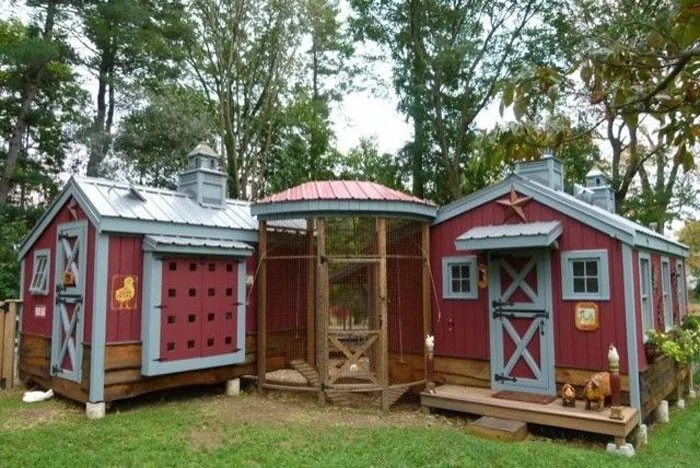
Dreaming of raising your own chickens? A cool chicken coop is more than just a shelter; it’s a statement, a haven for your feathered friends, and a potential centerpiece for your backyard. Designing a coop that is both functional and aesthetically pleasing can be a rewarding project. This guide provides inspiration and practical advice to help you create a cool chicken coop that your hens will love and that you’ll be proud to show off. We’ll explore various design styles, essential features, material choices, and maintenance tips to get you started on your chicken-keeping journey with confidence and style.
Planning Your Cool Chicken Coop
Before you start building, careful planning is essential for a successful and cool chicken coop. Consider factors like location, size, and the needs of your chickens. This initial phase helps you avoid common pitfalls and ensures that your coop meets both your chickens’ needs and your local regulations. Thoughtful planning leads to a more enjoyable chicken-keeping experience. Consider the following aspects, location of the coop, amount of light and protection to ensure that the chickens are safe and have a comfortable environment.
Choosing the Right Location
The location of your cool chicken coop significantly impacts its functionality and your chickens’ well-being. Select a spot that is accessible for cleaning and maintenance, yet sheltered from harsh weather conditions. Consider proximity to your house for easy monitoring and access, but also ensure it is far enough to minimize noise and odors. The location should also provide some level of privacy, away from high-traffic areas to reduce stress on the chickens. The coop’s placement affects everything from sunlight exposure to protection from predators.
Sunlight and Shade

Optimal sunlight exposure is vital for your chickens’ health and productivity. Ensure the coop receives a balance of sunlight and shade. Sunlight helps chickens regulate their body temperature, and it can also aid in vitamin D production. Provide shade, especially during the hottest parts of the day, to prevent overheating. Strategically plant trees or shrubs near the coop or incorporate a shaded run area into your design. This balance is essential for the chickens’ comfort and overall health and to maintain a cool chicken coop.
Protecting from Predators
Predator protection is a non-negotiable aspect of your coop design. Research the common predators in your area and build accordingly. Bury hardware cloth at least 12 inches deep around the perimeter of the coop to prevent digging predators. Use secure latches on doors and windows, and consider reinforcing the coop with strong materials. Overhanging roofs, solid floors, and predator-resistant hardware are all crucial elements in creating a secure and cool chicken coop environment. A well-protected coop gives you peace of mind and keeps your chickens safe.
Coop Size Considerations
Determining the appropriate size for your coop depends on the number of chickens you plan to keep and their space requirements. Overcrowding can lead to stress, disease, and reduced egg production. Provide ample space for each chicken, both inside the coop and in the outdoor run. Following guidelines on square footage per bird is essential. This planning step ensures your chickens have enough room to move freely, roost comfortably, and enjoy a healthy life.
Number of Chickens

The number of chickens you intend to keep directly influences the coop’s size. Research the average number of chickens that you want to have, and make sure that the coop is big enough for them. Account for potential growth if you’re starting with chicks. Consider your local regulations regarding the number of chickens you can keep in your area. Start small if you’re a beginner, and ensure you have enough space for the flock you desire, to maintain a cool and safe chicken coop.
Space Requirements
Provide adequate space per chicken. A general rule of thumb is to provide at least 4 square feet of space per chicken inside the coop and 8-10 square feet in the outdoor run. This ensures that chickens have enough room to move around, forage, and avoid overcrowding. Consider the breed of chickens, as some breeds are larger and require more space. Also, ensure adequate space for essential features like nesting boxes and roosting bars, to create a comfortable environment.
Cool Chicken Coop Design Styles
The design style of your chicken coop can range from classic to contemporary, allowing you to customize it to match your home and garden. There are many options available. You can choose from traditional, modern, and mobile coops, each with its own set of advantages and disadvantages. The choice depends on your aesthetic preferences, available space, and the needs of your chickens. A well-designed coop complements your property while providing a comfortable and safe environment for your flock.
The Traditional Coop

Traditional coops often feature a classic, gable-roof design, with a wooden structure that blends well with a garden setting. They typically include features like a pitched roof for efficient water runoff, ample ventilation, and easy access for cleaning. These coops are often constructed using wood, and they are designed to be sturdy and durable, offering a familiar and reliable shelter for chickens. They provide the classic look and practicality that many chicken keepers prefer.
Pros and Cons
- Pros include a timeless design, ease of construction, and the availability of readily available materials.
- Cons include potential challenges with ventilation and the need for regular maintenance to protect against the elements and pests.
The Modern Coop
Modern coops embrace a sleek, minimalist aesthetic with clean lines, often incorporating contemporary materials like metal and composite wood. These coops may feature innovative design elements, such as integrated ventilation systems, automated doors, and stylish finishes. They’re designed to be functional and visually appealing, providing a low-maintenance option that complements modern homes and gardens. Modern coops emphasize functionality and aesthetics.
Pros and Cons

- Pros include stylish design, often incorporating smart features and requiring less maintenance.
- Cons include potential higher costs, and the need for specialized materials or construction techniques.
The Mobile Coop
Mobile coops, also known as chicken tractors, are designed to be easily moved around the yard. They often feature wheels or skids, allowing you to relocate the coop to fresh pasture regularly. This method is beneficial for allowing chickens to forage on new ground, which helps to control weeds and pests. Mobile coops can range from simple, lightweight structures to more elaborate designs with multiple features. This allows chickens to experience fresh areas of the yard and manage the land naturally.
Pros and Cons
- Pros include the ability to provide fresh foraging areas, facilitate pest control, and the ease of moving the coop.
- Cons can include the need for more frequent moving, especially if the coop is heavy, and may require more security measures.
Essential Features for a Cool Chicken Coop

Certain features are critical for any well-designed cool chicken coop. These features promote the health and happiness of your chickens while making the coop easy to maintain. Proper ventilation, comfortable nesting boxes, and sturdy roosting bars are among the essential elements that ensure your chickens’ well-being. These essential features contribute to the overall functionality and comfort of your coop, making it a haven for your chickens.
Ventilation
Adequate ventilation is crucial for maintaining air quality, regulating temperature, and preventing the buildup of moisture and ammonia in the coop. Proper ventilation helps to remove harmful gases, prevent respiratory issues, and reduce the risk of disease. Design your coop with vents high on the walls, or near the roof, to allow for proper air circulation. Avoid drafts, which can chill chickens, and ensure that the ventilation system is protected from the elements and predators. Good ventilation is essential for a cool and healthy chicken coop.
Nesting Boxes
Nesting boxes provide a safe, comfortable, and private space for your hens to lay eggs. Provide one nesting box for every 3-4 hens. Place the nesting boxes in a quiet, dimly lit area of the coop, away from high-traffic zones. Line the boxes with soft, clean bedding material, such as straw, wood shavings, or shredded paper. Ensure the boxes are easy to access for egg collection and cleaning. Well-designed nesting boxes promote egg production and keep your eggs clean and safe.
Roosting Bars

Roosting bars provide a place for your chickens to perch and sleep at night. Place the bars at a comfortable height, typically a few feet above the ground, away from nesting boxes and walls. Choose bars made of sturdy, non-toxic material, such as wood. Provide enough space on the roosting bars for each chicken, allowing them to comfortably rest. The roosting bars should be easy to clean and positioned to minimize droppings on the floor. Comfortable roosting bars are essential for the chickens’ well-being.
Flooring Options
The flooring of your cool chicken coop must be durable, easy to clean, and resistant to moisture. Consider options like wood, concrete, or linoleum. Wood is a popular choice, but it needs to be sealed to prevent moisture absorption and rotting. Concrete is a durable option that is easy to clean and disinfect. Linoleum can be used as a floor covering. Ensure your flooring is non-toxic and safe for your chickens, providing a clean and hygienic environment. Well-chosen flooring is vital for the long-term health and upkeep of your coop.
Materials for a Cool Chicken Coop
The materials you choose for your cool chicken coop will affect its durability, appearance, and ease of maintenance. Common materials include wood, metal, and plastic, each offering unique advantages and disadvantages. Selecting the right materials is important for the overall longevity, safety, and aesthetics of your coop. Your choice of materials significantly impacts the coop’s resilience to the elements, its structural integrity, and its overall look and feel.
Wood
Wood is a popular choice for coop construction due to its natural appearance, ease of workability, and affordability. Choose rot-resistant wood, such as cedar or redwood, to ensure longevity. Treat the wood with a non-toxic sealant to protect it from moisture and pests. Ensure that all wooden components are free from splinters and sharp edges. Wood offers a classic look and can be easily customized, allowing you to create a visually appealing and cool chicken coop.
Metal
Metal coops are durable, pest-resistant, and easy to clean. Galvanized steel is a common choice for its resistance to rust and corrosion. Metal coops often require less maintenance than wooden coops, and they can withstand harsh weather conditions. Ensure all metal edges are smooth and safe for chickens. Consider using metal framing for a sturdy, long-lasting coop. Metal coops provide durability and a modern aesthetic.
Plastic
Plastic coops are lightweight, easy to clean, and relatively inexpensive. They are often made from recycled materials and are resistant to pests and rot. Plastic coops are often prefabricated and easy to assemble. Consider the durability of the plastic and choose materials that are UV-resistant to withstand sunlight exposure. Plastic coops provide a low-maintenance option and are ideal for beginner chicken keepers. Plastic is a practical, easy-to-maintain material choice.
Adding Style and Comfort
Personalizing your cool chicken coop with stylish touches and comfort features can make it a standout addition to your backyard. From decorative painting and landscaping to practical accessories, you can create a space that complements your home and provides a pleasant environment for your chickens. Enhancing your coop with stylish and functional features can make it a beautiful and comfortable home.
Painting and Decorating
Painting your coop can add a pop of color and protect the wood from the elements. Choose weather-resistant paints and consider using multiple colors for a creative design. Decorate the coop with charming accents like decorative trim, window boxes, or a personalized sign. Be sure to use non-toxic paints and finishes, and keep the chickens’ safety in mind. Painting and decorating adds personality and charm.
Landscaping Around the Coop
Landscaping around your cool chicken coop can enhance its visual appeal and provide additional benefits for your chickens. Plant edible plants and herbs around the coop for your chickens to forage on, such as herbs like mint and lavender. Create a shaded run area with trees and shrubs. Add decorative elements like stepping stones or a small water feature. Thoughtful landscaping integrates your coop seamlessly into your garden.
Accessories and Extras
Add accessories that enhance the functionality and appeal of your cool chicken coop. Consider adding a chicken swing, dust bath area, or a small ramp. Install automated feeders and waterers for convenience. A well-equipped coop makes chicken keeping more enjoyable. Accessories add both functionality and fun to your backyard chicken setup.
Maintaining Your Cool Chicken Coop
Regular maintenance is essential for keeping your cool chicken coop in good condition and ensuring the health of your chickens. Proper cleaning, hygiene, and pest control are crucial for preventing disease and maintaining a comfortable environment. Routine care keeps your coop in top shape.
Cleaning and Hygiene
Clean your coop regularly to prevent the buildup of droppings, which can attract pests and create unpleasant odors. Remove droppings and soiled bedding at least once a week, or more frequently if needed. Disinfect the coop regularly with a poultry-safe disinfectant, paying special attention to nesting boxes and roosting bars. Ensure your chickens always have fresh water. Regular cleaning is critical to maintaining a cool and healthy coop.
Pest Control
Implement pest control measures to protect your chickens from parasites and diseases. Regularly inspect your coop for mites, lice, and other pests. Use natural pest control methods, such as diatomaceous earth or herbal remedies. Prevent pest infestations by keeping the coop clean and well-ventilated. Pest control ensures the health and safety of your chickens, and a clean coop is essential for preventing pest infestations.
Building a cool chicken coop is a rewarding project that combines practicality with creativity. By carefully planning your design, selecting appropriate materials, and incorporating essential features, you can create a space that is both functional and stylish. Remember to prioritize your chickens’ well-being, ensuring they have a safe, comfortable, and healthy environment. With the right approach, your cool chicken coop will be a source of pride, providing fresh eggs and joy for years to come.