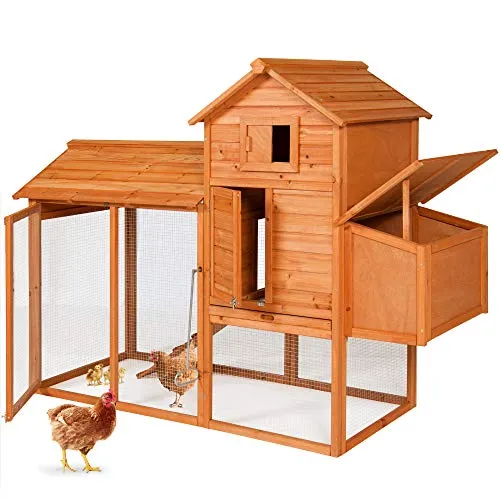
7 Secrets to Costco Chicken Coop Success
Raising chickens can be a rewarding experience, providing fresh eggs and companionship. However, a successful backyard chicken operation hinges on choosing the right coop. Costco offers a range of chicken coops that can be a great starting point for both novice and experienced chicken keepers. This guide unveils the top 7 secrets to help you choose, set up, and maintain a Costco chicken coop, ensuring your flock thrives. From understanding material quality to implementing effective predator control, this article provides the insights you need for a thriving chicken coop experience. Get ready to unlock the secrets to chicken coop success!
Secret 1 Quality & Durability
The longevity of your chicken coop heavily relies on the quality of its materials. Costco chicken coops, like any coop, vary. It’s crucial to assess the materials used in construction. Look for coops made from durable, weather-resistant wood, such as cedar or pressure-treated lumber. These materials can withstand the elements and resist rot and decay. Consider the gauge of the wire mesh used in the coop. It should be sturdy enough to prevent predators from gaining access. A well-built coop will be a worthwhile investment, protecting your chickens for years to come.
Material Matters

When evaluating materials, focus on the type of wood, the quality of the hardware (screws, hinges, latches), and the wire mesh. Cedar is naturally rot-resistant and can withstand the weather, making it a great choice. Pressure-treated lumber is also durable but might require some extra precautions regarding contact with the chickens. Avoid coops made with flimsy or untreated wood, as they will deteriorate quickly. High-quality hardware will ensure the coop stays together and can withstand wear and tear. Strong wire mesh with small openings is essential for predator protection. (Image: chicken-coop-material.webp)
Weather Resistance
Your chicken coop needs to withstand various weather conditions. Look for features like a sloped roof to shed rain and snow. Overhangs can protect the coop from direct sunlight and rain. Consider the coop’s location, and whether it’s exposed to strong winds or heavy snowfall. Choose a coop with weather-resistant coatings or treatments to extend its lifespan. Properly sealed joints and well-fitted doors and windows will prevent drafts and keep your chickens comfortable in all seasons. Consider the climate in your area, as certain materials and designs will fare better in specific conditions.
Secret 2 Coop Size & Chicken Capacity
One of the most crucial aspects of successful chicken keeping is providing enough space for your flock. Overcrowding can lead to stress, illness, and behavioral issues like feather pecking. Costco chicken coops come in different sizes, so it’s essential to choose one that matches your needs. Carefully assess the coop’s dimensions and calculate the available space per chicken, ensuring it aligns with the recommended square footage per bird. Consider both the indoor and outdoor space, allowing adequate room for roosting, nesting, and foraging.
Determining Your Needs

Before you start shopping, determine how many chickens you plan to keep. Research different chicken breeds, considering their size and temperament. Some breeds are larger and require more space. Think about your long-term goals. Do you plan to expand your flock? If so, choose a coop that can accommodate future growth or consider purchasing a coop with the option to add an extension. Consider the space available in your backyard, and if you have any local ordinances regarding chicken keeping that dictate coop size and placement. (Image: chicken-coop-size.webp)
Space Requirements per Chicken
As a general rule, provide at least 4 square feet of space per chicken inside the coop for roosting and nesting. For the outdoor run, aim for a minimum of 8-10 square feet per chicken to allow them to roam freely and forage. More space is always better. Consider the coop’s design. Multi-level coops or those with separate sleeping and foraging areas can maximize the available space. Providing ample space helps reduce stress, minimizes the spread of disease, and ensures your chickens are happy and healthy, leading to more eggs and a more enjoyable chicken-keeping experience.
Secret 3 Assembly & Setup
Assembling your Costco chicken coop correctly is essential for its structural integrity and the safety of your chickens. While some coops are pre-assembled, others require some construction. Carefully read the instructions and take your time during the assembly process. Ensure all parts are properly aligned and secured. Proper assembly will ensure the coop’s longevity and protect your chickens from predators and the elements.
Tools Required

Before starting, gather all the necessary tools. Most Costco chicken coops require a screwdriver, a drill, a level, and possibly a hammer. Some coops may also include an Allen wrench for certain bolts. Have these tools readily available to avoid interruptions during assembly. Having a helping hand can make the process easier and faster. Keep the instruction manual close by, and refer to it frequently. (Image: costco-coop-assembly.webp)
Step-by-Step Guide
Follow the assembly instructions carefully. Start by identifying all the parts and organizing them. Assemble the frame first, ensuring all joints are square and secure. Attach the walls, roof, and floor according to the instructions. Install the doors, windows, and any other features. Once the coop is assembled, inspect all connections and hardware. Tighten any loose screws or bolts. Finally, place the coop in a suitable location in your backyard, ensuring it’s level and away from potential hazards like overhanging branches.
Secret 4 Ventilation & Airflow
Proper ventilation is critical for the health and well-being of your chickens. A well-ventilated coop removes moisture, reduces odors, and prevents the build-up of harmful gases like ammonia. It also helps regulate the coop’s temperature, keeping your chickens comfortable in all seasons. Costco chicken coops often incorporate ventilation features such as windows, vents, and screened openings. However, it’s crucial to understand how ventilation works and how to ensure adequate airflow.
Importance of Ventilation

Good ventilation reduces moisture, which can lead to frostbite in winter and heat stress in summer. It also minimizes the risk of respiratory diseases. Adequate airflow helps to dry out the coop, preventing the build-up of bacteria and mold. Proper ventilation removes ammonia, which is released from chicken droppings and can be harmful to your chickens’ respiratory systems. It also helps to keep the air fresh and clean, improving the overall health and well-being of your flock. (Image: chicken-coop-ventilation.webp)
Identifying Poor Ventilation
Look for signs of poor ventilation, such as excessive moisture, strong ammonia odors, and frost buildup inside the coop during winter. If you notice any of these signs, it’s essential to improve ventilation. Open windows or vents to allow fresh air to circulate. Consider installing additional vents if necessary. Make sure that vents are placed in strategic locations, such as near the roofline, to allow warm, moist air to escape. Avoid completely sealing the coop. Even in cold weather, some airflow is essential for maintaining a healthy environment.
Secret 5 Security & Protection
Protecting your chickens from predators is a top priority. Predators can range from foxes and raccoons to hawks and neighborhood dogs. A well-designed coop should incorporate features to deter these threats. Costco chicken coops typically include predator-resistant features, but it’s important to assess the effectiveness of these features and take additional steps if necessary. Remember, a secure coop is a safe coop.
Predator-Proofing Tips

Reinforce the coop with hardware cloth, a sturdy wire mesh that is difficult for predators to chew through. Bury the wire mesh around the perimeter of the coop to prevent digging predators from gaining access. Secure all doors, windows, and latches with strong locking mechanisms. Consider adding a wire mesh floor to the run to prevent digging under the coop. Eliminate any potential hiding places around the coop where predators might lurk. Install motion-activated lights or other deterrents to scare away nocturnal predators. (Image: predator-proof-coop.webp)
Locking Mechanisms
Use strong, reliable latches on all doors and windows. Avoid using simple latches that predators can easily open. Consider using carabiner clips or other types of latches that are more difficult to manipulate. Regularly check the latches to ensure they are functioning correctly and haven’t been damaged. If you have a run, make sure the gate is securely latched and that there are no gaps where predators could enter. Reinforce the coop’s weak points. It is always better to be over prepared than to risk losing your flock.
Secret 6 Maintenance & Cleaning
Regular maintenance and cleaning are essential to keep your Costco chicken coop in good condition and your chickens healthy. A clean coop reduces the risk of disease, prevents unpleasant odors, and keeps your chickens comfortable. Establishing a regular cleaning schedule and using the right cleaning products will make the process easier and more effective. Consistent upkeep will extend the life of your coop.
Regular Cleaning Schedule

Clean the coop regularly. Remove droppings and soiled bedding at least once a week, or more often if necessary. Thoroughly clean the coop monthly. Remove all bedding, scrub the walls, floor, and roosting bars with a mild soap and water solution, and rinse thoroughly. Allow the coop to dry completely before adding fresh bedding. Consider using a coop cleaner safe for chickens. A clean coop makes life more pleasant for both you and your chickens, leading to a healthier and more productive flock. (Image: cleaning-chicken-coop.webp)
Cleaning Products
Choose cleaning products that are safe for chickens. Avoid harsh chemicals or bleach, as they can be harmful to your birds. A solution of mild soap and water is often sufficient for cleaning. Consider using a vinegar and water solution for disinfecting. Make sure to rinse the coop thoroughly after cleaning to remove any residue. Use proper safety equipment. Wear gloves and a mask to protect yourself from dust and bacteria during cleaning. Always check the cleaning product label for safety instructions, and follow them carefully.
Secret 7 Cost & Value Analysis
When evaluating a Costco chicken coop, consider the initial cost, but also think about the long-term value. While some coops may seem inexpensive upfront, they might not be the best investment in the long run. Assessing the quality, durability, and features of a coop can help you determine its overall value. A well-built coop that protects your chickens and lasts for years is worth the investment, and will be worth the cost.
Pricing Comparison

Compare prices with other chicken coops available from different retailers. Consider the size, materials, and features. Don’t just look at the initial price; factor in the cost of any additional materials or modifications you might need. Look at the warranty. A longer warranty period can indicate the manufacturer’s confidence in their product’s durability. Read reviews from other customers to get an idea of the coop’s performance and longevity. (Image: costco-coop-value.webp)
Long-Term Value
Consider the long-term costs associated with the coop, such as the cost of replacing damaged parts or making repairs. A well-built coop with quality materials will require less maintenance and last longer, saving you money in the long run. Think about the ease of cleaning and maintenance. A coop that is easy to clean and maintain will save you time and effort. Think about the peace of mind that comes with knowing your chickens are safe and secure. A reliable and secure coop will allow you to enjoy your chicken-keeping experience more fully.
In conclusion, choosing a Costco chicken coop can be a great choice. By understanding these 7 secrets, you can make an informed decision, ensuring a safe, comfortable, and productive home for your chickens. Remember to prioritize quality, size, security, and proper maintenance to enjoy the rewarding experience of raising backyard chickens.