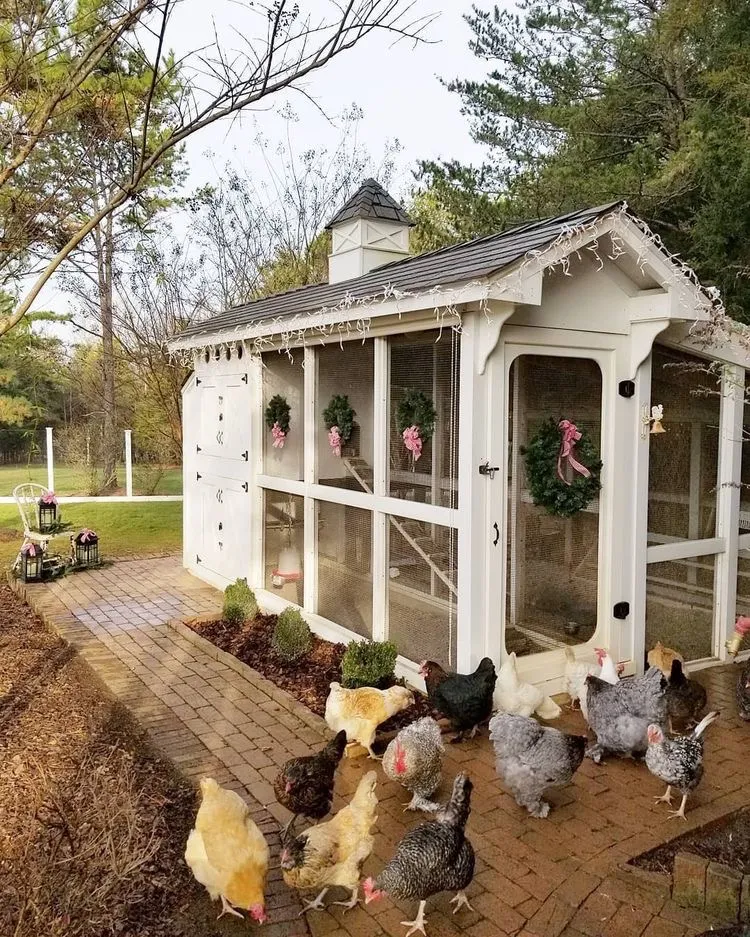
Building a cute chicken coop can be a rewarding project, offering a charming addition to your backyard while providing a safe and comfortable home for your feathered friends. This guide will walk you through every step of the process, from initial planning to the final touches, ensuring you create a coop that is both functional and aesthetically pleasing. Whether you’re a seasoned DIYer or a beginner, this comprehensive guide will equip you with the knowledge and confidence to build a cute chicken coop that you and your chickens will love.
Planning Your Cute Chicken Coop
Careful planning is the foundation of a successful chicken coop project. Before you even pick up a hammer, take the time to consider your specific needs and the environment where the coop will be located. This stage involves several crucial decisions that will influence the overall design, size, and functionality of your cute chicken coop. Failing to plan adequately can lead to costly mistakes and a coop that doesn’t meet the needs of your chickens or your space. Remember, a well-planned coop is a happy coop.
Determining Coop Size
The size of your chicken coop is crucial for the health and well-being of your flock. A general guideline is to provide at least 4 square feet of floor space per chicken inside the coop. This allows them enough room to move around comfortably, preventing overcrowding and reducing stress. Consider the number of chickens you plan to keep, and factor in potential growth. Overcrowding can lead to health problems, increased aggression, and reduced egg production. A larger coop also offers the advantage of easier cleaning and maintenance.
Considering Chicken Breed

Different chicken breeds have different space requirements and temperaments. Larger breeds, such as Orpingtons or Brahmas, need more space than smaller breeds like Bantams. Research the specific needs of the breeds you plan to keep. Some breeds are more prone to pecking each other if space is limited. Consider the climate in your area as well; some breeds are more cold-hardy than others, and the coop design may need to reflect this. Choosing the right breed will influence your coop design.
Evaluating Your Backyard Space
Assess your backyard for the best location for your cute chicken coop. Consider factors such as sunlight, shade, and protection from the wind. The coop should ideally receive some sunlight for warmth and ventilation, but also have access to shade during the hottest parts of the day. Ensure the location is relatively level and well-drained to prevent water from pooling. Check local zoning regulations and homeowners’ association rules regarding chicken keeping and coop placement. Also, think about proximity to your house for ease of access for cleaning and egg collection.
Choosing the Right Materials
The materials you choose for your cute chicken coop will affect its durability, appearance, and the health of your chickens. Opt for materials that are safe, non-toxic, and resistant to the elements. Consider the lifespan of the materials and how easily they can be maintained. Using high-quality materials from the beginning will save you time and money in the long run, as the coop will require less frequent repairs and replacements. Prioritize materials that are safe for chickens to be around.
Selecting Wood

Wood is a common choice for chicken coop construction due to its workability and aesthetic appeal. Choose rot-resistant wood such as cedar or redwood for the exterior. These woods naturally resist decay and insect infestation, which is important in a chicken coop environment. Pressure-treated lumber can also be used, particularly for the foundation, but make sure it’s safe for chickens, as some treatments contain chemicals that could be harmful. Avoid using wood that has been chemically treated with anything that could harm your chickens.
Choosing Hardware and Fasteners
Use rust-resistant hardware such as galvanized nails, screws, and hinges to prevent corrosion. Stainless steel fasteners are another excellent option, especially in areas exposed to the elements. Choose sturdy hinges and latches that will withstand the wear and tear of daily use and provide security against predators. Ensure all hardware is appropriate for the size and weight of the coop structure. Make sure that any exposed nail heads or screw heads are flush with the wood surface or countersunk to prevent injury to the chickens.
Building the Coop Foundation
A solid foundation is critical for the stability and longevity of your cute chicken coop. It provides a level base and protects the coop from ground moisture and pests. Depending on your location and soil conditions, you can choose from various foundation options, ranging from simple skids to concrete footings. The foundation is the first thing to build. This step is important for keeping pests out and providing a sturdy base.
Leveling the Ground

Before you start building the foundation, ensure the ground is level. Use a level and measuring tape to assess the area. Remove any rocks, roots, or debris that could interfere with the construction. If the ground isn’t level, you’ll need to excavate or add fill to create a flat surface. This will ensure your coop is stable and prevent water from pooling under the structure. A level base is essential for accurate construction and prevents the coop from shifting or settling unevenly over time.
Constructing the Frame
The frame provides the structural support for your cute chicken coop. It typically consists of a base, wall studs, and roof rafters. Build the frame using the dimensions outlined in your plans, ensuring all joints are square and securely fastened. Use a level and square to verify the accuracy of the frame as you build. Proper framing is essential for the coop’s structural integrity. Consider adding corner braces to provide extra support. Ensure all exposed edges are sanded smooth to prevent injuries to the chickens.
Building the Walls and Roof
Once the frame is complete, you can begin building the walls and roof. This is where the coop begins to take shape, providing protection from the elements and defining the overall design. Proper construction of the walls and roof is crucial for weather resistance, insulation, and the overall safety of the chickens. Consider how the walls and roof contribute to the overall aesthetic appeal of your cute chicken coop.
Wall Construction Techniques

There are several ways to construct the walls of your cute chicken coop. One common method is to sheathe the frame with plywood or oriented strand board (OSB), followed by siding or other exterior cladding. Consider using tongue-and-groove boards for a more rustic look. Ensure the sheathing is securely fastened to the frame, and leave small gaps for expansion and contraction. For added insulation, you can add insulation between the studs before attaching the sheathing. Be mindful of the local climate when choosing your materials and construction methods.
Roofing Options
The roof is a critical component of your cute chicken coop, protecting your chickens from rain, snow, and sun. There are many roofing options to choose from, including asphalt shingles, metal roofing, and wood shakes. Consider the aesthetic appeal, durability, and cost when making your choice. Ensure the roof has adequate overhang to prevent water from running down the walls. Proper installation of the roofing material is essential to prevent leaks. Make sure the roof is securely attached to the frame to withstand wind and weather.
Adding Doors, Windows, and Ventilation
Doors, windows, and ventilation are essential for the functionality and comfort of your cute chicken coop. They provide access for the chickens and for cleaning and maintenance, allow natural light and air circulation, and help regulate temperature. Carefully plan the placement and design of these features to ensure they meet the needs of your flock. These additions can significantly enhance the overall appeal of your coop while providing the necessary practical features.
Door Design and Placement

The door provides access to your cute chicken coop for both you and your chickens. The main door should be large enough for you to enter comfortably for cleaning and maintenance, while a smaller pop-hole door allows the chickens to come and go freely. Position the pop-hole door at a height that’s easy for the chickens to access, typically near the ground. Design the doors to be secure against predators. Use sturdy hinges, latches, and consider adding a slide bolt or hasp for added security. The doors should be easy to open and close.
Window Placement and Security
Windows provide natural light and ventilation for your cute chicken coop. Place windows strategically to maximize light and airflow. Windows are important for the chickens’ well-being, as sunlight helps regulate their sleep cycles and promotes egg production. Use wire mesh or hardware cloth over the windows to keep out predators. Make sure the windows are securely installed. Consider using shatter-resistant or tempered glass for added safety. Avoid placing windows where they can be easily broken.
Ventilation System and Design
Proper ventilation is critical for maintaining a healthy environment inside your cute chicken coop. Ventilation helps remove moisture, ammonia, and other odors that can lead to respiratory problems in chickens. Provide adequate ventilation by incorporating vents in the roof, walls, or both. The vents should be covered with wire mesh to prevent pests from entering. Design the ventilation system to allow for good airflow without creating drafts. Ensure there are no dead air spaces where moisture can accumulate. Proper ventilation is essential for the health of your chickens.
Designing the Interior

The interior design of your cute chicken coop is as important as the exterior. The layout and features inside the coop will impact the chickens’ comfort, safety, and egg-laying productivity. Consider their basic needs for roosting, nesting, and feeding. A well-designed interior will make the coop easier to clean and maintain. Create a functional and comfortable space for your chickens to thrive. Prioritize hygiene and ease of cleaning when making decisions about the interior design.
Building Nesting Boxes
Nesting boxes provide a safe and private place for your hens to lay their eggs. Provide one nesting box for every 3-4 hens. Nesting boxes should be easy to access and clean. Place them in a darkened and secluded area of the coop. Choose materials that are durable and easy to clean, such as wood or plastic. Line the nesting boxes with comfortable bedding, such as straw, wood shavings, or hay. Ensure the nesting boxes are the right size for your chickens to comfortably nest.
Installing Roosts
Roosts are essential for providing a place for your chickens to sleep and rest at night. Install roosts at a comfortable height, allowing enough space for the chickens to perch without overcrowding. Provide at least 8-12 inches of roosting space per chicken. Choose roosting bars made of smooth wood or other materials that are easy to clean. Place the roosts away from the nesting boxes to prevent droppings from contaminating the eggs. Ensure the roosts are securely attached to the frame.
Flooring Options
The flooring of your cute chicken coop should be easy to clean and maintain. Common flooring options include wood, concrete, and linoleum. Wood floors can be covered with bedding, such as wood shavings or straw. Concrete floors are durable and easy to clean but can be cold in the winter. Linoleum floors are easy to clean and provide a barrier against moisture. Consider the pros and cons of each option based on your climate and maintenance preferences. Ensure the flooring is safe for chickens and prevents pests from entering.
Adding Decorative Touches and Finishing
Once the structural elements of your cute chicken coop are complete, you can add decorative touches to enhance its aesthetic appeal. Finishing touches can make your coop a charming addition to your backyard. This is where you can express your creativity and personalize your coop. Choose colors, accents, and landscaping elements that complement your home and garden. Ensure the decorations are safe for chickens and won’t attract predators.
Painting and Finishing the Exterior
Painting and finishing the exterior of your cute chicken coop not only enhances its appearance but also protects the wood from the elements. Choose exterior-grade paint or stain that is safe for chickens. Consider using bright, cheerful colors to create a welcoming atmosphere. Apply multiple coats for maximum protection and durability. Before painting, sand the wood smooth and prime it to ensure the paint adheres properly. Add decorative trim and accents to enhance the visual appeal of the coop. Make sure the materials are non-toxic.
Landscaping Around the Coop
Landscaping around your cute chicken coop can further enhance its charm and create a beautiful backyard feature. Plant flowers, shrubs, and herbs around the coop to add color and texture. Consider planting chicken-friendly plants, such as lavender or mint, which can help deter pests. Create a small fenced-in run area for the chickens to roam. Ensure any plants used are not poisonous to chickens. Add a path or walkway for easy access to the coop. Landscaping will integrate the coop into your garden.
Ensuring Chicken Safety and Security
Protecting your chickens from predators is essential. A secure coop will keep your flock safe and healthy. Take preventative measures to deter predators. Consider the local predators in your area and design the coop to withstand their attacks. Regular inspections and maintenance are critical for maintaining a safe environment. Implement strategies to minimize the risk of predator attacks.
Predator-Proofing Your Coop
Predator-proofing your cute chicken coop is a priority. Bury hardware cloth or wire mesh at least 12 inches deep around the perimeter of the coop to prevent digging predators. Use heavy-duty latches and locks on all doors and windows. Ensure the coop is well-sealed to prevent predators from entering. Cover all openings with wire mesh. Consider using electric fencing around the coop for added protection. Inspect your coop regularly for signs of damage or weakness. Regularly monitor the coop to protect your chickens from harm.
Maintaining and Cleaning Your Coop
Regular maintenance and cleaning are essential for keeping your cute chicken coop in good condition and maintaining the health of your chickens. A clean coop will prevent the buildup of harmful bacteria and parasites. Consistent maintenance and cleaning will extend the life of your coop. Make cleaning a regular part of your chicken-keeping routine. Implement a cleaning schedule to maintain a clean and hygienic environment.
Building a cute chicken coop is a rewarding project that combines practicality with aesthetics. By following the steps outlined in this guide, you can create a beautiful and functional coop that will provide a safe and comfortable home for your chickens. Enjoy the process, and be proud of your creation. Happy building, and may your backyard be filled with the clucking of happy hens!