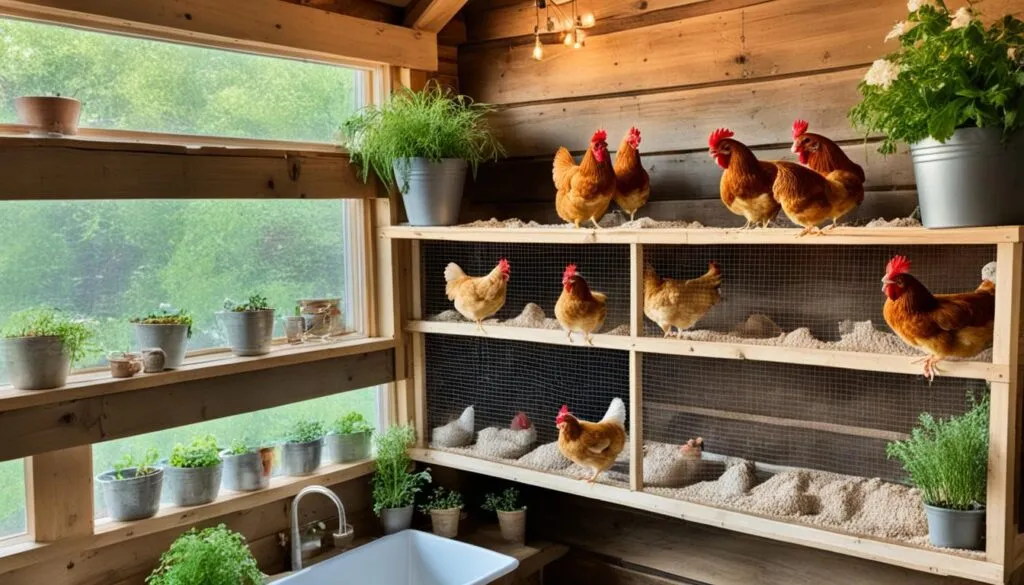
Chicken Coop Decorating Planning
Decorating your chicken coop is about more than just aesthetics it’s about creating a comfortable, safe, and enjoyable environment for your feathered friends. Before diving into paint colors and decorative accents, take some time to plan. Proper planning ensures that your decorating efforts are both beautiful and functional, addressing your chickens’ needs while reflecting your personal style. This initial phase sets the stage for a successful and rewarding coop transformation, resulting in a space your chickens will love and you’ll be proud to show off. Planning is key to a successful chicken coop decorating project, ensuring that the final result is both beautiful and functional. A well-planned coop provides a safe, comfortable, and aesthetically pleasing environment for your chickens while reflecting your personal style.
Assess Your Coop’s Needs
Begin by assessing your coop’s current state. Consider its size, the number of chickens it houses, and any existing structural issues. Are there drafts, leaks, or areas that need repair? Addressing these fundamental needs is paramount before you start decorating. Furthermore, evaluate the coop’s layout. Is it user-friendly for both you and your chickens? Does it provide adequate space for roosting, nesting, and foraging? Think about how you access the coop for cleaning and maintenance. A well-designed coop is easy to clean, providing access to all areas. Note any areas where improvements could be made to enhance functionality and ease of use. This initial assessment will inform your decorating choices, ensuring that the improvements are both practical and visually appealing.
Consider Your Chicken’s Comfort

Your chickens’ comfort should be at the forefront of your decorating decisions. Consider the environmental factors that affect their well-being. Ensure the coop is well-ventilated to prevent the buildup of ammonia, which can harm their respiratory systems. Provide ample shade in the summer and insulation in the winter to regulate the temperature. Furthermore, consider the placement of nesting boxes and roosting bars. Nesting boxes should be in a quiet, dark area, while roosting bars should be at a comfortable height and distance from each other. Ensure there is enough space for each chicken to roost comfortably. Consider the materials used for flooring and bedding. Soft, absorbent materials like straw or wood shavings provide comfort and help maintain a clean environment. Prioritizing your chickens’ comfort ensures they are happy and healthy, which in turn will make your coop a more enjoyable place to be.
Think About Practicality and Function
While aesthetics are important, the practicality of your coop is equally vital. Plan for easy cleaning and maintenance. Choose materials that are easy to wipe down and disinfect. Consider the placement of feeders and waterers to minimize waste and mess. Opt for designs that are easy to fill and clean. Think about the durability of the materials you choose. A chicken coop is exposed to the elements and the wear and tear of daily use, so select materials that can withstand these conditions. Think about the placement of doors and access points to simplify tasks like collecting eggs and cleaning the coop. Design choices should enhance functionality and make coop maintenance manageable. Prioritizing practicality ensures that your decorated coop is a joy to own, requiring minimal effort to maintain and providing a healthy environment for your chickens.
Choosing the Right Materials
Selecting the appropriate materials is crucial for both the aesthetics and functionality of your decorated chicken coop. Choose materials that are safe for chickens, durable, and easy to clean. Consider the environmental impact of your choices and select sustainable options when possible. The right materials will enhance the look of your coop and ensure it remains a comfortable and safe home for your flock, while also being easy to maintain over time. Durability, safety, and ease of cleaning should be the primary considerations when selecting materials for your chicken coop. Think about how each material will wear over time and how easily it can be cleaned and maintained.
Paint and Coatings for Coop

When painting your chicken coop, opt for exterior-grade, non-toxic paints and coatings. These are designed to withstand the elements and protect the wood from moisture and weathering. Look for paints specifically labeled as safe for animal habitats. Consider using a primer to ensure the paint adheres well and provides a smooth finish. Choose colors that complement your yard and reflect your personal style, but be mindful of how light and dark colors will affect the coop’s internal temperature. Light colors reflect heat, making the coop cooler in the summer, while darker colors absorb heat. Ensure the paint is lead-free and has low VOC (volatile organic compounds) to protect the health of your chickens. Consider the finish of your paint. Semi-gloss or gloss finishes are easier to clean than flat finishes, making coop maintenance easier.
Flooring and Bedding Choices
The flooring and bedding you choose impact the comfort and hygiene of your chicken coop. Solid flooring, such as wood or concrete, is easy to clean and maintain. However, it requires bedding to provide cushioning and absorb moisture. Bedding options include straw, wood shavings, and shredded paper. Straw provides excellent insulation and is relatively inexpensive, but it can attract mites if not maintained properly. Wood shavings are absorbent and easy to clean, but be sure to use untreated wood shavings to avoid harming your chickens. Shredded paper is a sustainable option, but it may require more frequent changes. Regardless of the material you choose, regular cleaning and replacement of bedding is essential to maintain a healthy environment. Consider the absorbency and ease of cleaning when selecting the best bedding for your chicken coop.
Essential Decorating Supplies
Gather all the necessary supplies before starting your decorating project. This includes paint, brushes, rollers, drop cloths, and any decorative elements you plan to use. Make sure you have the right tools for the job, such as a hammer, saw, and drill. Other essential supplies include safety equipment like gloves, eye protection, and a respirator. Ensure you have appropriate cleaning supplies, such as a broom, shovel, and disinfectant. Having all the necessary supplies on hand will streamline your decorating process and prevent delays. It’s a good idea to create a checklist of the items you need to ensure nothing is missed. Preparing the coop includes cleaning the coop thoroughly before starting any decorating. Remove old bedding, clean any debris, and allow the coop to dry completely before applying any paints or coatings.
Decorating Styles and Themes

Your chicken coop can reflect your personal style and the overall aesthetic of your backyard. Whether you prefer a classic, modern, or whimsical look, there are many ways to incorporate your style into the coop’s design. Consider the architectural style of your home and the surrounding landscape when selecting a theme. This will create a cohesive and visually appealing outdoor space. From rustic farmhouse to modern minimalist, the design of your chicken coop can be tailored to complement your existing home décor or create a unique focal point in your yard. Choose a theme that you enjoy and that suits your chickens’ needs.
Rustic Farmhouse
The rustic farmhouse theme is a classic choice that evokes a sense of warmth and charm. To achieve this look, use natural materials like wood, reclaimed barn wood, and galvanized metal. Paint the coop in neutral colors, such as white, cream, or light gray, and add accents of black or red. Incorporate vintage elements like old signs, enamelware, or antique lighting fixtures. Use weathered wood for the coop’s exterior and consider adding a porch or a small picket fence. Add a touch of greenery with potted herbs or flowers. The rustic farmhouse style creates a cozy and inviting space that reflects a traditional, countryside aesthetic. It’s a charming option that’s sure to complement any backyard setting.
Modern Minimalist
For a modern minimalist aesthetic, embrace clean lines, simple shapes, and a limited color palette. Opt for sleek materials like smooth wood, metal, and concrete. Paint the coop in a neutral color like white, gray, or black. Use minimalist decor elements such as geometric shapes, clean-lined planters, and simple accessories. Keep the design uncluttered and functional, focusing on the essential elements. Consider using natural wood accents to add warmth and texture. Integrate the coop seamlessly into your yard’s design by choosing materials and colors that complement the surrounding landscape. The modern minimalist theme creates a stylish, functional, and easily maintained coop.
Themed Decor

You can choose a theme that reflects your personality or celebrates a particular interest. Theme options range from a whimsical fairy tale design to a patriotic American theme. Add themed accessories such as decorative signs, themed paint colors, and themed decorations, such as painted chickens or cartoon characters. Incorporate themed elements in the nesting boxes, feeders, and waterers. Themed coops add a fun and unique element to your backyard. They provide a great opportunity to express your creativity. Remember to keep the theme age-appropriate, ensuring that it’s safe and enjoyable for your chickens.
Adding Decorative Elements
Decorative elements can transform a functional chicken coop into a stylish backyard feature. These enhancements are not only visually appealing but can also provide added comfort and functionality for your chickens. From adding artwork and personalized touches, it’s easy to inject style and personality into the coop. Careful selection of accessories and embellishments adds charm and character to your coop, making it a delightful space for your hens and a pleasing addition to your yard. Decorative elements create a more inviting and enjoyable atmosphere for both you and your chickens.
Wall Art and Murals
Adding wall art or a mural can instantly transform the look of your coop. Consider painting a mural on the exterior wall featuring chickens, farm scenes, or other rustic elements. Use weather-resistant paints and ensure the artwork is safe for your chickens. Alternatively, you can hang framed artwork, such as vintage-style signs or portraits of chickens, on the interior or exterior walls. Choose art that complements the overall style of your coop and reflects your personal taste. Wall art and murals add personality and visual interest to the coop, making it a more attractive and enjoyable space for both you and your hens. Consider using stencils or freehand painting to create unique and personalized artwork for your coop walls.
Lighting and Accessories

Lighting and accessories can enhance the functionality and aesthetics of your chicken coop. Install solar-powered or battery-operated lights to illuminate the interior and exterior of the coop. Choose fixtures that are safe and durable, and that complement your chosen decorating style. You can also add decorative accessories like wind chimes, birdhouses, or garden ornaments around the coop. Select accessories that are weather-resistant and safe for chickens. Add practical accessories like a small weather station to monitor the temperature and humidity inside the coop. Lighting and accessories help create a more inviting and functional space, while also adding visual interest and personality to your coop. Ensure your accessories are safe and suitable for a chicken environment.
Plants and Greenery
Incorporating plants and greenery can bring a touch of nature and vibrancy to your chicken coop. Plant herbs like lavender, mint, and rosemary, which are known for their pest-repelling properties and pleasant aromas. You can plant these herbs in pots around the coop, or incorporate them into hanging baskets. Additionally, consider planting a small garden near the coop where your chickens can forage. Make sure to choose plants that are safe for chickens and will thrive in your local climate. Use planters and hanging baskets to add color and texture to the coop’s exterior. Plants and greenery provide aesthetic appeal and improve the well-being of your chickens. Ensure your plant choices are safe for your chickens and can thrive in their environment.
Enhancing Functionality with Style
Combining style and function in your chicken coop ensures it is both aesthetically pleasing and practical for your chickens. Thoughtful integration of design elements creates a space that enhances both the well-being of your hens and the ease of coop maintenance. Prioritizing this integration will result in a stylish and efficient coop that makes backyard chicken keeping a joy. Incorporating stylish elements that also improve the functionality of the coop is key to creating a practical and attractive space.
Nesting Box Makeovers

Nesting boxes are essential for your chickens, and you can enhance their functionality and style. Paint the nesting boxes with non-toxic paint, coordinating the color with your coop’s overall design. Add comfortable bedding such as straw or wood shavings to encourage your hens to use the boxes. You can also add decorative touches like curtains, stencils, or labels to personalize the nesting boxes. Consider the size and placement of the nesting boxes, ensuring that they are in a quiet, dark area, away from drafts. Comfortable, well-designed nesting boxes will encourage your hens to lay eggs in a clean and safe environment. Ensure the nesting boxes are easy to clean and maintain.
Feeder and Waterer Decor
Make your feeders and waterers more attractive while maintaining their practicality. Paint or decorate feeders and waterers with food-safe paint. Consider using decorative containers or adding labels for easy identification. Designate specific feeding areas that are easy to clean and maintain. Place feeders and waterers in convenient locations that provide easy access for your chickens. Make sure your feeding and watering stations are easy to clean and are designed to minimize mess and waste. Thoughtful selection of feeders and waterers not only contributes to the visual appeal of the coop but also enhances the overall functionality and hygiene of the space.
Creating a Safe and Secure Coop
Safety and security are paramount when decorating a chicken coop. Prioritizing these elements ensures that your chickens are protected from predators and the elements. Focus on improving security features to make your coop a safe haven for your flock, contributing to their health and happiness. Creating a secure and safe environment is crucial to your chickens’ health and survival. The right decorating choices can enhance safety while maintaining the overall aesthetics of the coop.
Ventilation and Airflow
Proper ventilation is essential for maintaining a healthy environment in your chicken coop. Ensure the coop has adequate ventilation to prevent the build-up of ammonia and moisture. Add vents, windows, and other openings that allow for good airflow. Position vents in a way that prevents drafts while still allowing for fresh air circulation. Proper airflow helps regulate the temperature and prevents the growth of mold and mildew. Enhance ventilation by adding a fan. Prioritizing ventilation promotes the health and well-being of your chickens, ensuring a comfortable and safe environment.
Predator-Proofing
Predator-proofing your chicken coop is crucial to protect your flock from harm. Use sturdy materials, such as hardware cloth, to construct the coop. Bury the hardware cloth at least 12 inches underground to prevent digging predators from entering. Secure all doors and windows with strong latches. Consider adding a predator apron around the perimeter of the coop to deter digging predators. Regularly inspect the coop for any signs of damage or potential entry points. Predator-proofing is vital for ensuring the safety and well-being of your chickens. Investing time and effort in predator-proofing measures provides peace of mind.
Seasonal Decorating Ideas
Adding seasonal decorations adds a touch of festivity and personality to your chicken coop. From springtime blooms to holiday lights, there are many ways to create an environment that reflects the current season. Be sure to use decorations that are safe for your chickens and can withstand the elements. Seasonal decorations create a more enjoyable and visually appealing space, making your coop a reflection of the changing times. Adapting your coop’s décor to the seasons can enhance your backyard’s overall aesthetic.
Springtime Coop Refresh
Springtime is a great time to refresh your chicken coop with vibrant colors and fresh accents. Add bright flowers, such as petunias or pansies, in planters around the coop. Paint the coop in pastel colors or add a fresh coat of paint in a brighter hue. Add spring-themed decorations like painted eggs, bunnies, or chicks. Clean and replace the bedding, and ensure the coop is well-ventilated to promote healthy living conditions. Spring is a time to celebrate new life and growth, making it an ideal time to rejuvenate your coop’s appearance. Create a lively and welcoming environment for your chickens and add a touch of springtime cheer to your backyard.
Holiday Decorations
Adding holiday decorations is a fun way to celebrate throughout the year. Decorate your coop for Christmas, Halloween, Easter, or other special occasions. Use weather-resistant decorations, such as lights, garlands, and banners. Ensure that all decorations are safe for chickens and do not pose a risk. Consider adding themed decorations, such as pumpkins for Halloween or a Christmas tree for the holidays. Use lights and decorations to create a festive atmosphere that adds a touch of cheer to your backyard. Holiday decorations add a playful and unique element to your coop, making it a focal point during special times of the year.
Maintaining and Updating Your Coop
Maintaining and updating your chicken coop ensures its longevity and keeps it looking its best. Regular maintenance, including cleaning, repairs, and updates, maintains a healthy and aesthetically pleasing environment for your chickens. Performing routine tasks and incorporating updates as needed preserves the coop’s beauty and functionality. This ongoing effort keeps the coop in prime condition. Regular maintenance preserves your coop’s appearance and ensures it remains a comfortable and safe home for your chickens.
Cleaning and Maintenance Routine
Establish a regular cleaning and maintenance routine to keep your chicken coop in top condition. Remove old bedding, and clean the coop’s interior at least once a week, or more frequently if needed. Clean the feeders and waterers regularly to prevent the growth of bacteria. Inspect the coop for any signs of damage or wear and tear and make necessary repairs promptly. Ensure proper ventilation and airflow, and monitor the temperature and humidity inside the coop. Following a consistent cleaning and maintenance schedule protects the health of your chickens, improves their living conditions, and extends the lifespan of your coop. Regular maintenance ensures a clean, healthy, and safe environment for your chickens.
Updating Decor Over Time
Over time, you may want to update your coop’s decor to keep it fresh and visually appealing. Change up the paint colors, add new accessories, or try a different decorating theme. Incorporate new materials or upgrade existing features to improve functionality. As your chickens’ needs change, you can adapt the coop’s design accordingly. Consider adding new features or making changes to improve the functionality of your coop. Updating the coop regularly keeps it visually appealing and tailored to your chickens’ needs. Keeping your coop updated ensures it continues to meet your chickens’ needs and reflects your personal style.