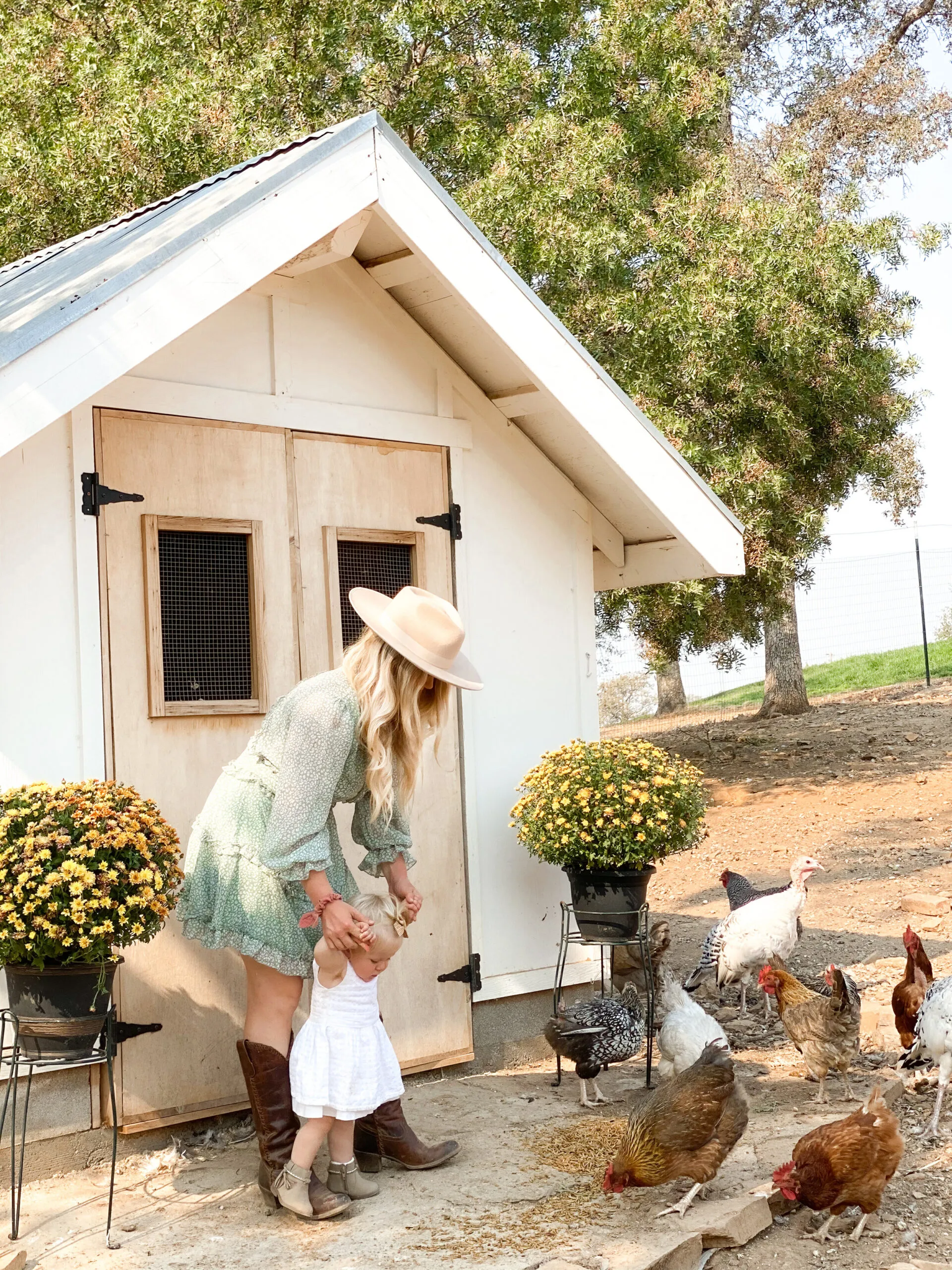
Decorating a chicken coop is more than just an aesthetic endeavor; it’s about creating a healthy, happy, and visually appealing environment for your feathered friends. A well-designed coop not only enhances the beauty of your backyard but also contributes to the well-being of your chickens. This easy guide provides a step-by-step approach to transforming your chicken coop into a stylish and functional space. From planning and material selection to implementation and maintenance, we’ll cover everything you need to know to create a coop that’s both chic and chicken-friendly.
Planning Your Chicken Coop Decorating Project
Before you start, a well-thought-out plan is essential. This stage helps you avoid costly mistakes and ensures the project runs smoothly. Consider the size and existing structure of your coop, the number of chickens you have, and any specific needs they might have. Think about the amount of time and budget you want to allocate to the project. Proper planning sets the foundation for a successful and enjoyable decorating experience. Good planning takes the hassle out of the process.
Assessing Your Chicken Coop
Start by assessing the current state of your coop. This helps you understand what needs improvement and what you can work with. Check for any structural issues like rot, damage, or areas needing repair. This is also a good time to inspect the coop for pests or any potential hazards to your chickens. This assessment will inform your decisions about materials, colors, and decor.
Evaluate the Current State
Thoroughly inspect the coop for any existing problems. Look for signs of wear and tear, such as peeling paint, damaged wood, or loose hardware. Check the roof, walls, and floor for any leaks or drafts, which can affect the chickens’ health. Additionally, assess the ventilation system to ensure proper airflow. Finally, note any areas that might require cleaning or sanitation before beginning your decorating project. These observations are crucial for creating a coop that is both attractive and safe.
Identify Style and Theme
Decide on a style or theme for your coop. This could range from rustic and farmhouse to modern or whimsical. Your theme will influence your choice of colors, materials, and decorative elements. Pinterest and other online platforms are excellent resources for inspiration. Consider how your chosen style complements your backyard and the overall aesthetic of your home. Having a clear theme will help you make consistent decorating choices.
Consider Your Chickens’ Needs
Remember, your chickens’ needs should always be a priority. Ensure the design provides adequate space, ventilation, and protection from the elements. Consider the climate in your area and choose materials that can withstand those conditions. Ensure that your decorating choices do not compromise the chickens’ health or safety. It’s essential to find a balance between aesthetics and functionality to create a coop that’s both beautiful and practical for your flock.
Choosing the Right Materials

The materials you choose are critical to the success and longevity of your coop makeover. Prioritize safety, durability, and the well-being of your chickens. Select materials that are non-toxic, easy to clean, and resistant to the elements. Proper material selection will not only enhance the coop’s appearance but also ensure it remains a healthy and comfortable environment for your chickens for years to come.
Safe and Non-Toxic Paints
When painting your coop, opt for non-toxic, water-based paints specifically designed for outdoor use. These paints are safer for your chickens if they happen to peck at the surfaces. Consider using paints with low or zero VOCs (Volatile Organic Compounds) to minimize harmful fumes. Choose colors that blend well with your theme and complement the surrounding environment. Proper paint selection will not only add to the aesthetics but also ensure the safety of your chickens.
Durable and Weatherproof Materials
Select materials that can withstand the elements. Use pressure-treated lumber for the coop’s structure to prevent rot and decay. Choose roofing materials that provide excellent weather protection. Ensure any hardware, such as screws and hinges, is rust-resistant. Consider using materials like vinyl siding or composite decking for their low-maintenance and weather-resistant qualities. Durability is key for a long-lasting and practical coop.
Decorative Elements

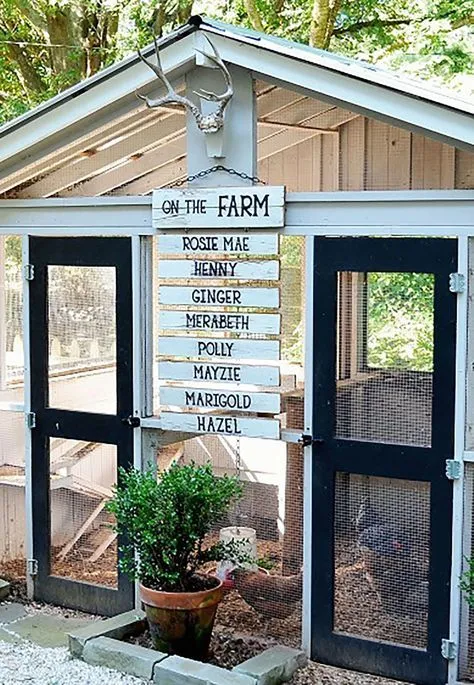
Add decorative elements to personalize your coop. This can include weather-resistant artwork, charming signs, or decorative trim. However, ensure that all decorations are safe and do not pose a hazard to your chickens. Avoid small parts that could be ingested. Consider adding functional decor, such as decorative feeders or waterers. Choose elements that match your chosen theme to create a cohesive and inviting look.
Implementing Your Decorating Plan
Now comes the fun part: bringing your plan to life. Preparation is key to ensuring a successful and enjoyable decorating process. Whether you’re painting, adding decorative touches, or organizing the interior, focus on creating a space that reflects your style while prioritizing your chickens’ comfort and safety. This stage allows you to transform your vision into a tangible reality.
Cleaning and Preparing the Coop
Before beginning any decorating work, thoroughly clean the coop. Remove any old bedding, droppings, and debris. Scrub the surfaces with a coop-safe cleaner to remove dirt, grime, and any potential contaminants. Allow the coop to dry completely before proceeding with any painting or other decorative additions. Proper preparation ensures that your decorating efforts will be more effective and long-lasting.
Painting and Surface Treatments

Apply paint or other surface treatments. If you’re painting, apply a primer before your chosen topcoat for better adhesion and durability. Ensure that the paint is fully dry before allowing the chickens back into the coop. You can also consider adding a protective sealant to painted surfaces to enhance their weather resistance. Proper painting and surface treatments will not only enhance the appearance of your coop but also protect the materials from the elements.
Adding Decorative Elements
Once the painting is complete, it’s time to add your decorative elements. Hang artwork, place signs, or install decorative trim. Ensure everything is securely fastened. When adding any decorative items, make sure they are not harmful to your chickens. Ensure that all items are non-toxic. Adding these elements will personalize your coop and bring your decorating vision to life, giving your chickens a unique and stylish home.
Creating a Comfortable Environment
A comfortable environment is crucial for your chickens’ well-being. Focus on creating a space that is both functional and inviting. This involves providing adequate roosting areas, comfortable nesting boxes, and proper ventilation and sunlight. These elements are essential for promoting the health, happiness, and productivity of your flock.
Perches and Roosts

Provide comfortable perches and roosts for your chickens to sleep on. Ensure the perches are the correct diameter for your chicken’s feet, usually around 2-4 inches. Position the perches at varying heights to allow your chickens to choose their preferred sleeping spots. Ensure that the roosts are securely attached and free of splinters or sharp edges. Proper roosting arrangements help your chickens rest comfortably and avoid foot problems.
Nesting Boxes and Bedding
Provide clean and comfortable nesting boxes. Line the boxes with soft, absorbent bedding such as straw, wood shavings, or hay. Keep the nesting boxes clean and regularly replace the bedding to maintain hygiene. Ensure that the nesting boxes are in a secluded and dimly lit area to encourage egg-laying. Creating comfortable nesting areas encourages your chickens to lay eggs and improves their overall well-being.
Ventilation and Sunlight
Ensure that your coop has adequate ventilation to prevent the buildup of ammonia and moisture, which can lead to respiratory problems. Install vents high up in the walls or roof to allow air circulation. Provide access to natural sunlight, as it is essential for the chickens’ health and egg production. Proper ventilation and sunlight help maintain a healthy environment inside the coop, keeping your chickens happy and healthy.
Finishing Touches and Maintenance

Once your decorating project is complete, remember that ongoing maintenance is necessary to keep your coop looking its best and to ensure the health of your chickens. Regular cleaning, upkeep, and seasonal adjustments will help maintain a comfortable, attractive, and healthy environment. These steps are key to the long-term success of your decorating efforts and to ensuring your chickens’ happiness and well-being.
Regular Cleaning and Upkeep
Establish a regular cleaning schedule for your coop. Remove droppings daily and completely clean the coop at least once a week. Wash down surfaces with a coop-safe cleaner and allow them to dry thoroughly. Regularly inspect the coop for any signs of damage or wear and make repairs as needed. Proper maintenance will extend the life of your coop and maintain a healthy environment for your chickens.
Seasonal Decorating Ideas
Consider seasonal decorating ideas to keep your coop fresh and engaging. Add festive decorations during holidays, such as Easter or Christmas. Change bedding materials according to the season, using cooler bedding in the summer and warmer bedding in the winter. You can also add seasonal plants or herbs that are safe for chickens, providing both visual interest and potential health benefits. Seasonal touches keep the coop inviting year-round.
Decorating your chicken coop is a rewarding project that combines creativity, practicality, and care for your feathered friends. By following these steps, you can transform your coop into a beautiful, functional, and comfortable home for your chickens. Enjoy the process, and take pride in creating a space that enhances both your backyard and the well-being of your flock. Happy decorating!