What is a Defender Chicken Coop?
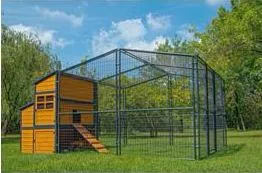
The Defender Chicken Coop, often associated with the brand Producers Pride, is a popular choice for backyard chicken enthusiasts. Designed to provide a safe, secure, and comfortable living space for your flock, it offers a blend of functionality, durability, and ease of use. These coops typically come in various sizes, accommodating different numbers of chickens, and are crafted with predator protection in mind. They are designed to withstand various weather conditions, making them a reliable choice for chicken owners. When considering a chicken coop, the Defender model stands out for its thoughtful design, which prioritizes both the well-being of the chickens and the convenience of the owner. Choosing the right coop is the first step towards raising healthy and happy chickens.
Defender Chicken Coop Features & Benefits
Defender Chicken Coops are packed with features that enhance the safety and comfort of your chickens. A key benefit is their robust predator protection, which often includes features like secure latches, strong wire mesh, and enclosed runs. Ventilation is another essential feature, ensuring fresh air circulation to prevent respiratory issues and keep the coop smelling fresh. Many models include easily accessible cleaning features, such as removable trays or hinged roofs, simplifying coop maintenance. The use of durable, weather-resistant materials ensures the coop can withstand the elements, offering long-term value. Benefits extend beyond just the chickens; the user-friendly design makes it easier for owners to manage their flock, providing peace of mind knowing the chickens are well-protected.
Size and Space Requirements for a Defender Chicken Coop

Determining the correct size for your Defender Chicken Coop depends on the number of chickens you plan to keep. A general guideline is to provide at least 4 square feet of space per chicken inside the coop and 8-10 square feet per chicken in the run. Overcrowding can lead to stress, disease, and behavioral problems among your flock. Consider the breed of your chickens, as larger breeds will require more space. Also, think about the climate in your area; if you live in a cold climate, your chickens will spend more time inside, requiring more indoor space. Always choose a coop size that allows for comfortable movement, access to food and water, and adequate roosting space for each chicken. Careful planning ensures the chickens’ well-being and contributes to a healthier, more productive flock.
Selecting the Right Location for Your Coop
The location of your Defender Chicken Coop is as important as the coop itself. Choose a spot that is level, well-drained, and sheltered from harsh weather conditions such as strong winds and direct sunlight. Ensure the location receives a mix of sun and shade to regulate the coop’s temperature throughout the day. Proximity to your home is also a consideration, allowing for easy monitoring and daily care. Avoid placing the coop in low-lying areas where water can accumulate, and be mindful of potential predator access. Consider local zoning regulations and homeowner association rules before settling on a location. Finally, think about accessibility for cleaning and maintenance, making sure you can easily reach the coop to perform necessary tasks. A well-chosen location is key to ensuring the coop’s longevity and the chickens’ comfort.
Assembling Your Defender Chicken Coop
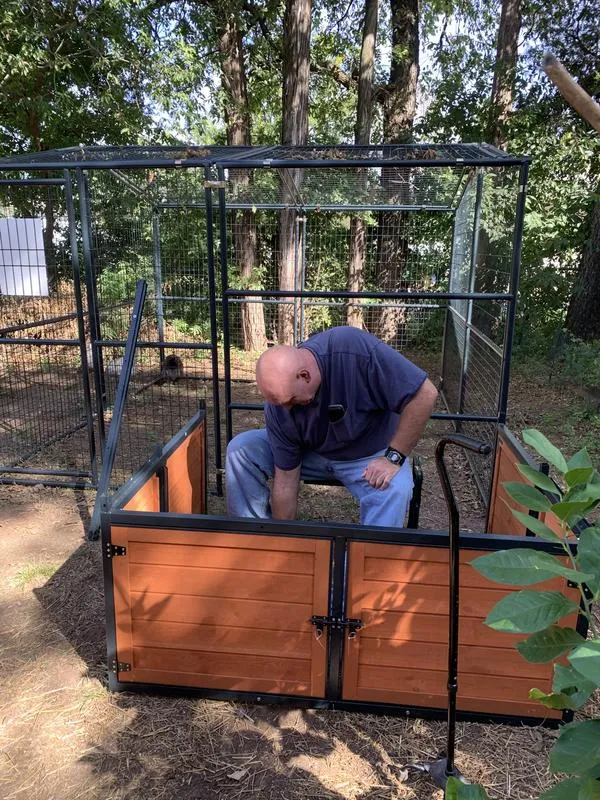
Assembling your Defender Chicken Coop can be a rewarding experience, even if it seems daunting at first. Begin by carefully reading the manufacturer’s instructions, and gather all necessary tools before you start. Typically, you’ll begin with the base, followed by the walls, roof, and then the accessories like the run. It’s best to have a helper, especially when lifting and positioning larger components. Ensure all parts are securely connected according to the instructions, checking for any gaps or weaknesses that predators could exploit. Take your time and double-check each step. If you find any parts are damaged or missing, contact the manufacturer immediately. Patience and attention to detail will ensure a sturdy and secure coop that will protect your chickens. Many Defender Chicken Coops are designed for straightforward assembly, making the process more manageable.
Preparing the Coop Site
Before assembling your Defender Chicken Coop, prepare the site to create a stable and secure foundation. Clear the area of any rocks, weeds, or debris, leveling the ground if necessary. Consider adding a layer of gravel or paving stones to improve drainage and prevent the coop from sinking into the ground. Treating the area with a pest repellent can also help deter unwanted visitors. If you plan to bury hardware cloth around the perimeter to deter digging predators, now is the time to do it. Make sure the site is accessible for cleaning and maintenance. Proper site preparation is an essential first step that contributes to the longevity and security of your chicken coop, providing a solid base for years of use.
Building the Coop Base
The base of your Defender Chicken Coop is the foundation for the entire structure, so it must be solid and level. Start by assembling the base frame, ensuring all corners are square and all connections are secure. For wooden coops, treat the base with a weather-resistant sealant to protect it from moisture. Some coops come with a pre-built base, while others require you to build one from scratch using the included materials. If the coop sits directly on the ground, consider adding a layer of hardware cloth to the bottom to prevent digging predators. Ensure the base is securely attached to the prepared site, creating a stable platform upon which to build the rest of the coop. A well-constructed base is crucial for the coop’s durability and security, protecting your chickens from ground-level threats and keeping them safe.
Constructing the Coop Walls
Once the base is secure, you can start constructing the walls of your Defender Chicken Coop. Follow the manufacturer’s instructions closely, ensuring that all panels are properly aligned and securely fastened. Pay attention to any pre-drilled holes and use the appropriate screws or fasteners. As you build, periodically check for squareness to ensure the walls are plumb. If your coop includes windows or ventilation openings, make sure these are installed correctly and securely. For added protection, consider reinforcing the walls with extra screws or adding a layer of predator-resistant mesh. Proper wall construction is critical for the coop’s structural integrity, providing protection from the elements and potential predators. A well-built coop wall ensures the safety and security of your chickens.
Adding the Roof and Ventilation

The roof and ventilation systems are essential components of your Defender Chicken Coop, protecting your chickens from the weather and ensuring proper airflow. Attach the roof panels securely to the walls, ensuring they overlap correctly to prevent leaks. Consider adding roofing material that is both durable and weather-resistant, such as asphalt shingles or metal sheeting. Proper ventilation is vital for removing moisture, odors, and heat from the coop. Install vents in the roof and walls, ensuring they are protected by mesh to prevent pests from entering. Make sure the ventilation system allows for adequate airflow without creating drafts that could chill your chickens. A well-designed roof and ventilation system is critical for the chickens’ health and the longevity of the coop, ensuring they stay comfortable and protected.
Installing the Chicken Run
The chicken run is an important part of a Defender Chicken Coop, providing a safe, enclosed space for your chickens to roam outdoors. Attach the run securely to the coop, ensuring that it is predator-proof. This often involves using sturdy wire mesh, buried at least several inches underground to prevent digging predators. Consider adding a roof to the run to protect your chickens from aerial predators and the elements. Ensure the run provides adequate space for your chickens to move around comfortably. Incorporate features like shade, dust bathing areas, and perches within the run to enrich the chickens’ environment. A well-designed chicken run provides additional security and contributes to the overall well-being of your flock.
Equipping Your Defender Chicken Coop
Once the basic structure of your Defender Chicken Coop is complete, it’s time to equip it with essential features. First, choose appropriate bedding material for the coop floor; options include straw, wood shavings, or sand, ensuring it is absorbent and easy to clean. Install nesting boxes in a quiet, secluded area of the coop, making them comfortable and accessible for egg-laying. Provide food and water containers, placing them in locations that are easy to access and clean. Include roosts or perches at varying heights so your chickens can comfortably roost at night. Consider adding a coop thermometer and humidity monitor to help maintain optimal environmental conditions within the coop. Thoughtfully equipping your coop ensures the health and happiness of your chickens.
Choosing the Right Bedding

Selecting the right bedding material is important for maintaining a clean and healthy environment within your Defender Chicken Coop. Options include straw, wood shavings, and sand. Straw offers good insulation but can harbor mites, while wood shavings are absorbent and readily available. Sand is a natural option that allows for easy cleaning and also helps with dust bathing. Consider the climate, your budget, and the ease of cleaning when choosing your bedding. Change the bedding regularly to prevent the buildup of ammonia and to control odors. Proper bedding management is essential for maintaining the health and hygiene of your chickens. Selecting the right bedding is also part of odor control.
Providing Food and Water
Providing access to fresh food and water is crucial for the health and productivity of your chickens. Choose feeders and waterers that are the appropriate size and design for your flock. Consider feeders that minimize spillage and waterers that prevent contamination. Place food and water containers in accessible locations within the coop and run, ensuring that all chickens can reach them easily. Check and refill feeders and waterers daily, keeping the food and water clean and fresh. Regularly clean the containers to prevent the build-up of bacteria and mold. Providing clean, accessible food and water is an essential part of chicken care, contributing to the overall well-being and productivity of your flock.
Adding Roosts and Nesting Boxes
Adding roosts and nesting boxes to your Defender Chicken Coop provides your chickens with comfortable places to sleep and lay eggs. Install roosts at varying heights, allowing your chickens to choose their preferred spot. Ensure that roosts are sturdy and provide enough space for each chicken. Nesting boxes should be placed in a secluded area, making them comfortable and safe for egg-laying. Line the nesting boxes with soft, clean bedding to encourage hens to use them. Provide one nesting box for every 3-4 hens. Regularly check the nesting boxes and roosts for cleanliness, removing droppings and replacing soiled bedding. Providing appropriate roosts and nesting boxes is important for the health and comfort of your chickens.
Maintaining Your Defender Chicken Coop

Regular maintenance is essential for keeping your Defender Chicken Coop in good condition and ensuring the health of your chickens. Develop a cleaning schedule that includes daily, weekly, and monthly tasks. These tasks should include removing droppings, replacing bedding, and cleaning feeders and waterers. Inspect the coop regularly for any signs of damage, such as cracks or loose parts, and make repairs promptly. Perform a thorough cleaning of the coop at least once a month, removing all bedding and disinfecting the interior. Maintain the surrounding area by removing weeds and debris. Regular maintenance not only keeps the coop clean and tidy but also helps prevent infestations and illnesses, ensuring a healthy environment for your flock.
Cleaning and Sanitation
Proper cleaning and sanitation are vital for maintaining a healthy environment within your Defender Chicken Coop. Daily, remove droppings from the coop and run. Weekly, replace soiled bedding and clean feeders and waterers. Monthly, perform a deep cleaning of the entire coop, removing all bedding and thoroughly disinfecting the interior. Use a poultry-safe disinfectant to kill bacteria and prevent the spread of disease. Pay close attention to areas where chickens spend a lot of time, such as roosts and nesting boxes. Allow the coop to dry completely after cleaning before replacing bedding and returning your chickens. Regular cleaning and sanitation minimize the risk of disease and ensure a hygienic environment for your chickens.
Protecting Against Predators
Protecting your chickens from predators is one of the most important aspects of chicken coop management. Inspect your Defender Chicken Coop regularly for any vulnerabilities. Ensure that all latches, doors, and windows are secure, and that the run is protected by sturdy wire mesh, buried at least several inches underground. Consider adding additional security measures, such as hardware cloth over all openings, and automatic door openers. Remove any potential hiding places around the coop, such as tall grass or brush. Be vigilant and aware of the local predators in your area, and adjust your security measures accordingly. Predator protection is crucial for the safety and well-being of your chickens.
Regular Inspections and Maintenance

Regular inspections and maintenance are essential for ensuring the longevity and functionality of your Defender Chicken Coop. Inspect the coop weekly for any signs of damage, such as cracks, loose screws, or wear and tear on the materials. Check the roof for leaks and the run for any breaches. Perform routine maintenance tasks, such as lubricating hinges and latches, and tightening any loose parts. Clean out the coop regularly, and replace soiled bedding to maintain hygiene. Be prepared to make repairs promptly to address any issues before they escalate. Regular inspections and maintenance will help ensure that your Defender Chicken Coop remains a safe and comfortable home for your chickens.
Troubleshooting Common Issues
Even with a well-built Defender Chicken Coop, you may encounter some common issues. If you notice a bad odor, it’s a sign that you need to clean the coop more frequently or improve ventilation. If your chickens are not laying eggs, it could be due to stress, poor nutrition, or insufficient nesting boxes. Pests can be another issue; address them promptly by using appropriate pest control methods. If the coop is too hot or too cold, consider improving ventilation or adding insulation. Troubleshoot these issues quickly to prevent negative impacts on the well-being of your chickens. Address issues proactively and implement preventive measures to ensure a healthy and comfortable environment.
Dealing with Chicken Coop Odor
Dealing with chicken coop odor is a common challenge for backyard chicken owners. The primary cause of odor is ammonia, produced by the breakdown of chicken droppings. To control odor, clean the coop frequently, removing droppings and replacing bedding regularly. Ensure that the coop has adequate ventilation to remove moisture and stale air. Use absorbent bedding materials, such as wood shavings or sand, that help to absorb moisture and reduce odor. Consider adding a coop deodorizer to the bedding to further control odors. Proper ventilation and regular cleaning are your best defenses against unpleasant odors, making your chicken-keeping experience more enjoyable.
Addressing Pest Problems
Pest problems, such as mites, lice, and rodents, can be detrimental to your chickens’ health and the cleanliness of the coop. Regularly inspect your chickens for signs of pests, such as feather loss or skin irritation. Take preventative measures, such as using diatomaceous earth in the bedding and providing dust baths for your chickens. Clean and disinfect the coop regularly to eliminate any pests. If you discover an infestation, treat your chickens and the coop with appropriate pest control products that are safe for poultry. Addressing pest problems promptly helps to maintain a healthy environment for your chickens.
Upgrading Your Defender Chicken Coop
As your needs evolve, you might consider upgrading your Defender Chicken Coop to improve its functionality and enhance your chickens’ comfort. Add an automatic door opener for added convenience and security. Consider adding an automatic waterer and feeder to reduce your daily chores. Insulate the coop to regulate the temperature better, particularly in extreme climates. Upgrade the ventilation system for improved air circulation. You can also expand the run to provide more space for your chickens. Regularly evaluate your needs and consider what improvements will make your chicken-keeping experience more enjoyable and enhance the well-being of your flock. Adding such features can be highly beneficial.
Adding Automatic Features
Adding automatic features to your Defender Chicken Coop can save you time and effort, as well as enhance the security and convenience of chicken-keeping. Install an automatic coop door opener to automate the process of opening and closing the coop door, providing protection from predators and optimizing your chickens’ routines. Consider adding an automatic waterer and feeder to ensure that your chickens always have access to fresh food and water, even when you are away. Automatic ventilation systems can regulate temperature and humidity automatically, creating a healthier environment for your flock. Implementing these automated features will significantly improve your chicken-keeping experience.
Enhancing Security Measures
Enhancing the security measures of your Defender Chicken Coop is paramount to protecting your chickens from predators. Reinforce the existing structure with additional hardware, such as stronger latches, locks, and wire mesh. Bury hardware cloth around the perimeter of the run to prevent digging predators. Consider installing motion-activated lights or security cameras to deter predators. Regularly inspect the coop for any vulnerabilities. Taking steps to improve the security of your coop ensures the safety of your chickens and provides you with peace of mind. Make sure the coop is fully predator-proof to maintain the safety of the flock.