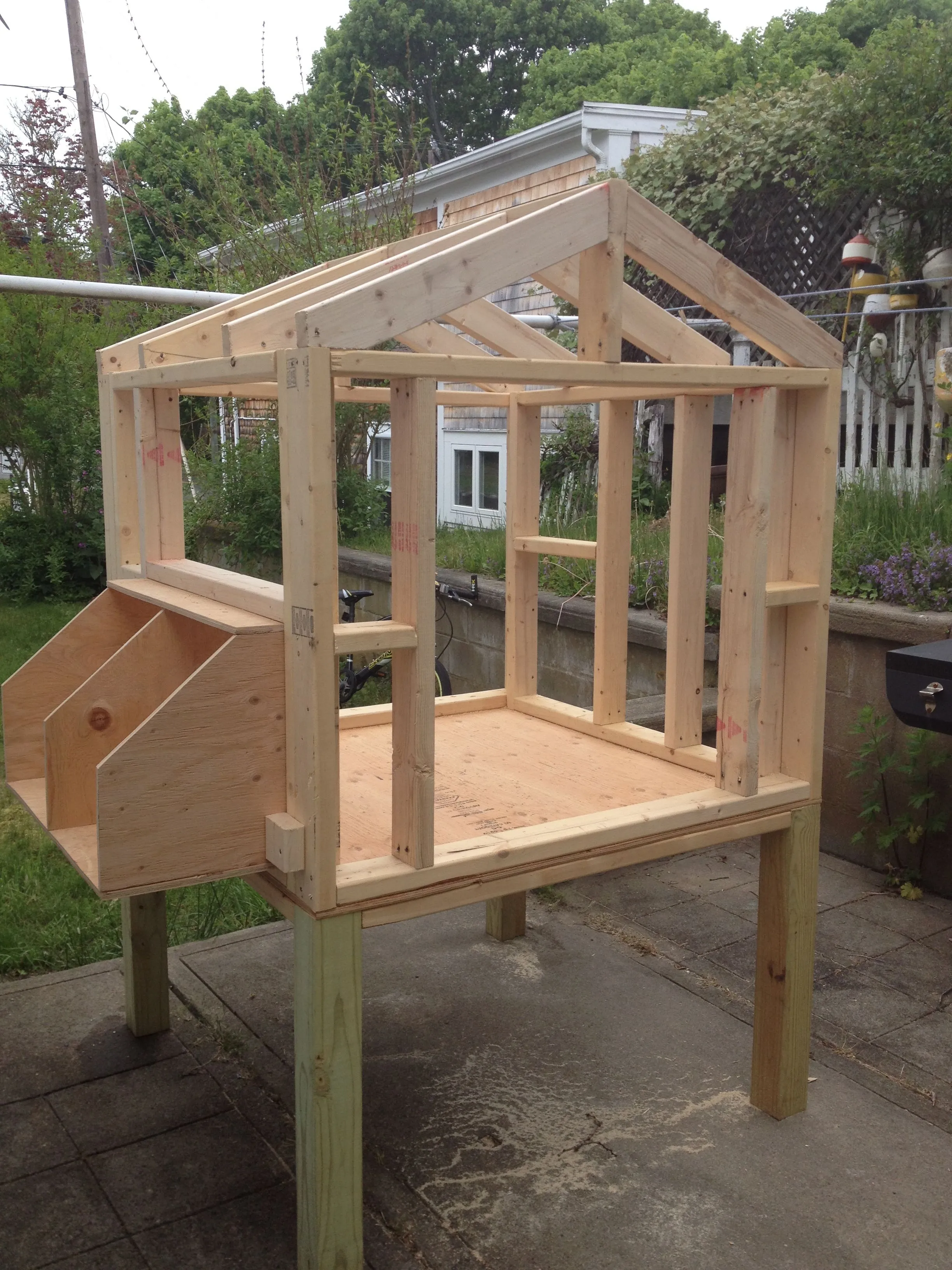
Essential Considerations When You Design Chicken Coop
Designing a chicken coop is an exciting project that allows you to provide a safe and comfortable home for your feathered friends. However, a well-designed coop goes beyond aesthetics; it ensures the health, happiness, and safety of your chickens while also making your life easier as a chicken keeper. Before you start building, consider several vital aspects that will significantly impact your coop’s success. From size and location to materials and maintenance, each decision influences the overall functionality and longevity of your coop. This guide will walk you through five essential considerations when designing your chicken coop, helping you create a practical and enjoyable space for both you and your chickens. Ignoring these factors can lead to problems like overcrowding, predator attacks, and poor living conditions, ultimately affecting the health and productivity of your flock. Proper planning ensures a thriving backyard chicken operation.
Size and Space Requirements
One of the most crucial aspects of chicken coop design is determining the right size and space for your flock. Overcrowding can lead to stress, increased disease transmission, and behavioral issues like feather pecking and cannibalism. Providing adequate space ensures your chickens have room to move around, roost, and lay eggs comfortably. A well-sized coop promotes a healthy and happy flock, making it easier to manage and maintain their environment.
Determining the Number of Chickens

Before you begin designing, decide how many chickens you want to keep. The number of chickens will directly influence the coop’s size. As a general rule, provide a minimum of 4 square feet of floor space per chicken inside the coop and 8-10 square feet per chicken in the enclosed run. However, the specific space needs depend on the breed and size of your chickens. Larger breeds like Jersey Giants require more space than smaller breeds like Bantams. Overestimating your needs at the design stage is better than underestimating them. It gives you room to expand your flock in the future or to allow for more comfort and mobility for your chickens.
Coop Dimensions and Layout
Once you know how many chickens you plan to house, you can determine the coop’s dimensions. The coop should include essential elements such as roosting bars, nesting boxes, and a designated area for food and water. Place roosting bars high enough off the ground so chickens can roost comfortably. Nesting boxes should be in a dark and quiet area, one box for every three to four hens. Ensure the layout allows for easy access for cleaning and collecting eggs. Think about how the chickens will move through the coop. Consider pathways for the birds to move smoothly from nesting boxes to roosting bars and from the inside to the outdoor run, all of which contribute to a comfortable environment.
Location and Placement
Choosing the right location for your chicken coop is as important as the coop’s design. The ideal location provides protection from the elements, easy access for you, and security from predators. Think carefully about your yard’s layout and the best spot for the coop to thrive. A poorly chosen location can lead to problems ranging from increased cleaning needs to the tragic loss of your chickens. Therefore, consider the surrounding environment and choose a suitable location to ensure your chickens’ safety and well-being.
Sun and Shade Considerations

Position the coop to take advantage of natural light and ventilation while providing shade during the hottest parts of the day. Aim for a location that receives morning sun to help dry the coop, preventing dampness and promoting good hygiene. Ensure adequate shade, either from trees, the coop’s design, or shade cloth, to protect the chickens from overheating during summer. Chickens can become stressed in extreme heat, which can reduce egg production and lead to other health problems. Careful consideration of sun and shade promotes the chickens’ health and overall comfort.
Predator Protection
The safety of your chickens is paramount. Choose a location that minimizes the risk of predator attacks. Avoid placing the coop near potential hiding places for predators, such as dense bushes or undergrowth. Secure the coop with hardware cloth or heavy-gauge wire mesh rather than chicken wire, which predators can easily tear. Bury the wire mesh at least 12 inches underground around the perimeter to prevent digging predators from entering. Consider adding an enclosed run to provide an extra layer of protection. Regularly inspect the coop and run for any signs of damage or potential entry points that predators could use. Predator-proofing your coop is an essential step in ensuring the longevity and health of your flock.
Material Selection and Durability
The materials you choose for your chicken coop significantly impact its durability, maintenance requirements, and overall longevity. Selecting high-quality, weather-resistant materials is essential for creating a coop that can withstand the elements and protect your chickens. From the foundation to the roof, each material should be chosen to withstand the challenges of your local climate and potential predator threats. The right materials will not only extend the life of your coop but also minimize your long-term maintenance efforts and costs.
Wood vs. Other Materials

Wood is a traditional and popular choice for chicken coops due to its availability, ease of use, and natural insulation properties. However, choose rot-resistant wood, such as cedar or redwood, or treat standard lumber with a non-toxic wood preservative. Metal coops are another option, known for their durability and resistance to pests. They often require less maintenance than wood coops but can be prone to temperature fluctuations. Plastic coops are another alternative; they are easy to clean and maintain but might not be as durable or aesthetically pleasing as other options. Consider the pros and cons of each material concerning your budget, climate, and desired level of maintenance.
Ventilation and Weatherproofing
Proper ventilation is crucial for maintaining a healthy environment inside the coop. Good ventilation helps to remove moisture, ammonia, and other harmful gases while regulating the temperature. Include vents near the roofline and protected from drafts. The design should allow for adequate airflow without creating drafts that can chill the chickens. Weatherproofing is equally important. Ensure the coop is weathertight to protect the chickens from rain, wind, and snow. Use quality roofing materials, seal all joints, and consider adding insulation to regulate the temperature. Good weatherproofing is particularly important in climates with extreme temperatures.
Accessibility and Maintenance
Designing your coop with accessibility and maintenance in mind will make your life as a chicken keeper much easier. A well-designed coop simplifies the tasks of cleaning, collecting eggs, and providing food and water. Thoughtful planning during the design phase can minimize the time and effort required to maintain a clean and healthy environment for your chickens. A coop that is easy to access and maintain encourages regular upkeep, which benefits your flock’s overall health and productivity. Consider your daily, weekly, and seasonal tasks while you design and build the coop.
Cleaning and Waste Management

Easy access for cleaning is essential. Design the coop with features such as removable roosting bars, easily accessible nesting boxes, and wide doors. This will facilitate thorough cleaning. Consider adding a removable floor or a sloped floor to help with waste removal. Proper waste management is critical for preventing the build-up of ammonia and other harmful substances. Design your coop to incorporate a good composting system, such as a deep litter method or a designated area for composting chicken manure. This will help to reduce odors, control pests, and provide valuable fertilizer for your garden.
Easy Access for Chickens and Owners
Ensure the coop is accessible for you and your chickens. The coop should have a secure door for easy access to collect eggs, clean, and provide food and water. The door should be large enough for you to comfortably enter the coop. Provide ramps or steps for the chickens to easily access the coop and the run. If you are building a coop with a run, ensure the run has an access point for you to enter and tend to the chickens’ needs. This consideration ensures that you can provide the best care possible for your chickens without undue strain.
Budget and Cost Planning
Setting a realistic budget is a crucial part of the design process. The cost of a chicken coop can vary widely depending on the size, materials, and features. Planning carefully can help you stay within your budget and avoid unexpected expenses. Prioritizing your needs and wants and being flexible with your design can help you create an affordable coop that still meets your chickens’ needs. Remember that a well-built coop is an investment in your chickens’ health and your peace of mind. Consider both the initial costs and the long-term costs associated with the coop.
Initial Investment vs. Long-Term Costs

When setting your budget, consider both the initial investment and the long-term costs. The initial investment includes the cost of materials, tools, and any labor if you are not building the coop yourself. Consider the ongoing costs of maintenance, cleaning supplies, and any potential repairs. Choosing high-quality materials initially might increase your upfront cost but could reduce long-term maintenance expenses and extend the coop’s lifespan. Compare the costs of different designs and materials to determine the most cost-effective options that align with your needs and budget. A well-planned budget will help you create a sustainable and enjoyable chicken-keeping experience.
DIY vs. Pre-built Coops
Decide whether you will build your coop or purchase a pre-built one. Building a coop yourself allows you to customize the design and materials to meet your specific needs and preferences. It can be a rewarding experience, but it requires time, skills, and tools. Pre-built coops are convenient and can save time, but you might have less control over the design and quality. Compare the costs of materials and labor for a DIY project with the prices of pre-built coops. Consider the features and specifications of pre-built options and compare them to your needs. If you choose to buy a pre-built coop, research the manufacturer and read reviews to ensure you are getting a quality product that will meet your needs. Both options have advantages and disadvantages, so choose the one that best fits your circumstances.