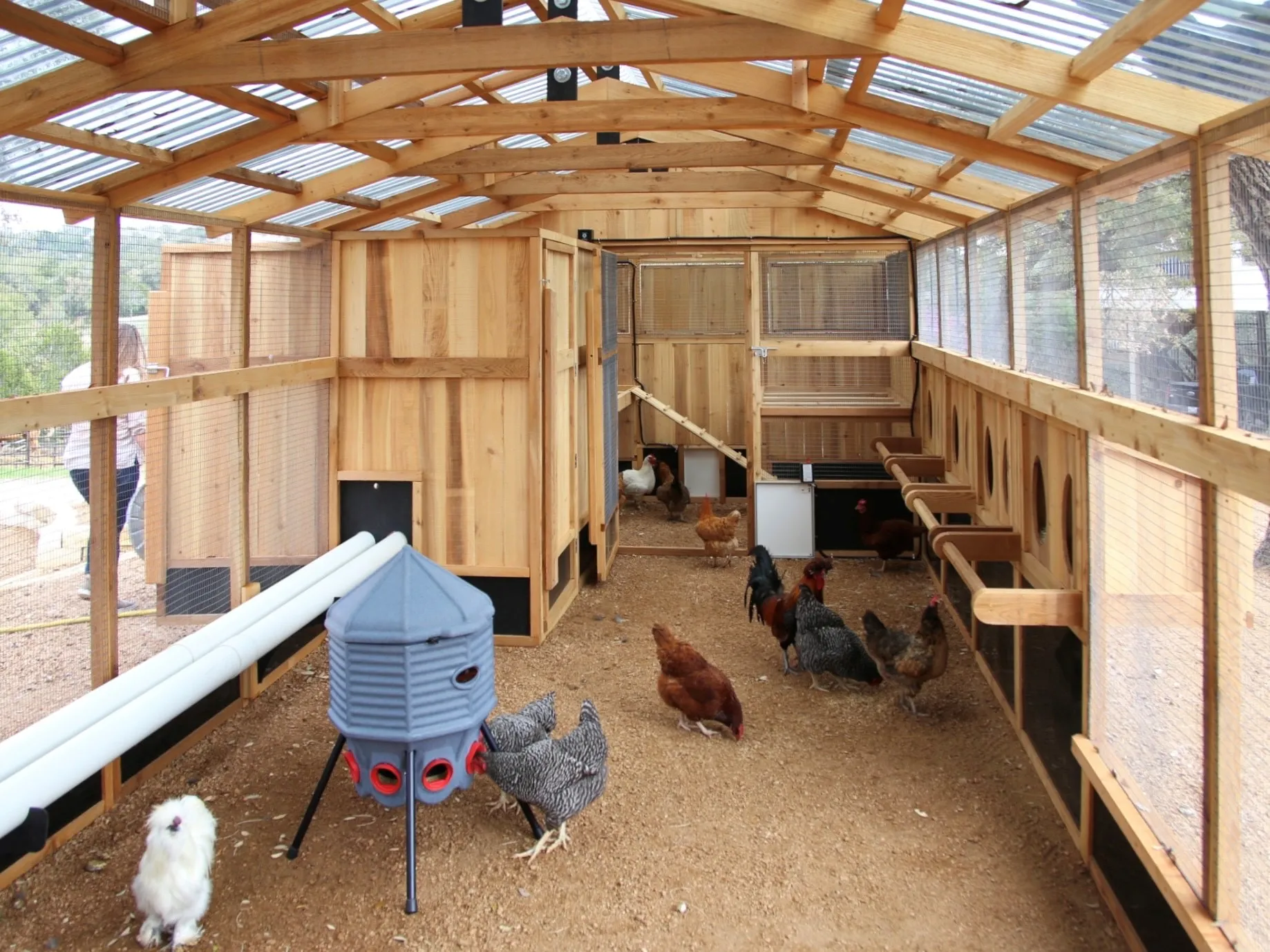
Planning Your Designer Chicken Coop
Embarking on the journey of building a designer chicken coop is an exciting endeavor that combines practicality with aesthetics. Before you even pick up a hammer, careful planning is crucial for the success of your project and the well-being of your flock. This stage involves assessing your needs, understanding local regulations, and visualizing the final product. Take your time to consider all aspects to ensure a smooth and rewarding building experience. Remember, a well-planned coop is the foundation for happy, healthy chickens and a beautiful addition to your backyard.
Choosing the Right Location
The location of your designer chicken coop is paramount, impacting everything from your chickens’ health to the coop’s longevity. Selecting the right spot involves considering various factors that influence your chickens’ comfort, safety, and productivity. Thoughtful placement minimizes potential issues and enhances the overall functionality of your coop, creating an environment where both you and your chickens can thrive. Always prioritize your chickens needs first.
Consider sunlight and shade

Sunlight and shade play a vital role in your chicken’s well-being. Chickens need sunlight for Vitamin D synthesis, which is essential for bone health and egg production. However, excessive sun exposure can lead to overheating and stress. Ideally, locate your coop where it receives morning sun and afternoon shade. This balance ensures your chickens can bask in the sun’s warmth without suffering from the intense heat of the day. Strategically planting trees or shrubs can provide natural shade, helping to regulate the coop’s temperature and creating a more comfortable environment.
Assess the space available
Before you start building, thoroughly assess the space available in your backyard. Measure the area where you plan to build your designer chicken coop, considering both the coop’s footprint and the space needed for a run. Chickens need ample space to roam and forage, so the size of the coop and run should accommodate the number of chickens you intend to keep. Factor in the surrounding landscape, including existing structures, gardens, and trees, to ensure your coop integrates harmoniously with the overall design of your backyard. A well-planned space ensures your chickens thrive.
Selecting Your Designer Chicken Coop Style
The style of your designer chicken coop reflects your personal taste and complements your home’s aesthetic. From sleek modern designs to charming rustic structures, there are numerous styles to choose from. Consider the architectural style of your home and the overall look of your backyard when making your decision. Beyond aesthetics, the design should also prioritize functionality, ensuring easy access for cleaning, egg collection, and chicken care. The style you choose is a reflection of you, so make sure it meets your needs.
Modern Designer Coops

Modern designer chicken coops often feature clean lines, minimalist designs, and the use of contemporary materials. These coops typically incorporate sleek metal or wood siding, large windows for ample natural light, and often integrate eco-friendly features such as solar panels. Modern coops prioritize functionality and ease of maintenance. They fit well with contemporary homes and urban landscapes, offering a stylish yet practical housing solution for your chickens. Their design is typically sleek, offering a sophisticated look.
Rustic Designer Coops
Rustic designer chicken coops embrace the charm of traditional farmhouse aesthetics. These coops often incorporate reclaimed wood, weathered finishes, and natural materials. The designs typically feature pitched roofs, exposed beams, and a warm, inviting atmosphere. Rustic coops often incorporate design elements such as picket fences, charming details, and earth-tone colors, creating a cozy and natural environment that blends seamlessly with a rural or countryside setting. These coops create a feeling of homeliness.
Victorian Designer Coops
Victorian designer chicken coops exude elegance and sophistication, echoing the architectural details of Victorian-era homes. These coops feature ornate trim, decorative molding, and often include features such as turrets, cupolas, and intricate rooflines. Victorian coops frequently incorporate vibrant colors and elaborate detailing, creating a focal point in any backyard. These coops offer a touch of history and luxury, providing your chickens with a unique and stylish living space that reflects your love for classic design.
Gathering Your Materials

The quality of your materials directly impacts the durability, functionality, and aesthetics of your designer chicken coop. Careful selection of materials ensures that your coop withstands the elements, protects your chickens, and enhances the overall appearance of your backyard. Consider your budget, the coop’s design, and the specific needs of your chickens when making your material choices. Quality materials create a long-lasting, beautiful coop.
Essential Tools
Before you begin construction, gather the essential tools needed for the project. This will make the building process smoother and more efficient. Ensure you have a circular saw or hand saw for cutting wood, a drill for screwing and drilling, a hammer, a level, and a measuring tape. Other helpful tools include a staple gun for attaching wire mesh, a paint brush for finishing, and safety gear such as safety glasses and work gloves. Having all the necessary tools on hand streamlines construction.
Wood types and selection
Selecting the right type of wood is crucial for the longevity and durability of your designer chicken coop. Opt for weather-resistant and rot-resistant wood. Common choices include cedar and redwood, which naturally resist decay and insect infestation. Pressure-treated lumber can also be a good option, but make sure it’s safe for chickens. When selecting your wood, choose lumber that is straight, free of knots, and suitable for the coop’s design. Proper wood selection saves you from future maintenance issues.
Hardware and Fasteners

The hardware and fasteners you use are just as important as the wood itself. Use galvanized or stainless-steel screws, nails, and hinges to prevent rust and corrosion. These materials ensure the longevity and structural integrity of your coop. Select hardware that matches the design of your coop and provides secure and reliable connections. Using quality hardware helps ensure your coop can withstand the elements and the test of time. Ensure to use the correct size and type of screws and nails for each task.
Constructing the Coop Structure
With your materials and tools ready, it’s time to begin the actual construction of your designer chicken coop. This stage involves bringing your design to life, from building the foundation to framing the walls and roof. Careful attention to detail during construction ensures your coop is sturdy, functional, and safe for your chickens. Follow your plans meticulously, and don’t hesitate to ask for help if needed. Building a coop requires following steps and good structural practices.
Building the Foundation
A solid foundation is the bedrock of a well-built chicken coop, providing stability and preventing ground moisture from seeping into the structure. The type of foundation depends on your chosen design and the terrain of your backyard. Options include a concrete slab, gravel base, or a frame built directly on the ground. Ensure your foundation is level and square, using a level and measuring tape to confirm accurate dimensions. A well-built foundation ensures your coop is stable and protects against the elements.
Framing the Walls and Roof

Framing the walls and roof of your designer chicken coop is a crucial step. This involves constructing the skeletal framework that supports the entire structure. Follow your plans precisely, using your chosen wood and fasteners to build the walls, ensuring they are plumb and level. For the roof, choose a design that complements your coop’s style, whether it’s a simple gable roof or a more elaborate design. Proper framing ensures structural integrity and a weather-tight environment for your chickens.
Adding Doors and Windows
Adding doors and windows enhances both the functionality and aesthetics of your designer chicken coop. Doors provide access for cleaning and collecting eggs, while windows offer natural light and ventilation. Choose doors and windows that complement your coop’s design and are appropriate for the size of your coop. Ensure the doors close securely and the windows are properly screened to keep predators out. Properly installed doors and windows make life easier and more secure for your flock.
Designing the Interior
The interior design of your designer chicken coop is essential for the comfort, health, and productivity of your chickens. This includes creating roosting bars, building nesting boxes, and providing adequate ventilation. A well-designed interior provides chickens with a safe, comfortable, and functional living space. Prioritize the well-being of your chickens. A well-designed interior makes for happy chickens and easier coop maintenance.
Creating Roosting Bars

Roosting bars provide chickens with a place to sleep and rest at night. Position the bars at a comfortable height and ensure there is adequate space per chicken. The ideal roosting bar is made of smooth, rounded wood, making it easy for chickens to perch. Consider the number of chickens and their size when determining the length and placement of the roosting bars. Proper roosting bars give your chickens a place to rest comfortably at night.
Building Nesting Boxes
Nesting boxes offer chickens a private and secure place to lay their eggs. Place nesting boxes in a dark, quiet area of the coop, away from drafts. Ensure the boxes are the right size for your chickens and lined with soft bedding, such as straw or wood shavings. Provide one nesting box for every 3-4 hens. Easy-to-access nesting boxes make egg collection simpler. Comfortable and easily accessible nesting boxes encourage your chickens to lay in the right place.
Providing Ventilation
Proper ventilation is crucial for maintaining a healthy environment in your designer chicken coop. It helps remove ammonia, moisture, and odors, reducing the risk of respiratory illnesses. Install vents or windows that allow for good airflow, ensuring the coop remains well-ventilated without creating drafts. Position the vents strategically to allow for air circulation. Good ventilation protects your chickens from illness and keeps the coop clean.
Ensuring Security
Protecting your chickens from predators is a fundamental aspect of building a designer chicken coop. This involves taking measures to deter both ground and aerial predators. A secure coop provides a safe haven for your chickens and protects your investment. Employing multiple layers of protection is key to ensure the safety of your flock.
Predator-Proofing the Coop
The most effective way to deter predators is to make sure your coop is predator-proof. Use hardware cloth (1/2-inch mesh or smaller) instead of chicken wire, which predators can easily tear through. Bury hardware cloth around the perimeter of the coop to prevent digging. Secure all doors, windows, and vents with sturdy latches and screens. Regular inspection of your coop, and immediate repairs, keeps it secure.
Protecting from Weather
Protect your chickens from the elements to ensure their comfort and health. Ensure the coop is properly insulated to keep your chickens warm in the winter and cool in the summer. A well-constructed roof prevents rain and snow from entering the coop. Strategically position your coop to protect it from strong winds. Weather protection is essential for the health and well-being of your flock.
Finishing Touches
The finishing touches transform your designer chicken coop from a functional structure into a beautiful addition to your backyard. These final steps involve adding the aesthetics and personalization that make your coop unique. By adding your personal touch, you create a coop that complements your home and reflects your style. Finishing touches transform a structure into a space.
Painting and Decorating
Painting and decorating your designer chicken coop can add personality and enhance its visual appeal. Choose paint colors that complement your home and backyard, selecting exterior-grade paint for durability. Add decorative touches such as window boxes, shutters, or trim to personalize your coop. Get creative and consider incorporating themed decorations. Painting and decorating make your coop beautiful.
Landscaping Around the Coop
Landscaping around your designer chicken coop can enhance its appearance and create a more natural environment for your chickens. Plant shrubs or flowers around the coop to soften its lines and create visual interest. Consider adding a small vegetable garden or a designated area for your chickens to forage. Strategic landscaping can also provide shade and protection from the wind. Landscaping adds aesthetic value and enhances the environment for your flock.