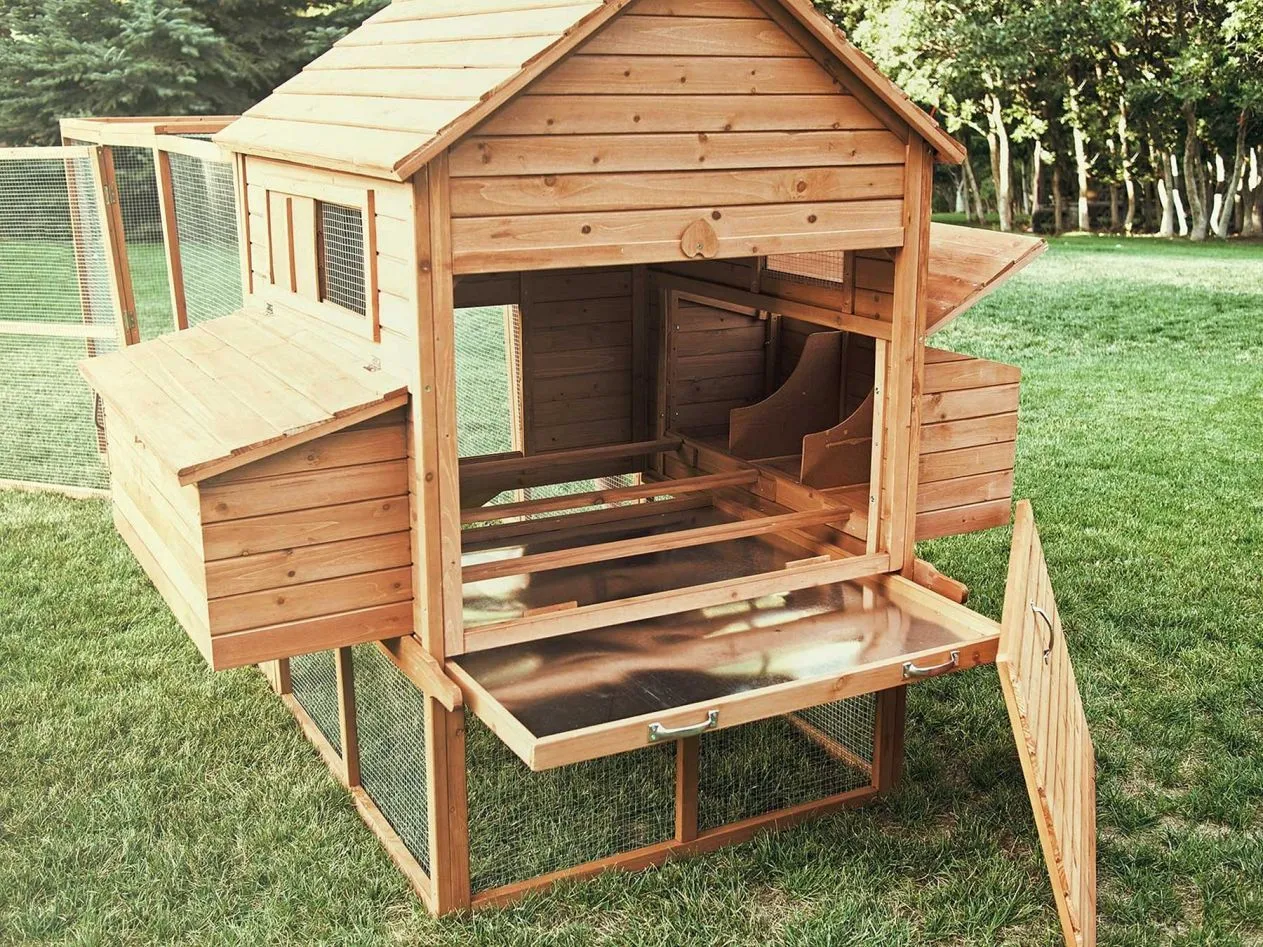
Why Build a DIY Cheap Chicken Coop?
Building your own chicken coop can be a rewarding project. Not only does it give you a sense of accomplishment, but it also allows you to tailor the coop to your specific needs and the space you have available. One of the most compelling reasons to embark on a DIY cheap chicken coop project is the significant cost savings compared to purchasing a pre-built coop. With careful planning and resourcefulness, you can create a functional and safe home for your chickens without breaking the bank. A DIY approach also gives you greater control over the materials used, allowing you to prioritize sustainability and incorporate recycled or reclaimed items. This not only reduces waste but can also add a unique character to your coop. Additionally, building your own coop provides an opportunity to learn new skills and enjoy the process of creating something practical and beneficial for your backyard flock.
Benefits of a DIY Chicken Coop
The benefits of building a DIY chicken coop extend beyond just saving money. You gain the satisfaction of creating something with your own hands, customizing the coop to perfectly fit your backyard and your chickens’ needs. A DIY coop allows you to select materials that meet your specific preferences for safety, durability, and environmental impact. You can choose to use non-toxic materials and incorporate features that enhance the chickens’ well-being. Furthermore, building a coop yourself gives you a deeper understanding of its structure and how it functions, making maintenance and repairs easier in the long run. This also means you’re more likely to catch potential problems early on, ensuring the health and safety of your chickens. Ultimately, a DIY chicken coop offers a more personal and fulfilling experience, aligning your passion for chickens with your desire to create something unique and functional.
Cost Savings of DIY

The primary advantage of a DIY cheap chicken coop is the potential to save a significant amount of money. Pre-built coops can be expensive, especially those that are well-constructed and aesthetically pleasing. By building your own, you can control the costs by sourcing affordable materials, utilizing recycled or reclaimed items, and making smart design choices. Careful planning allows you to avoid unnecessary expenses and stick to your budget. You can shop around for the best prices on lumber, hardware, and other supplies. Moreover, you can gradually add features and upgrades as your budget allows, rather than paying for everything upfront. The ability to build in stages can make the project more manageable and less financially daunting. With a bit of research and effort, building a DIY chicken coop for under $100 is entirely achievable, providing a cost-effective housing solution for your flock.
Planning Your DIY Cheap Chicken Coop
Before you start building, careful planning is crucial for a successful DIY cheap chicken coop project. Start by researching different coop designs and identifying the features that are most important to you and your chickens. Consider factors such as the size of your flock, the climate in your area, and the available space in your backyard. Create a detailed plan that includes a list of materials, dimensions, and a step-by-step construction guide. This will help you stay organized and avoid costly mistakes during the building process. Check local building codes and regulations to ensure your coop meets all requirements. Consider the location of your coop, ensuring it’s accessible for cleaning and maintenance and provides adequate protection from the elements. A well-thought-out plan will streamline the construction process and help you build a coop that meets your chickens’ needs while staying within your budget.
Assess Your Space and Needs
The initial step in planning your DIY chicken coop is to carefully assess both your available space and the specific needs of your chickens. Measure your backyard to determine the size and location where you can build the coop. Consider factors such as sunlight exposure, drainage, and protection from wind and predators. Next, evaluate the size of your flock and the breed of chickens you plan to keep. Different breeds have different space requirements, so it’s essential to provide adequate living space for each bird. Research the climate in your area and design the coop to provide proper ventilation, insulation, and protection from extreme weather conditions. Consider the type of housing your chickens will need, whether it’s a traditional coop with a run or a more mobile setup. Thoroughly assessing your space and needs at the beginning will help you design a coop that is both functional and comfortable for your chickens.
Choosing the Right Size for Your Flock

Choosing the right size for your DIY chicken coop is critical for the health and well-being of your chickens. As a general rule, allow at least 4 square feet of floor space per chicken inside the coop. This will provide enough room for the chickens to move around comfortably, roost, and escape the elements. If you plan to include a run, aim for at least 8-10 square feet of outdoor space per bird. The size of your flock and the breed of chickens you choose will influence your space needs. Larger breeds require more space than smaller breeds. Consider the growth of your chickens and plan for potential flock expansion when determining the coop’s size. Overcrowding can lead to stress, aggression, and the spread of disease. A properly sized coop will promote good health, reduce stress, and ensure your chickens have a comfortable living environment.
Gathering Materials: The Essentials
Once you have a plan in place, the next step is to gather the necessary materials for your DIY cheap chicken coop. Essential materials include lumber for the frame, walls, and roof; hardware such as nails, screws, hinges, and latches; and wire mesh for the run and ventilation. You’ll also need roofing materials, such as shingles or corrugated metal, and possibly a floor material like plywood or linoleum. Other important items include nesting boxes, roosting bars, and possibly a waterer and feeder. Make a detailed list of all the materials you’ll need, and shop around for the best prices. Consider using recycled or reclaimed materials to reduce costs and minimize waste. Having all the necessary materials on hand before you begin building will streamline the construction process and prevent delays. Be sure to choose materials that are durable, weather-resistant, and safe for your chickens.
Tip 1 Source Recycled Materials
One of the best ways to build a DIY cheap chicken coop is to source recycled materials. Check local classifieds, online marketplaces, and salvage yards for used lumber, doors, windows, and other building supplies. Pallets can be broken down and repurposed for the coop’s frame, walls, or floor. Old siding, roofing materials, and even repurposed furniture can be incorporated into the design. Using recycled materials reduces costs significantly and gives your coop a unique, rustic appearance. Always inspect the materials carefully for any signs of damage or rot. Ensure the materials are safe for chickens, avoiding treated lumber that may contain harmful chemicals. Cleaning and preparing recycled materials may require some extra effort, but the savings and environmental benefits make it well worth the effort. Embrace creativity and resourcefulness in your design, and you might find unexpected uses for items you already have.
Tip 2 Essential Tools for Building

Having the right tools is crucial for building a successful DIY cheap chicken coop. Essential tools include a saw (circular saw or hand saw), a drill/driver, a hammer, a measuring tape, a level, and safety glasses. Other useful tools include a staple gun for attaching wire mesh, a sander for smoothing rough edges, and a utility knife for cutting materials. If you’re working with wood, you may need a wood chisel and a plane. Having the right tools will make the construction process easier, faster, and safer. Prioritize the essential tools and consider borrowing or renting any tools you don’t own. Proper safety equipment, such as gloves, safety glasses, and ear protection, should always be used. Investing in quality tools that are built to last can be a worthwhile investment for future projects.
Tip 3 Building the Coop Frame
The frame is the structural foundation of your DIY cheap chicken coop. Start by cutting the lumber to the dimensions specified in your plan. Assemble the frame by connecting the pieces with screws or nails, ensuring the corners are square. Add bracing to provide stability and prevent the frame from racking. The frame should be sturdy enough to withstand the weight of the walls, roof, and any potential snow or wind loads. Use pressure-treated lumber for any parts of the frame that will be in contact with the ground or exposed to moisture. Accuracy and precision are essential during the frame construction to ensure a level and square structure. The frame is the most important part of the coop. Ensure it’s built on a solid foundation, whether it’s directly on the ground, on blocks, or on a raised platform. Once the frame is complete, you can move on to adding the walls and roofing.
Frame Construction
Building a solid frame is the first and most critical step in constructing your DIY chicken coop. Begin by precisely measuring and cutting your lumber according to your plan’s dimensions. Use a level and square to ensure accuracy at every step. Connect the frame pieces using screws, nails, or a combination of both. For added stability, incorporate corner braces and diagonal supports. Ensure the frame sits level on your chosen foundation. This will determine the overall structural integrity of your coop. Careful frame construction will set the stage for a durable and long-lasting chicken coop.
Adding Walls and Roofing

After the frame is complete, you’ll need to add walls and roofing to your DIY cheap chicken coop. For the walls, you can use plywood, reclaimed wood, or other suitable materials. Attach the wall panels to the frame, ensuring they are securely fastened. Consider adding insulation to the walls to help regulate the temperature inside the coop. For the roof, choose a roofing material that is durable, weather-resistant, and appropriate for your climate, such as shingles or corrugated metal. Install the roofing material according to the manufacturer’s instructions, ensuring proper overlap and sealing. Adding walls and roofing not only protects your chickens from the elements but also enhances the overall look and feel of your coop.
Tip 4 Secure and Safe Coop Features
Ensuring the safety and security of your DIY cheap chicken coop is paramount. Use sturdy latches and hinges on all doors and access points to prevent predators from entering. Cover all openings with hardware cloth or wire mesh, making sure the mesh is securely attached and buried at the edges to prevent digging. Consider using double latches or locks for extra security. Ensure that the coop is well-ventilated to prevent the buildup of moisture and ammonia, but make sure ventilation openings are also predator-proof. Check the coop regularly for any signs of wear and tear or potential vulnerabilities. By taking these precautions, you can create a safe and secure environment for your chickens.
Predator-Proofing Your Coop
Protecting your chickens from predators is a crucial aspect of coop design. Bury hardware cloth or wire mesh at least 12 inches deep around the perimeter of the coop to prevent digging. Use strong, predator-resistant materials, like hardware cloth instead of chicken wire, for the walls and run. Ensure all doors and windows fit snugly and are securely latched. Consider adding a wire mesh floor to your run to prevent predators from entering from below. Regularly inspect the coop for any potential vulnerabilities, such as weak spots or gaps, and address them promptly. The safety of your chickens depends on your vigilance and the effectiveness of your predator-proofing measures.
Ventilation and Weather Protection

Proper ventilation and weather protection are essential for a healthy and comfortable environment for your chickens. Provide adequate ventilation to prevent the buildup of moisture, ammonia, and stale air. This can be achieved through vents in the roof, walls, or eaves. Ensure that ventilation openings are protected with wire mesh to prevent predators from entering. Protect your coop from the elements by using durable roofing materials and ensuring proper drainage around the coop. Consider adding a windbreak or planting trees to provide shade and protection from the wind. Regular maintenance, like clearing leaves from the roof and gutters, will further protect your coop from the weather. Good ventilation and weather protection will contribute to the long-term health and comfort of your chickens.
Tip 5 Creating a Comfortable Interior
Creating a comfortable interior is key to keeping your chickens happy and productive. Provide nesting boxes that are appropriately sized for your chickens. The number of boxes should be sufficient, as a general guide provide one nesting box for every 3-4 hens. Place roosting bars at a comfortable height, allowing enough space for the chickens to perch. Line the coop floor and nesting boxes with clean bedding materials, such as wood shavings, straw, or hay. Ensure the coop is well-lit, either with natural light or supplemental lighting. Keep the coop clean and free of debris, removing droppings and soiled bedding regularly. By providing a comfortable and clean interior, you’ll create a space where your chickens can thrive.
Nesting Boxes and Roosting Bars
Nesting boxes and roosting bars are essential components of a comfortable chicken coop. Nesting boxes should be located in a quiet, secluded area of the coop, away from drafts and direct sunlight. Make them easily accessible for your chickens. The appropriate size of nesting boxes depend on the breed, as a general guide the boxes must be 12x12 inches. Provide adequate bedding material in the nesting boxes to encourage egg-laying and protect the eggs. Roosting bars should be placed at a comfortable height, allowing the chickens to easily perch. The width should be roughly 2-4 inches, with rounded edges to prevent foot injuries. Provide enough space for all your chickens to roost comfortably. Well-designed nesting boxes and roosting bars contribute to the overall comfort and well-being of your chickens.
DIY Coop Maintenance and Upkeep

Regular maintenance and upkeep are essential for the longevity of your DIY cheap chicken coop and the health of your chickens. Clean the coop regularly, removing droppings and soiled bedding materials at least once a week. Disinfect the coop periodically with a poultry-safe disinfectant to prevent the spread of disease. Inspect the coop for any signs of damage or wear and tear, and make repairs promptly. Check the roofing and siding for leaks and address them immediately. Ensure that the ventilation system is functioning properly. Clean and maintain the waterers and feeders regularly to prevent the growth of mold and bacteria. Regular maintenance will help keep your coop in good condition and ensure a healthy environment for your chickens.