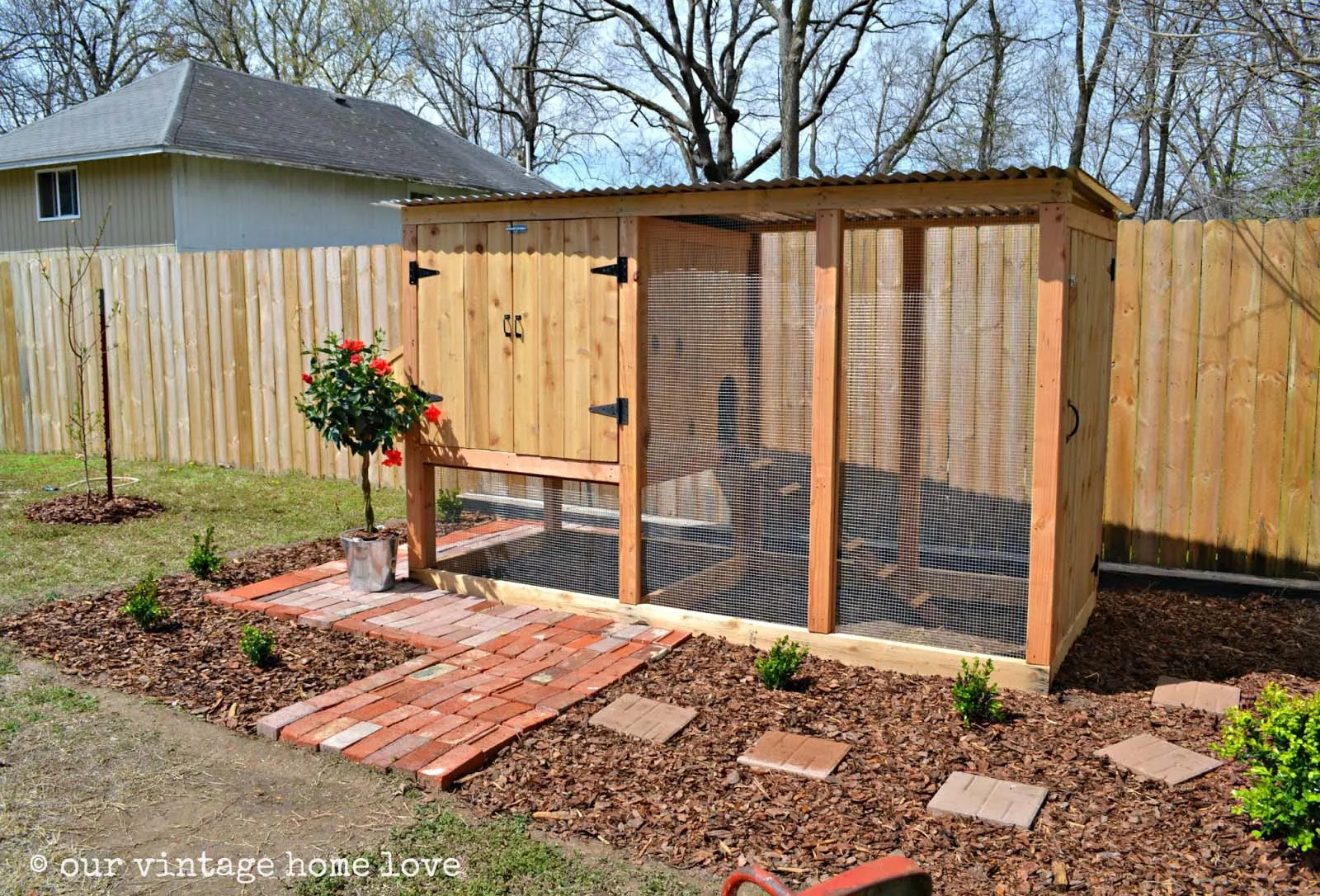
Planning Your Easy DIY Chicken Coop
Embarking on a DIY chicken coop project can be a rewarding experience, providing fresh eggs and a touch of rural charm to your backyard. Before you even pick up a hammer, meticulous planning is paramount for a successful and enduring coop. Thorough planning not only streamlines the construction process but also ensures the safety, comfort, and well-being of your chickens. This foundational step involves research, design considerations, and a clear understanding of your specific needs and the local environment. This careful groundwork minimizes potential problems down the line and sets you up for a smooth, enjoyable building experience.
Choosing the Right Location
The location of your chicken coop significantly impacts the health and happiness of your flock. Consider factors such as sunlight exposure, drainage, and accessibility. The ideal location offers a balance of sunlight and shade, providing protection from the harsh midday sun while allowing for warmth during cooler months. Proper drainage is also crucial to prevent water accumulation, which can lead to muddy conditions, foul odors, and potential health hazards for your chickens. Accessibility is another key consideration, making it easier for you to maintain the coop, collect eggs, and provide food and water. Choosing the right location is critical for the well-being of your chickens and the longevity of your coop.
Considering Sunlight and Shade

Sunlight and shade are vital for chicken health and comfort. Chickens need sunlight for vitamin D synthesis, which is essential for bone health. However, excessive sun exposure can lead to heat stress, especially during the summer months. Therefore, the coop should be positioned to provide both. A location that receives morning sun and afternoon shade is often ideal. Alternatively, you can incorporate shade-providing elements such as trees, shrubs, or a covered run area. This balance ensures chickens receive the necessary sunlight while avoiding overheating, promoting their overall well-being.
Ensuring Proper Drainage
Poor drainage can turn your coop into a muddy mess, attracting pests and breeding disease. Choose a location that naturally drains well or implement strategies to improve drainage. Avoid low-lying areas where water tends to collect. If necessary, grade the ground around the coop to direct water away. Consider using gravel or a raised foundation to elevate the coop above the ground level, allowing for better water runoff. Proper drainage not only keeps the coop clean and dry but also prevents the growth of harmful bacteria and parasites, safeguarding the health of your flock.
Selecting Durable Materials
The materials you choose for your DIY chicken coop directly impact its longevity, durability, and effectiveness. Opt for weather-resistant, non-toxic materials that can withstand the elements and provide a safe environment for your chickens. This not only ensures the coop’s structural integrity but also minimizes maintenance requirements. Choosing the right materials is an investment in the long-term health of your flock and the durability of your coop. Quality materials protect against the elements and provide a secure and comfortable home for your chickens.
Choosing the Right Wood

Wood is a popular choice for chicken coops due to its workability and aesthetic appeal. However, not all wood is created equal. Choose rot-resistant wood species like cedar or redwood, which naturally resist decay and insect infestation. Pressure-treated lumber can also be a viable option, but ensure it’s safe for poultry, as some treatments contain chemicals that could be harmful. Avoid using wood that has been treated with creosote. The type of wood directly impacts the coop’s lifespan and its ability to withstand the elements, providing a secure and healthy environment for your chickens. Proper wood selection is a crucial first step.
Considering Hardware Cloth for Security
Hardware cloth is a crucial component for any predator-proof chicken coop. Unlike chicken wire, which predators can easily tear through, hardware cloth is made of sturdy, galvanized steel mesh. It provides superior protection against foxes, raccoons, and other common threats. Use hardware cloth for the coop’s walls, floor, and any openings, such as windows and ventilation. Burying the hardware cloth a few inches underground around the perimeter further prevents digging predators from gaining access. This provides a robust barrier to potential threats, keeping your chickens safe and secure. Using the right materials is a key factor in protecting your chickens.
Designing for Comfort and Space
Comfort and space are paramount to the well-being of your chickens. A well-designed coop provides ample room for movement, roosting, nesting, and access to food and water. Consider the number of chickens you plan to house and provide adequate space per bird. Overcrowding can lead to stress, disease, and behavioral problems. The coop should be designed to accommodate their natural behaviors and provide a comfortable and stimulating environment. The proper design makes the coop a home, and ensures happy, healthy chickens.
Creating Adequate Roosting Space

Chickens naturally roost at night, so providing appropriate roosting space is essential. Roosts should be elevated off the ground and positioned away from drafts. Allow for at least 8-12 inches of roosting space per chicken. The roosting bars should be made of smooth, rounded wood, such as 2x4s with the edges rounded over. The roosting area should be easily accessible and positioned to prevent droppings from falling into the feeding and watering areas. Adequate roosting space is essential for your chickens’ comfort and promotes healthy sleep.
Providing a Comfortable Nesting Area
Nesting boxes provide a safe and private space for hens to lay their eggs. Provide one nesting box for every 3-4 hens. Nesting boxes should be located in a dimly lit, quiet area of the coop. They should be elevated off the ground and easily accessible. Line the nesting boxes with soft, clean bedding, such as straw, hay, or wood shavings. This provides a comfortable surface for the hens to lay their eggs and helps to keep the eggs clean. The nesting area directly impacts the hen’s egg-laying experience. Comfort is key.
Building for Easy Cleaning and Maintenance
A well-designed coop makes cleaning and maintenance a breeze. Regular cleaning is essential for maintaining a healthy environment for your chickens and preventing the buildup of harmful bacteria and parasites. Consider features that simplify the cleaning process, such as removable dropping boards and accessible access points. These design choices will not only save you time and effort but also promote the long-term health and hygiene of your coop.
Incorporating a Removable Dropping Board

A removable dropping board positioned beneath the roosting bars greatly simplifies cleaning. The dropping board catches the chickens’ droppings overnight, preventing them from accumulating on the coop floor. You can easily remove the dropping board and clean it regularly, reducing the frequency of full coop cleanings. Consider using a material like plywood or sheet metal for the dropping board, making it easy to wipe clean. This feature will dramatically reduce the time and effort required to keep your coop clean and sanitary.
Designing Accessible Access Points
Easy access points are crucial for both cleaning and maintaining the coop. Design the coop with wide doors and access panels that allow you to easily reach all areas of the interior. This makes it easier to sweep, scrub, and inspect the coop for any potential issues. Consider incorporating a hinged roof or removable panels for improved access. The easier it is to access the coop, the more likely you are to maintain it regularly. Accessibility simplifies cleaning, which is vital for the health of your chickens.
Essential Safety and Security Measures
Protecting your chickens from predators is a critical aspect of building a chicken coop. Implementing robust safety and security measures safeguards your flock from potential threats, ensuring their survival and well-being. Predators can range from the common, like raccoons and foxes, to less obvious dangers like birds of prey and even neighborhood dogs. Prioritizing safety and security is an investment in the long-term health and happiness of your flock.
Protecting Against Predators

Predator-proofing your coop is paramount. Identify potential threats in your area and take appropriate measures to deter them. Common predators include foxes, raccoons, opossums, coyotes, hawks, and owls. Consider using a combination of strategies to protect your chickens. These could include a fully enclosed run, burying hardware cloth around the perimeter, using secure latches and locks, and reinforcing the coop structure. Always be vigilant, and regularly inspect your coop for any signs of weakness or potential entry points. Predator prevention is essential.
Securing the Coop Structure
Ensure the coop structure itself is secure. Use sturdy materials, and construct the coop with strong joints and connections. Reinforce weak points, such as doors, windows, and ventilation openings. Install secure latches and locks to prevent predators from opening doors or accessing the coop. Regularly inspect the coop for any damage or signs of wear and tear. Repair any issues promptly to maintain the coop’s structural integrity. A secure structure forms the first line of defense against predators. Ensure every part of the structure is sound.
Using Hardware Cloth
As mentioned earlier, hardware cloth is an essential element for predator-proofing. Use hardware cloth, not chicken wire, for all walls, floors, and any openings. Secure the hardware cloth with staples or screws, and ensure it is tightly fitted. Bury the hardware cloth a few inches underground around the perimeter of the coop to prevent digging predators from gaining access. Hardware cloth provides a robust barrier against many common predators. Using the right material is a key element of safety.
Ventilation and Airflow

Proper ventilation is vital for the health of your chickens and the overall condition of your coop. Good airflow prevents the buildup of ammonia, which can irritate your chickens’ respiratory systems and lead to health problems. Ventilation also helps to regulate the temperature and humidity inside the coop. Adequate ventilation is a key factor in maintaining a healthy environment for your flock. It is vital for both their physical and respiratory health.
Ensuring Proper Ventilation
Provide adequate ventilation by incorporating vents in the coop design. The vents should be positioned high on the walls to allow warm, moist air to escape, and positioned away from direct drafts. Consider using vents that can be opened and closed to regulate airflow based on the weather conditions. Ensure that the vents are covered with hardware cloth to prevent predators from entering. Proper ventilation will keep your chickens healthy and the coop environment clean.
Avoiding Drafts
While ventilation is important, avoid drafts, especially during cold weather. Drafts can chill your chickens and make them more susceptible to illness. Position the vents strategically to ensure that air circulates without creating direct drafts. Seal any gaps or cracks in the coop walls to prevent drafts from entering. A balance between good ventilation and draft protection is essential for maintaining a healthy coop environment. Protecting chickens from drafts is a key consideration.
Maintaining Your Chicken Coop

Regular maintenance is essential to keep your chicken coop in top condition and ensure the health and happiness of your flock. This includes regular cleaning, pest control, and monitoring for any signs of health issues. A well-maintained coop not only extends its lifespan but also provides a safe and comfortable environment for your chickens. The time spent on maintenance pays dividends in the long run.
Regular Cleaning and Sanitation
Regular cleaning is the cornerstone of coop maintenance. Remove droppings daily, and thoroughly clean the coop at least once a week. Replace bedding materials regularly. Use a safe and effective disinfectant to sanitize the coop, killing harmful bacteria and parasites. Regular cleaning not only keeps the coop smelling fresh but also prevents the buildup of ammonia and other harmful substances that can affect your chickens’ health. The frequency of cleaning should increase depending on the size of your flock and coop. Regular cleaning keeps the environment clean and safe.
Disinfecting the Coop
Disinfecting the coop is essential to control the spread of diseases. After cleaning, thoroughly disinfect all surfaces, including walls, floors, roosting bars, and nesting boxes. Use a poultry-safe disinfectant, following the manufacturer’s instructions. Allow the coop to air dry completely before returning your chickens. Regular disinfection helps to prevent the spread of diseases and keeps your chickens healthy. Choose a reliable poultry-safe disinfectant.
Managing Pests and Parasites
Pests and parasites can be a nuisance to chickens and can also spread diseases. Implement measures to prevent and control pests and parasites in your coop. This can involve regular inspections, using appropriate pest control methods, and maintaining good hygiene practices. Pest and parasite control is essential for maintaining the health and well-being of your chickens. Vigilance is key.
Implementing a Preventive Approach
Prevention is key when it comes to pests and parasites. Regularly inspect your chickens for any signs of infestation, such as mites, lice, or worms. Maintain a clean and dry coop environment, as pests and parasites thrive in damp, dirty conditions. Use diatomaceous earth (DE), a natural insecticide, to control mites and lice. Consider using a predator-resistant feeder to minimize the attraction of rodents and other pests. A preventative approach will save you time and effort.
Monitoring for Common Chicken Health Issues
Regularly monitor your chickens for signs of illness. Common chicken health issues include respiratory infections, coccidiosis, and various types of parasites. Learn to recognize the signs of common illnesses, such as lethargy, loss of appetite, coughing, sneezing, and changes in droppings. Consult with a veterinarian if you suspect any health issues, and be prepared to isolate sick chickens to prevent the spread of disease. Early detection and treatment are crucial for maintaining a healthy flock. Being observant will help you keep your flock healthy.