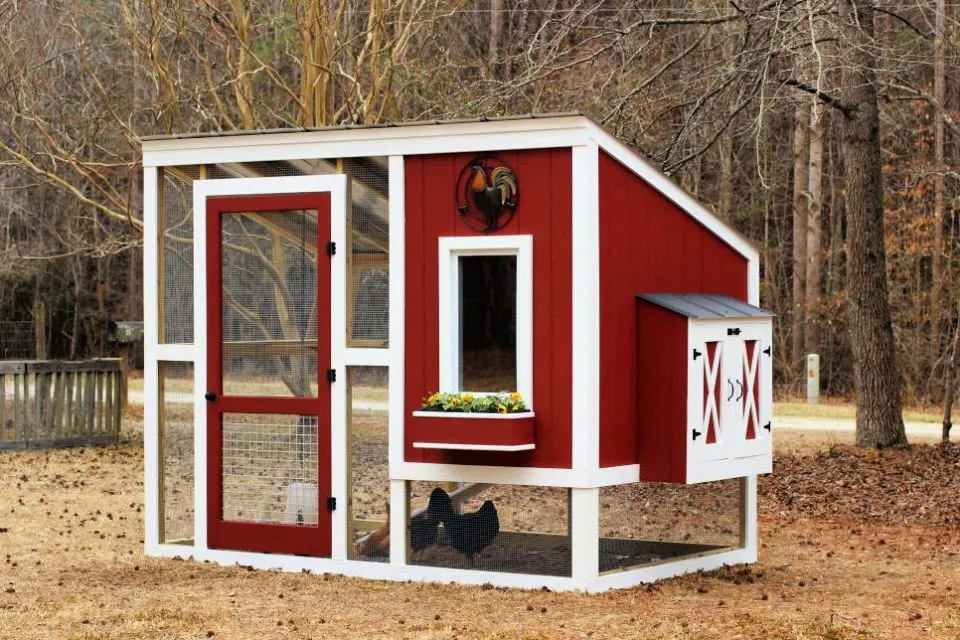
Planning Your DIY Chicken Coop
Building your own chicken coop can be a rewarding experience, providing your flock with a safe and comfortable home. However, success begins with careful planning. Before you even pick up a hammer, consider several key factors that will influence the design, size, and location of your coop. Taking the time to plan thoroughly will save you time, money, and headaches down the road, ensuring a successful and enjoyable chicken-keeping experience. A well-planned coop is not just a shelter; it’s an investment in the health and happiness of your chickens. Proper planning prevents problems.
Choosing the Right Location
The location of your chicken coop is paramount to its success. Consider the following for optimal chicken health and your convenience. The location should be accessible for cleaning and maintenance, yet sheltered from harsh weather. Also, you must comply with local ordinances regarding coop placement and setbacks from property lines. A well-chosen location protects your chickens from the elements and predators.
Considering Sunlight and Shade

Chickens need both sunlight and shade. The coop should receive some sunlight, especially in the morning to help warm the coop and provide Vitamin D for the chickens. Ensure there are shaded areas to escape the heat during the hottest parts of the day. Trees, shrubs, or a covered run can provide necessary shade. A balance between sun and shade is essential for the chickens’ well-being, especially in different seasons.
Assessing Local Climate
Your local climate will greatly influence the design of your coop. Consider prevailing winds, rain, snow, and temperature extremes. The coop needs to be well-ventilated to prevent moisture buildup but also insulated enough to protect against cold. In hot climates, ventilation is key; in cold climates, insulation becomes more crucial. Understanding your climate will help you choose the right materials and design for the coop.
Determining Coop Size
The size of your coop is crucial for the health and happiness of your chickens. Overcrowding leads to stress, disease, and behavioral problems like feather pecking. The coop must provide enough space for comfortable roosting, nesting, and movement. The right size is fundamental for happy and healthy chickens. Don’t underestimate the importance of space. It makes a big difference to the birds.
Calculating Space per Chicken

A general guideline is to provide at least 4 square feet of floor space per chicken inside the coop. In the run, provide at least 8-10 square feet per bird. More space is always better, especially if your chickens will spend significant time in the coop due to weather or other constraints. Adequate space allows your chickens to move freely, reducing stress and promoting their overall well-being. Extra space is the best for the chickens.
Considering Future Expansion
When determining the size, consider whether you plan to expand your flock in the future. Building a coop that can accommodate more chickens later on will save you time and money. If you think you might want more chickens, it’s better to build a slightly larger coop initially. This will avoid the need to build a new coop or make extensive modifications down the line.
Gathering Materials
Once you’ve finalized your plans, it’s time to gather the necessary materials. Selecting the right materials ensures the coop’s durability, safety, and longevity. Quality materials will also make your coop more resistant to the elements and easier to maintain. Careful selection prevents problems during the build. The right materials save time and money.
Wood Selection for Durability

Choose wood that can withstand the elements and resist rot and pests. Cedar and redwood are excellent choices due to their natural resistance to decay and insects. Pressure-treated lumber can also be used, especially for areas in direct contact with the ground, but make sure it’s safe for chickens. Avoid wood that has been treated with harmful chemicals. Good wood is key to a long-lasting coop. Choose wisely.
Hardware and Fasteners
Use exterior-grade screws, nails, and hinges to assemble the coop. Galvanized or stainless-steel hardware is best, as it resists rust and corrosion. Consider using hardware cloth with small mesh to cover windows and vents, providing protection against predators. Quality hardware ensures the coop remains structurally sound and secure for your chickens. Good hardware is essential.
Roofing Materials
Choose roofing materials that are weather-resistant and provide adequate protection from rain and snow. Asphalt shingles, metal roofing, or even a durable, waterproof membrane are all options. Ensure the roof slopes sufficiently to allow for water runoff. Your choice of roofing will depend on your budget and aesthetic preferences. The right roofing will protect your chickens from the elements. Make the right choice.
Tools You’ll Need

Gather the necessary tools before you start building. You’ll need a saw (circular saw, hand saw, or jigsaw), a drill, a level, a measuring tape, a hammer, a screwdriver, and safety glasses. Consider renting specialized tools if needed. Having the right tools will make the building process smoother and more efficient. The right tools help you to build.
Building the Coop Structure
With your plans and materials ready, it’s time to start building the coop. Following your plans carefully, pay close attention to the structural integrity of each component. Precision during construction will lead to a sturdy, long-lasting coop. Attention to detail is crucial for a good build.
Constructing the Frame
Begin by constructing the frame, which is the foundation of the coop. Cut the lumber according to your plans and assemble the frame, ensuring all corners are square and level. Use screws or nails to secure the joints. The frame must be structurally sound to support the weight of the walls, roof, and any accessories. The frame is the core of your coop.
Adding Walls and Flooring

Once the frame is complete, add the walls and flooring. Use plywood or other appropriate materials to enclose the walls, ensuring that there are no gaps where predators can enter. For the floor, consider using a material that is easy to clean and disinfect. Make sure the floor is well-supported to prevent sagging. Solid walls and floor is the foundation.
Building the Roof
Construct the roof according to your plans, ensuring it has a proper slope for water runoff. Attach the roofing material, making sure it is securely fastened and overlaps correctly to prevent leaks. Consider adding an overhang to protect the coop’s walls from rain. A well-constructed roof protects your chickens from the elements.
Creating Doors and Windows
Install doors and windows, making sure they fit properly and can be easily opened and closed. Use hardware cloth to cover windows and vents, providing ventilation while preventing predators from entering. The doors must be secure, and the windows should provide adequate light and air circulation. Make sure you use good hinges.
Designing the Interior

The interior design of your coop is just as important as the structure. It should provide a comfortable and functional space for your chickens, including areas for nesting, roosting, and access to food and water. Consider the comfort and safety of your chickens. A well-designed interior is essential.
Building Nesting Boxes
Build nesting boxes where your chickens can lay their eggs in a safe and comfortable environment. Provide one nesting box for every 3-4 hens. Place the boxes in a dark, quiet area within the coop. Line the boxes with soft bedding material like straw or wood shavings. Comfort is key for nesting.
Constructing Roosts
Install roosting bars, which are where your chickens will sleep at night. Place the roosts at a height that is comfortable for your chickens to jump up to. The roosts should be made of smooth, sturdy material like wood, and provide enough space for each chicken. Roosting bars are key for their comfort. Proper placement is essential.
Installing Ventilation

Ensure adequate ventilation in your coop to prevent moisture buildup and promote air circulation. Install vents near the roofline, and consider adding windows. Good ventilation is critical for the chickens’ health and prevents respiratory problems. Adequate ventilation is important.
Setting up the Run
The run provides a secure outdoor space for your chickens to roam, scratch, and forage. A well-designed run is essential for your chickens’ health and well-being, allowing them to get exercise, fresh air, and sunlight. Make the run a safe haven. A good run is a happy chicken.
Choosing Run Materials
Use sturdy materials to construct the run, such as wood or metal posts and wire mesh. The wire mesh should have small enough openings to prevent predators from entering. Bury the wire mesh several inches underground to prevent digging predators. Quality materials are key to security. The right materials are important.
Securing the Run from Predators
Predator-proof your run by burying wire mesh, using hardware cloth, and ensuring all gaps are sealed. Cover the top of the run with wire mesh or netting to prevent aerial predators from entering. Regular inspection and maintenance are also critical. Secure the run to ensure safety.
Adding Accessories
Adding accessories enhances the functionality and comfort of your coop and run. These additions will improve the chickens’ quality of life and make it easier to care for your flock. Make your coop and run user-friendly. The right accessories help.
Watering and Feeding Systems
Install waterers and feeders to provide your chickens with easy access to food and water. Choose feeders that prevent food from spilling and waterers that keep the water clean. Consider automatic feeders and waterers for convenience. Good feeders and waterers are essential.
Adding a Chicken Swing or Toys
Provide entertainment for your chickens by adding a chicken swing, dust bath, or other toys. These additions help to reduce boredom and promote activity. Happy chickens are healthy chickens. Provide entertainment for your chickens.
Maintenance and Care
Regular maintenance and care are essential to keep your coop clean, safe, and in good condition. Regular cleaning prevents disease, keeps the coop structurally sound, and ensures the well-being of your chickens. Good maintenance is key to success.
Cleaning the Coop
Clean the coop regularly to remove droppings, soiled bedding, and other waste. The frequency of cleaning depends on the size of the coop and the number of chickens. A clean coop is essential for preventing disease and maintaining the health of your chickens. A clean coop means healthy chickens.
Preventing Pests and Predators
Regularly inspect the coop for signs of pests and predators. Seal any holes or cracks, and use predator-resistant materials. Trim any overgrown vegetation around the coop that could provide cover for predators. Regular inspection and preventative measures help keep your chickens safe. Safety first is best.