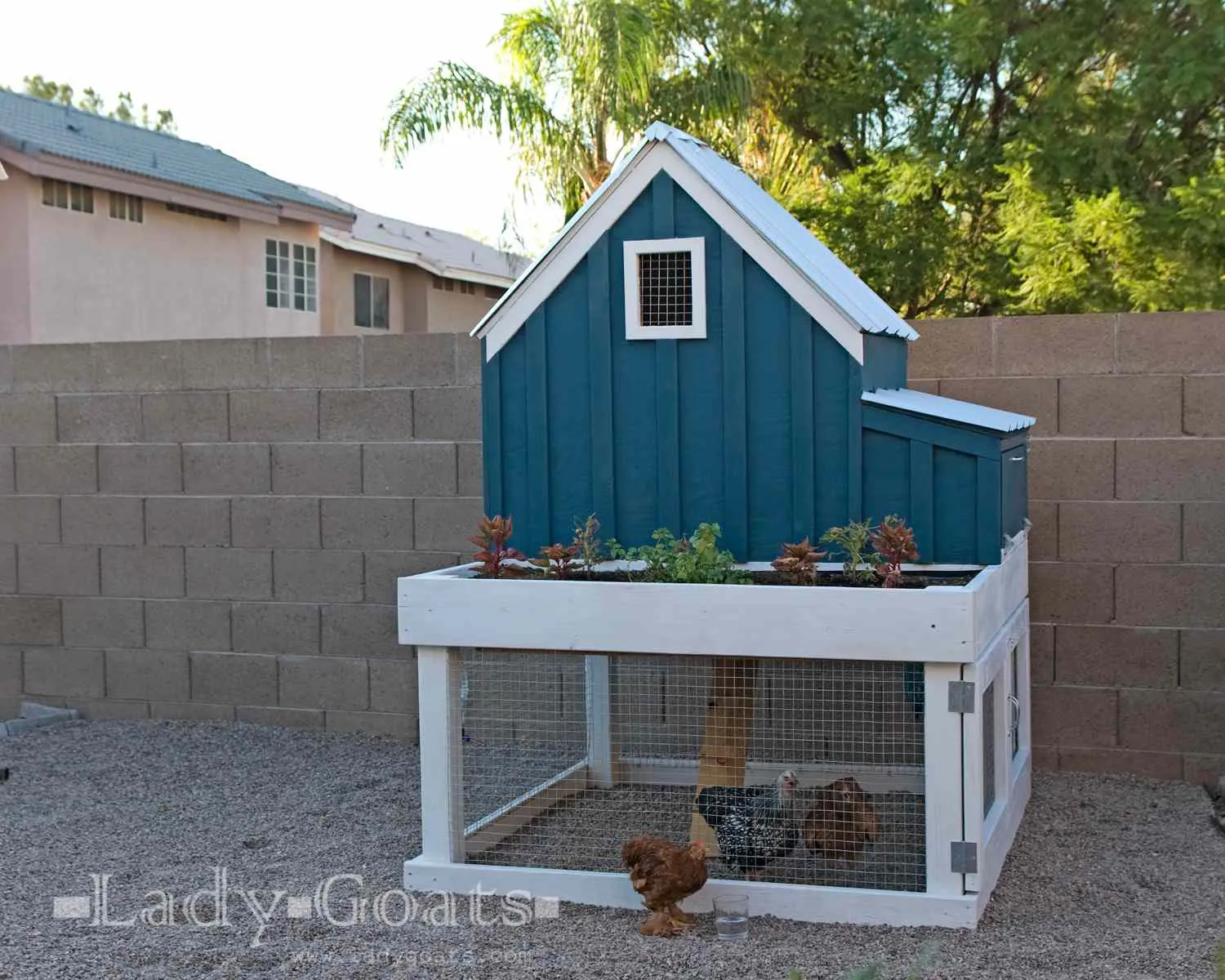
Choosing the Right DIY Chicken Coop Plans
Embarking on a DIY chicken coop project can be a rewarding experience, providing fresh eggs and a charming addition to your backyard. However, success hinges on carefully selecting the right plans. The perfect DIY chicken coop plans should align with your specific needs, including the number of chickens you intend to house, the available space in your yard, and your budget. The best plans provide clear, easy-to-follow instructions, a detailed material list, and a design that prioritizes the health and safety of your flock. This guide will walk you through the essential factors to consider when choosing DIY chicken coop plans, ensuring a smooth and successful building process.
Consider Your Flock Size
One of the first and most crucial aspects of selecting DIY chicken coop plans is determining the size of your flock. Chickens require a certain amount of space per bird to thrive. Overcrowding leads to stress, increased disease risk, and behavioral issues like pecking and feather plucking. A general guideline is to allow at least 4 square feet of floor space per chicken inside the coop and 8-10 square feet per bird in the outdoor run. Before choosing any plans, accurately estimate the number of chickens you plan to keep, allowing for potential future expansion. This will inform the required coop dimensions and ensure adequate living conditions for your feathered friends.
Assessing Available Space

Your backyard’s available space is another critical factor in selecting appropriate DIY chicken coop plans. Consider both the footprint of the coop itself and the surrounding area for the run. The run is the outdoor space where your chickens will spend most of their day foraging, scratching, and socializing. Ensure you have enough room for a secure run that provides ample space for the chickens to move around comfortably. Also, think about the location of the coop within your yard. It should be easily accessible for cleaning and maintenance but also sheltered from harsh weather conditions and direct sunlight. Remember to comply with any local zoning regulations regarding coop size and placement.
Budget Considerations
DIY projects offer cost savings but still require careful budgeting. Before choosing plans, determine your budget limitations. Different coop designs require varying amounts of materials and labor, which directly impacts the overall cost. Research the prices of lumber, hardware, roofing materials, and other necessary components in your local area. Some plans are more elaborate, using premium materials, while others are designed to be budget-friendly using reclaimed or readily available materials. Factor in the cost of tools you may need to purchase or rent. Creating a detailed budget and sticking to it will prevent unexpected expenses and ensure you complete your coop project without financial strain. There are many DIY chicken coop plans available online and in books, so you can find one that fits your budget.
Essential Materials for Your Coop
The materials you choose for your DIY chicken coop significantly impact its durability, longevity, and the well-being of your chickens. Selecting high-quality materials that can withstand the elements, deter predators, and provide a comfortable living environment is essential. A detailed material list is crucial to ensure that your coop is built to last. This section explores the key materials needed for a successful chicken coop build, offering insights to help you make informed decisions.
Wood Types and Their Suitability

The choice of wood is one of the most critical decisions in building a chicken coop. Pressure-treated lumber is a popular choice for its resistance to rot, decay, and insects. However, some concerns exist regarding the chemicals used in pressure treatment, so it’s essential to choose wood that’s safe for chickens. Cedar and redwood are naturally rot-resistant and aesthetically pleasing options but can be more expensive. Pine is a more budget-friendly option, but it requires regular sealing and maintenance to protect against the elements. Consider the local climate, the lifespan you desire for your coop, and your budget when selecting the type of wood. Remember to avoid wood treated with harmful chemicals and always prioritize the safety and health of your chickens.
Hardware and Fasteners
The hardware and fasteners you use play a vital role in the structural integrity and longevity of your chicken coop. Opt for corrosion-resistant hardware, such as galvanized screws, nails, and hinges, to prevent rust and ensure your coop withstands the weather. Choose screws over nails whenever possible, as they provide a stronger and more durable connection. Use sturdy hinges and latches on doors and access points to prevent predators from entering. Consider using hardware cloth or welded wire mesh with small openings for the run, as this will offer better protection against predators than chicken wire. Selecting the right hardware and fasteners is a critical step in building a secure and long-lasting coop.
Tools You’ll Need
Building a DIY chicken coop requires a set of essential tools. The specific tools you need will depend on the complexity of your chosen plans, but some basic tools are indispensable. You’ll likely need a saw (circular, hand, or reciprocating), a drill, a level, a measuring tape, a hammer, and a screwdriver. Clamps can be incredibly useful for holding pieces together while you assemble the coop. A staple gun is essential for attaching wire mesh. If you’re not familiar with power tools, consider investing in safety equipment such as safety glasses, ear protection, and work gloves. Having the right tools will make the building process easier, safer, and more efficient.
Step-by-Step Construction Guide

Once you have chosen your plans and gathered your materials, the construction phase begins. Following a step-by-step construction guide is crucial for a successful build. Clear instructions, detailed diagrams, and careful attention to detail are key to creating a safe, secure, and functional coop. This section provides a general overview of the construction process, highlighting important considerations for each stage.
Building the Coop Frame
The frame is the skeleton of your chicken coop, providing structural support. Begin by constructing the base, ensuring it is level and square. Then, build the walls, attaching the vertical studs to the base and top plates. Follow the plans carefully, ensuring that all measurements are accurate. Use a level to ensure the frame is plumb and square. Consider adding corner braces for extra stability. Once the frame is complete, double-check all measurements and connections before moving on to the next step. The frame’s stability is critical for the overall longevity and safety of your coop.
Adding Walls and Roofing
Once the frame is complete, you can begin adding the walls and roofing. Attach the siding to the frame, ensuring it is securely fastened. Overlap the siding to create a weather-resistant barrier. For the roof, follow the plans for the specific type of roofing material you’ve chosen, whether it’s shingles, corrugated metal, or other options. Make sure the roof overhangs the walls to protect the coop from rain and snow. Proper installation of the walls and roofing is essential for keeping your chickens dry, warm, and protected from the elements.
Creating Ventilation and Windows

Proper ventilation is crucial for the health of your chickens. It helps remove moisture, ammonia, and odors from the coop, preventing respiratory problems and maintaining a healthy environment. Plan for ventilation in your design, considering vents placed at the top of the walls and below the roofline. Windows are also essential for natural light and can aid in ventilation. Choose windows that can be securely closed and opened. Cover the windows with hardware cloth to prevent predators from entering while still allowing airflow. Good ventilation, combined with adequate light, will create a comfortable and healthy environment for your chickens.
Installing the Chicken Door and Ramp
The chicken door and ramp provide access for your chickens to enter and exit the coop safely. Choose a door size appropriate for your chickens, and ensure it is securely attached. Design the door to be easy to open and close, either manually or with an automatic door opener. A ramp is essential for chickens to access the coop, especially if it’s elevated. The ramp should be wide enough for chickens to walk up and down comfortably, with a gentle slope. Consider adding small cleats to the ramp to provide traction and prevent slips.
Internal Coop Features
The interior of your chicken coop needs to be designed for comfort, safety, and the specific needs of your chickens. This includes roosting bars, nesting boxes, and proper placement of food and water. Thoughtful design of these internal features will contribute to the overall well-being of your flock and make coop maintenance easier.
Roosting Bars and Nesting Boxes

Roosting bars provide a place for chickens to sleep at night. Position the roosting bars away from drafts and near the ceiling, as chickens prefer to roost higher up. Provide enough roosting space for all your chickens, allowing about 10-12 inches per bird. Nesting boxes are essential for egg-laying. Provide one nesting box for every 3-4 hens. Place the nesting boxes in a dark, quiet, and easily accessible location. Line the boxes with soft, clean bedding such as straw or wood shavings. Ensure the nesting boxes are easily accessible for egg collection.
Feeder and Waterer Placement
Proper placement of feeders and waterers is critical for keeping your chickens fed and hydrated while maintaining a clean and hygienic environment. Place the feeders and waterers in a location that’s easily accessible but also minimizes waste and mess. Consider using hanging feeders and waterers to prevent chickens from roosting on them and contaminating the food and water. Regular cleaning and maintenance of the feeders and waterers are essential to prevent the spread of disease and ensure the health of your chickens.
Ensuring Coop Security
Protecting your chickens from predators is paramount. A well-designed coop should be impenetrable to common predators such as foxes, raccoons, coyotes, and even domestic pets. Secure the coop’s structure from the ground up, paying close attention to potential points of entry. This section outlines critical steps to safeguard your flock.
Predator-Proofing Your Coop

Predator-proofing your coop starts with using strong, durable materials. Cover all openings with sturdy hardware cloth or welded wire mesh. Bury the wire mesh around the perimeter of the coop underground to prevent digging predators from gaining access. Secure all doors, windows, and access points with robust latches and locks. Consider adding a hardware cloth skirt around the base of the coop to further deter digging predators. Regularly inspect your coop for any signs of damage or potential vulnerabilities.
Securing the Coop’s Foundation
The foundation of your coop is a critical element for security. If your coop is built directly on the ground, consider adding a concrete base or burying hardware cloth around the perimeter to prevent digging. For coops built on skids, ensure the skids are securely anchored. Regularly inspect the foundation for any signs of erosion or damage. Make sure that the coop is level and stable on its foundation. A secure foundation prevents predators from accessing the coop from below and contributes to the overall longevity of your coop.
Maintaining Your DIY Chicken Coop
Regular maintenance is key to extending the life of your DIY chicken coop and ensuring the health and safety of your chickens. This includes regular cleaning, seasonal maintenance, and prompt repairs when needed. Consistent care and attention to your coop will not only help it last longer but will also contribute to a more pleasant experience for both you and your chickens.
Cleaning and Hygiene

Regular cleaning is essential for maintaining a healthy environment inside your coop. Remove droppings, soiled bedding, and any spilled feed regularly. Deep clean the coop at least once a month, removing all bedding, scrubbing the walls and floors with a poultry-safe disinfectant, and replacing the bedding with fresh materials. Clean the feeders and waterers regularly to prevent the buildup of bacteria and mold. Ensure the coop is well-ventilated to minimize moisture buildup. A clean coop helps prevent the spread of diseases and keeps your chickens healthy and happy.
Seasonal Coop Maintenance
Seasonal maintenance is crucial for keeping your coop in top condition. Inspect the coop before winter to ensure it’s well-insulated and protected from drafts. During the summer, provide shade and ensure adequate ventilation to keep the coop cool. Check for any signs of wear and tear throughout the year, and make repairs promptly. Regularly inspect the roof for leaks and the foundation for any signs of damage. Seasonal maintenance helps to prevent problems before they escalate and ensures that your coop provides a safe and comfortable home for your chickens year-round.