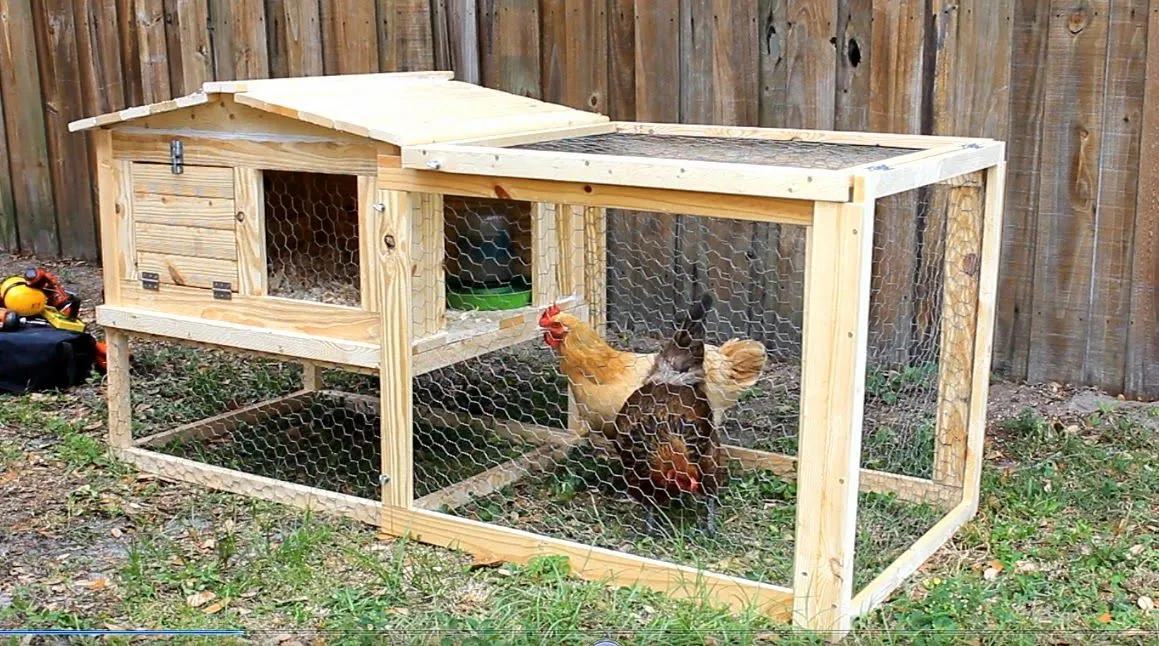
Why Build an Easy Chicken Coop?
Building an easy chicken coop is a rewarding project that offers numerous benefits, making it an excellent choice for both novice and experienced DIY enthusiasts. Raising chickens in your backyard provides a sustainable source of fresh eggs, reducing your reliance on store-bought products and ensuring you know exactly where your food comes from. Furthermore, keeping chickens can significantly contribute to your garden’s health. Chickens naturally fertilize the soil with their manure, and they also help control pests like slugs and insects, which can be detrimental to your plants. The whole process is an interactive experience.
Benefits of a Backyard Chicken Coop
Beyond the practical advantages, a chicken coop can also enrich your lifestyle. It provides a unique opportunity to connect with nature, observe animal behavior, and teach children about responsibility and animal care. The daily routines of tending to chickens, collecting eggs, and ensuring their well-being can be incredibly therapeutic and provide a sense of accomplishment. Moreover, with an easy-to-build coop, you can customize the design to match your backyard aesthetics, creating a charming and functional addition to your property. You can also control the diet and living conditions of your chickens, contributing to their overall health and the quality of the eggs they produce.
Top 5 Tips for an Easy Chicken Coop Build

Building a chicken coop doesn’t have to be a daunting task. With these five tips, you can create a functional and safe home for your chickens without extensive carpentry skills or a huge budget. These suggestions focus on simplifying the construction process, selecting the right materials, and ensuring your coop meets all the essential needs of your flock. By focusing on these key areas, you can save time, reduce costs, and enjoy the rewarding experience of raising chickens in your backyard. Remember to prioritize the health and safety of your chickens throughout the building process.
Tip 1 Choose the Right Location
The location of your chicken coop is critical to the success and longevity of your coop. Choose a spot that is level and well-drained to prevent water from pooling around the coop. Also, consider the amount of sunlight and shade the area receives. Chickens need both, with shade being particularly important during hot summer months to prevent heat stress. Additionally, make sure the coop is easily accessible for daily care and cleaning, as you’ll be visiting it regularly to collect eggs, provide food and water, and maintain the coop’s cleanliness. The right location also helps with predator protection.
Consider Sunlight and Shade
Sunlight is essential for chickens, as it helps regulate their internal clocks and promotes vitamin D production. However, excessive exposure to direct sunlight, especially during peak hours, can lead to overheating and stress. Therefore, the ideal location should offer a balance of sunlight and shade. Consider planting trees or shrubs near the coop to provide natural shade or constructing a covered run. Providing shade will help keep your chickens comfortable and productive throughout the year. This will also make your coop more sustainable and easier to maintain, making sure your chickens are healthy and stress-free.
Accessibility for Maintenance

Easy access to your chicken coop is vital for routine maintenance. The coop should be located in a spot where you can easily access it with a wheelbarrow or other tools to clean it and provide food and water. Ensure the location is not too far from your house, so you can quickly check on your chickens and perform daily chores. Consider the surface around the coop, making sure it’s solid enough to prevent mud and easy to walk on, particularly during wet weather. Thoughtful planning for accessibility will save you time and effort and make chicken keeping a more enjoyable experience.
Tip 2 Select Suitable Materials
The materials you choose for your chicken coop directly impact its durability, safety, and overall aesthetic. When selecting materials, prioritize those that are weather-resistant, durable, and non-toxic to chickens. Avoid materials that could splinter or harbor mites and other pests. Consider the climate in your area and select materials accordingly, such as using treated lumber in areas with high humidity or rainfall. Proper material selection is crucial for ensuring the coop lasts for years and protects your flock from the elements and predators.
Wood Types for Chicken Coops
Wood is a popular choice for chicken coops because it’s relatively easy to work with and aesthetically pleasing. Untreated cedar and redwood are excellent choices, as they are naturally resistant to rot and insects. Pressure-treated lumber is another option, especially for the coop’s foundation and any parts that come into contact with the ground. When using treated wood, make sure it is suitable for animal contact, and allow it to dry completely before introducing your chickens. Avoid using plywood, as it can delaminate and is not as durable as solid wood.
Hardware Cloth and Wire Mesh

Hardware cloth or welded wire mesh is essential for creating a secure coop and preventing predators from entering. Use hardware cloth with small openings (1/2 inch or smaller) to cover windows, vents, and the entire run area. It is more durable and predator-resistant than chicken wire, which is less secure and easily torn. When attaching hardware cloth, make sure to overlap the edges and secure it with staples or screws to prevent gaps. Properly installed hardware cloth is a critical component of a secure chicken coop and will protect your chickens from various predators.
Tip 3 Design for Easy Cleaning
Regular cleaning is essential for maintaining a healthy environment for your chickens and preventing the buildup of harmful bacteria and odors. Designing your coop with easy cleaning in mind will save you time and effort, making the chore less burdensome. Consider incorporating features like removable dropping boards, smooth interior surfaces, and a wide, accessible door to make cleaning easier. A well-designed coop not only benefits your chickens but also makes the whole experience more enjoyable for you.
Removable Dropping Boards
Removable dropping boards placed under the roosting bars make cleaning a breeze. These boards catch the droppings overnight, which can then be easily removed and cleaned. You can simply slide out the boards and scrape or hose them off. This method keeps the coop floor cleaner and reduces the need for frequent deep cleaning. By making the coop easier to clean, you can easily maintain a healthy environment, which promotes the health of your chickens and reduces the risk of disease.
Smooth Interior Surfaces

Choosing materials with smooth surfaces helps make cleaning the coop easier. Avoid using rough or porous materials, as these can trap dirt, dust, and bacteria. Smooth surfaces are easier to wipe down and sanitize, which reduces the risk of disease and keeps your chickens healthy. You can also use non-toxic paint or sealant on the interior of the coop to further protect the surfaces and make them easier to clean. The design of your coop significantly impacts the ease and frequency with which you need to clean it.
Tip 4 Ensure Proper Ventilation
Proper ventilation is essential for a healthy chicken coop environment. It helps to remove ammonia, moisture, and excess heat, which can lead to respiratory problems and diseases in chickens. Good ventilation also prevents the buildup of moisture, which can promote the growth of mold and bacteria. Designing the coop with sufficient ventilation is a critical step in ensuring the well-being of your flock and extending the life of your coop.
Ventilation Design
The best ventilation design incorporates both upper and lower vents. Upper vents, typically near the roofline, allow warm, moist air to escape. Lower vents, such as vents near the floor, allow fresh air to enter. Make sure to design your coop with protected vents, such as those covered with hardware cloth, to prevent drafts and keep out predators. The placement and size of the vents will depend on the coop’s size and the local climate, ensuring optimal airflow while protecting chickens from the elements. It will also help with maintaining proper humidity levels.
Airflow and Odor Control

Proper airflow helps to control odors and prevent the buildup of ammonia. Ensure that air can circulate freely throughout the coop, removing stale air and bringing in fresh air. Good ventilation also helps keep the coop dry, which is important for preventing the growth of mold and bacteria. Regular cleaning of the coop is essential for odor control, but proper ventilation is critical for maintaining a healthy and pleasant environment for both your chickens and you. This helps them live longer and helps maintain the health of the coop itself.
Tip 5 Secure Your Coop from Predators
Protecting your chickens from predators is paramount. Predators can include foxes, raccoons, dogs, coyotes, and even birds of prey, making a secure coop a non-negotiable aspect of chicken keeping. A predator-proof coop should be built with sturdy materials and secure features designed to deter and prevent access by predators. Proper security measures will provide peace of mind and help ensure your chickens’ safety. It’s far easier and more affordable to build a secure coop than to deal with the loss of chickens to predators.
Hardware Cloth for Security
As mentioned earlier, hardware cloth is an essential material for predator-proofing your coop. Use it to cover all windows, vents, and the entire run area. It is far more secure than chicken wire, which predators can easily tear or chew through. Ensure the hardware cloth is securely attached, with no gaps or weak points where predators could gain access. Using hardware cloth is a key step in preventing unwanted visitors from harming your chickens. It will also help your chickens live longer and healthier lives.
Burial of Wire Mesh

Burying wire mesh or hardware cloth around the perimeter of your coop and run is a critical step in preventing predators from digging under the walls. Dig a trench at least 12 inches deep and bury the wire mesh, extending it outwards from the coop. This prevents predators from digging under the walls to gain entry. Adding rocks or concrete around the buried wire mesh provides an additional layer of security. Take care to bury the wire securely to prevent predators from undermining your coop and putting your chickens at risk.
Easy Chicken Coop Building Conclusion
Building an easy chicken coop can be a fulfilling project that provides fresh eggs, enriches your garden, and offers a connection with nature. By following these five tips, you can simplify the building process and create a safe, functional, and attractive home for your chickens. Remember to prioritize location, material selection, ease of cleaning, ventilation, and predator protection to ensure a happy and healthy flock. The key is careful planning and taking the time to build the coop right the first time. Once you’ve built your coop, you can enjoy the satisfaction of knowing you’ve created a safe and comfortable home for your chickens.