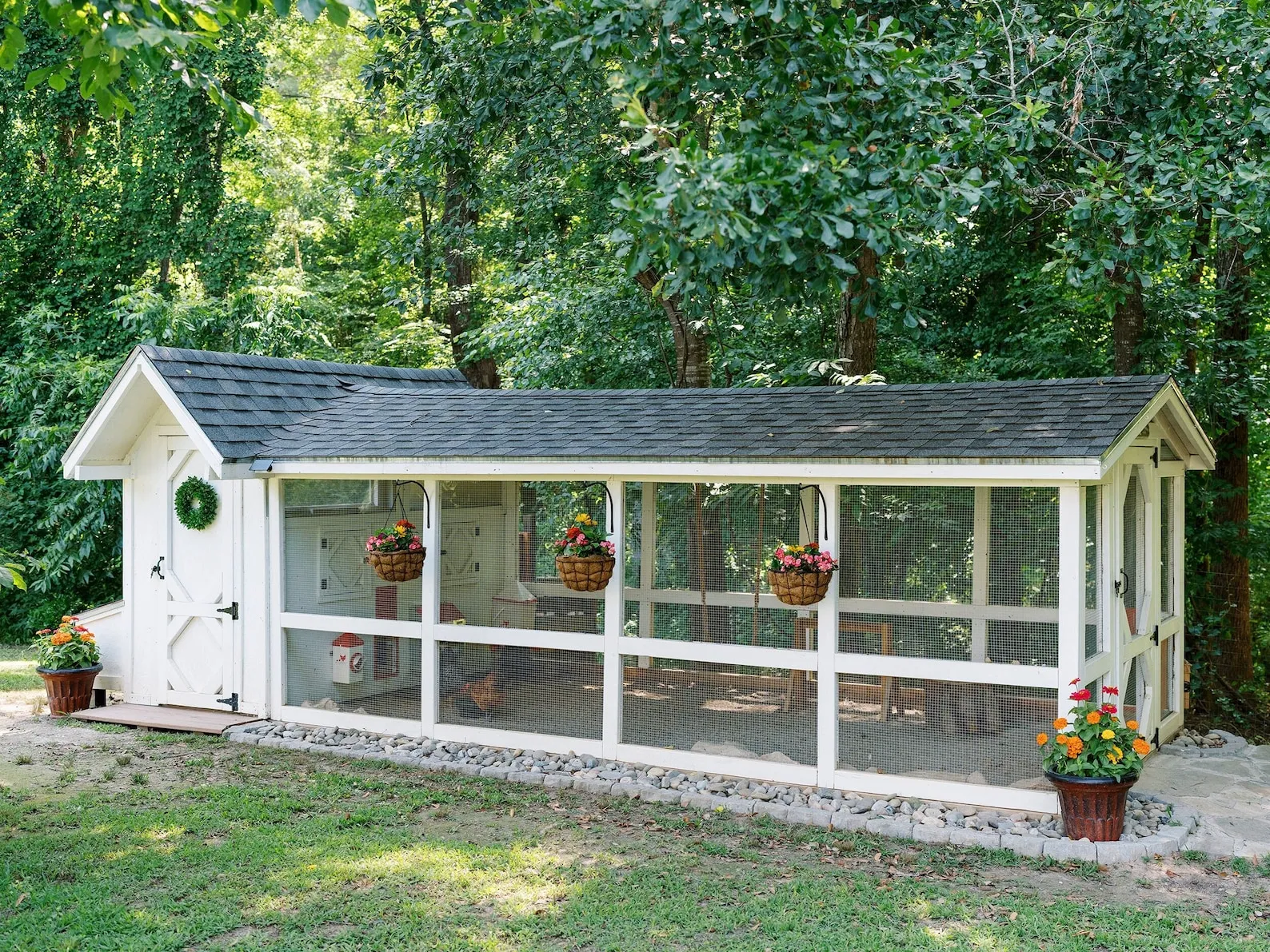
What are Easy Chicken Coop Plans
Easy chicken coop plans are designed for simplicity, allowing you to build a functional and safe home for your chickens with minimal experience and effort. These plans prioritize straightforward construction techniques, readily available materials, and clear, concise instructions. They cater to beginners, focusing on designs that can be completed within a reasonable timeframe and budget. The goal is to provide backyard chicken keepers with accessible options that make the process of coop construction less daunting and more enjoyable, ensuring a comfortable and secure environment for your flock. This approach empowers individuals to create their own coops, saving money and fostering a deeper connection with their chickens while promoting sustainable practices.
Why Choose Easy Chicken Coop Plans
Choosing easy chicken coop plans offers numerous benefits for both novice and experienced chicken keepers. Firstly, they significantly reduce the time and effort required for construction, often allowing you to complete the project within a weekend or a few days. This convenience is perfect for busy individuals or those new to DIY projects. Secondly, these plans typically involve cost-effective materials, minimizing expenses without compromising the coop’s functionality or safety. The simplicity of the designs also reduces the chances of errors during construction, ensuring a more successful outcome. Furthermore, easy-to-follow plans boost confidence and provide a sense of accomplishment as you create a safe and comfortable home for your chickens, strengthening your connection with your flock and the joys of backyard chicken keeping. Finally, easy plans often incorporate sustainable practices like using reclaimed materials, aligning with eco-friendly values and promoting a greener lifestyle.
Top 5 Easy Chicken Coop Plans

Here are five excellent easy chicken coop plans, each offering unique advantages for different needs and preferences. These plans range from basic, budget-friendly designs to slightly more elaborate structures, ensuring there is a suitable option for everyone. Each plan emphasizes ease of construction, utilizing readily available materials and straightforward building techniques. Consider the size of your flock, your available space, and your budget when selecting the ideal plan. Remember to always prioritize the safety and comfort of your chickens, ensuring the coop is secure from predators and provides adequate ventilation and space. Choosing the right plan is the first step in creating a happy and healthy environment for your backyard chickens, setting the stage for years of enjoyment.
Plan 1: The Basic Coop
The Basic Coop is a straightforward, no-frills design perfect for beginners. Its simplicity lies in its rectangular shape and minimal components, making it quick and easy to build. This plan is ideal if you’re looking for a budget-friendly option without compromising functionality. The Basic Coop focuses on providing essential shelter and protection for your chickens, with a secure roosting area and nesting boxes. Its design is easily adaptable to different sizes, allowing you to customize it based on the number of chickens you plan to keep. This plan prioritizes ease of construction, reducing the need for complex carpentry skills or specialized tools. The Basic Coop is an excellent starting point for anyone new to backyard chicken keeping.
Materials Needed for the Basic Coop
For the Basic Coop, you’ll need a few essential materials that are easily found at any hardware store. The primary material is lumber, typically pressure-treated wood for the frame and exterior walls to withstand the elements. You’ll also need plywood for the floor, roof, and nesting boxes. Other essential materials include hardware cloth or wire mesh for the windows and ventilation, preventing predators from entering while allowing airflow. Roofing materials, such as asphalt shingles or corrugated metal, are needed to protect the coop from rain and sun. Screws, nails, and hinges are crucial for assembling the structure, along with a latch to secure the door. Finally, consider adding a roosting bar made of wood and some nesting boxes made of wood or plastic for your chickens’ comfort and laying needs.
Building the Basic Coop

Building the Basic Coop involves a few straightforward steps. Start by constructing the frame, ensuring all corners are square and secure. Attach the plywood to create the floor, walls, and roof, leaving openings for windows and ventilation. Cover these openings with hardware cloth or wire mesh, attaching them securely to the frame. Install the door with hinges and a sturdy latch. Add the roosting bar and nesting boxes inside the coop. Finally, cover the roof with your chosen roofing material. Throughout the construction process, ensure all materials are securely fastened and that there are no gaps or openings where predators could enter. Taking your time and following the plan carefully will result in a safe and functional coop for your chickens. Remember to always measure twice and cut once.
Plan 2: The A-Frame Coop
The A-Frame Coop offers a unique and stylish design, characterized by its slanted roof that resembles the letter A. This design is not only visually appealing but also practical, as it sheds rain and snow effectively. The A-Frame is a great choice for those seeking a portable or easily movable coop, as its construction is often lighter and more compact than traditional designs. The simple structure makes it relatively easy to build, even for beginners, and it provides excellent shelter for your chickens. It typically features a ground-level entrance for easy access and a roosting area inside the coop. Its design is a fantastic choice for those looking for a balance of functionality, aesthetics, and ease of construction.
Materials for the A-Frame Coop
The A-Frame Coop requires a similar set of materials to the Basic Coop, but with a few adjustments to accommodate its unique design. You’ll primarily need lumber, particularly for the frame and roof supports, often using pressure-treated wood for durability. Plywood is used for the walls, floor, and possibly the roof, although you could opt for corrugated metal or other roofing materials. Hardware cloth or wire mesh is essential for the windows and ventilation, providing protection while allowing airflow. Screws, nails, and hinges are needed to assemble the structure, and a latch to secure the door. Consider including a roosting bar made of wood, and nesting boxes made of wood or plastic. Because of its portability, you might want to add handles or wheels. The choice of materials will affect the coop’s longevity and appearance, so select accordingly.
Constructing the A-Frame Coop

Building the A-Frame Coop involves constructing the A-shaped frame, which forms the structural core of the coop. The angle of the A-frame is crucial for proper water runoff. Once the frame is assembled, attach the plywood or other materials to create the walls and roof. Ensure the roof overhangs to protect the walls from rain. Incorporate windows or ventilation openings, covering them with hardware cloth. Build a door and install it with hinges and a secure latch. Add a roosting bar inside the coop, and install the nesting boxes. The construction process might require careful measurements and precise cuts to ensure the frame is stable and that the roof fits snugly. Take your time, follow the plans carefully, and double-check all measurements to ensure a successful build.
Plan 3: The Portable Coop
The Portable Coop is designed for mobility, allowing you to easily move your chickens to fresh grazing areas. This coop is ideal for those with larger yards or gardens, as it helps distribute manure and prevents overgrazing in one spot. The key to its portability is its lightweight construction and often, the inclusion of wheels or handles. Portable coops can be built in various shapes and sizes, from small tractors to larger structures on wheels. The primary benefit is its ability to improve soil health and provide a diverse diet for your chickens. This design is a great option for those who want to practice rotational grazing or simply keep their chickens entertained with a constantly changing environment.
Materials for the Portable Coop
The materials for a Portable Coop often include lightweight lumber, such as pine, to minimize weight. Plywood is used for the walls, floor, and roof. Hardware cloth or wire mesh is critical for ventilation and to keep predators out. Wheels are essential for mobility, and you can use anything from salvaged wheels to purpose-built ones. Screws, nails, hinges, and a latch are standard for assembling the structure. Consider adding a towing handle or a way to easily move the coop. Depending on the design, you may need additional materials like corrugated metal for the roof or a plastic tarp for weather protection. The key is to balance durability with weight to ensure the coop is manageable and safe for your chickens.
Building the Portable Coop

Building the Portable Coop involves constructing a frame that is both sturdy and lightweight. Attach the walls, floor, and roof, paying close attention to the design’s specific features. Incorporate windows or ventilation openings, securing them with hardware cloth. Install the wheels, ensuring they are securely attached and can support the coop’s weight. Add a door with a secure latch. Inside, include a roosting bar and nesting boxes. The construction process requires precise measurements and careful assembly to ensure stability, especially when moving the coop. Prioritize smooth wheel movement and a balanced design to make the coop easy to maneuver around your yard. Test the coop for stability and ease of movement before introducing your chickens.
Plan 4: The Pallet Coop
The Pallet Coop is a budget-friendly and eco-conscious option that repurposes wooden pallets. Pallets provide a readily available and often free source of lumber, making this a very economical choice. The rustic charm and unique character of pallets can add a distinctive look to your backyard. This plan is perfect for those looking to reduce waste and build a coop with a low environmental impact. The construction typically involves disassembling the pallets to create the coop frame or using the pallets themselves as the walls and floor. Pallet coops can range in size and complexity, but the basic concept remains the same repurposing materials. This plan is a fun project that combines practicality with sustainability.
Sourcing Pallets for your Coop
Sourcing pallets is a key step in building a Pallet Coop. Start by contacting local businesses such as construction sites, hardware stores, and shipping companies, as they often have pallets they are willing to give away or sell for a low price. Check online marketplaces and social media groups for free or inexpensive pallets. When selecting pallets, make sure they are made of untreated wood, as treated wood may contain chemicals that are harmful to chickens. Look for the “HT” stamp, which indicates the pallet has been heat-treated, a safe alternative to chemical treatments. Avoid pallets marked with “MB,” which means they have been treated with methyl bromide, a dangerous pesticide. Clean the pallets thoroughly before starting your project to remove any dirt or debris.
Building with Pallets

Building with pallets involves either disassembling the pallets and using the wood for the frame or using the pallets themselves as the walls and floor of the coop. If disassembling, carefully pry apart the boards, removing any nails or staples. When using whole pallets, you will need to reinforce the structure with additional lumber. Secure the pallets together using screws and nails, creating the walls, floor, and roof. Ensure that there are no gaps or openings where predators could enter. Use plywood or other materials to create the roof and add a secure door. Incorporate hardware cloth or wire mesh for the windows and ventilation. Pallet projects require careful planning and precise execution to ensure stability and safety, so take your time and make sure everything is securely fastened. Consider adding features like roosting bars and nesting boxes made from pallet wood to enhance the coop.
Plan 5: The Upcycled Coop
The Upcycled Coop embraces the concept of reusing and repurposing materials to create a unique and sustainable chicken home. This plan encourages creativity, allowing you to use materials like old doors, windows, and other salvaged items to construct a charming and eco-friendly coop. The Upcycled Coop offers a personalized and distinctive aesthetic, allowing you to reflect your style and values. This is a rewarding project for those passionate about reducing waste and giving new life to discarded items. It encourages you to explore different materials and building techniques, resulting in a one-of-a-kind coop that’s both functional and visually appealing.
Finding Materials for the Upcycled Coop
Finding materials for the Upcycled Coop is all about the hunt. Start by exploring local salvage yards, thrift stores, and online marketplaces for old doors, windows, and other potential components. Keep an eye out for discarded furniture, such as cabinets or dressers, that can be repurposed into nesting boxes or storage areas. Check with friends, family, and neighbors who might have unwanted items you can use. When selecting materials, ensure they are made of safe, non-toxic materials. Remove any old paint or finishes that might be harmful to chickens and consider the weather resistance of the materials. The goal is to find creative solutions for your coop, transforming discarded items into a comfortable and functional space for your flock.
Building the Upcycled Coop

Building the Upcycled Coop involves adapting salvaged materials to create a cohesive structure. Start by planning your design, considering the size and shape of the items you have available. Use an old door as the main entrance, and incorporate windows for ventilation and light. Reinforce the structure with lumber to create a sturdy frame. Securely attach all repurposed components, ensuring the coop is weather-resistant and predator-proof. Consider using reclaimed wood for the siding or roofing, and add features like roosting bars and nesting boxes using salvaged materials. This process requires careful planning, creative problem-solving, and a willingness to experiment. The result will be a unique and sustainable coop that reflects your individual style and commitment to environmental responsibility.
Essential Considerations for Your Chicken Coop
When planning and building your chicken coop, several essential considerations can make the difference between a successful coop and one that fails to meet your chickens’ needs. Before you begin, evaluate your local climate and weather conditions, and make sure your design accounts for proper ventilation and protection from the elements. Consider the size of your flock and ensure that the coop is spacious enough to accommodate them comfortably, allowing for adequate roosting space and nesting boxes. Prioritize safety, designing the coop to protect your chickens from predators and using secure latches and hardware to prevent escapes. Finally, select materials that are durable, easy to clean, and resistant to pests and diseases, to create a healthy and sustainable environment for your chickens.
Size and Space Requirements for Your Chickens
Providing adequate space is critical for the health and well-being of your chickens. The general guideline is to provide at least 4 square feet of floor space per chicken inside the coop. This space allows them to move around freely and avoids overcrowding, which can lead to stress, bullying, and disease. Additionally, consider the number of nesting boxes needed, as a good rule of thumb is one nesting box for every 3-4 hens. Ensure the roosting bars provide enough linear space for each chicken to roost comfortably, about 8-12 inches per bird. Consider the size of your breed; larger breeds will need more space. A well-sized coop promotes healthy chickens by allowing them to exercise, rest comfortably, and access their resources without competition.
Ventilation and Airflow in Your Coop

Proper ventilation is vital for maintaining a healthy environment inside your chicken coop. Good airflow removes moisture, ammonia, and other harmful gases that can build up from droppings and respiration. Ventilation also helps regulate temperature, preventing overheating in the summer and excessive moisture buildup in the winter. When designing your coop, incorporate vents near the roofline, such as gable vents or ridge vents, to allow air to escape. Ensure that the vents are covered with hardware cloth to prevent drafts and keep out predators. Avoid placing vents directly over the roosting bars, as this can cause the chickens to become chilled. Good ventilation is important for respiratory health and the overall comfort of your chickens.
Predator-Proofing Your Chicken Coop
Protecting your chickens from predators is essential for their safety and your peace of mind. Start by using sturdy materials to construct the coop, such as pressure-treated wood and hardware cloth, rather than chicken wire, which is easily torn by predators. Bury hardware cloth at least 12 inches deep around the perimeter of the coop to prevent digging predators from entering. Ensure that all openings, including windows and vents, are covered with secure hardware cloth. Use strong latches and locks on all doors and access points, and consider adding a run with a covered top for added protection. Regularly inspect the coop for any signs of damage or weakness. By taking these precautions, you can significantly reduce the risk of predator attacks and ensure a safe home for your chickens.
Maintaining Your Chicken Coop
Regular maintenance is key to keeping your chicken coop in good condition and ensuring the health and well-being of your chickens. This includes routine cleaning, inspections, and repairs. The frequency of maintenance will depend on the size of your flock, the coop’s design, and your local climate. By following a consistent maintenance schedule, you can extend the life of your coop, prevent disease, and create a comfortable environment for your chickens. Regular upkeep not only benefits your flock but also helps maintain the value of your investment.
Cleaning and Hygiene of Your Coop
Regular cleaning and good hygiene are essential for preventing disease and maintaining a healthy environment in your chicken coop. Remove droppings and soiled bedding materials regularly, ideally every day or every other day. Fully clean the coop at least once a month, removing all bedding, scrubbing down the surfaces with a poultry-safe disinfectant, and allowing it to dry completely before adding fresh bedding. Consider using deep litter methods, where you layer bedding materials, such as straw or wood shavings, to help decompose manure and reduce the frequency of cleaning. Proper hygiene also involves providing fresh water and food daily and cleaning feeders and waterers regularly to prevent the growth of bacteria and mold. Maintaining a clean coop helps protect your chickens from disease and improves their overall health.
Making the Coop a Comfortable Home
Making the coop a comfortable home is crucial for the health and happiness of your chickens. Provide ample space for each bird, allowing them to move freely. Offer comfortable roosting bars that are the correct size and shape. Add nesting boxes lined with soft bedding like straw or wood shavings. Ensure adequate ventilation to control temperature and remove moisture. Provide access to fresh water and a nutritious diet. In the winter, consider adding extra insulation and providing a heat source, if needed, while always prioritizing safety. In the summer, provide shade and ensure good ventilation to prevent overheating. Enrich the environment with toys like hanging vegetables, mirrors, or climbing structures to keep your chickens entertained and engaged.