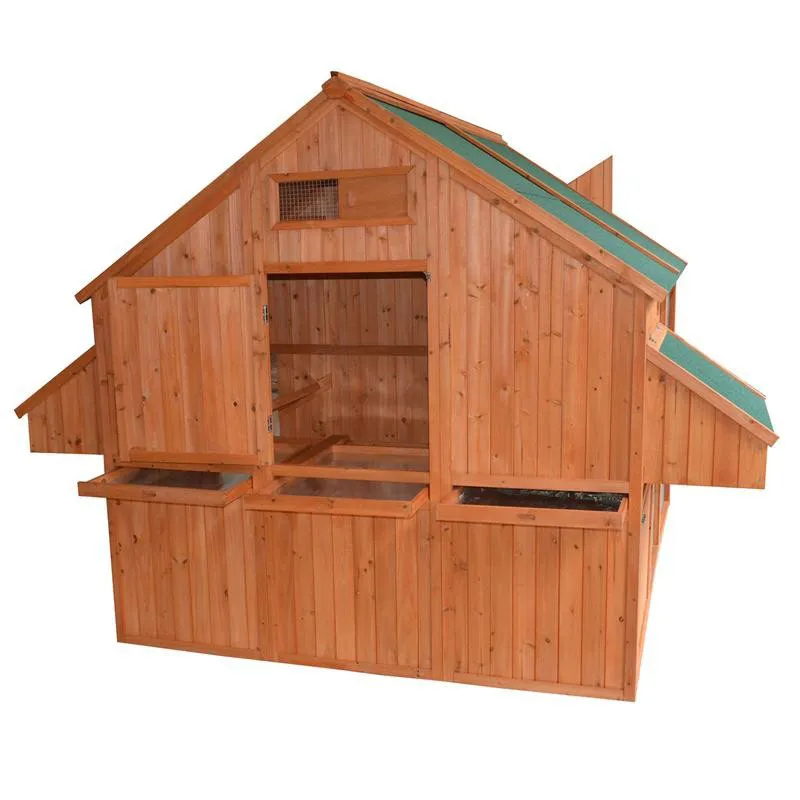
Choosing Your Extra Large Chicken Coop
Embarking on the journey of building an extra large chicken coop is an exciting endeavor for any chicken enthusiast. An extra large coop provides ample space for your feathered friends to thrive, promoting their health and happiness. This comprehensive guide, ‘Extra Large Chicken Coop Build 101 How To’, will walk you through every step of the process, from planning and design to construction and maintenance. Whether you are a seasoned DIYer or a beginner, this guide will equip you with the knowledge and skills needed to create a secure, comfortable, and spacious home for your chickens.
Assessing Your Needs
Before diving into construction, the first critical step is assessing your needs. This involves determining the number of chickens you plan to house and the breed. Different breeds have varying space requirements. As a general rule of thumb, provide at least 4 square feet of floor space per chicken inside the coop and 8-10 square feet per chicken in the run. Consider your climate and the local weather conditions. An extra large coop needs robust protection from predators, ensuring your chickens’ safety throughout the year. Proper ventilation and insulation are also crucial to regulate temperature and maintain a healthy environment inside the coop. This careful assessment helps you create a coop that is both functional and meets your chickens’ needs.
Backyard Space Considerations

Your backyard space plays a crucial role in determining the size and design of your extra large chicken coop. Measure the available area, considering the coop’s footprint and the chicken run. Ensure there’s enough room for the chickens to roam comfortably without overcrowding. Take note of any obstacles, such as trees, sheds, or underground utilities. Choose a location that offers a balance of sun and shade, protecting chickens from extreme weather. Furthermore, consider the slope of the land to facilitate drainage and prevent water accumulation. Proper planning ensures that the coop integrates seamlessly with your existing landscape, enhancing both its functionality and aesthetic appeal. A well-placed coop makes chicken keeping easier and more enjoyable.
Local Regulations and Permits
Before starting your extra large chicken coop project, research local ordinances and regulations. Many cities and municipalities have rules regarding chicken keeping, including the number of chickens allowed, coop size restrictions, and setback requirements from property lines. Obtain any necessary permits to avoid fines or legal issues. Check with your homeowner’s association, if applicable, as they may have additional guidelines. Understanding and adhering to these regulations ensures that your coop complies with local laws and promotes a positive relationship with your neighbors. Ignoring these important aspects can lead to complications down the road, so it is best to be informed and compliant from the outset.
Essential Materials for Your Extra Large Chicken Coop
Choosing the right materials is critical for the longevity and functionality of your extra large chicken coop. Opt for durable, weather-resistant materials that can withstand the elements and the wear and tear of daily use. High-quality lumber, such as cedar or pressure-treated wood, is excellent for framing and siding. Select roofing materials like asphalt shingles, metal, or corrugated plastic, considering factors like cost, durability, and ease of installation. Hardware and fasteners must be galvanized or stainless steel to prevent rust. These materials will ensure that your coop will remain secure and last for many years.
Lumber and Framing

The frame is the backbone of your extra large chicken coop, so use sturdy lumber. Consider using 2x4s or 4x4s for framing, depending on the size and design of the coop. Pressure-treated wood is ideal for the foundation and areas in contact with the ground, preventing rot and pest damage. Carefully plan your frame layout to ensure it is structurally sound and easy to assemble. Proper framing provides the necessary support for the roof, walls, and other components of the coop. Accurate measurements and precise cuts are essential for a professional finish. Remember to account for doors, windows, and ventilation openings in your framing plan. A well-framed coop will stand the test of time and protect your chickens.
Roofing Materials
The roof protects your chickens from the elements. Choose roofing materials that are durable, weather-resistant, and easy to install. Asphalt shingles are a popular choice due to their affordability and availability. Metal roofing offers excellent longevity and requires minimal maintenance. Corrugated plastic is a lightweight, cost-effective option that provides good weather protection. Consider the slope of your roof and the local weather conditions when selecting roofing materials. Ensure proper ventilation to prevent moisture buildup and maintain a healthy environment inside the coop. Correct roof installation is crucial for protecting your chickens from rain, snow, and sun exposure.
Hardware and Fasteners
Use high-quality hardware and fasteners to ensure the structural integrity of your extra large chicken coop. Opt for galvanized or stainless-steel screws, nails, hinges, and latches to prevent rust and corrosion. These materials can withstand the moisture and humidity common in a coop environment. Choose the right size and type of fasteners for each application. Securely fasten all joints and connections. Install robust latches and locks on doors and windows to deter predators. Regularly inspect and tighten any loose hardware to maintain the coop’s security. Using the correct hardware and fasteners is essential for building a durable and safe coop for your chickens. This attention to detail adds to the long-term performance of the coop and minimizes the need for repairs.
Building Your Extra Large Chicken Coop Step-by-Step

Constructing an extra large chicken coop requires patience and attention to detail. Following a step-by-step approach can make the process more manageable. This section provides a detailed guide, from the foundation to the interior setup. Prioritize safety throughout the construction process, wearing appropriate protective gear, and following all safety guidelines. Building your own coop can be satisfying, giving you a sense of accomplishment and allowing you to create a customized home for your flock. With each step, you are getting closer to providing a comfortable, secure, and spacious living area for your chickens.
Foundation and Base
A solid foundation is crucial for the long-term stability of your extra large chicken coop. Choose a foundation type suitable for your soil conditions and climate. Concrete slabs are a durable option, while gravel or raised foundations can improve drainage. If using a concrete foundation, ensure it is level and allows for proper drainage. A raised foundation helps protect the coop from ground moisture and pests. Construct the base frame from pressure-treated lumber, ensuring it is square and level. Securely attach the base to the foundation, creating a stable platform for the rest of the coop. A well-constructed foundation sets the stage for a structurally sound and long-lasting coop.
Framing the Walls
Once the foundation is in place, begin framing the walls of your extra large chicken coop. Use the lumber selected based on your plans and cut the pieces to the required lengths. Assemble the wall frames on a flat surface, ensuring the corners are square. Erect the wall frames onto the base, securing them with nails or screws. Use a level to ensure the walls are plumb. Add bracing and support as needed to strengthen the walls. Plan for door and window openings during the framing process. Properly framed walls provide the structure and support for the roof and siding, creating a solid and secure enclosure for your chickens. Ensure accurate measurements, precise cuts, and careful assembly for the best results.
Installing the Roof

Installing the roof is a critical step in protecting your chickens from the elements. Construct the roof frame, ensuring it is square and securely attached to the walls. Install the chosen roofing material, overlapping the shingles or panels to prevent water leaks. Make sure to follow the manufacturer’s instructions for installation. Add flashing around chimneys and vents to seal these areas. Ensure proper ventilation to prevent moisture buildup and maintain a healthy environment. A well-installed roof protects your chickens from rain, snow, and sun exposure. Regular inspection and maintenance of the roof are essential to ensure its longevity and effectiveness.
Creating the Chicken Run
The chicken run provides a secure outdoor space for your chickens to roam and forage. Extend the run from the coop, using sturdy wire mesh or hardware cloth to enclose the area. Bury the mesh at least 12 inches underground to prevent predators from digging under. Build a frame for the run, ensuring it is securely attached to the coop and supported by posts. Provide a gate for access, equipped with a secure latch. Consider adding a roof to the run to protect chickens from sun and predators. The size of the run should allow chickens to move freely and forage comfortably. Creating a secure and spacious run is vital for the health and well-being of your chickens.
Adding Doors, Windows, and Ventilation
Doors and windows provide access and ventilation for your extra large chicken coop. Install doors with secure latches and locks to protect against predators. Place windows strategically to allow for natural light and ventilation, ensuring they can be closed or covered for weather protection. Install vents in the roof or walls to promote airflow and prevent moisture buildup. Adequate ventilation is crucial for maintaining a healthy environment within the coop. Proper door and window placement and ventilation create a comfortable and secure space for your chickens, helping to regulate temperature and remove odors.
Interior Design & Setup

Designing the interior of your extra large chicken coop involves creating a comfortable and functional space for your chickens. This includes providing nesting boxes, roosts, and feeding and watering systems. The layout and arrangement of these features should facilitate easy cleaning and maintenance. Thoughtful interior design promotes the health and happiness of your chickens while making chicken keeping more manageable. This section discusses essential elements to create a well-designed interior.
Nesting Boxes
Nesting boxes provide a safe and comfortable place for your hens to lay eggs. Place nesting boxes in a quiet, dimly lit area. Provide one nesting box for every 3-4 hens. Construct nesting boxes from durable, non-toxic materials like wood. Line the boxes with soft bedding, such as straw, wood shavings, or hay. Ensure nesting boxes are easy to clean and accessible for egg collection. A well-designed nesting box enhances egg production, providing a comfortable and secure place for hens to lay their eggs, contributing to a successful chicken-keeping operation. Regularly clean nesting boxes to maintain hygiene and minimize the risk of pests and diseases.
Roosts
Roosts provide a comfortable place for chickens to sleep at night. Position roosts at a comfortable height, allowing chickens to easily perch. Provide at least 8-10 inches of roost space per chicken. Use rounded roosting bars for comfort, typically 2x4s with the edges rounded. Space the roosts adequately to prevent overcrowding. Regularly clean roosts to maintain hygiene and prevent the buildup of droppings. Proper roost placement encourages natural sleeping behavior and contributes to the overall health and well-being of your flock. This can help your chickens to rest comfortably and securely.
Feeding and Watering Systems

Provide easy access to fresh food and water at all times. Use feeders and waterers designed for chickens. Place feeders and waterers in accessible locations, away from potential contamination. Hang feeders and waterers to prevent chickens from roosting on them. Clean feeders and waterers regularly to prevent the growth of bacteria and mold. Provide a constant supply of fresh, clean water. Regular maintenance of feeders and waterers ensures that your chickens have access to the nutrition and hydration they need to thrive. This is critical for the health and productivity of your flock.
Protecting Your Extra Large Chicken Coop
Protecting your extra large chicken coop from predators and the elements is paramount to the safety and well-being of your chickens. Implementing preventive measures can minimize potential threats and ensure the longevity of your coop. This section focuses on predator-proofing your coop and weatherproofing it to maintain a safe and comfortable environment for your chickens.
Predator-Proofing
Protect your extra large chicken coop from predators using various methods. Bury hardware cloth or wire mesh around the perimeter of the coop and run to prevent digging predators from entering. Use secure latches and locks on all doors and windows. Reinforce the coop with sturdy materials and consider using predator-resistant wire mesh. Eliminate any potential entry points, such as gaps or holes. Consider using electric fencing or motion-activated lights to deter predators. Regular inspection and maintenance of your coop’s predator-proofing measures are essential to maintain a secure environment. Proper predator proofing is critical for protecting your chickens from harm.
Weatherproofing

Weatherproof your extra large chicken coop to protect it from the elements. Ensure the roof is properly sealed to prevent leaks. Insulate the coop to maintain a stable temperature, especially in extreme climates. Install vents for proper ventilation, preventing moisture buildup and condensation. Seal all cracks and gaps to prevent drafts and keep out pests. Use weather-resistant materials for construction. Proper weatherproofing ensures that your chickens remain comfortable and safe regardless of the weather. This will also extend the lifespan of your coop by preventing damage from the elements.
Maintaining Your Extra Large Chicken Coop
Regular maintenance is crucial for the longevity of your extra large chicken coop and the health of your chickens. Implementing a consistent maintenance schedule will help keep the coop clean, secure, and in good condition. This includes cleaning and sanitizing the coop, as well as performing seasonal maintenance tasks. This section will walk you through the essential maintenance tasks needed to keep your coop in top condition.
Cleaning and Sanitation
Regular cleaning and sanitation are essential for maintaining a healthy environment inside your extra large chicken coop. Remove droppings, soiled bedding, and spilled feed regularly. Clean and disinfect the coop weekly or as needed. Use appropriate cleaning solutions and disinfectants, following the manufacturer’s instructions. Replace the bedding frequently to prevent the buildup of ammonia and odors. Proper cleaning and sanitation prevent the spread of diseases and pests, promoting the health and well-being of your chickens. Regular cleaning ensures that the coop remains a pleasant and hygienic environment for your flock.
Seasonal Maintenance
Perform seasonal maintenance to ensure your extra large chicken coop is prepared for all weather conditions. In the spring, inspect the coop for damage and make any necessary repairs. Clean and prepare the coop for warmer weather. In the summer, ensure adequate ventilation and provide shade. In the fall, prepare the coop for colder temperatures, providing insulation and protection from drafts. In the winter, ensure proper ventilation to prevent moisture buildup, and provide supplemental heat if necessary. Seasonal maintenance ensures your coop provides a comfortable and secure environment for your chickens throughout the year. Taking proactive steps will save you time and effort.
Building an extra large chicken coop can be a rewarding experience. With careful planning, appropriate materials, and diligent construction, you can create a secure, comfortable, and spacious home for your chickens. Follow the guidelines in this ‘Extra Large Chicken Coop Build 101 How To’ guide to help you through the process, and enjoy the process of creating a great space for your flock.