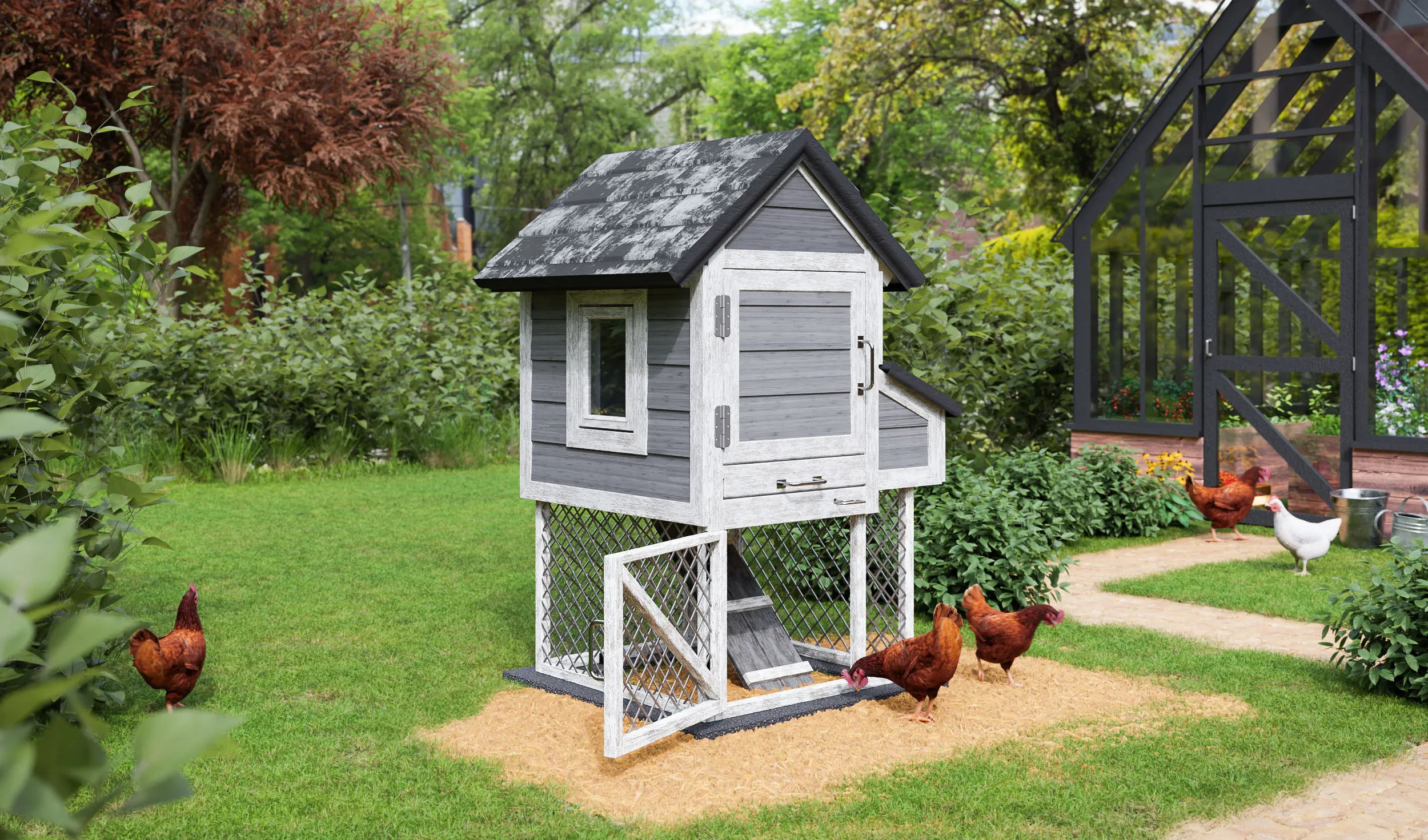
Building your own Ezy chicken coop is a rewarding project that provides fresh eggs and the satisfaction of creating a safe and comfortable home for your flock. This guide will walk you through the entire process, from initial planning to the final setup. Whether you’re a seasoned DIY enthusiast or a beginner, this comprehensive guide simplifies the steps involved in constructing a sturdy, functional, and aesthetically pleasing Ezy chicken coop. Get ready to embark on a fulfilling journey of coop creation, ensuring a happy and healthy life for your chickens.
Planning Your Ezy Chicken Coop
Before you even pick up a hammer, careful planning is essential. This phase involves crucial decisions that will affect the coop’s functionality, size, and location. A well-thought-out plan ensures a smoother construction process and minimizes potential issues later on. Take the time to consider all aspects of your Ezy chicken coop design to create a practical and comfortable living space for your chickens.
Determine Coop Size
The size of your Ezy chicken coop directly impacts the well-being of your chickens. Overcrowding leads to stress, disease, and reduced egg production. As a general guideline, provide at least 4 square feet of floor space per chicken inside the coop, and a minimum of 8 square feet per chicken in the outdoor run area. This ensures adequate space for roosting, nesting, and movement. Consider the breed of chicken as larger breeds may require more space. Underestimating the space needs can lead to significant problems down the line.
Consider Chicken Breed and Numbers

Different breeds of chickens have different space requirements and temperaments. Research the breed you plan to raise to understand their specific needs. For example, larger breeds like Brahmas or Jersey Giants need more space than smaller breeds like Silkies or Bantams. Also, determine the number of chickens you intend to keep. Start with a manageable number to get accustomed to chicken care before expanding your flock. The number of chickens will also influence the coop size, so careful planning here is crucial.
Evaluate Available Space
Assess the space available in your yard. Consider the coop’s footprint, the run area, and the surrounding environment. The location should be level, well-drained, and protected from prevailing winds. Ensure the area receives adequate sunlight but also offers shade. Check for any local ordinances or homeowner association rules regarding chicken coops. Consider also easy access for maintenance and cleaning. Remember to factor in future expansion or changes to your flock.
Gathering Building Materials
Once you have a clear plan, gather the necessary materials and tools. This step ensures you have everything ready before you begin construction. Choose high-quality, durable materials that can withstand the elements and provide a safe environment for your chickens. Proper preparation in this stage will save time and prevent delays during the construction process. Make a detailed list to avoid any last-minute trips to the store.
Essential Materials Checklist

Create a comprehensive materials list. This list should include everything from wood and hardware to roofing materials and wire mesh. This detailed list is critical for successful construction and will ensure that you have everything necessary for the project. It’s also helpful to get quotes from local hardware stores to compare prices. This step minimizes errors and ensures that you don’t need to make multiple trips to the store.
Wood
Select rot-resistant wood such as cedar or redwood for the coop frame. Pressure-treated lumber can be used for ground contact. Exterior-grade plywood is suitable for the walls and roof. Ensure the wood is free from knots and defects that could compromise its structural integrity. Accurate measurements and cuts are essential for a sturdy frame. Consider the climate in your area when choosing the type of wood to ensure longevity. Avoid wood that has been treated with chemicals harmful to chickens.
Hardware
Gather screws, nails, hinges, latches, and wire mesh. Use galvanized or stainless-steel hardware to prevent rust. Choose screws and nails of appropriate sizes for the wood you are using. Heavy-duty hinges and latches will secure doors and access points. Wire mesh is crucial for the run to keep predators out. Secure all hardware properly to ensure the coop’s structural integrity and safety for the chickens. Make sure you have enough hardware to complete all aspects of the build.
Tools You’ll Need

Having the right tools will make the building process much easier and more enjoyable. Ensure you have all the necessary equipment before you begin. Some tools may be optional, but they can greatly improve efficiency and accuracy. Having a well-equipped workspace will help to ensure a successful construction project.
Basic Tools
Essential tools include a saw (circular saw or hand saw), a drill, a level, a measuring tape, a hammer, a screwdriver, and a staple gun. A miter saw can be useful for making precise angle cuts. Clamps can help to hold pieces together while assembling. A speed square will assist in ensuring square corners. Having these tools will streamline the building process and improve accuracy. Ensure all tools are in good working condition and that you know how to use them safely.
Safety Gear
Always wear safety glasses, work gloves, and a dust mask when working with wood and power tools. Closed-toe shoes are a must. Consider wearing hearing protection, especially when using power saws or drills. Have a first-aid kit readily available. Safety is paramount, so take the time to protect yourself from potential hazards. Following safety precautions will prevent injuries and make the building process safer and more enjoyable.
Building the Coop Frame

The frame forms the structural foundation of your Ezy chicken coop. Accurate measurements, precise cuts, and proper assembly are critical. This step involves constructing the base, walls, and roof. Take your time and double-check all measurements to ensure a sturdy and level structure. A well-built frame will provide a stable and secure home for your chickens for many years to come. Proper framing is the basis for the entire coop.
Constructing the Base
Build the base of the coop on a level surface. The base can be constructed from pressure-treated lumber to prevent rot. Ensure the base is square and level before proceeding. The base provides a strong foundation for the walls and helps to keep the coop off the ground. Consider adding a floor made of plywood or other durable materials to the base. Proper base construction ensures stability and longevity of the structure.
Building the Walls
Attach the wall studs to the base frame, ensuring they are plumb and square. Use appropriate screws or nails to secure the studs. Sheathe the walls with plywood or other suitable material. Leave openings for doors, windows, and ventilation. Reinforce corners with additional bracing for added stability. Accurate measurements and secure fastening are essential for sturdy walls. Walls provide the essential protection from weather and predators.
Roof Construction

Build the roof frame according to your chosen design (gable, shed, etc.). Attach the roof sheathing (plywood). Cover the roof with roofing material such as shingles, metal sheeting, or tar paper. Ensure the roof is properly sloped to allow for water runoff. Consider the climate in your area and choose roofing materials that can withstand the elements. The roof protects the chickens from rain, sun, and snow.
Adding Doors and Windows
Installing doors and windows provides access for cleaning, maintenance, and ventilation. Careful construction and installation are essential for security and functionality. This step involves building and installing doors and windows while ensuring proper sealing and security. Pay close attention to detail to create a user-friendly and secure coop.
Building and Installing Doors
Build the door frame and attach it to the coop. Use sturdy hinges and a secure latch to prevent predators from entering. The door should open and close smoothly. Ensure the door is sized appropriately for easy access. Consider adding a ramp for easy access for the chickens. Make sure the door is easy to operate and weatherproof.
Installing Windows for Ventilation

Install windows to provide ventilation and natural light. Use hardware cloth or wire mesh to cover the windows to prevent predators from entering. Ensure the windows are securely installed and can be opened and closed easily for ventilation. Windows provide essential airflow and light inside the coop. Consider the placement of the windows to maximize airflow.
Securing Your Coop
Protecting your chickens from predators is paramount. This step involves taking measures to prevent access by predators and ensuring a safe environment for your flock. Careful planning and implementation of security measures are essential to protect your chickens. Predator-proofing should be a priority throughout the entire building process.
Predator-Proofing Measures
Use hardware cloth or wire mesh with small openings for the coop walls and run. Bury the wire mesh around the perimeter of the run to prevent digging predators from entering. Secure all doors, windows, and access points with strong latches and locks. Regularly inspect the coop for any signs of damage or potential entry points. Consider using predator-resistant materials like metal or sturdy wood.
Ventilation and Airflow
Adequate ventilation is crucial to remove moisture, ammonia, and excess heat from the coop. Install vents near the roof and consider adding windows that open. Proper airflow prevents respiratory problems and maintains a healthy environment for your chickens. Ensure the vents are covered with wire mesh to prevent predators from entering. Good ventilation helps prevent disease and keeps the coop fresh.
Finishing Touches and Setup
Complete the interior features and prepare the coop for your chickens. This step involves adding nesting boxes, perches, and providing a comfortable and functional living space. Attention to detail will improve your chicken’s well-being and egg production. A well-prepared coop will make your chickens feel right at home.
Interior Features
The interior design impacts the overall comfort and functionality of your Ezy chicken coop. Well-placed nesting boxes and roosting bars will make a difference. Choose materials that are easy to clean and maintain for a healthy environment.
Nesting Boxes
Provide one nesting box for every 3-4 hens. Place nesting boxes in a dark, quiet, and easily accessible location. Use comfortable bedding like straw or wood shavings. Ensure the nesting boxes are the correct size and easy for the chickens to use. The nesting boxes provide a safe and comfortable place for chickens to lay their eggs, so proper placement is important.
Perches
Install roosting bars or perches at varying heights. Provide about 8-12 inches of perch space per chicken. Round or slightly flattened perches are preferred for comfortable roosting. The perches should be located away from nesting boxes to prevent soiling. Perches enable the chickens to sleep comfortably, promoting good health and a better night’s rest.
Final Inspection and Placement
Before introducing your chickens, thoroughly inspect the coop. Check for any sharp edges, loose hardware, or potential hazards. Ensure all doors and windows close securely. Clean and disinfect the coop before placing your chickens inside. Prepare the run area and provide waterers and feeders. A final inspection ensures a safe and comfortable environment.
Coop Location
Choose a suitable location in your backyard that is relatively flat and protected from the elements. The coop should be positioned away from direct sunlight and strong winds. The area should also have good drainage to prevent water buildup. Consider the proximity to your home and easy access for cleaning and maintenance. Selecting the correct location will help maintain the health and well-being of your chickens.
Building an Ezy chicken coop can be a fulfilling and rewarding experience. By following this guide, you can create a safe, comfortable, and functional home for your chickens. Remember to prioritize planning, safety, and quality materials throughout the construction process. Enjoy the satisfaction of providing a healthy and happy environment for your flock and the fresh eggs that come with it.