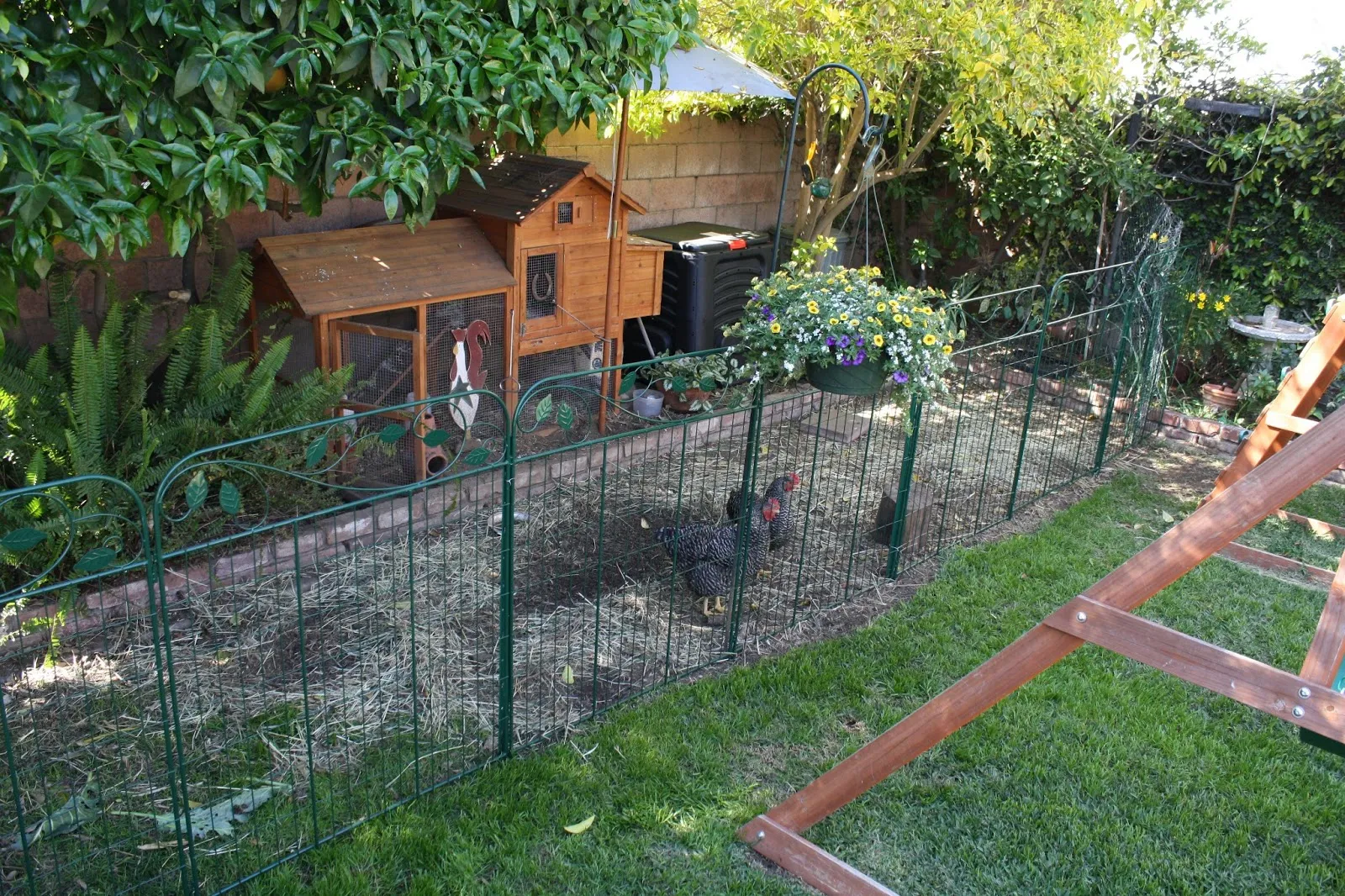
Building a fenced chicken coop is a rewarding project for any chicken keeper, offering protection and a comfortable home for your flock. However, the success of your coop hinges on several key factors. This guide provides the top 7 must-know tips to ensure your chickens thrive, your coop is secure, and your backyard remains a pleasant space.
Fenced Chicken Coop How to Choose the Right Location
The location of your fenced chicken coop is crucial for the health and happiness of your chickens. Careful consideration of several factors will help you create the ideal environment. A well-chosen location promotes both chicken well-being and ease of maintenance for you. Don’t rush this process, take the time to assess your options to find the perfect spot for your coop, which is a critical first step.
Factors to Consider
Consider several factors when choosing the perfect location. These factors include sunlight, shade, accessibility, and drainage. Evaluating these elements ensures the chicken coop provides a healthy, safe, and comfortable environment for your chickens.
Sunlight and Shade

Chickens need both sunlight and shade. Direct sunlight is essential for Vitamin D production, while shade is necessary to escape the heat, particularly during the hottest parts of the day. Ideally, the coop should receive morning sun and afternoon shade. Strategic placement near trees or with built-in shade structures can offer the perfect balance and contribute to the overall well-being of your chickens. Too much sun can lead to heatstroke, and too little sun can be detrimental to their health.
Accessibility
Ensure easy access to the coop for cleaning, feeding, and collecting eggs. A location that’s convenient for you will make coop maintenance a less daunting task. Consider the path from your house to the coop and make sure it’s easily navigable, even in inclement weather. Close proximity to water and electricity sources can also make maintenance tasks simpler.
Drainage
Choose a location with good drainage to prevent standing water, which can lead to disease and create an unhealthy environment. Avoid low-lying areas where water tends to pool. If the ground is naturally poorly drained, consider building the coop on a slight slope or elevating it to promote runoff. Proper drainage helps keep the coop dry and sanitary.
Fenced Chicken Coop Design and Materials

The design and materials you choose for your fenced chicken coop will significantly impact its functionality, durability, and appearance. Selecting the right components ensures your chickens’ safety and your satisfaction with the coop’s performance over time.
Coop Size and Layout
Plan the size and layout of your coop based on the number of chickens you intend to keep and their breed. The layout should provide ample space for movement, roosting, nesting, and feeding. A well-designed layout maximizes space utilization and creates a comfortable environment for your chickens.
Recommended Coop Size
As a general rule, allow a minimum of 4 square feet of floor space per chicken inside the coop and at least 8-10 square feet per bird in the run. More space is always better, especially if you plan to keep larger breeds or if your chickens will spend a significant amount of time inside the coop. Adequate space prevents overcrowding, reduces stress, and minimizes the risk of disease.
Material Selection

Choose durable, weather-resistant materials for your coop. The materials you use will directly affect the coop’s lifespan and maintenance requirements. Consider factors such as cost, availability, and ease of maintenance when choosing your materials.
Wood vs Metal
Wood is a popular choice due to its aesthetic appeal and insulating properties. However, it requires regular maintenance, such as painting or staining, to protect it from the elements and prevent rot. Metal coops, often made of galvanized steel, are extremely durable and resistant to pests but can be more prone to temperature fluctuations. Consider your climate and maintenance preferences when deciding between wood and metal.
Predator-Proofing Your Fenced Chicken Coop
Protecting your chickens from predators is paramount. A well-designed and constructed coop is the first line of defense against predators like foxes, raccoons, and hawks. Careful attention to detail is essential to ensure your coop is secure and your flock is safe.
Burial of the Fence

Burying the fence at least 12 inches underground prevents predators from digging under it. This is a critical step in predator-proofing, particularly in areas with digging animals. Consider adding hardware cloth to the bottom of the fence to reinforce it.
Strong Hardware Cloth
Use strong hardware cloth, not chicken wire, for the walls and floor of your coop. Hardware cloth is made of heavy-gauge wire and is much more resistant to predators. Ensure all gaps are securely covered to prevent predators from entering. Chicken wire is primarily for keeping chickens in, not predators out.
Secure Doors and Latches
Use sturdy doors and secure latches that predators cannot easily open. Carabiner clips or spring-loaded latches are good options. Regularly check all doors and latches to ensure they are functioning correctly and have not been damaged. Reinforce doorframes with metal to prevent predators from chewing through.
Ventilation and Weather Protection

Proper ventilation and weather protection are essential for your chickens’ health and comfort. These factors prevent the buildup of harmful gases, regulate temperature, and protect your flock from the elements.
Adequate Airflow
Provide adequate ventilation to remove ammonia and moisture, which can lead to respiratory problems. Install vents near the roofline to allow for proper airflow. Ensure the vents are protected from rain and drafts that could chill the chickens during winter months. Good ventilation is a key factor in maintaining a healthy coop environment.
Protection from the Elements
Protect the coop from rain, snow, and extreme temperatures. Ensure the roof is properly constructed and watertight. Consider insulation for colder climates and provide shade in hot weather. Strategic placement of the coop can also help with weather protection, such as positioning it to block prevailing winds.
Nesting Boxes and Roosting Bars

Providing comfortable nesting boxes and roosting bars encourages healthy laying habits and provides a safe place for chickens to sleep. The design and placement of these features are crucial for chicken well-being.
Optimal Design
Nesting boxes should be dark, quiet, and slightly elevated off the ground. One nesting box for every 3-4 hens is a good rule of thumb. Make the nesting boxes easy to clean, with removable bedding. Roosting bars should be positioned at a height that is easily accessible for the chickens, ensuring they can comfortably perch. Avoid using round bars, as they can be difficult for chickens to grip. Flat or slightly rounded bars are ideal.
Placement of Roosting Bars
Position roosting bars higher than the nesting boxes to encourage the chickens to roost away from their nests at night. This helps keep the nesting boxes clean. Ensure the roosting bars are spaced far enough apart that the chickens have enough room, but close enough together for warmth in the colder months. Consider the size of your chickens when deciding spacing and height.
Feeding and Watering Systems
Choosing the right feeding and watering systems contributes significantly to your chickens’ health and convenience for you. These systems should be designed to minimize waste, prevent contamination, and ensure easy access for your flock.
Types of Feeders and Waterers
Choose feeders and waterers that are appropriate for the number of chickens you have and the type of feed you use. There are many options available, including treadle feeders, hanging feeders, and automatic waterers. Consider the pros and cons of each type of feeder and waterer before making your selection. Ensure that the equipment is durable and easy to clean.
Placement for Hygiene and Convenience
Place feeders and waterers in a location that minimizes contamination from droppings and other debris. Elevated feeders and waterers are often preferred because they keep food and water cleaner and prevent spillage. Make sure the water source is easily accessible, especially during the winter months, and consider using heated waterers to prevent freezing.
Maintaining a Clean Coop
Regular cleaning is essential for a healthy and hygienic coop. Cleanliness prevents disease, controls odors, and keeps your chickens comfortable. Establish a consistent cleaning schedule to maintain a pristine coop.
Regular Cleaning Schedule
Clean the coop regularly, at least once a week, or more frequently if needed. Remove droppings, soiled bedding, and spilled food. Sweep or rake the coop floor, and replace the bedding with fresh material. A consistent cleaning schedule will minimize odors and promote a healthy environment for your chickens.
Waste Disposal
Properly dispose of the waste material from the coop. Chicken manure is a valuable fertilizer, so consider composting it. Alternatively, you can bury it in your garden or use it to enrich your soil. Proper disposal will prevent the buildup of odors and reduce the risk of attracting pests.
Building a fenced chicken coop is a fulfilling project. By following these 7 must-know tips, you can create a safe, comfortable, and healthy environment for your chickens. Remember to prioritize predator-proofing, adequate ventilation, and a regular cleaning schedule. Happy chicken keeping!