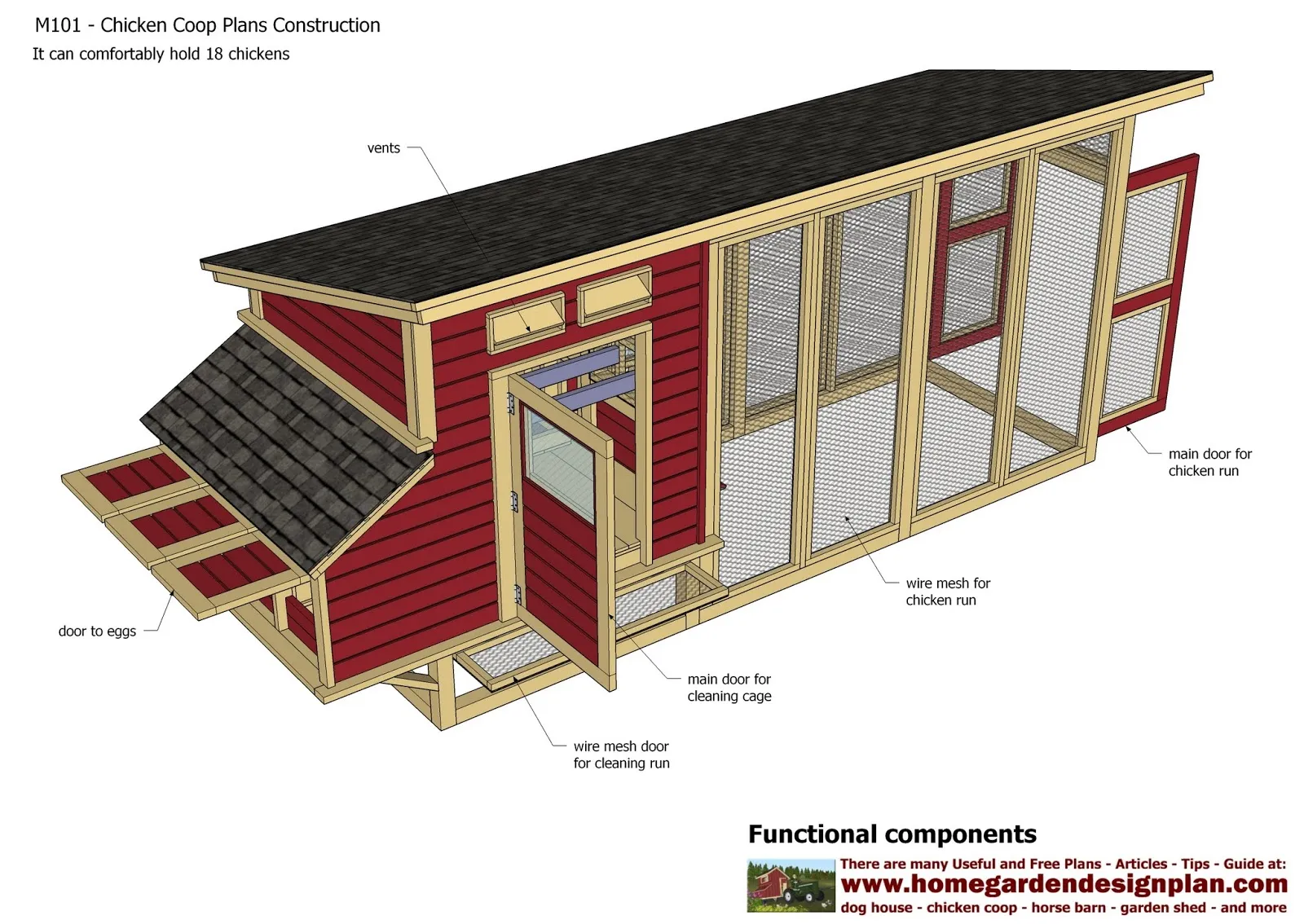
Choosing the Right Free Chicken Coop Blueprint
Embarking on the journey of building a chicken coop can be an incredibly rewarding experience, providing fresh eggs and a connection to nature. The availability of free chicken coop blueprints makes this project accessible to almost anyone. However, with numerous designs available, choosing the right one is crucial for the success of your coop and the well-being of your chickens. This decision impacts everything from the chickens’ safety and comfort to the ease of maintenance and longevity of the structure. Understanding your needs, the available space, and the local climate are the first steps in selecting the ideal blueprint. By carefully considering these factors, you can ensure your chickens have a safe, comfortable, and functional home that meets their needs and your expectations. Let’s dive into the essentials to help you choose the perfect blueprint for your backyard flock.
Consider Your Needs and Space
Before you even look at a single blueprint, it’s essential to assess your specific requirements and available resources. This initial assessment will narrow down your options and prevent you from starting a project that isn’t suited to your situation. This proactive approach saves time, resources, and frustration down the line, ensuring a smoother building process and a better outcome for both you and your chickens. Think of it as the foundation for a successful chicken-keeping experience.
Assess Your Backyard

The first step is to evaluate your backyard. Consider the size and shape of the area where you plan to place the coop. Is it level, or will you need to prepare the ground? Are there any overhead obstacles like tree branches or power lines that could restrict the coop’s height or placement? Also, consider the sunlight and shade patterns throughout the day. Chickens need both, so a location that provides a balance of sun and shade is ideal. Furthermore, be mindful of prevailing winds and potential predators. Placing the coop in a sheltered area can help protect your chickens from the elements and predators. A well-chosen location can dramatically improve the comfort and safety of your flock. Make sure to check local ordinances for setback requirements and any restrictions on coop size or design.
Determine Coop Size
Next, determine how many chickens you plan to keep. A general rule is to provide at least 4 square feet of space per chicken inside the coop and 8-10 square feet in the run (if you include one). Overcrowding leads to stress, pecking order issues, and potential health problems. Consider your future plans, too. Do you anticipate expanding your flock? If so, it’s wise to build a coop slightly larger than your current needs. The size of the coop also impacts maintenance; a larger coop requires more cleaning but also provides more space for your chickens to roam. Ensure that the size you choose is manageable for your backyard and the number of chickens you intend to keep. This balance is critical for the health and happiness of your flock.
Top 5 Free Chicken Coop Designs
Now that you’ve considered your needs and space, let’s explore some popular free chicken coop designs. These blueprints are readily available online and provide a variety of options to suit different needs and skill levels. Choosing the right design is a crucial step, as it sets the foundation for a successful and enjoyable chicken-keeping experience. Remember to tailor the design to your specific requirements and make adjustments as needed. With a bit of planning and effort, you can build a fantastic coop that will provide your chickens with a safe and comfortable home for years to come. This list offers a starting point, and with a little research, you can find the perfect blueprint for your flock.
Small, Portable Coop

These coops are designed for small flocks (2-4 chickens) and are easy to move around the yard. This is a great option if you have limited space or want to provide your chickens with fresh foraging opportunities. They are typically lightweight and can be constructed with basic carpentry skills and often utilize reclaimed materials. This coop is ideal for urban backyards or for those who want to provide their chickens with rotational grazing. These coops are often designed to be visually appealing and fit well within an urban landscape. This type of coop is a great way to get started with chicken keeping.
Features of the Small Coop
Small coops typically include a roosting bar, a nesting box, and adequate ventilation. Because of their size, they are easier to clean and maintain. Often they will have wheels or handles to allow for easy movement. This makes it possible to relocate the coop regularly to provide your chickens with fresh grass and protect the ground from overgrazing and buildup of chicken waste. Portable coops are an excellent option for those who value convenience and flexibility in their chicken-keeping setup.
Medium-Sized Coop
This is the most common type, accommodating 4-8 chickens. They offer a balance of space, ease of construction, and affordability. There are countless free blueprints available online for medium-sized coops, offering a range of styles and features. This type of coop can fit comfortably in a larger backyard and provides ample space for your chickens to thrive. These coops typically provide more protection from the elements and predators compared to small, portable designs. Their versatility makes them a popular choice for a variety of backyards.
Characteristics of the Medium Coop

These coops often include multiple nesting boxes, a roosting bar, and improved ventilation systems. They are frequently designed with predator-proofing in mind, incorporating features like secure latches, hardware cloth over windows, and buried wire mesh around the perimeter. The focus is on providing a safe and comfortable environment for a moderate-sized flock. Medium coops are also often designed to be aesthetically pleasing, blending seamlessly with the surroundings of your backyard. They provide a balance of functionality and aesthetics, and they are easy to maintain.
Large, Walk-In Coop
Large coops are designed for larger flocks, accommodating 8 or more chickens. They often feature a walk-in design, making it easy to access the interior for cleaning and maintenance. These coops are usually more complex to build, but they offer considerable space and comfort for your chickens. These coops are designed with the more serious chicken keeper in mind and offer a higher level of protection and comfort for your flock. They are built to last and typically incorporate the best features to provide a secure and comfortable home for your chickens.
Advantages of the Large Coop
A large coop allows for ample space, reducing overcrowding and stress. This leads to healthier chickens and a more productive flock. Walk-in designs provide convenience for cleaning and maintenance. Large coops also offer more flexibility in terms of design and features. With more space, you can incorporate features such as multiple nesting boxes, roosting bars at varying heights, and improved ventilation systems. This makes it possible to create a highly customized and comfortable environment for your chickens. The security and comfort provided by large coops make them an excellent option for serious chicken keepers.
A-Frame Coop

A-frame coops are a stylish and functional option, offering a unique aesthetic appeal. They are typically portable and designed to be moved around the yard, providing fresh grazing opportunities for your chickens. Their simple design makes them relatively easy to build, even for beginners. The slanted roof provides excellent weather protection, shedding rain and snow efficiently. They combine functionality with style, making them an excellent choice if you want a coop that stands out. These designs are easy to manage and provide all the essentials for a small flock.
Benefits of the A-Frame Coop
A-frame coops are lightweight and portable, making them easy to move around the yard. The design is simple and efficient to build, requiring less time and materials compared to other coop types. Their unique shape offers good weather protection and can be visually appealing. They offer a smaller footprint, making them suitable for small yards. These coops allow for easy access to the chickens and simplifies the cleaning process. The benefits of A-frame coops make them an excellent choice for those seeking a mobile, stylish, and functional option.
Coop with Run
A coop with a run combines the enclosed shelter of a coop with a secure outdoor area. This allows your chickens to roam and forage in a safe, predator-proof environment. These coops come in various sizes and designs, from small, integrated runs to large, separate enclosures. This design addresses the essential need for space for chickens to exercise and forage safely while protected from predators. This integrated design provides the best of both worlds, offering a secure shelter and an outdoor space.
The benefits of Coop with Run

Coops with runs provide a safe outdoor space for your chickens to roam and forage. They offer protection from predators, reducing the risk of loss of your chickens. Runs help prevent chickens from damaging your garden or escaping. The additional space reduces stress and boredom, promoting a healthier and happier flock. This type of coop also simplifies the daily care and management of your chickens, providing an easy way to manage their environment. This coop is a great option for those who want a balance of convenience and safety for their flock.
Essential Features of a Great Chicken Coop
Regardless of the design you choose, certain features are essential for a great chicken coop. These elements contribute to the safety, health, and comfort of your chickens. When reviewing free chicken coop blueprints, prioritize designs that incorporate these key features. Proper planning ensures that your chickens thrive in a secure and comfortable environment.
Ventilation
Good ventilation is critical for removing moisture, ammonia, and stale air from the coop. Proper ventilation prevents respiratory problems and helps keep the coop dry. Ensure the design includes vents that are placed to allow airflow without creating drafts. Natural ventilation is the best, but you might need to supplement with a fan in areas with extreme humidity. Proper ventilation contributes to the overall health and comfort of your chickens.
Nesting Boxes

Nesting boxes provide a safe and comfortable place for your hens to lay eggs. Provide one nesting box for every 3-4 hens. Place the nesting boxes in a quiet, dimly lit area. Ensure the boxes are easily accessible for egg collection. Using nesting boxes makes the egg collection much easier and keeps eggs clean. Proper nesting box design is essential for ensuring the comfort and egg-laying productivity of your flock.
Roosting Bars
Roosting bars provide a place for your chickens to sleep at night. Position the roosting bars at a comfortable height, away from the nesting boxes. Provide enough space on the roosting bar for each chicken. Round or slightly rounded roosting bars are preferable, allowing the chickens to grip them easily. These bars give your chickens a sense of security and allow them to rest comfortably. The right type of roosting bar helps improve the sleep quality and overall well-being of the flock.
Predator-Proofing
Predator-proofing is perhaps the most important aspect of a good coop. Use sturdy materials, such as hardware cloth (instead of chicken wire) for the walls and run. Bury the hardware cloth at least 12 inches underground to prevent digging predators from entering. Secure all doors, windows, and latches. Regularly inspect the coop for any signs of damage or potential entry points. Predator-proofing ensures the safety and security of your chickens, protecting them from harm.
Building Your Coop Step-by-Step

Once you’ve chosen your free chicken coop blueprint, it’s time to start building. This process can be a rewarding experience, allowing you to customize the coop to your specific needs. Proper planning and execution are critical to ensure a successful build and a safe home for your chickens. If you’re new to woodworking, don’t be discouraged. Start with a simple design and gradually increase the complexity as you gain experience. Take your time, follow the blueprint carefully, and don’t hesitate to ask for help when needed. Building your own coop is a fulfilling endeavor that will bring you closer to your chickens.
Gathering Materials
The first step is to gather all the necessary materials listed in your chosen blueprint. Create a detailed list and check it against your chosen blueprint to ensure nothing is missing. Consider purchasing your materials from a local hardware store or lumberyard. This gives you the opportunity to ask questions and get advice. Before you start cutting any wood, organize your materials. Having everything readily available will streamline the building process and prevent delays. Ensure you have all the necessary tools, including a saw, drill, hammer, measuring tape, and level. A well-organized workspace is key to efficient and safe construction.
Cutting the Wood
Carefully measure and cut the wood according to your chosen blueprint. Wear safety glasses and gloves. A circular saw or handsaw can be used for this purpose. When cutting the wood, take your time and make accurate cuts. Incorrect cuts can compromise the structural integrity of the coop. Double-check your measurements before each cut, and use a straight edge to ensure precise lines. Consider using a miter saw for angled cuts, as this will make the project easier and more accurate. Accurate cuts are crucial for the final fit and finish of your coop.
Assembling the Frame
Assemble the frame of the coop according to the blueprint’s instructions. Use screws or nails to join the pieces of wood together. Ensure the frame is square and level. A level is essential for ensuring that the frame is structurally sound and will stand the test of time. The frame is the foundation of your coop. Ensure that all joints are secure and that the frame is stable. Correctly assembled frames will provide a solid structure for the walls, roof, and other features. Take your time and make sure the frame is built according to the blueprint.
Adding the Walls and Roof
Attach the walls and roof to the frame, following the blueprint’s instructions. Use appropriate fasteners, such as screws or nails, and make sure the panels are securely attached. Ensure the roof is watertight. Use roofing materials such as shingles or metal panels. Proper installation of the walls and roof is essential for protecting your chickens from the elements. Check for any gaps or openings that could allow rain or wind to enter. Make sure that the roof overhangs the walls to provide additional weather protection. By taking your time and following the instructions, you can build a coop that is both attractive and functional.
Installing Features
Install the nesting boxes, roosting bars, ventilation, and predator-proofing measures according to the blueprint. Ensure that all doors and windows are secure. Pay special attention to the predator-proofing features, such as hardware cloth, latches, and buried wire mesh. This step is critical for the safety and comfort of your chickens. The details of this phase will determine the safety and usability of your coop. Double check that all components are securely installed and function correctly. With all features installed, your coop will be ready to provide a safe and comfortable home for your flock.
Maintaining Your Chicken Coop
Once your chicken coop is built, ongoing maintenance is essential to keep it in good condition and ensure the health and happiness of your chickens. Regular maintenance will also extend the life of the coop, providing a safe and comfortable environment for your flock for years to come. This will require you to develop some ongoing habits to keep your coop in great condition.
Regular cleaning is essential. Remove droppings and soiled bedding frequently. A clean coop helps prevent disease and keeps your chickens healthy. Regularly inspect the coop for any signs of damage or wear. Repair any damage promptly to prevent it from worsening. Ensure the coop is properly ventilated to prevent the buildup of moisture and ammonia. Finally, use safe, non-toxic cleaning products. Your dedication to these maintenance tasks ensures that your chicken coop remains a safe and comfortable home for your chickens for many years.