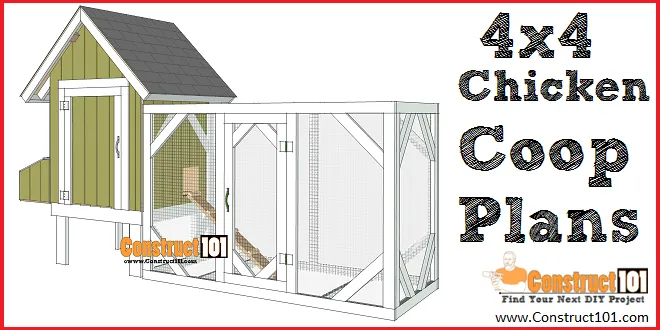
What You Need to Know About Free Chicken Coop Plans
Embarking on the journey of raising chickens can be incredibly rewarding, providing fresh eggs and enriching your backyard. One of the first steps is building a secure and comfortable home for your feathered friends – a chicken coop. The good news? You don’t need to break the bank! Free chicken coop plans are readily available, offering a cost-effective way to get started. These plans range from simple, beginner-friendly designs to more complex structures, catering to various skill levels and needs. This guide will walk you through everything you need to know about finding, choosing, and successfully building a chicken coop using free resources.
Benefits of Using Free Chicken Coop Plans
The advantages of opting for free chicken coop plans are numerous. Primarily, it’s a budget-friendly approach, eliminating the cost of purchasing expensive pre-designed plans. This allows you to allocate funds to other essential aspects of chicken keeping, such as purchasing chicks, feed, and bedding. Additionally, free plans often come in various styles and sizes, giving you the flexibility to choose a design that perfectly matches your space, aesthetic preferences, and the number of chickens you intend to raise. Moreover, building a coop yourself using free plans is a fulfilling DIY project, providing a sense of accomplishment and the satisfaction of providing a safe and comfortable home for your chickens.
Choosing the Right Free Chicken Coop Plan for You

With a plethora of free chicken coop plans available online, selecting the right one can feel overwhelming. Begin by assessing your needs. Consider the number of chickens you plan to keep, the available space in your yard, and your level of carpentry experience. Look for plans with clear instructions, detailed diagrams, and a complete list of materials. Check the reviews or comments associated with the plan to gauge its popularity and ease of construction. Websites specializing in DIY projects, poultry forums, and online marketplaces are excellent resources for finding diverse and reliable free chicken coop plans. Always prioritize plans that emphasize safety, predator protection, and adequate ventilation to ensure your chickens’ well-being.
Considerations Before You Start
Before diving into the construction phase, several crucial factors must be considered. Proper planning will prevent costly mistakes and ensure the coop meets your chickens’ needs and adheres to local regulations. Take time to thoroughly review the chosen plan, understand the materials needed, and assess your skills. Also, check local ordinances regarding chicken keeping, coop size, and setback requirements. This proactive approach saves time and ensures the project’s success.
Coop Size and Chicken Breed
The size of your chicken coop is directly related to the number of chickens you plan to house and the breed you choose. Different breeds have varying space requirements. As a general rule, allow at least 4 square feet of floor space per chicken inside the coop and 8-10 square feet per chicken in the run area. Overcrowding can lead to stress, disease, and behavioral problems, so erring on the side of more space is always better. Research the specific space needs of the breeds you’re considering. Consider the potential for future growth and adjust your coop’s size to accommodate a larger flock.
Location and Local Regulations

The coop’s location should be carefully chosen. It should be in a well-drained area, preferably with some shade to protect chickens from the sun. Ensure the location is easily accessible for cleaning and maintenance. Check your local zoning ordinances and homeowner association rules regarding chicken keeping, coop size, and setback requirements from property lines. Some areas may restrict the number of chickens you can keep or have specific regulations on coop construction. Ignoring these regulations can result in fines or the need to dismantle your coop. Contact your local authorities or HOA to clarify any questions before starting the project.
Materials You’ll Need for Your Free Chicken Coop
Once you’ve selected your plan, it’s time to gather the necessary materials. A well-organized inventory will help streamline the building process. Start with a detailed materials list provided in the plan and make adjustments based on your specific needs and any design modifications. While using free plans saves on the cost of the plans, the materials will be the bulk of the expense. Shop around for the best prices at local hardware stores, lumberyards, or online retailers. Consider the quality of the materials, prioritizing durable and weather-resistant options. Also, have the correct tools ready before starting. This ensures a smooth construction process and a long-lasting coop.
Lumber and Hardware
The choice of lumber significantly impacts the coop’s durability and lifespan. Pressure-treated lumber is excellent for the base and any parts in contact with the ground, as it resists rot and insect infestation. For the walls, roof, and other structural components, consider using exterior-grade plywood or cedar. Ensure all lumber is straight and free of defects. Hardware includes nails, screws, hinges, latches, and wire mesh for the run. Opt for galvanized or stainless steel hardware to prevent rust. Also, consider weather-resistant roofing materials, such as asphalt shingles, metal roofing, or corrugated plastic panels, to protect your chickens from the elements.
Tools for Building Your Coop

Having the right tools is crucial for a successful build. Essential tools include a measuring tape, level, saw (circular, hand, or jigsaw), drill, screwdriver, hammer, and staple gun. A stud finder can be helpful for locating studs when attaching the coop to an existing structure. Safety glasses, work gloves, and a dust mask are vital for protecting yourself during construction. Depending on the complexity of your chosen plan, you might need additional tools like a miter saw, table saw, or nail gun. Ensure all tools are in good working order and that you know how to use them safely. This will help prevent injuries and ensure that the coop is built according to the plan.
Step-by-Step Guide to Building Your Free Chicken Coop
Building a chicken coop can be broken down into several stages. While the exact steps may vary depending on the plan you choose, understanding the general process will help you navigate the project confidently. Following the plan’s instructions carefully and taking your time will improve the outcome. A well-constructed coop provides a safe and comfortable haven for your chickens.
Preparing the Site
Clear the chosen location of any vegetation, rocks, or debris. Ensure the ground is level or slightly sloped for drainage. If necessary, build a foundation using gravel, concrete blocks, or a concrete slab. A solid foundation helps prevent the coop from shifting and provides a stable base. Before building, make sure the area is ready for the building. Mark the perimeter of the coop according to the plan. Consider adding a layer of hardware cloth or wire mesh to the ground to prevent predators from digging under the walls.
Building the Frame

Construct the frame of the coop according to the plan’s specifications. This usually involves building the base, walls, and roof supports. Use screws and nails to securely connect the lumber. Ensure all corners are square and the frame is level. For a run, consider building a frame covered with wire mesh. Take measurements to ensure the frame is the right size. If the plan allows, assemble the frame on a flat surface and then raise it into position. Double-check measurements throughout the construction of the frame.
Adding Walls and Roof
Once the frame is complete, attach the walls and roof. Use plywood, planks, or other materials specified in the plan to cover the walls. If you’re using plywood, ensure the joints are sealed to prevent drafts and moisture. Attach the roofing material, such as shingles or metal panels, according to the manufacturer’s instructions. Ensure the roof overhangs the walls to protect them from rain. Make sure the walls are securely attached to the frame. This is important to create a sturdy structure.
Installing Doors and Windows
Install doors and windows to provide access and ventilation. Build the doors to fit the openings in the frame and hang them using hinges. Use sturdy latches to secure the doors and prevent predators from entering. If the plan includes windows, cut the openings and install frames. Cover the windows with wire mesh to provide ventilation while keeping predators out. Make sure the doors and windows fit well and are easy to operate. Add extra security measures if needed, to prevent unauthorized access. Make sure there is enough light for the chickens.
Creating the Interior

Now it’s time to create the interior features for your chickens. Construct nesting boxes for egg laying, and install roosting bars for the chickens to sleep on. Ensure the roosting bars are at a comfortable height and provide ample space for the number of chickens you have. Line the nesting boxes with soft bedding, such as straw or wood shavings. Consider adding a droppings board beneath the roosting bars to make cleaning easier. Provide ample space in the interior.
Nesting Boxes and Roosts
Nesting boxes provide a safe and comfortable place for hens to lay eggs. Generally, one nesting box is sufficient for every 3-4 hens. The boxes should be elevated off the ground, easily accessible, and provide some privacy. Use a soft, clean bedding material like straw or wood shavings. Roosts are essential for chickens to sleep on at night. Place the roosts at a comfortable height, typically 2-4 feet off the ground. Ensure there is enough space on the roosts for all your chickens. The correct placement of these items will significantly impact the well-being of your chickens.
Ventilation and Lighting
Proper ventilation is crucial to remove moisture, ammonia, and odors from the coop. This will help prevent respiratory problems and keep the air fresh. Install vents or windows to allow for good airflow. Ensure the vents are protected with wire mesh to keep out predators. Consider adding a small, safe light source, such as a low-wattage LED bulb, to provide light during the darker months. This can help extend the laying season. Proper ventilation and light are essential for the health of the flock.
Securing Your Chicken Coop

Protecting your chickens from predators is paramount. Reinforce your coop to make it predator-proof. This includes using sturdy materials, securing all openings, and installing hardware cloth or wire mesh. Take additional measures to enhance security and safety.
Protecting Against Predators
Predators like foxes, raccoons, and coyotes are a constant threat to chickens. Use hardware cloth or wire mesh with small openings (no larger than 1 inch) for the run and around all openings. Bury the wire mesh at least 12 inches underground to prevent digging predators. Secure all doors and windows with strong latches. Avoid using chicken wire, as it’s not predator-proof. Consider adding an automatic door that opens and closes at set times. Use the hardware cloth for the floor. Make sure all the areas are well secured.
Weatherproofing Your Coop
Weatherproofing your coop will protect your chickens from the elements and extend the lifespan of the coop. Seal all cracks and gaps to prevent drafts and moisture from entering. Ensure the roof is properly sealed and sloped to allow water to drain away. Consider painting or staining the exterior with a weather-resistant finish. Weatherproofing is critical to ensure the chickens are comfortable in all types of weather. If you are going to be in an area that gets extremely cold, you may want to consider adding insulation.
Maintaining Your Chicken Coop

Regular maintenance will keep your coop in good condition and ensure a healthy environment for your chickens. Establish a cleaning schedule and address any issues promptly. Proper upkeep is essential for your chickens’ health and longevity.
Cleaning and Upkeep
Clean the coop regularly, at least once a week. Remove droppings, soiled bedding, and any uneaten food. Replace the bedding with fresh, dry material. Clean and disinfect the nesting boxes. Inspect the coop for any damage or signs of pests. Repair any issues promptly. Regularly sweep the coop to help maintain the cleanliness. A clean environment is essential for preventing disease and promoting chicken health. Regularly clean the water and food containers.
Troubleshooting Common Problems
Even with the best plans and construction, problems can arise. Common issues include predator attacks, ventilation problems, and pest infestations. Be proactive and address these issues as they arise. For predator attacks, reinforce the coop and improve security measures. If you experience ventilation problems, improve airflow or add more vents. If you have a pest infestation, eliminate the source and implement pest control measures. Understanding these common issues and how to address them is important for keeping your chickens safe and healthy.