What Are Free Chicken Coop Plans [Overview]
Embarking on the journey of raising backyard chickens can be incredibly rewarding, providing fresh eggs, pest control, and companionship. A crucial first step in this venture is constructing a safe and comfortable home for your flock: a chicken coop. Fortunately, you don’t have to break the bank to get started. Free chicken coop plans offer a cost-effective way to build a coop that meets your specific needs and the requirements of your local climate. These plans come in various forms, from simple designs perfect for beginners to more elaborate structures for experienced builders. This ultimate guide will help you navigate the world of free chicken coop plans, providing you with the knowledge and resources you need to build a successful coop.
Benefits of Using Free Chicken Coop Plans
The advantages of utilizing free chicken coop plans are numerous. Primarily, the most obvious benefit is the cost savings. Building a chicken coop can be expensive, but free plans eliminate the cost of purchasing blueprints or design specifications. Moreover, many free plans are readily available online, offering easy access to a wealth of designs and instructions. This accessibility enables you to choose plans that align with your skill level, the number of chickens you intend to keep, and the available space in your backyard. Furthermore, using free plans allows for customization. You can often adapt the plans to incorporate features that meet your specific needs, such as adding a run, increasing ventilation, or modifying the size to suit your flock.
Types of Free Chicken Coop Plans

The diversity of free chicken coop plans available is impressive, catering to various requirements and preferences. These plans often categorize by coop size, design complexity, and construction materials. Consider the number of chickens you plan to raise and the available space when exploring the types of plans. Some plans are designed for small flocks, providing cozy housing, while others are more suited for larger groups, offering ample space for your birds to roam. Additionally, some plans focus on simplicity, perfect for beginners, while others delve into more intricate designs, providing experienced builders with a rewarding challenge.
Small Chicken Coop Plans
Small chicken coop plans are ideal for those just starting with a few backyard chickens or who have limited space. These plans typically focus on ease of construction and efficiency of space. They are often designed to accommodate 2-4 chickens, providing a safe and comfortable living environment without taking up a significant portion of your yard. Small coops are also generally more affordable to build, requiring fewer materials and less time. The simplicity of the designs makes them perfect for novice builders looking for a manageable DIY project. Many online resources provide step-by-step instructions and material lists for small chicken coops, making the process accessible to almost anyone.
Medium-Sized Coop Plans
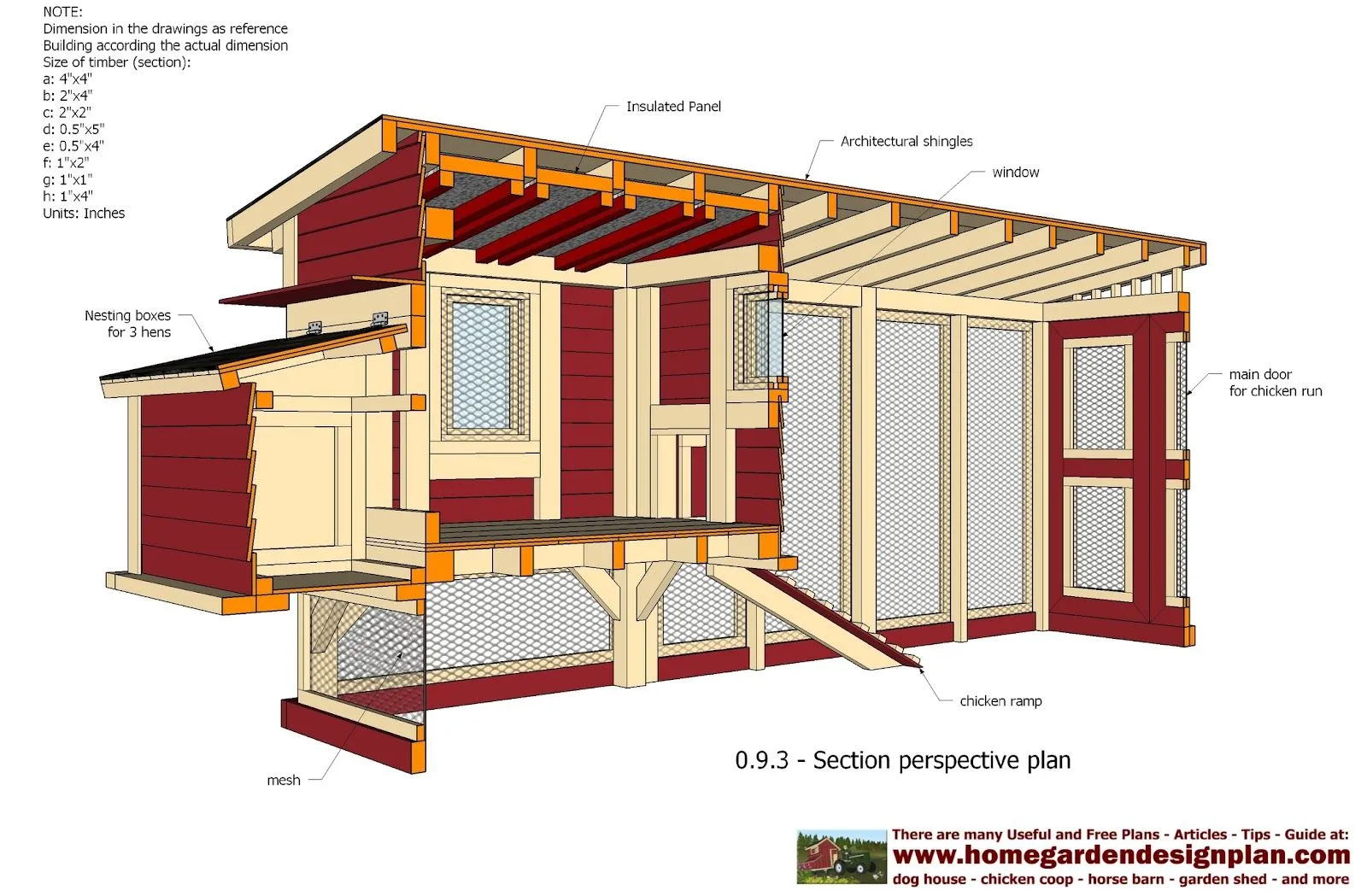
Medium-sized chicken coop plans strike a balance between space and practicality, suitable for families or individuals aiming to raise a moderate-sized flock. These coops can house anywhere from 6 to 12 chickens, providing ample room for your birds to move around and thrive. Medium-sized plans often include features like nesting boxes, roosting bars, and a dedicated run area. They may also offer enhanced ventilation systems to ensure optimal air circulation. Construction of a medium-sized coop requires a slightly higher level of skill and more material, however, the reward is a well-equipped home for your flock. With careful planning and execution, these coops offer the perfect blend of functionality and comfort for your chickens.
Large Chicken Coop Plans

For those with a large flock or the ambition to expand, large chicken coop plans are the way to go. These coops are designed to accommodate 12 or more chickens, offering considerable space for your birds to roam, roost, and nest. Large coops often incorporate elaborate features, such as multiple nesting boxes, separate areas for different chicken breeds, and robust predator-proofing measures. Construction typically involves more complex designs, requiring more time, materials, and experience. However, the result is a spacious and secure living environment that meets the needs of a large flock. It’s crucial to consider local zoning regulations and building codes before embarking on the construction of a large chicken coop.
Essential Materials for Chicken Coop Construction
Choosing the right materials is vital for building a durable and safe chicken coop. The most common materials include wood, wire mesh, roofing materials, and hardware. The selection process often depends on the chosen plan, your budget, and the local climate. Prioritize materials that are resistant to weather and pests, as well as non-toxic to ensure the health of your chickens. Pre-planning and careful material selection will save you time, money and improve the longevity of your coop.
Wood Selection
Wood is the primary material for constructing the coop’s frame, walls, and sometimes the roof. The choice of wood can significantly impact the coop’s longevity and resistance to weather and pests. Popular choices include pressure-treated lumber, cedar, and redwood. Pressure-treated lumber is highly resistant to rot and insects but can be more expensive, and it requires extra precautions due to its chemical treatment. Cedar and redwood offer natural resistance to decay and insects and have a pleasant aroma, but they can also be more costly. Pine and fir are more affordable alternatives, however, they are less resistant to weather and may require more frequent maintenance. Always choose wood that’s suitable for outdoor use and consider using a weather-resistant sealant or paint to extend the lifespan of your coop.
Hardware and Fasteners

Hardware and fasteners are the unseen heroes that hold your chicken coop together. These include screws, nails, hinges, latches, and wire mesh. Opting for quality hardware is crucial for the structural integrity and security of your coop. Galvanized or stainless-steel screws and nails are recommended, as they resist rust and corrosion, ensuring your coop stays sturdy for years. Heavy-duty hinges and secure latches are essential to keep predators out. Additionally, using sturdy wire mesh for the run and windows prevents your chickens from escaping and predators from entering. Carefully select hardware and fasteners that are appropriate for the materials you’re using, and consider the specific requirements outlined in your chosen free chicken coop plan.
Tools Needed for Building a Chicken Coop
Building a chicken coop, even with free plans, requires a set of essential tools. The specific tools needed depend on the complexity of your chosen plan, however, some tools are indispensable. These typically include a saw (circular saw, hand saw, or jigsaw), a drill (with various drill bits and a screwdriver bit), a hammer, a measuring tape, a level, safety glasses, work gloves, and a pencil. A staple gun and wire cutters are also useful when working with wire mesh. If you’re working with wood, you might also need a sander. Ensure all your tools are in good working condition before starting your project, and always prioritize safety by wearing appropriate protective gear.
Step-by-Step Guide to Building a Chicken Coop
Once you’ve chosen your free chicken coop plan, gathered your materials, and prepared your tools, you’re ready to begin building. This section provides a general overview of the construction process, but remember that specific instructions may vary depending on the chosen plan. Carefully follow the plan’s instructions step by step, and don’t hesitate to seek clarification if anything is unclear. Taking your time and paying attention to detail will ensure a successful and rewarding build.
Preparing the Site and Foundation

Before you begin building, select a suitable location for your chicken coop. Choose a spot that is relatively flat, well-drained, and sheltered from harsh weather conditions. It’s also important to consider the proximity to your home, as you’ll need to access the coop regularly. Clear the area of any obstacles, such as rocks, roots, or debris. Next, prepare the foundation. This might involve leveling the ground, constructing a concrete slab, or building a frame for the coop to sit on. A solid foundation is essential to prevent the coop from settling and to ensure its stability and longevity.
Framing the Coop Walls
Once the foundation is prepared, the next step is framing the walls. This involves assembling the frame using your chosen wood. Cut the wood pieces according to the plan’s specifications, and assemble the frame using screws, nails, and other fasteners. Ensure that the frame is square and level. Once the frame is built, attach the siding to the frame, typically using screws or nails. Ensure the siding is securely attached and that there are no gaps that could allow predators to enter. Consider adding insulation to the walls, especially if you live in a climate with extreme temperatures, to keep your chickens comfortable.
Constructing the Roof
The roof protects your chickens from the elements and is a critical part of your coop. Choose a roofing material that is weather-resistant and durable, such as asphalt shingles, corrugated metal, or wooden shakes. Construct the roof frame according to the plan’s specifications, ensuring it is sturdy and properly sloped to allow for water runoff. Attach the roofing material to the frame, following the manufacturer’s instructions. Ensure the roof is properly sealed to prevent leaks. Consider adding an overhang to protect the walls and doors from rain and sunlight.
Adding Doors and Windows

Doors and windows provide access to the coop and allow for ventilation and natural light. Install doors that are secure and easy to open and close. Ensure the door has a secure latch to prevent predators from entering. Install windows, covered with wire mesh, to allow for ventilation and sunlight. Make sure the windows are securely fastened to prevent them from being pushed open by predators or wind. Consider adding a pop-door that automatically opens and closes to further safeguard your chickens.
Installing the Nesting Boxes
Nesting boxes provide a safe and comfortable place for your hens to lay eggs. Install the nesting boxes in a dark, quiet area of the coop. The number of nesting boxes needed will depend on the size of your flock, but as a general rule, provide one nesting box for every 3-4 hens. Ensure that the nesting boxes are easily accessible for both you and your chickens. Line the boxes with soft, clean bedding, such as straw or wood shavings. Position nesting boxes away from drafts and direct sunlight to keep the hens comfortable. The ease of installing nesting boxes makes them an essential component of your coop.
Adding Ventilation and Lighting
Proper ventilation and lighting are crucial for the health and productivity of your chickens. Ventilation helps to remove moisture, ammonia, and other harmful gases, while providing fresh air. Add vents or windows in the coop to allow for good air circulation. Ensure that the ventilation system does not create drafts that could make your chickens uncomfortable. Natural light is beneficial, but supplemental lighting may be needed during the winter months to stimulate egg production. Install a safe and appropriate lighting system, keeping it away from flammable materials. Adding ventilation and lighting systems creates a healthier environment for your flock.
Protecting Your Coop from Predators

Predator-proofing your chicken coop is essential to protect your flock. Use sturdy materials, such as wood and wire mesh, to construct the coop. Bury the wire mesh around the perimeter of the coop to prevent predators from digging under the walls. Secure all doors and windows with strong latches. Consider adding an apron of wire mesh around the perimeter of the coop to prevent predators from tunneling. Regularly inspect the coop for any signs of damage and repair any weaknesses immediately. Consider installing motion-sensor lights around the coop to deter predators. Predator protection is a critical aspect of building a safe and secure chicken coop, and should be a top priority.
Tips for Maintaining Your Chicken Coop
Maintaining your chicken coop is crucial for the health and well-being of your flock and the longevity of the coop. Regular cleaning, sanitation, and proper maintenance will prevent the buildup of harmful bacteria, pests, and unpleasant odors, creating a healthy environment for your chickens. Preventative maintenance, such as inspecting the coop for damage, ensures that your coop remains safe and secure. Routine care will not only protect your chickens, but it will also extend the life of your coop, saving you time and money in the long run.
Cleaning and Sanitation
Regular cleaning and sanitation are vital to keep your coop clean and healthy. Remove droppings, soiled bedding, and any other debris from the coop at least once a week, or more frequently as needed. Scrub the nesting boxes, roosting bars, and other surfaces with a poultry-safe disinfectant to kill any harmful bacteria or parasites. Replace the bedding regularly, using clean, fresh materials. Provide clean water and food daily, and regularly clean the water and food containers. Proper cleaning and sanitation practices will reduce the risk of disease and create a pleasant living environment for your chickens and you.
Winterizing Your Coop
If you live in a climate with cold winters, it’s essential to winterize your chicken coop to protect your chickens from the cold. Ensure that the coop is well-insulated to prevent heat loss. Seal any drafts with caulk or weather stripping. Provide adequate ventilation to prevent the buildup of moisture, while also keeping the coop warm. Consider adding a heat lamp, but use it cautiously and follow all safety guidelines. Provide fresh water, as water can freeze in cold weather. Provide extra food to help your chickens maintain their body heat. Winterizing your coop provides the necessary support for your flock to thrive during the colder months.
Common Mistakes to Avoid
Even with the best of intentions, some common mistakes can occur during the construction and maintenance of a chicken coop. Understanding these mistakes can help you avoid them, ensuring that your coop is safe, secure, and comfortable for your chickens. Some common mistakes include inadequate predator proofing, insufficient ventilation, and not providing enough space for the flock. Overcrowding, improper cleaning and sanitation, and using inappropriate materials can lead to health issues and other problems. Thorough research and careful planning can significantly minimize these mistakes, leading to a better experience for both you and your chickens.
Troubleshooting Common Chicken Coop Issues
Despite your best efforts, you might encounter some issues with your chicken coop. Knowing how to troubleshoot these problems can save you time, money, and frustration. Common issues include egg-laying problems, predator attacks, and disease outbreaks. If your chickens are not laying eggs, ensure they are of laying age, are getting enough light, and have a comfortable nesting environment. If you suspect a predator attack, inspect the coop for any points of entry and reinforce the security measures. If you notice signs of disease, isolate the affected chickens and seek veterinary advice. Knowing how to handle these issues can help you maintain a healthy and thriving flock.
Conclusion Free Chicken Coop Plans
Building a chicken coop doesn’t have to be a daunting or expensive endeavor. With the abundance of free chicken coop plans available, combined with a bit of planning, effort, and the guidelines in this guide, you can create a safe, comfortable, and functional home for your chickens. Remember to choose a plan that suits your needs, use quality materials, and follow the instructions carefully. Regular maintenance and attention to detail will ensure that your coop remains a safe haven for your flock for years to come. With a little knowledge and dedication, you can provide your chickens with a happy and healthy life while enjoying the rewards of fresh eggs and backyard companionship. Good luck with your chicken coop building project, and enjoy the journey!