Why is Heat Important for Chicken Coops
Providing adequate heat for your chicken coop is crucial, especially during the colder months. Chickens, while relatively hardy, are susceptible to the effects of cold weather. Maintaining a comfortable temperature in their coop is essential for their health, well-being, and productivity. Understanding the importance of heat helps in making informed decisions about coop design, heating methods, and overall winter care strategies. This ensures your flock remains happy, healthy, and continues to produce eggs throughout the colder seasons. Implementing proper heating solutions is a proactive measure, guarding against potential health issues and ensuring the continued vitality of your chickens.
The Impact of Cold on Chickens
Cold weather can significantly impact chickens. Their bodies work harder to stay warm, which can divert energy away from other essential functions. This section details the specific challenges that cold weather poses to chickens, offering insight into why providing heat is so important for their health and productivity. Understanding the physiological effects of cold stress helps in appreciating the need for a warm coop environment and selecting suitable heating options.
Health Risks of Cold Exposure
Prolonged exposure to cold can lead to several health issues in chickens. Frostbite is a common concern, particularly on combs, wattles, and feet. Respiratory illnesses, such as colds and bronchitis, are also more prevalent in cold, damp conditions. The immune system of chickens can be compromised by cold stress, making them more vulnerable to various diseases. Protecting your flock from these health risks necessitates proper heating, especially in regions with harsh winters. Implementing the right heating solutions helps mitigate these potential issues and promotes a healthy environment.
Egg Production and Cold Weather
Cold weather can significantly impact egg production. Chickens naturally decrease egg laying during colder months as they divert energy to stay warm. Maintaining a consistent temperature in the coop can help sustain egg production throughout the winter. While not all breeds lay consistently in winter, providing heat ensures those that do have optimal conditions. Balancing the need for warmth with other coop considerations is key to ensuring your chickens remain productive even when the weather is harsh. This proactive approach allows you to manage and possibly maintain egg production levels during colder seasons.
Identifying Your Heating Needs
Before implementing any heating solution, assessing your specific needs is crucial. This involves considering various factors, from the coop’s size and insulation to the local climate and the number of chickens you have. A comprehensive assessment ensures that the heating system you choose is appropriate for your particular situation. This section guides you through key considerations, enabling you to make well-informed decisions about heating methods.
Assessing Coop Size and Insulation

The size of your chicken coop and its insulation play a significant role in determining your heating requirements. A well-insulated coop retains heat more efficiently, reducing the energy needed to maintain a comfortable temperature. Inspect your coop for drafts and areas where heat might escape. Upgrading insulation in walls, ceilings, and floors can significantly improve the efficiency of your heating system. Properly insulating your coop can decrease heating expenses while ensuring a comfortable environment for your chickens throughout the winter. Consider the R-value of your insulation to select the best options.
Local Climate and Temperature Drops
The severity of your local climate is a key factor in determining your heating needs. Consider the lowest temperatures you typically experience and the duration of cold spells. In regions with extreme cold, you may need a more powerful or comprehensive heating solution compared to areas with milder winters. Research the historical weather patterns for your region to anticipate temperature drops and plan accordingly. Understanding the climate allows for the selection of effective and appropriate heating methods. This proactive approach enables you to provide consistent comfort and protection for your chickens throughout the winter months.
Number of Chickens in the Coop
The number of chickens in your coop also impacts the heating requirements. More chickens generate more body heat, which can help naturally warm the coop. However, overcrowding can lead to other issues, such as increased moisture and poor air circulation. Adjust your heating plan according to the number of birds to maintain a healthy balance. Ensure that your chosen heating method is appropriate for the flock size, which includes space, air circulation, and the ability to efficiently distribute heat. Keep an eye on the indoor temperature, as you don’t want the coop to get too warm for your chickens, which is also bad for their health.
Effective Heating Methods for Chicken Coops

Several effective heating methods can keep your chicken coop warm during winter. Each method has its own advantages, disadvantages, and safety considerations. Understanding these options enables you to choose the best solution for your situation. This section explores various heating techniques, providing insights to help you implement safe and efficient heating in your coop. Choosing the right method is critical for the comfort, health, and safety of your chickens.
Electric Space Heaters
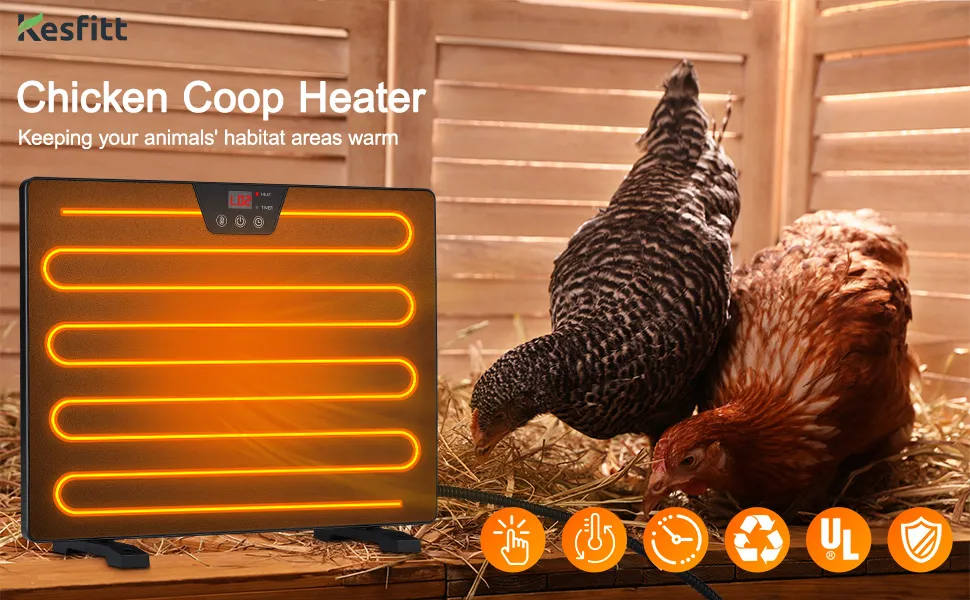
Electric space heaters are a popular option for heating chicken coops. They are relatively easy to install and can provide consistent heat. They are generally safe when used correctly and can be a good choice for smaller coops or supplemental heating. The key is to choose a heater specifically designed for outdoor or damp environments and to follow safety precautions. They come in various types, including ceramic, oil-filled, and fan-forced heaters. Consider the size of your coop and the heater’s wattage to ensure it provides enough warmth without consuming excessive energy. This will require careful planning to make sure it’s safe for your flock.
Pros and Cons of Electric Heaters
Electric space heaters offer several advantages. They are generally easy to use, provide consistent heat, and are readily available. However, they also have drawbacks. Electric heaters can be energy-intensive, which can increase your electricity bill. Safety is also a primary concern; they can be a fire hazard if not used correctly. Furthermore, they may not be suitable for very large coops, and they can be rendered useless in the event of a power outage. A thorough review of these pros and cons allows you to make a well-informed decision. This way, you’ll know whether these heaters are a good choice for your chickens or not.
Safety Precautions

Safety is paramount when using electric space heaters in a chicken coop. Always choose a heater specifically designed for outdoor use. Place the heater away from flammable materials, such as bedding and nesting materials. Regularly inspect the heater for any signs of damage or wear. Consider using a heater with built-in safety features, such as a tip-over shutoff and overheat protection. Install a carbon monoxide detector to detect any potentially dangerous emissions. Proper safety practices can protect your chickens and prevent fire hazards. This ensures the safety of your flock and the integrity of your coop. Prioritizing safety is always a must.
Infrared Heat Lamps
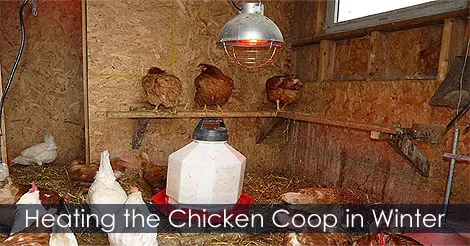
Infrared heat lamps are another commonly used heating method for chicken coops. These lamps emit infrared radiation, which directly heats the objects and chickens in the coop. They are often considered an efficient and cost-effective option. However, they require careful placement and monitoring to prevent overheating and potential burns. They are especially useful for providing localized heat, and many chicken keepers like that they’re easy to set up and control. Proper use involves understanding their benefits and potential drawbacks. The key is to strike a balance between providing adequate warmth and ensuring the safety of your chickens.
Pros and Cons of Heat Lamps
Infrared heat lamps offer several advantages. They are relatively inexpensive to purchase and operate. They provide focused heat, which is energy-efficient. However, they can pose a fire hazard if not used correctly, and they can cause burns if chickens get too close. They are also prone to breaking, and the bright light can disrupt chickens’ sleep patterns. A thorough review of these pros and cons will ensure that you know if heat lamps are right for your coop. Being informed helps you mitigate the potential hazards associated with heat lamps, which will protect the well-being of your chickens.
Safety Measures with Heat Lamps

Safety precautions are essential when using heat lamps. Use a ceramic lamp holder rated for high temperatures and secure it firmly. Position the lamp so that it is out of reach of the chickens and away from flammable materials. Regularly check the lamp and cord for any signs of damage. Consider using a heat lamp with a protective cage to prevent direct contact. Ensure that you have a backup heating plan in case the lamp fails. Implementing these safety measures ensures that you can keep your chickens safe while providing the warmth they need.
Heated Perches and Pads
Heated perches and pads offer a localized and energy-efficient heating solution. These products provide warmth directly to the chickens’ feet and bodies, making them a comfortable option during cold weather. They are relatively safe and consume less energy than some other heating methods. Heated perches and pads are especially beneficial for preventing frostbite on feet. Their use can be effective for maintaining the chickens’ overall health and well-being. Proper use is key. The choice should be based on the needs of your flock and your particular climate. The ease of use and efficiency of these systems make them an attractive option.
Pros and Cons of Heated Perches
Heated perches and pads offer several benefits. They are energy-efficient, provide targeted heat, and are typically safer than heat lamps. They are also easy to install and maintain. However, they may not provide enough heat for an entire coop in extremely cold weather, and they can be more expensive than other options. They may also not be suitable for all chicken breeds. The pros and cons must be evaluated for specific applications. Weighing all sides of the issue helps in making the right decision for your flock. This allows you to determine whether these types of systems are the best choice for your chickens.
Safety Considerations

Safety is important when using heated perches and pads. Choose products that are specifically designed for use in a chicken coop environment. Inspect the perches and pads regularly for any signs of damage. Ensure that all electrical components are protected from moisture. Follow the manufacturer’s instructions carefully. If you have concerns or issues, do not hesitate to consult a professional. By following these precautions, you can reduce the potential risks and maintain a safe environment for your chickens. Safe operation ensures your flock will be comfortable throughout the winter season.
Other Heating Solutions
Beyond the common heating methods, there are other solutions to keep your coop warm. These may be especially useful for supplemental heating or in certain circumstances. Understanding these options can help in creating a comprehensive heating plan. Some are more practical than others, depending on your specific needs. This section covers some alternative approaches to heating, enhancing the safety and comfort of your chickens in the winter months. Integrating these solutions can give you the flexibility to meet your chickens’ needs and improve their overall well-being.
Using a Brooder for Chicks
If you have young chicks, a brooder is essential. Brooders provide a controlled environment with consistent heat. They are specifically designed to keep baby chicks warm and secure. A brooder is especially important during the first few weeks of a chick’s life, when they cannot regulate their body temperature. Ensuring that you have a brooder can protect your chicks and provide them with the warmth and care they need. Proper use of a brooder is crucial for the survival and health of young chicks. The brooder gives them the perfect conditions for their growth and development.
Insulating Your Coop Effectively
Proper insulation is one of the most effective ways to keep your chicken coop warm. Good insulation prevents heat loss during the winter and helps regulate the coop’s temperature. Add insulation to the walls, roof, and floor of the coop to maximize its thermal efficiency. Use materials like fiberglass, foam boards, or recycled materials. Insulating your coop also minimizes drafts. Effective insulation reduces the need for supplemental heating and makes your coop more energy efficient. This protects your chickens from extreme temperatures. Investing in insulation offers long-term benefits in terms of comfort and cost savings.
Ventilation and Airflow
While it may seem counterintuitive, proper ventilation is essential for a warm chicken coop. Ventilation removes moisture and ammonia, which can accumulate in the coop, promoting respiratory health. Ensure that your coop has adequate ventilation, even during the winter. This is critical for maintaining a healthy environment. Avoid blocking all vents, as this can trap moisture and create a stuffy, unhealthy atmosphere. Strategic placement of vents can allow for airflow while minimizing drafts. This balanced approach will help you keep your chickens comfortable and healthy throughout the winter.
Maintaining a Healthy Coop Environment
Maintaining a healthy coop environment is just as important as providing heat. A clean, well-managed coop helps prevent disease and promotes the overall well-being of your chickens. Regular maintenance, including cleaning, monitoring, and proper ventilation, ensures that your flock stays healthy and happy. This section provides important steps for building a healthy coop environment. These practices are essential for creating the best living conditions.
Regular Coop Cleaning and Hygiene
Regular cleaning is essential for maintaining a healthy coop environment. Remove droppings, soiled bedding, and other waste regularly. Clean and disinfect the coop at least once a month, or more often if necessary. Use a poultry-safe disinfectant to kill bacteria and parasites. This routine reduces the build-up of harmful substances and creates a more hygienic environment. Proper cleaning helps prevent disease and keeps your chickens healthy. The chickens will thrive in this clean and well-maintained coop.
Monitoring Temperature and Humidity
Regularly monitor the temperature and humidity inside your chicken coop. Use a thermometer and hygrometer to track conditions. Aim for a temperature that is comfortable for your chickens, typically above freezing, and a humidity level that is not too high. Adjust your heating and ventilation systems as needed to maintain optimal conditions. Monitoring temperature and humidity helps in preventing health problems and making sure your heating system is working properly. This vigilance also ensures the health and comfort of your flock. Your chickens will be healthier and safer in their coop.
Signs of Overheating
It’s important to watch for signs of overheating, as it can be just as harmful as the cold. Chickens pant and hold their wings away from their bodies when they are too hot. They may also be less active and reduce their food intake. Ensure that your coop has proper ventilation and that your heating system is not set too high. Consider providing a shaded area or access to cool water. Recognizing the signs of overheating allows you to take prompt action. Be sure that your chickens are comfortable and safe, as this will support their health and well-being.
Keeping Your Chickens Safe and Warm
Prioritizing the safety and well-being of your chickens is the most important thing. Proper heating methods, a clean environment, and careful planning are crucial for keeping your flock safe and warm. This section summarizes key safety measures, which will help prevent accidents and health problems. Implementing these steps will protect your chickens and contribute to their comfort and productivity throughout the winter months. Keeping your chickens safe and warm takes effort, but it is essential for their well-being.
Fire Prevention in the Coop
Fire prevention is a top priority when using any type of heating system. Regularly inspect all electrical equipment for damage. Keep flammable materials, such as bedding and nesting materials, away from heat sources. Consider using a fire-resistant material. A well-planned fire safety approach protects your chickens and your property. Implementing fire safety measures safeguards your flock from accidents. You must be prepared for the possibility of fires in the coop.
Choosing Safe Heating Equipment
Choose heating equipment specifically designed for chicken coops. Look for products with safety features, such as automatic shut-off and overheat protection. Install carbon monoxide detectors. Make sure all electrical components are weatherproofed. Carefully following the manufacturer’s instructions is also essential. Selecting safe equipment minimizes the risk of accidents and ensures that your chickens remain protected. This provides the right environment for your chickens. This commitment provides safe and effective warmth.
Dealing with Power Outages
Be prepared for power outages, which can be a significant concern during winter. Have a backup heating plan in place. This might include a generator, alternative heating methods, or extra insulation. Consider a battery-powered temperature monitor to check conditions during a power outage. Knowing what to do during an outage will help maintain warmth in your chicken coop. This preparation protects the health of your flock. Having a backup plan provides peace of mind. These actions will help keep your chickens safe and warm, even in the face of an unexpected power outage. This will also help you keep the peace of mind that comes with this preparation.