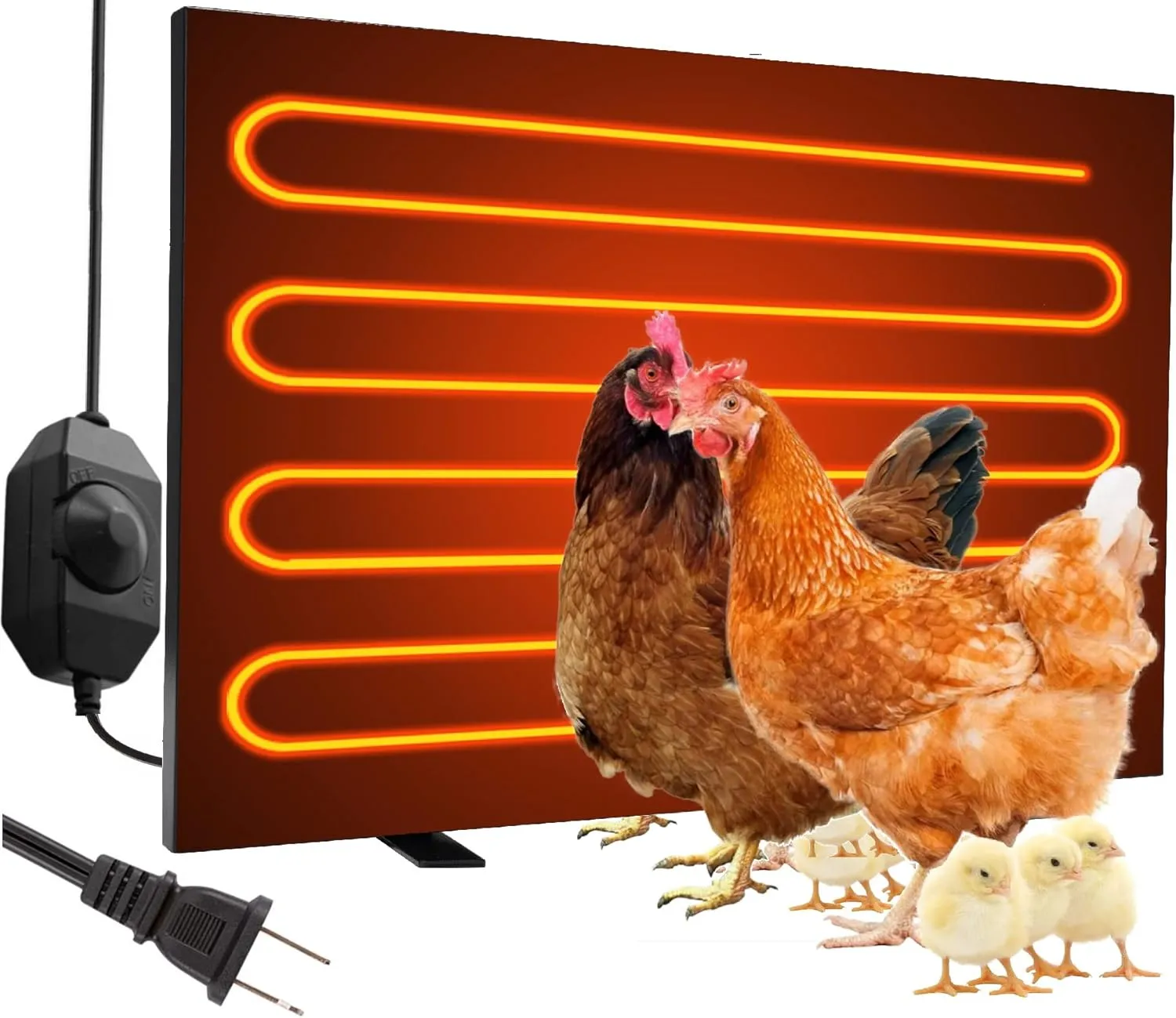
Keeping chickens during the colder months presents unique challenges. One of the most crucial aspects of winter chicken care is providing a warm environment to ensure the health and productivity of your flock. A heated chicken coop is an excellent solution, offering a comfortable and safe space for your birds to thrive even when temperatures plummet. This guide offers everything you need to know to get started with a heated chicken coop, ensuring your chickens stay happy and healthy throughout the winter.
Planning Your Heated Chicken Coop
Before you begin building or modifying your chicken coop, careful planning is essential. Proper planning ensures that your coop meets the specific needs of your chickens and the demands of your local climate. This initial phase involves several key considerations, from the ideal location to the appropriate size and the necessary equipment. Taking the time to plan meticulously will save you time, money, and potential headaches down the road, ultimately leading to a successful and comfortable heated chicken coop.
Choosing the Right Location
The location of your heated chicken coop is a critical factor. The best spot offers protection from the elements, is easily accessible for maintenance, and complies with local regulations. Consider factors such as sunlight exposure, wind direction, and proximity to your home. A location that receives ample sunlight during the day can help naturally warm the coop, reducing the reliance on heaters. Also, avoid areas prone to flooding or excessive moisture, as these conditions can compromise the coop’s structural integrity and create health hazards for your chickens. Consider the ease of access for cleaning and maintenance, and make sure the site complies with any local ordinances regarding coop placement and setbacks.
Considering Climate and Weather Conditions

Your local climate and typical winter weather conditions will significantly influence the design and heating requirements of your coop. Areas with harsh winters, including prolonged periods of sub-freezing temperatures and heavy snowfall, will require more robust insulation and a more powerful heating system. Research the average low temperatures, wind chill factors, and snowfall levels in your area. This information is critical for determining the appropriate level of insulation, the type of heater needed, and the overall construction of your coop. For instance, in regions with extreme cold, you might consider adding a windbreak to the coop to minimize drafts and reduce heat loss.
Sizing Your Coop
The size of your coop directly impacts the comfort and health of your chickens. A coop that is too small can lead to overcrowding, which increases stress, the risk of disease, and can even result in aggression among the flock. Conversely, a coop that is too large can be difficult and costly to heat. The size of the coop depends on the number of chickens you plan to house. You must ensure that each chicken has sufficient space to move around, roost, and feed comfortably. Plan for future expansion if you intend to increase your flock size. An appropriately sized coop is essential for maintaining a healthy and productive flock, particularly during the winter months.
Calculating Coop Space per Chicken
As a general guideline, allow at least 4 square feet of floor space per chicken inside the coop. This ensures adequate room for each bird to move around, roost, and avoid overcrowding. This is the minimum recommendation; providing more space is always beneficial. The roosting area should offer approximately 8-12 inches of space per bird. Also, consider the placement of feeders and waterers, ensuring there is ample space around them to prevent crowding during feeding times. In the winter, when chickens may spend more time inside, adequate space is even more critical for their well-being. Proper space allocation will minimize stress, which helps your chickens stay healthy and productive, and reduces the risk of issues like feather pecking and disease spread.
Essential Equipment

Equipping your heated chicken coop with the right components is crucial for creating a comfortable and safe environment for your chickens during the winter. This equipment includes the heating system, insulation, and ventilation. Selecting the right equipment is essential to ensure your coop effectively maintains a consistent and safe temperature and prevents moisture buildup. Careful consideration of each component will protect your chickens from the cold and ensure their health and productivity.
Heaters for Chicken Coops
Choosing the correct heater is critical for maintaining a safe and comfortable temperature inside your coop. Several types of heaters are available, each with its advantages and disadvantages. Consider factors like safety, energy efficiency, and ease of use. Prioritizing safety is paramount; ensure the heater is specifically designed for use in a chicken coop and has safety features to prevent fire hazards. Energy efficiency is also crucial, particularly in areas with high energy costs. The ideal heater balances these factors to provide reliable warmth without excessive operating expenses. Choose a heater that meets your specific needs and preferences.
Types of Chicken Coop Heaters
Common options include infrared heat lamps, panel heaters, and ceramic space heaters. Infrared heat lamps are a popular choice, as they provide direct heat to the chickens and are often relatively inexpensive. However, they can pose a fire hazard if not properly installed and monitored, and the light they emit can sometimes disrupt the chickens’ sleep cycle. Panel heaters offer a safer alternative, as they radiate heat without a direct open flame. They are typically more energy-efficient than heat lamps. Ceramic space heaters are also an option, providing a broader distribution of heat, but they should be specifically designed for coop use to ensure safety. Each type offers different benefits and drawbacks, so research the options and choose the heater that is the best fit for your coop.
Choosing the Right Heater for Your Needs

When choosing a heater, consider the size of your coop, the average winter temperatures in your area, and the number of chickens you have. Calculate the necessary wattage to heat your coop effectively. The goal is to maintain a temperature above freezing (32°F or 0°C) inside the coop. Select a heater that is specifically designed for use in a chicken coop. Make sure it has safety features, such as automatic shut-off and overheat protection. Install the heater according to the manufacturer’s instructions, ensuring it is securely mounted and away from flammable materials. Always monitor the heater’s operation and regularly inspect the wiring for damage. By carefully considering these factors, you can select the appropriate heater to create a warm and safe environment for your chickens throughout the winter.
Insulation and Ventilation
Proper insulation and ventilation are critical components of a well-designed heated chicken coop. Insulation helps to trap heat inside the coop, reducing the energy needed to maintain a comfortable temperature. Ventilation ensures that moisture and ammonia fumes are expelled, preventing respiratory problems and maintaining air quality. The proper balance of insulation and ventilation will not only keep your chickens warm but also create a healthy environment to prevent disease. This approach ensures that your chickens can thrive, even during the harshest winter weather.
Materials for Insulation
Various materials can be used to insulate your chicken coop, each with its advantages and disadvantages. Common choices include fiberglass batts, foam board, and spray foam. Fiberglass batts are readily available and provide good insulation but must be kept dry to maintain their effectiveness. Foam board insulation is also cost-effective and relatively easy to install, and it is resistant to moisture. Spray foam provides excellent insulation and can seal cracks and gaps, preventing drafts. Consider the ease of installation, the R-value (a measure of insulation effectiveness), and the cost when selecting your insulation material. Make sure to choose materials that are non-toxic and safe for chickens. Proper insulation will dramatically reduce heat loss and lower heating costs.
Ventilation System in Your Heated Coop

Ventilation is essential to remove moisture, ammonia fumes, and stale air from the coop. Without proper ventilation, moisture can lead to mold and mildew growth, while ammonia fumes can cause respiratory problems in chickens. A well-designed ventilation system ensures a constant flow of fresh air without creating drafts. This can be achieved through a combination of vents, windows, and fans. Install vents near the roof to allow warm, moist air to escape. Position windows to allow natural light and ventilation. Ensure the ventilation system doesn’t compromise the coop’s insulation. Proper ventilation prevents the buildup of harmful gases and excessive moisture, keeping your chickens healthy and your coop in good condition.
Building the Coop
Whether you build a new coop from scratch or modify an existing structure, the construction phase is critical. This stage requires attention to detail and adherence to safety guidelines to ensure the coop is structurally sound, well-insulated, and equipped with all necessary features. A well-built coop provides a safe and comfortable home for your chickens, protecting them from the elements and predators. Proper construction ensures the longevity of your coop and the well-being of your flock.
Foundation and Structure
The foundation provides a solid base for your coop, preventing it from sinking into the ground and protecting it from pests and moisture. The structure of the coop should be sturdy and well-built, using durable materials that can withstand the elements. Common foundation options include concrete slabs, treated wood, or gravel. When framing the walls, use pressure-treated lumber for the base to prevent rot and insect damage. Ensure the frame is square and level. The roof should be designed to shed rain and snow effectively. Constructing a solid foundation and frame is essential for the coop’s long-term durability and the safety of your chickens. Ensure all construction complies with local building codes.
Building Materials for the Coop

When selecting building materials, prioritize durability, insulation properties, and safety. Wood is a popular choice, but it must be treated to resist moisture and pests. Consider using materials like pressure-treated lumber for the foundation and frame, and exterior-grade plywood or siding for the walls. Metal roofing materials are durable and long-lasting. Ensure all materials are non-toxic to chickens. Avoid materials that can harbor mites or other pests. Choosing the right materials ensures that your coop is safe, comfortable, and will stand the test of time. Select materials appropriate for your climate to maximize the coop’s effectiveness.
Construction of Walls, Roof, and Doors
Construct the walls with proper framing and sheathing, then add insulation and siding. The roof should be sloped to allow for water and snow runoff. Ensure the roof is weathertight to prevent leaks. Doors should be well-fitted and secure to keep predators out. Install windows to provide natural light and ventilation, but ensure they can be closed securely during cold weather. Pay close attention to the construction details, such as sealing gaps and cracks. Build the coop according to your plan, ensuring everything is square and level. Correct construction of walls, roofs, and doors ensures a safe and secure environment for your chickens, protecting them from the elements and predators.
Installing the Heating System
Once the coop structure is complete, install the heating system according to the manufacturer’s instructions. Securely mount the heater and run the wiring safely, ensuring it is protected from the elements and from the chickens. Place the heater in a location where it provides even heat distribution. If using a heat lamp, ensure it is positioned safely above the chickens and protected with a guard. Install a thermostat to regulate the temperature and maintain a consistent environment. Before introducing your chickens, test the heating system to ensure it is functioning correctly and providing the desired temperature. Proper installation ensures that the heating system operates safely and effectively, keeping your chickens warm throughout the winter.
Safety Measures

Safety should always be a top priority when setting up and maintaining a heated chicken coop. This involves addressing electrical safety concerns and taking steps to prevent fire hazards. Implementing these safety measures is crucial to protect your chickens and your property. Regularly inspecting the coop and equipment can prevent potential issues and ensure a safe environment for your flock. Following these safety measures will help to create a secure and worry-free environment for your chickens.
Electrical Safety
Ensure all electrical wiring is properly installed and protected from the elements and from chickens. Use outdoor-rated wiring and outlets. Install a ground fault circuit interrupter (GFCI) to protect against electrical shocks. Regularly inspect the wiring for any damage, such as frayed wires or loose connections. Keep all electrical components away from water sources. Never overload electrical circuits. Following electrical safety guidelines will prevent electrical hazards and keep your chickens safe.
Fire Prevention
Prevent fire hazards by keeping flammable materials, such as bedding and nesting materials, away from the heater. Use a heater designed for use in chicken coops, and follow the manufacturer’s recommendations for installation and operation. Regularly inspect the heater and wiring for any signs of damage or wear. Consider installing a smoke detector in the coop. Maintain a clean coop environment, removing any accumulated dust or debris that could ignite. Taking these precautions significantly reduces the risk of fire, ensuring the safety of your chickens and property.
Maintaining Your Heated Coop
Regular maintenance is essential for keeping your heated chicken coop in good condition and ensuring the health and comfort of your chickens. This involves regular cleaning, inspecting the heating system, and monitoring the coop’s temperature and humidity levels. Consistent maintenance will prolong the life of your coop, protect your investment, and keep your chickens happy and healthy.
Regular Cleaning
Clean the coop regularly to prevent the buildup of waste, which can lead to ammonia fumes and disease. Remove droppings, soiled bedding, and spilled feed. Replace the bedding frequently to maintain a clean and dry environment. Disinfect the coop periodically with a poultry-safe disinfectant to kill bacteria and parasites. Regular cleaning is essential for maintaining a healthy environment, reducing the risk of disease, and promoting the overall well-being of your chickens. This practice contributes significantly to their health and productivity, especially during the winter months.
Inspecting the Heating System
Inspect the heating system regularly to ensure it is functioning correctly. Check the wiring for any damage, such as frayed wires or loose connections. Test the thermostat to ensure it is maintaining the desired temperature. Clean any dust or debris from the heater, which can reduce its efficiency and pose a fire hazard. Inspecting the heating system regularly helps to catch potential problems early. This practice ensures that your chickens are getting adequate warmth and prevents costly repairs or safety hazards.
Monitoring Coop Temperature and Humidity
Monitor the temperature and humidity levels inside the coop. Use a thermometer and hygrometer to track these levels. The ideal temperature for a chicken coop in winter is above freezing (32°F or 0°C), but chickens can tolerate colder temperatures if the coop is dry and protected from drafts. Excessive humidity can lead to health problems. If the humidity level is too high, improve ventilation. Make adjustments to the heating and ventilation as needed. Regular monitoring helps to ensure that your chickens are comfortable, and the coop environment is healthy, promoting their overall well-being.
Setting up a heated chicken coop is a rewarding endeavor that allows you to provide your chickens with a comfortable and safe environment throughout the winter. By planning carefully, choosing the right equipment, constructing the coop properly, and practicing diligent maintenance, you can ensure your flock stays healthy and productive, even when the weather outside is frightful. Your chickens will appreciate the warmth, and you’ll enjoy the peace of mind knowing you’re providing the best possible care. Enjoy the benefits of fresh eggs year-round and the satisfaction of keeping your chickens happy and healthy.