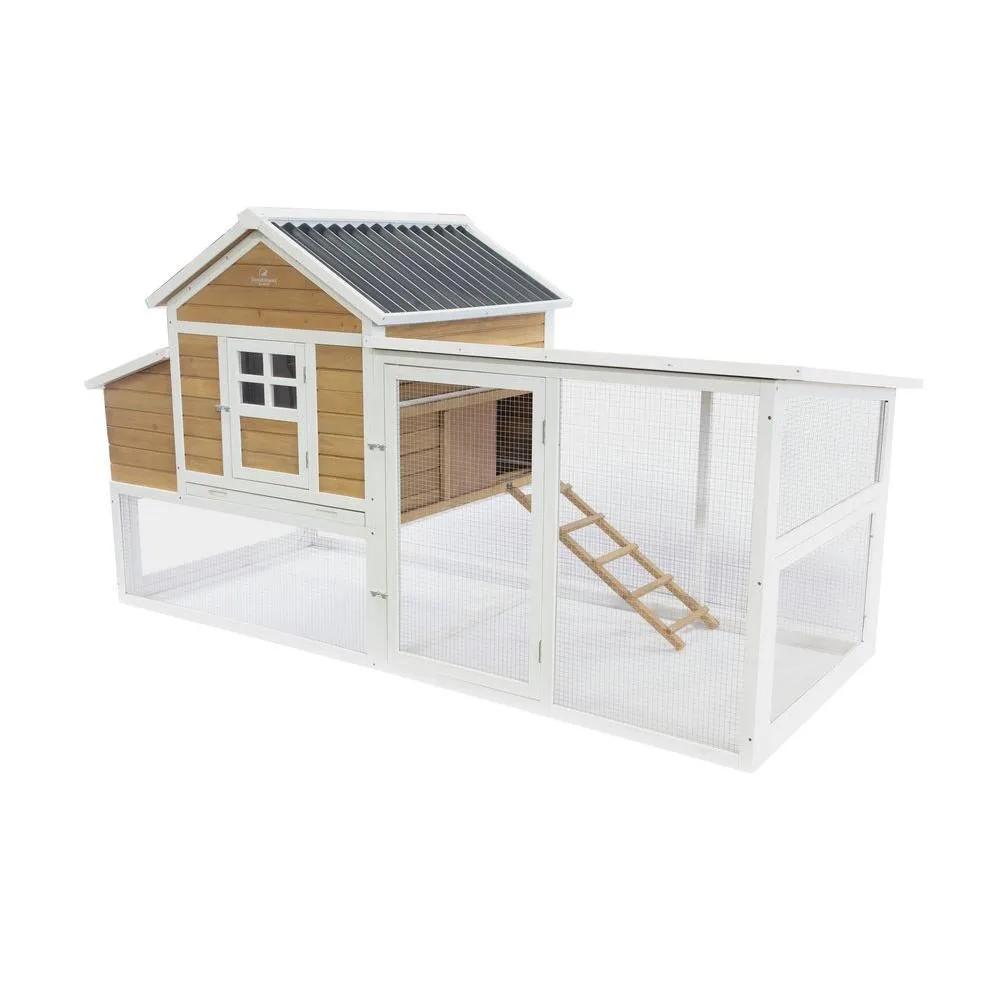
Home Depot Chicken Coop 7 Must-Know Facts
Thinking about raising chickens in your backyard? A home depot chicken coop can be a great starting point for providing your feathered friends with a safe, secure, and comfortable home. Home Depot offers a variety of coop options, from pre-fabricated models to DIY kits, making it relatively easy to get started. However, before you purchase a coop, there are several crucial factors to consider. Understanding these key aspects will help you choose the right coop, ensuring both your chickens’ well-being and your own peace of mind. This guide will explore seven must-know facts about Home Depot chicken coops, covering everything from cost and materials to predator protection and maintenance.
Cost Considerations for a Home Depot Chicken Coop
One of the first things to consider is the cost. Home Depot chicken coops come in a wide range of prices, so establishing your budget upfront is vital. The price depends on several factors, including size, materials, and whether it’s a prefabricated unit or a DIY kit. Prefabricated coops offer convenience but can be pricier. DIY kits are often more budget-friendly, allowing you to save money on labor costs if you’re handy. Remember to factor in additional expenses beyond the coop itself, such as the cost of bedding, feeders, waterers, and other essential accessories. It’s also important to consider long-term costs such as feed and potential veterinary care. Always compare different models and options, and don’t hesitate to read customer reviews to get an idea of the quality and durability of the coop before making your decision.
Types of Home Depot Chicken Coops

Home Depot offers various chicken coop types to suit different needs and preferences. Knowing these options allows you to make the most appropriate choice. Some popular styles include: prefabricated coops and DIY coop kits. Each option comes with its own advantages and disadvantages, so it’s essential to choose the one that best aligns with your needs and budget. Also, consider the space you have available in your backyard, and how many chickens you plan to house. The type of coop you choose will significantly impact your overall experience raising chickens. Consider which coop type suits your skills and time commitments.
Prefabricated Coops
Prefabricated coops are a convenient choice, as they are pre-built and typically only require minimal assembly. They come in various sizes and styles and are a good option for those who are short on time or lack extensive carpentry skills. Prefab coops usually include essential features like nesting boxes, roosting bars, and sometimes even integrated runs. While they are generally more expensive than DIY kits, they save you the time and effort of building from scratch. They’re also a good choice for beginners. However, be sure to carefully review the materials and construction quality before purchasing, as these can vary widely.
DIY Coop Kits
DIY coop kits provide a more hands-on experience, allowing you to build the coop yourself from pre-cut materials. They’re often more affordable than prefabricated models, and they offer a greater degree of customization. DIY kits come with detailed instructions and all the necessary hardware, making it accessible even for those with basic carpentry skills. Building a coop from a kit can be a rewarding project, and it gives you a greater understanding of how the coop is constructed. However, it requires more time and effort. Ensure that you have the necessary tools and space, and be prepared to follow the instructions carefully. Choose a kit with clear, easy-to-follow instructions to make the building process as smooth as possible.
Home Depot Chicken Coop Materials

The materials used in a Home Depot chicken coop significantly impact its durability, safety, and overall lifespan. When choosing a coop, pay close attention to the materials used in its construction. Different materials offer varying levels of protection against the elements, as well as predators. Wood is a common material for chicken coops and offers several benefits, however, is prone to pest and weather damage. Consider your local climate when selecting materials, as coops in areas with harsh weather conditions need to be more robust. Remember to also factor in the materials’ maintenance requirements, as some will require more upkeep than others. The lifespan of the coop depends largely on the quality of the materials used.
Wood Choices
Wood is a traditional material for chicken coops, known for its natural look and ease of modification. Different types of wood offer varying levels of durability and resistance to rot and pests. Cedar and redwood are popular choices because they are naturally resistant to decay and insects, making them ideal for outdoor use. Pressure-treated lumber is another option, as it’s chemically treated to resist rot and pests, but it’s important to ensure the chemicals used are safe for chickens. Consider the climate and the local pest population when choosing the right wood. Always paint or stain the wood to protect it from the elements and extend its lifespan. Proper wood selection will ensure that your coop will remain sturdy for a long period.
Hardware Cloth and Wire
Hardware cloth or wire mesh is essential for ensuring the safety of your chickens by preventing predators from entering the coop and run. It is used to cover the openings, such as windows and the floor of the run. When choosing hardware cloth, opt for a gauge that is sturdy enough to withstand the local predators, such as raccoons, foxes, and coyotes. The mesh size should be small enough to prevent predators from reaching through and grabbing your chickens. Make sure to use hardware cloth or wire mesh that is galvanized or coated to prevent rust and corrosion. Correct installation is critical; the hardware cloth should be securely attached to the frame of the coop. Ensure there are no gaps or weak points where predators could gain entry.
Ventilation and Airflow Requirements

Adequate ventilation is essential for the health and well-being of your chickens. Good airflow prevents the buildup of ammonia from the chicken manure, which can cause respiratory problems. Proper ventilation also helps to regulate the coop’s temperature, keeping it cool in the summer and preventing condensation in the winter. Look for coops with vents, windows, or other openings that allow air to circulate freely. The location of the vents is also important; they should be positioned to promote good airflow without creating drafts directly on the chickens. Consider adding a roof vent or an adjustable vent to regulate airflow based on the weather conditions. Ensure that the ventilation system is protected from rain and snow to keep the coop dry.
Predator-Proofing Your Home Depot Chicken Coop
Protecting your chickens from predators is critical. Home Depot coops should incorporate several features to deter predators. Use strong hardware cloth or wire mesh on all openings, including windows, doors, and the run floor. Securely bury the wire mesh around the perimeter of the run to prevent predators from digging underneath. Ensure that the doors and latches are robust and predator-resistant. Consider adding extra security features, such as a locking system on the doors and windows. Inspect the coop regularly for any signs of damage or weakness. Also, consider the local predators in your area. The more prepared you are, the safer your chickens will be.
Location and Placement Tips
The location of your chicken coop is important for several reasons, including the health of your chickens and the convenience for you. Choose a location that is relatively flat and well-drained to prevent water from pooling around the coop. Provide partial shade to protect the chickens from the heat during the summer months. Ensure the area is away from direct sunlight to keep the coop cool. Consider the prevailing winds and the direction of the sun when positioning the coop. Choose a location that is easily accessible for cleaning and maintenance, but far enough from your house to avoid unpleasant smells and noises. Be mindful of local zoning regulations and neighborhood restrictions regarding chicken coops.
Maintenance and Cleaning

Regular maintenance and cleaning are essential for keeping your chicken coop in good condition and ensuring the health of your chickens. Establish a cleaning schedule that includes removing droppings, replacing bedding, and washing the coop regularly. The frequency of cleaning depends on the size of the coop, the number of chickens, and the type of bedding used. Use non-toxic cleaning products. Remove all old bedding and disinfect the coop thoroughly. Check for any damage, such as loose boards or broken latches, and make repairs promptly. Regular maintenance helps prevent the buildup of harmful bacteria and parasites, creating a healthy environment for your chickens.
Home Depot Chicken Coop Accessories
Home Depot offers various accessories to enhance your chicken coop, making it more functional and comfortable for your chickens. Consider adding feeders and waterers, choosing models that are easy to clean and refill. Nesting boxes are another important accessory, providing a safe and private place for your chickens to lay eggs. Include roosting bars, which allow chickens to perch comfortably at night. Consider adding a run to allow chickens to roam in a secure outdoor area. Home Depot also offers coop heaters and ventilation systems. Choose accessories that match the size and design of your coop.
Benefits of a Home Depot Chicken Coop
Choosing a Home Depot chicken coop offers numerous benefits for both beginner and experienced chicken keepers. From convenience and affordability to a wide selection of styles, Home Depot provides a practical solution for housing chickens. The pre-fabricated coops are a time-saving option that requires minimal assembly. DIY kits offer a budget-friendly alternative. Home Depot offers a diverse range of coops designed to meet different needs. Home Depot’s coops allow you to create a safe and comfortable home for your flock, and enjoy the rewards of fresh eggs and the joys of backyard chicken keeping.