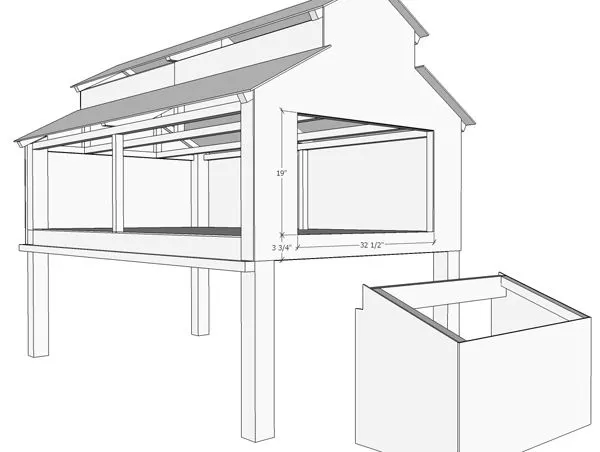
Building a chicken coop can be a rewarding project, providing fresh eggs and a fun hobby. This comprehensive guide walks you through the process of building a chicken coop using materials readily available at Home Depot. Whether you’re a seasoned DIY enthusiast or a beginner, this guide offers clear instructions, helpful tips, and essential information to get you started. Following a well-structured home depot chicken coop plan is key to a successful project, saving you time and ensuring your chickens have a safe and comfortable home. Let’s dive into the essentials and begin constructing your own backyard haven for your feathered friends. Proper planning and execution are crucial for a functional and aesthetically pleasing coop that meets your chickens’ needs.
Home Depot Chicken Coop Plan Essentials
Before you begin construction, understanding the fundamental aspects of a chicken coop plan is essential. This section covers pre-planning considerations, material sourcing, and the essential tools you’ll need to ensure a smooth and successful build. A well-defined plan streamlines the process, minimizes errors, and ensures your coop meets the specific needs of your chickens. With a clear understanding of these basics, you’ll be well-equipped to tackle this exciting project. Remember, careful planning and preparation are the cornerstones of a successful DIY endeavor, and building a chicken coop is no exception. Taking the time to address these essential elements upfront will greatly enhance the overall experience and outcome.
Planning Your Chicken Coop
The initial phase involves assessing your needs and determining the ideal location for your coop. Consider factors such as local regulations, sunlight exposure, and protection from predators. Research local ordinances to understand any restrictions regarding coop size, placement, and materials. Choose a level site that receives adequate sunlight to help regulate the coop’s temperature and promote the health of your chickens. The location should also offer easy access for cleaning and maintenance. Consider the direction of prevailing winds to ensure proper ventilation. Carefully selecting the location sets the foundation for a safe and comfortable environment for your flock, making this initial step pivotal for the long-term success of your chicken-keeping venture.
Choosing the Right Size for Your Coop

The size of your chicken coop is crucial for the well-being of your chickens. Overcrowding leads to stress, disease, and reduced egg production. A general guideline is to allow at least four square feet of floor space per chicken inside the coop and eight to ten square feet per chicken in the outdoor run. This space ensures they have enough room to move around, roost, and engage in natural behaviors. The number of chickens you plan to keep is also a key factor when determining the appropriate coop size. Consider future expansion and build a coop that can accommodate your flock as it grows. Proper sizing provides the chickens with the room they need to thrive, and it also simplifies cleaning and maintenance.
Home Depot Materials Checklist
Creating a detailed materials list is essential for staying organized and within budget. Visit your local Home Depot and gather all the necessary supplies before starting construction. This will prevent delays and ensure that you have everything you need on hand. A well-prepared materials list also allows you to compare prices and choose the most cost-effective options. Consider the longevity and durability of the materials when making your selections. Quality materials will extend the lifespan of your coop, reducing maintenance costs. Preparing your list in advance will streamline the building process and help to ensure a smoother, more enjoyable building experience.
Lumber and Framing Materials
Choosing the right lumber is essential for the structural integrity of your coop. Pressure-treated lumber is often recommended for the base and any parts that will come into contact with the ground. This type of wood resists rot, decay, and insect infestation. For the frame and walls, consider using cedar or pine, which are naturally resistant to the elements. Ensure the lumber is straight and free from knots. When selecting wood, consider the size and type that best suits your design and budget. Quality framing materials provide a robust and durable structure that will withstand the test of time and provide a safe environment for your chickens. Proper lumber selection is pivotal for the long-term stability and functionality of your coop.
Hardware and Fasteners

Selecting the correct hardware and fasteners is crucial for the structural integrity of your coop. Use exterior-grade screws, nails, and bolts that are designed to resist corrosion and rust. Stainless steel or galvanized options are excellent choices for outdoor applications. Choose the appropriate size fasteners for the lumber thickness and the application. Consider using construction adhesive in addition to screws for added strength. High-quality hardware ensures the coop remains sturdy and withstands the elements. By using the right fasteners, you’ll create a safe and secure home for your chickens, preventing any potential issues caused by poor construction. Choosing the correct hardware can greatly extend the life of your coop.
Tools You’ll Need
Having the right tools on hand makes the construction process more efficient and enjoyable. This section covers the essential tools necessary for building your chicken coop. From basic measuring tools to power tools for cutting and fastening, having the right equipment will streamline the build and ensure accurate results. Safety is also key, and having the proper tools will minimize the risk of accidents. Being prepared with the right tools sets the stage for a successful and enjoyable project. Taking the time to gather the right tools will save you time and make the building process much more efficient.
Essential Tools for Construction
Essential tools include a measuring tape, level, saw (circular saw, jigsaw, or handsaw), drill/driver, hammer, and safety glasses. A measuring tape is crucial for accurate measurements. A level ensures the coop is built straight. A saw is needed for cutting lumber to the correct size. A drill/driver is essential for driving screws and assembling the frame. A hammer is useful for nailing and general construction tasks. Having these essential tools will make the construction process much easier and more efficient. Consider investing in high-quality tools to ensure they last. Proper tools make the process more enjoyable and enable you to complete your project with precision and ease.
Safety Gear for Coop Building

Safety should always be a top priority when working with tools and materials. Wear safety glasses to protect your eyes from flying debris. Use work gloves to protect your hands from splinters and abrasions. Consider wearing a dust mask or respirator when cutting wood to avoid inhaling sawdust. Wear appropriate clothing, including closed-toe shoes, to protect your feet. Following these simple safety precautions will minimize the risk of accidents and injuries. Safety is paramount when engaging in DIY projects, and taking the necessary precautions is a reflection of your commitment to well-being. Proper safety measures ensure a safer and more enjoyable building experience.
Step-by-Step Home Depot Coop Construction
With your plans, materials, and tools in place, it’s time to start building. This section provides a step-by-step guide to building a chicken coop, from preparing the site to adding finishing touches. Following these instructions will help you construct a functional, safe, and attractive coop. Patience and attention to detail are key throughout this process. Don’t rush; take your time to ensure each step is completed correctly. With each step, you will see your coop take shape, giving you a feeling of accomplishment. This process is rewarding, and the final product will be a testament to your hard work and commitment.
Preparing the Coop Site
Before you begin building, prepare the site where the coop will be located. Clear the area of any obstructions, such as rocks, roots, or debris. Level the ground to provide a stable base for the coop. If the area is prone to flooding, consider building the coop on a raised platform or using a gravel base for drainage. Proper site preparation ensures a stable and level foundation, which is crucial for the overall stability of the coop. Preparing the site also simplifies the construction process and minimizes potential problems down the road. Taking the time to prepare the site will provide a sturdy, long-lasting foundation for your coop.
Building the Coop Frame

The frame provides the structural support for the entire coop. Start by building the base frame, ensuring it is square and level. Attach the corner posts to the base frame, making sure they are plumb (perfectly vertical). Add the top frame, connecting the corner posts. Use screws or nails to securely fasten the frame components together. Consider adding bracing to the corners for increased stability. Double-check all measurements and ensure the frame is square and true before moving on to the next steps. A strong, well-built frame is the foundation of a durable and safe coop, and it is critical to the overall integrity of the structure. A properly constructed frame is essential for the structural integrity of your chicken coop, ensuring it can withstand the elements and protect your chickens.
Adding Walls and Roofing
Once the frame is complete, attach the walls and roofing. For the walls, you can use plywood, oriented strand board (OSB), or wooden planks. Ensure that the walls are securely attached to the frame. For the roof, choose a material that is weather-resistant, such as asphalt shingles, metal roofing, or corrugated plastic. Properly install the roofing material, following the manufacturer’s instructions, to prevent leaks. Proper installation of walls and roofing will protect your chickens from the elements and ensure a comfortable living environment. Careful execution of these steps is essential for creating a weather-tight coop that protects your chickens from the elements and creates a comfortable environment.
Installing Doors and Windows
Install doors and windows to provide access for the chickens and allow for ventilation and natural light. Build a door frame and install a secure door with a latch that is easy to open and close, but predator-proof. Install windows to allow for air circulation and light. Consider using hardware cloth or wire mesh to cover the windows and prevent predators from entering. Position the windows and doors in a way that promotes good airflow and natural light. The door must be secure to keep predators out, and the windows are essential for the health and comfort of your chickens. Proper door and window placement contributes to a secure, well-ventilated coop.
Finishing Touches and Features

Add the finishing touches to make your coop functional, comfortable, and safe for your chickens. This section covers essential features such as ventilation, predator-proofing, and interior design elements that will make the coop a perfect home for your flock. Paying attention to these details ensures your chickens are safe, healthy, and content, ultimately enhancing your overall chicken-keeping experience. This is the stage where you personalize your coop and ensure it meets the specific needs of your chickens and the environment. The finishing touches transform a basic structure into a welcoming and secure home for your chickens.
Ventilation and Airflow Considerations
Proper ventilation is essential to maintain air quality and prevent the buildup of moisture and ammonia. Install vents near the roofline to allow for air circulation. Avoid placing vents directly above the roosting bars, as this can cause drafts and chill your chickens. Ensure that the ventilation system allows for sufficient airflow while minimizing drafts and preventing rain from entering the coop. Good ventilation helps to control odors and humidity, which is crucial for the health and well-being of your chickens. Adequate ventilation will contribute to a healthier environment for your chickens, preventing respiratory problems and ensuring a comfortable living space.
Predator-Proofing Your Coop
Protect your chickens from predators by implementing several security measures. Bury hardware cloth or wire mesh around the perimeter of the coop to prevent animals from digging underneath. Use sturdy latches and locks on all doors and windows. Cover any openings with hardware cloth or wire mesh with small openings to prevent predator entry. Secure the roof to prevent predators from entering from above. Predator-proofing is a critical aspect of chicken coop design, ensuring the safety of your flock. Investing in effective predator-proofing measures provides peace of mind and protects your chickens from potential harm, guaranteeing a safe and secure environment.
Creating a Comfortable Interior

Design the interior of the coop to be comfortable and functional for your chickens. Install roosting bars at a height suitable for your chickens, allowing enough space for each bird to sleep comfortably. Provide nesting boxes in a secluded area of the coop. Consider adding a layer of bedding, such as wood shavings or straw, to the floor to absorb moisture and provide a comfortable resting place. Provide access to food and water within the coop, ensuring these are readily accessible and clean. Creating a comfortable interior is essential for the health and well-being of your chickens. The design of the interior will directly impact the chickens’ comfort and productivity.
Maintaining Your Home Depot Chicken Coop
Regular maintenance is crucial for keeping your coop in good condition and ensuring the health and well-being of your chickens. This section covers essential cleaning protocols, maintenance tasks, and solutions for common problems. Regular care will extend the life of your coop and provide a safe and healthy environment for your chickens. Proactive maintenance prevents major issues and keeps your coop in top shape. Dedication to proper maintenance guarantees a long-lasting and functional chicken coop.
Cleaning and Sanitation Protocols
Regular cleaning and sanitation are essential to prevent the buildup of harmful bacteria and parasites. Remove droppings and soiled bedding regularly. Clean and disinfect the coop at least once a month, or more frequently if needed. Use a coop-safe disinfectant to kill any germs or bacteria. Ensure the coop is thoroughly dry before returning the chickens. Regular cleaning and sanitization will help maintain a healthy environment. Consistent hygiene will prevent the spread of diseases and ensure the long-term health of your flock. Following sanitation protocols will result in a clean and safe coop for your chickens.
Regular Maintenance Tasks

Perform regular maintenance tasks to keep your coop in good condition. Inspect the coop regularly for any signs of wear and tear, such as loose boards, damaged roofing, or broken latches. Repair any issues promptly to prevent further damage and maintain the structural integrity of the coop. Check and maintain the ventilation system to ensure proper airflow. Regularly inspect and clean the nesting boxes and roosting bars. Routine maintenance will extend the lifespan of the coop and ensure a safe living environment for your chickens. Regular checks and maintenance prevent major repairs down the road.
Troubleshooting Common Problems
Address any issues that may arise promptly. If you notice signs of pests, such as rodents or mites, take immediate action to eliminate them. If your chickens are not laying eggs, check the nesting boxes, ensure they have enough space, and monitor the birds for any signs of illness. If the coop is not well-ventilated, improve the airflow. Being proactive in addressing problems will help maintain a healthy and comfortable environment. Addressing issues swiftly ensures the long-term well-being of your flock and the upkeep of your coop. Effective troubleshooting will contribute to the overall success of your chicken-keeping experience.
Building a chicken coop from a Home Depot plan can be a rewarding experience, providing fresh eggs and a connection with nature. By following this guide, you can create a safe, comfortable, and functional home for your chickens, while making the most of the materials available at Home Depot. Remember to plan carefully, build with precision, and maintain your coop regularly to ensure its longevity. Enjoy the process and the satisfaction of building something with your own hands. Your chickens will thank you with fresh eggs and happy clucks for years to come.