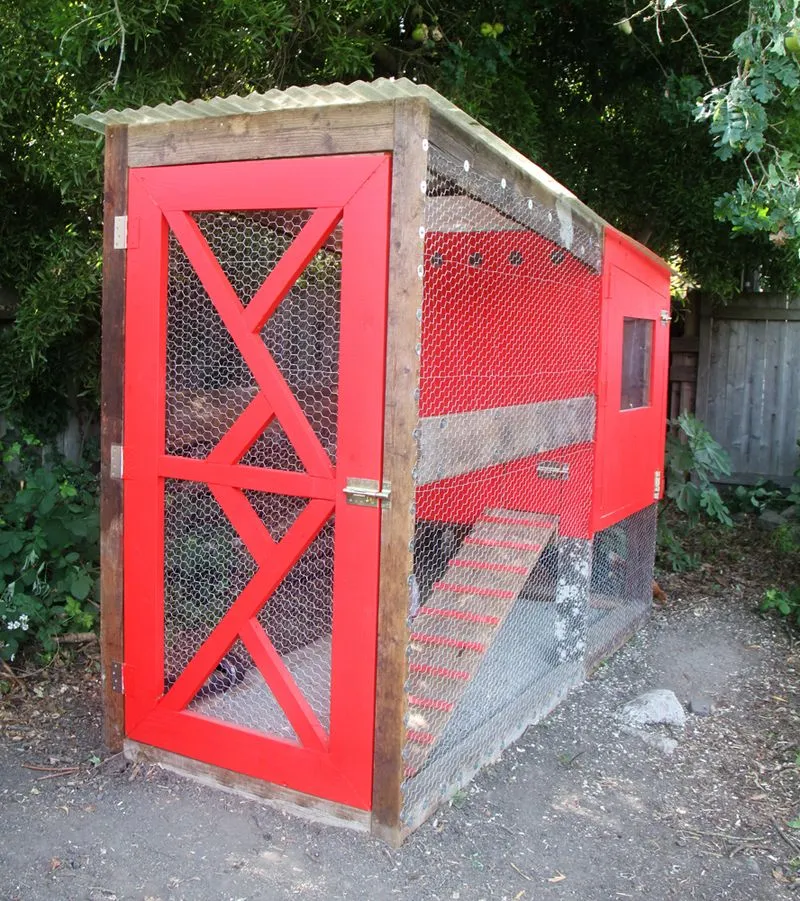
Chicken Coop Homemade Design Ideas
Building a homemade chicken coop can be a rewarding project, offering a sense of accomplishment while providing a safe and comfortable home for your flock. Designing a coop involves considering various factors, including the size of your flock, local climate conditions, and predator presence. This article will explore five unique homemade chicken coop design ideas, offering inspiration and guidance for your backyard chicken project. From beginner-friendly plans to more advanced builds, you’ll discover designs that cater to different needs and experience levels. Whether you’re looking for simplicity, mobility, or enhanced protection, these ideas will help you create a functional and aesthetically pleasing coop for your chickens. Embrace the joy of creating a personalized space where your chickens can thrive and enjoy their daily routines, with the added satisfaction of knowing you built it yourself.
Coop Design Ideas for Beginners
For those new to coop building, simplicity and ease of construction are paramount. Beginner-friendly designs often prioritize straightforward plans, readily available materials, and manageable dimensions. These coops typically involve basic carpentry skills and can be completed over a weekend, making them an ideal starting point for aspiring chicken keepers. The goal is to create a functional and secure shelter without overwhelming the builder with complex techniques or intricate designs. Selecting a beginner-friendly design ensures a positive and successful first experience with coop building, laying the foundation for future projects and fostering a deeper appreciation for backyard chicken keeping. Begin with a simple design, like a basic rectangular coop with a pitched roof, focusing on sturdy construction and proper ventilation to keep the chickens healthy and happy.
Simple DIY Coop Plans

Simple DIY coop plans typically involve step-by-step instructions, clear diagrams, and a list of essential materials. These plans often feature readily available lumber, such as pine or cedar, and can be easily customized to fit your specific needs. The focus is on affordability, ease of construction, and practicality. Building a simple DIY coop is a great way to learn basic carpentry skills and gain hands-on experience in coop design and construction. Start by researching various free or low-cost plans available online or at your local library. Ensure the plan includes detailed material lists, cutting diagrams, and assembly instructions. Consider adding features such as a nesting box, roosting bars, and a secure door for easy access and maintenance. Proper planning and preparation are crucial for a successful DIY project, so carefully review the plan, gather your materials, and allocate sufficient time for the build. The satisfaction of building your coop from scratch is immense, and the result will be a functional and comfortable home for your chickens.
Mobile Chicken Coop Design
A mobile chicken coop, also known as a chicken tractor, offers a convenient and eco-friendly way to manage your flock and enrich your garden. This design allows you to move your chickens to different areas of your yard, providing them with fresh grass and preventing overgrazing. Mobile coops are typically lightweight and easy to maneuver, often featuring wheels or skids for easy relocation. Constructing a mobile coop requires careful consideration of weight, size, and maneuverability. Consider using durable materials like pressure-treated wood or aluminum framing to ensure longevity and withstand outdoor conditions. Incorporate features like a wire mesh floor to allow chickens to forage while keeping them safe from predators. Think about adding a nesting box, roosting bars, and a waterer to make your mobile coop as functional as possible. Mobile coops benefit your chickens and your garden by providing natural pest control and fertilization. This design offers a flexible and sustainable approach to chicken keeping.
Classic Gable Coop Design
The classic gable coop design provides a timeless and aesthetically pleasing shelter for your chickens. This design features a pitched roof with two sloping sides, creating a traditional and functional structure. The gable roof design offers excellent water runoff, preventing moisture buildup and prolonging the life of your coop. Gable coops can be customized in various sizes and styles, from small backyard coops to larger, more elaborate structures. The design provides ample headroom and ventilation, ensuring a comfortable environment for your chickens. Consider using weather-resistant materials, such as cedar or treated lumber, to construct your gable coop. Add features like windows for natural light and ventilation, a secure door with a latch, and a predator-proof hardware cloth to protect your flock. The classic gable design blends seamlessly with different landscapes and provides a safe and stylish home for your chickens. This design is both attractive and practical.
Coop Design for Cold Climates

Chickens are generally hardy birds, but cold climates require specific coop considerations to keep them comfortable and healthy. Designing a coop for cold weather involves prioritizing insulation, draft prevention, and ventilation. Proper insulation is crucial to maintaining a consistent temperature inside the coop, protecting chickens from extreme cold. Consider using materials like rigid foam insulation or fiberglass batts in the walls, roof, and floor of your coop. Drafts can be detrimental to chickens, so ensure your coop is well-sealed and protected from wind. However, it’s also essential to provide adequate ventilation to prevent moisture buildup, which can lead to frostbite and respiratory problems. Combining insulation with proper ventilation creates a healthy and comfortable environment for your chickens during the winter months. By understanding the needs of chickens in cold weather and incorporating specific design elements, you can ensure your flock thrives throughout the year.
Insulated Coop Construction
Insulating your chicken coop is a vital step in preparing for cold weather, helping to maintain a stable internal temperature and protect your chickens from the elements. Different insulation options are available, each with its advantages and disadvantages. Rigid foam insulation is an effective and cost-efficient option, easy to install and resistant to moisture. Fiberglass batts provide excellent insulation but require careful installation to avoid moisture buildup and mold growth. Consider the R-value of the insulation, with higher R-values providing greater thermal resistance. When installing insulation, ensure it is securely fastened and covers all exposed surfaces, including walls, roof, and floor. Also, ensure proper ventilation to prevent moisture from getting trapped within the insulated space. Careful planning and proper installation will help you build an energy-efficient and comfortable home for your chickens. With proper insulation, your chickens will be much more comfortable during the coldest months of the year.
Protecting Against the Elements
Beyond insulation, protecting your chicken coop against wind, rain, and snow is critical for creating a safe and comfortable environment. Ensure your coop has a sturdy roof with proper overhangs to prevent water from entering. Seal all cracks and gaps in the walls, doors, and windows to eliminate drafts. Consider using weather-resistant materials and finishes to protect the coop from moisture and rot. Proper ventilation is equally important, allowing air to circulate and prevent moisture buildup. Add features like a covered run or a sheltered area to protect your chickens from harsh weather conditions. Proper protection from the elements ensures your chickens stay dry, warm, and healthy throughout the year, regardless of the weather conditions. A well-designed coop will withstand the elements and provide a safe haven for your flock.
Coop Design for Small Spaces

Backyard space is often a premium, particularly in urban and suburban environments. Designing a chicken coop for small spaces requires careful planning and the utilization of space-saving features. Vertical coop designs, which maximize vertical space, are an excellent option for limited areas. A well-designed small coop will optimize space, ensuring that your chickens have sufficient room to roam and thrive. Consider building a multi-tiered coop with integrated nesting boxes, roosting bars, and a run. A smaller coop can also be placed against a fence or wall, allowing you to utilize available space effectively. When space is limited, every square foot counts. Choose breeds of chickens known for their adaptability to confined spaces and create a routine that incorporates free-range time whenever possible. By strategically using space-saving designs, you can enjoy fresh eggs and the company of chickens even in a small backyard.
Vertical Coop Design
Vertical chicken coops offer a smart solution for maximizing space in compact backyards. These coops utilize the vertical dimension, creating multiple levels for different chicken activities. You might build a vertical coop with a ground-level run, nesting boxes on the second level, and roosting bars at the highest point. Using the vertical space offers greater efficiency and allows for a smaller footprint, making them ideal for small spaces. Ensure that each level provides proper ventilation, lighting, and easy access for cleaning and maintenance. Build sturdy ramps or ladders to allow your chickens to move between levels. This design provides a comfortable and enriching environment for your chickens. The vertical coop will use the available space, providing a functional and aesthetically pleasing addition to your backyard.
Space-Saving Coop Features
When space is at a premium, consider features that help you make the most of every square inch. Integrated nesting boxes, built-in roosting bars, and space-saving feeders and waterers can contribute to a more efficient coop design. Hinged roofs and doors that swing outwards or upwards can save space, too. Consider a design that integrates the run and coop into one structure, maximizing the use of the available area. Look into compact automatic doors or features that can be operated remotely to enhance convenience and space utilization. By selecting the right features, you can create a functional and comfortable chicken coop within limited confines, maximizing the space you have. These additions, along with some creative planning, are great ideas.
Coop Design for Predator Protection

Protecting your chickens from predators is a fundamental consideration in any chicken coop design. Predators, such as foxes, raccoons, hawks, and coyotes, can pose a significant threat to your flock. Designing a coop with robust predator protection ensures the safety and well-being of your chickens. Incorporate secure materials and design features to prevent predators from entering the coop, such as strong wire mesh, secure latches, and buried hardware cloth. Prevent predators with these methods and your chickens will be much safer. The safety of your chickens starts with solid planning and construction.
Hardware Cloth and Security
Hardware cloth is a crucial component for predator-proofing your chicken coop. Use heavy-gauge hardware cloth (1/2-inch mesh or smaller) for the walls, floor, and run of your coop. This prevents predators from chewing through the coop’s structure. Always use hardware cloth and never use chicken wire, which is easily compromised. Ensure that all seams and joints are securely fastened with staples or screws. Secure the bottom of the coop and run by burying the hardware cloth a foot or more underground, extending outwards to prevent digging predators from entering. By carefully installing hardware cloth and securing all openings, you can significantly enhance the security of your coop and protect your chickens from potential attacks. The selection of the right materials is extremely important.
Burial and Coop Placement
Proper coop placement is essential for predator protection. Place your coop in an open area with good visibility, eliminating potential hiding spots for predators. Avoid building the coop near trees or shrubs, as these provide easy access for climbing predators. Bury the hardware cloth around the perimeter of the coop to prevent digging predators. Extend the hardware cloth at least 12 inches underground and outwards to create an “apron”. Consider using a gravel base under your run to deter digging. Choosing the right location and employing these preventative measures significantly enhance the safety of your flock. Careful planning and diligence are crucial for keeping your chickens safe and secure.