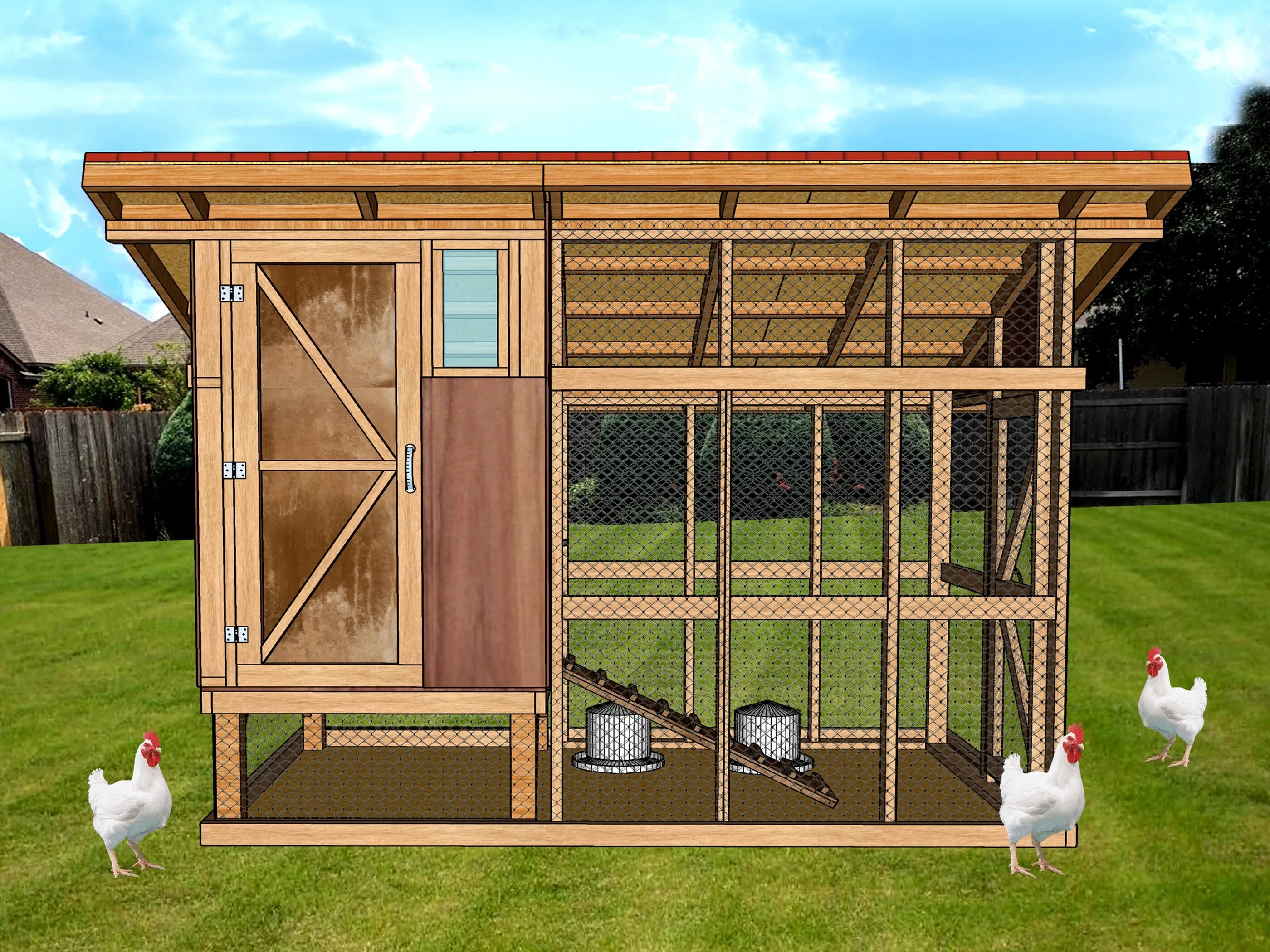
Homemade Chicken Coop Design Ideas
Building a homemade chicken coop is a rewarding experience that offers numerous benefits, from fresh eggs to the joy of raising your own backyard chickens. Choosing the right design is crucial for the health and happiness of your flock, as well as for your convenience. This guide provides valuable insights into various homemade chicken coop design ideas, offering you a comprehensive overview to create the perfect home for your feathered friends. Whether you are a beginner or an experienced DIY enthusiast, these designs will help you create a functional, attractive, and secure coop. Get ready to explore the top 5 homemade chicken coop designs, each with its own unique features and benefits.
Consider Location and Space
Before diving into specific designs, it’s essential to carefully consider the location and available space for your homemade chicken coop. Proper planning ensures the coop is conveniently located, safe, and provides your chickens with the necessary environment to thrive. Factors such as sunlight exposure, proximity to your house, and ease of access for maintenance are crucial to consider. Furthermore, the space requirements will vary depending on the size of your flock and the breed of chickens you plan to raise. Always plan with extra space for expansion, just in case you ever want to add more chickens to your flock in the future.
Assess Your Backyard

Conducting a thorough assessment of your backyard is a critical first step. Look for areas that offer good drainage to prevent water buildup, which can lead to health issues for your chickens. Identify areas with natural shade, which will provide protection from the harsh summer sun. Consider the proximity to trees, shrubs, and other potential hiding places for predators. Also, consider the slope of your backyard, if there is one, and take this into account when deciding where your coop will sit, as the ground needs to be relatively even for a stable foundation. Additionally, check for any existing utilities like underground cables or pipes before beginning construction, ensuring your coop won’t interfere with them.
Climate Considerations
Climate plays a vital role in determining the design and materials used for your coop. In colder climates, you’ll want to focus on insulation to keep the coop warm during winter. In warmer climates, ventilation becomes a priority to prevent overheating. Consider the prevailing winds and design the coop to protect against strong gusts. Assess the amount of rainfall and snowfall your area receives, as these factors will influence roof design and drainage. Moreover, selecting appropriate materials, such as cedar for its natural resistance to rot and insects, can further enhance the coop’s durability and longevity in varying weather conditions. Choosing the correct location for your homemade chicken coop will ensure that the chickens are protected from the climate while keeping them healthy.
Choosing the Right Coop Size
Determining the appropriate coop size is crucial for the well-being of your chickens. Overcrowding can lead to stress, disease, and behavioral issues like pecking and feather plucking. Providing adequate space allows chickens to move freely, forage, and engage in natural behaviors. Consider both the indoor space and the outdoor run area when calculating the overall size. Ensure the coop is large enough to accommodate the expected number of chickens, and be prepared to expand the coop if you plan to increase your flock size in the future. The size and breed of chicken will impact how large the coop needs to be. Consider these important factors when planning your build.
Determine Chicken Breed and Numbers

The breed of chicken and the number of chickens you plan to keep are fundamental factors in determining the required coop size. Different breeds have different space needs, with larger breeds such as Brahmas and Jersey Giants requiring more space than smaller breeds like Bantams. Research the specific breeds you are interested in and understand their individual space requirements. This will include both indoor coop space and outdoor run space. Start with a reasonable number of chickens, taking into account the available space and your ability to provide care. It’s always better to have a slightly larger coop than needed to avoid overcrowding and to allow for future expansion.
Space Requirements per Chicken
A general guideline for coop space is a minimum of 4 square feet per chicken inside the coop and 8-10 square feet in the outdoor run. However, these are just minimum recommendations, and more space is always better. The actual space requirements may vary based on the breed of the chickens and the climate of your area. Consider the climate when deciding on the coop size. Chickens in hotter climates may need more space to avoid overcrowding and stress. Providing sufficient space allows for comfortable movement, foraging, and reduces the risk of disease and aggressive behavior. Additionally, allow extra space for the addition of nesting boxes, perches, and feeders, ensuring your chickens have a comfortable and functional living environment.
Top 5 Homemade Chicken Coop Designs
Once you have considered location, space, and your chickens’ needs, it is time to explore various homemade chicken coop designs. The following are five popular designs that cater to different needs, skill levels, and aesthetic preferences. Each design offers a unique set of features and benefits, ensuring that you will find a coop that is perfect for your backyard chickens. Before you begin, make sure you have a good understanding of local building codes and regulations. Make sure your coop is designed to be both functional and visually appealing, improving the overall look and feel of your backyard. Choose the design that best aligns with your specific needs and the environment in which it will be built.
The Basic A-Frame Coop

The A-frame coop is a simple, yet effective design that is easy to build, making it ideal for beginners. Its sloped roof design allows for excellent rain and snow runoff, keeping the interior dry. The A-frame structure is generally lightweight and can be moved around the yard with relative ease, providing fresh foraging areas for your chickens. This coop is best suited for a small flock, typically up to 4-6 chickens. It is cost-effective and can be built using readily available materials like wood and chicken wire. If you are looking for a simple and straightforward design to build, the A-frame coop is an excellent starting point.
Materials Needed
For building an A-frame coop, you will need a variety of materials. The main structure is usually built with lumber like 2x4s or 2x3s for the frame and support beams. You’ll need plywood or similar material for the sides and roof, and chicken wire or hardware cloth for the enclosure. Other essentials include hinges for the door, latches to secure it, and screws or nails for construction. Consider adding a roosting bar made of a wooden dowel or a similar material. Optional materials could include paint or stain for weatherproofing and aesthetics. When choosing materials, ensure that they are safe for chickens, avoiding materials that contain harmful chemicals.
Construction Steps
Begin by constructing the A-frame structure by cutting the lumber to the required lengths and assembling it with screws or nails. Ensure the frame is square and stable. Attach the plywood or other material to the sides and roof of the frame. Secure the chicken wire or hardware cloth to the frame, leaving space for a door and ventilation. Install a door with hinges and a secure latch to prevent predators. Add a roosting bar and nesting boxes inside the coop. Finally, paint or stain the coop for weather protection and to improve its appearance. Consider creating a ramp for the chickens to easily access the coop and ensure the coop is well-ventilated.
The Classic Barn-Style Coop

The barn-style coop is a traditional and aesthetically pleasing design that offers ample space and functionality. This coop style typically features a gabled roof and provides plenty of headroom, making it easier to clean and maintain. It is suitable for larger flocks and can be customized with various features, such as multiple nesting boxes, roosting bars, and a spacious run. This type of coop provides a secure and comfortable environment for your chickens, protecting them from the elements and predators. The design is generally more involved than an A-frame coop, requiring a bit more building experience.
Design Features
Barn-style coops often include several key design features to enhance their functionality and appeal. A gabled roof provides excellent water runoff and can be easily insulated for cold climates. Multiple nesting boxes allow chickens to comfortably lay their eggs, and roosting bars provide a safe place for chickens to sleep at night. Adequate ventilation is crucial, often achieved through vents placed high on the walls or near the roofline. A spacious run, enclosed by sturdy fencing and hardware cloth, provides a secure outdoor space for your chickens. The design also allows for easy access for cleaning and maintenance through doors and access panels.
Building Process
The building process for a barn-style coop starts with a solid foundation, which can be a concrete slab, gravel base, or a frame built directly on the ground. Construct the frame using lumber such as 4x4s or 2x6s for the main structure, ensuring it’s square and level. Frame the walls and roof, and then install the siding and roofing material. Incorporate the necessary features such as nesting boxes, roosting bars, and ventilation openings. Add a door with a secure latch and cover the run area with hardware cloth. Finally, paint or stain the coop to protect it from the elements. As with any coop design, ensure the structure is predator-proof by burying wire mesh around the perimeter.
The Portable Chicken Coop

A portable chicken coop, or chicken tractor, is designed to be moved around the yard, giving chickens access to fresh grass and reducing the buildup of waste in one area. This design helps to naturally fertilize the ground and provides the chickens with a varied diet from foraging. Portable coops are typically smaller and lighter, making them easier to move. This type of coop is often preferred by those who want to rotate their chickens to different areas of their yard to maintain the health of their chickens and the lawn. The movable design also helps to prevent the buildup of parasites and diseases. While the design has many benefits, it’s important to secure it well to prevent predators from getting to the chickens.
Mobility Benefits
The primary benefit of a portable chicken coop is its mobility. Regularly moving the coop allows chickens to access fresh grass and foraging opportunities, improving their diet and overall health. It also helps to distribute manure, which acts as a natural fertilizer, and prevents the soil from becoming depleted in one area. The ability to move the coop away from areas of high predator activity is another advantage, offering added security for your chickens. Regular relocation of the coop prevents the buildup of parasites and diseases, keeping your flock healthier and happier. The portability also allows you to easily manage your flock in different areas of your yard.
Construction Tips
When building a portable coop, focus on lightweight materials to make it easier to move. Use wheels or skids to allow for easy relocation. Ensure the structure is sturdy enough to withstand the elements and protect the chickens from predators. Build the coop with a solid base and frame, using materials like treated lumber that can withstand the elements. Use hardware cloth to enclose the run area, burying it at least a foot deep to prevent digging predators. Design the coop with a handle or tow bar to facilitate movement, and ensure it is balanced so that it won’t tip over easily. Make sure the coop is low to the ground to prevent the chickens from escaping under the coop.
The Elevated Chicken Coop

An elevated chicken coop offers several benefits, including better protection from predators and improved hygiene. Raising the coop off the ground deters ground-based predators like foxes and rodents. The elevated design allows for easier cleaning, as waste can be swept or hosed away, minimizing the risk of disease. This style of coop often incorporates a sheltered run area underneath the coop, giving chickens additional protection from the elements. Elevated coops often have a ladder or ramp to allow chickens to access the main coop area. This design can be a great way to make the most of your available space while providing a safe and secure home for your chickens.
Advantages of Elevated Coops
The advantages of an elevated chicken coop are numerous. The primary benefit is increased protection from predators. Elevated coops make it more difficult for ground-based predators to access the chickens. The elevated design also enhances hygiene by making it easier to clean and maintain the coop. Waste can be swept or hosed away, reducing the buildup of harmful bacteria and parasites. The sheltered area beneath the coop provides shade and shelter from rain, allowing the chickens to enjoy outdoor space even in inclement weather. Moreover, elevated coops can often be integrated with other garden features, such as a compost bin or storage area, maximizing space and functionality.
Building Instructions
When building an elevated chicken coop, start with a sturdy frame elevated on posts or legs. The posts should be securely anchored in the ground or attached to a concrete base to prevent the coop from tipping over. Build the coop structure on top of the frame, ensuring that the floor is strong enough to support the chickens and other materials. Construct a ramp or ladder to allow the chickens to easily access the coop. Enclose the area under the coop with wire mesh or solid panels to create a sheltered run. Ensure adequate ventilation in the coop and provide nesting boxes, roosting bars, and a secure door. Protect the coop from predators by using hardware cloth and ensuring all openings are securely closed.
The Chicken Tractor

The chicken tractor is a portable coop designed to provide chickens with fresh pasture while allowing them to fertilize the ground and control pests. This design is typically a small, open-bottomed coop that can be easily moved around the yard. Chicken tractors are ideal for small-scale chicken keeping and are a great way to integrate chickens into a sustainable gardening system. They combine the benefits of a portable coop with the advantages of allowing chickens to graze on grass and forage for insects. Chicken tractors offer an eco-friendly way to manage your flock while keeping them safe from predators.
Tractor Design and Functionality
The chicken tractor’s design focuses on portability and functionality. It typically consists of a frame with wheels or skids, an open bottom, and a covered top made from wire mesh or solid material for weather protection. The open bottom allows the chickens to directly access the ground, enabling them to forage for food and naturally fertilize the soil. The size of the tractor should be appropriate for the number of chickens, providing sufficient space for them to move around and scratch. The tractor should also have features like nesting boxes, waterers, and feeders to meet the chickens’ basic needs. Make sure the tractor is easy to move. Design the tractor for easy cleaning to maintain a hygienic environment.
Construction and Use
Constructing a chicken tractor typically involves building a frame, attaching wheels or skids, and covering the top and sides with wire mesh or solid material. The frame can be made from wood or metal, ensuring it is sturdy and able to withstand regular movement. Securely attach the wire mesh to the frame to prevent chickens from escaping and protect them from predators. When using a chicken tractor, regularly move it to a new location, providing the chickens with fresh foraging opportunities and preventing overgrazing. Monitor the chickens’ health and behavior, and ensure they have access to fresh water and feed. This design allows you to improve the quality of your soil.
Essential Coop Features
Regardless of the coop design you choose, several essential features will ensure the health and happiness of your chickens. These features include proper ventilation, nesting boxes, perches, and effective predator-proofing. Investing in these features will provide a safe, comfortable, and functional home for your chickens. Without these, you may find that you chickens are under stress, unhealthy, or become the target of predators. Be sure to incorporate these key elements in your design and construction plans.
Ventilation Systems
Adequate ventilation is crucial for a healthy coop environment. Proper ventilation helps to remove moisture, ammonia, and heat, reducing the risk of respiratory illnesses and maintaining air quality. The ventilation system should be designed to allow fresh air to circulate throughout the coop without creating drafts that could chill the chickens. Good ventilation can be achieved through a combination of vents, windows, and roof openings. Ensure the vents are protected with wire mesh to prevent predators and insects from entering the coop. The proper placement of vents is essential; place them high in the coop, near the roofline, to allow warm, moist air to escape.
Nesting Boxes
Nesting boxes provide a comfortable and secure place for chickens to lay their eggs. The number of nesting boxes needed depends on the size of your flock; a general rule is one nesting box for every 3-4 hens. Nesting boxes should be elevated off the ground, and ideally be in a dark, quiet area of the coop. Line the boxes with soft, absorbent bedding like straw, wood shavings, or hay, to provide a comfortable place for the hens to lay their eggs. Ensure the boxes are easy to access for both the chickens and you for egg collection. Avoid placing nesting boxes near the entrance of the coop to provide a sense of privacy and security for the hens.
Perches
Perches provide a place for chickens to roost at night, allowing them to sleep comfortably and safely. Roosting bars should be placed at a height where chickens can easily jump up, typically a few feet off the ground. The ideal perch material is smooth, rounded wood, such as a 2x4 with the sharp edges rounded off. Provide enough perch space for each chicken, allowing for 8-12 inches of perch space per bird. Locate the perches away from the nesting boxes and the entrance to the coop to keep the roosting area clean. Regularly clean and maintain the perches to remove any droppings or debris to prevent the spread of disease.
Predator-Proofing
Protecting your chickens from predators is essential for their survival. Thorough predator-proofing measures are necessary to prevent attacks from various predators, including foxes, raccoons, dogs, and birds of prey. Use sturdy materials for the coop construction, such as heavy-duty hardware cloth for the walls and roof, burying it at least a foot deep around the perimeter of the coop to prevent digging. Secure all doors and openings with strong latches and locks. Consider adding an automatic coop door opener to secure the coop at dusk and open it at dawn. Regularly inspect the coop for any signs of damage or potential weaknesses that predators could exploit.
Coop Maintenance and Cleaning
Regular maintenance and cleaning are essential for maintaining a healthy and hygienic environment in your chicken coop. This helps to prevent the spread of diseases and ensures the well-being of your chickens. Establish a routine for daily, weekly, and seasonal maintenance tasks to keep your coop in excellent condition. Consistent cleaning and maintenance not only keeps your chickens healthy, but also extends the life of your coop. With proper care, your coop will continue to provide a safe and comfortable home for your chickens for years to come.
Daily Tasks
Daily coop maintenance involves several simple tasks that help keep the coop clean and the chickens healthy. Collect eggs regularly, usually at least once a day, to prevent them from being broken or eaten by the chickens. Replenish food and water as needed, making sure that the water is fresh and clean. Check for any signs of illness or injury in your chickens, and address any issues promptly. Spot-clean the coop by removing any droppings or soiled bedding from the floor and nesting boxes. Observe your chickens’ behavior and ensure they are interacting well and showing signs of good health.
Weekly Cleaning
Weekly cleaning involves more thorough tasks to maintain a clean coop environment. Remove all bedding from the coop and replace it with fresh, clean bedding. Thoroughly clean and scrub the nesting boxes, perches, and the floor of the coop. Use a coop-safe cleaner or a mixture of water and vinegar to disinfect the surfaces. Check for any signs of pests, such as mites or lice, and treat them as needed. Ensure the coop is well-ventilated during and after cleaning to allow it to dry completely. Regularly remove any accumulated waste and dispose of it properly. Make sure to fully clean your coop weekly to ensure the health and safety of your chickens.
Seasonal Maintenance
Seasonal maintenance helps to prepare the coop for changing weather conditions and to address any long-term issues. In the spring, give the coop a thorough cleaning, inspecting the structure for any damage that occurred during the winter. Apply a fresh coat of paint or stain to the exterior to protect it from the elements. In the summer, ensure the coop has adequate shade and ventilation to keep the chickens cool. During the fall, prepare the coop for winter by insulating it and adding extra protection from the wind and cold. In winter, regularly remove snow from the roof and ensure that the water source does not freeze. These seasonal maintenance tasks will extend the life of your coop and keep your chickens comfortable year-round.