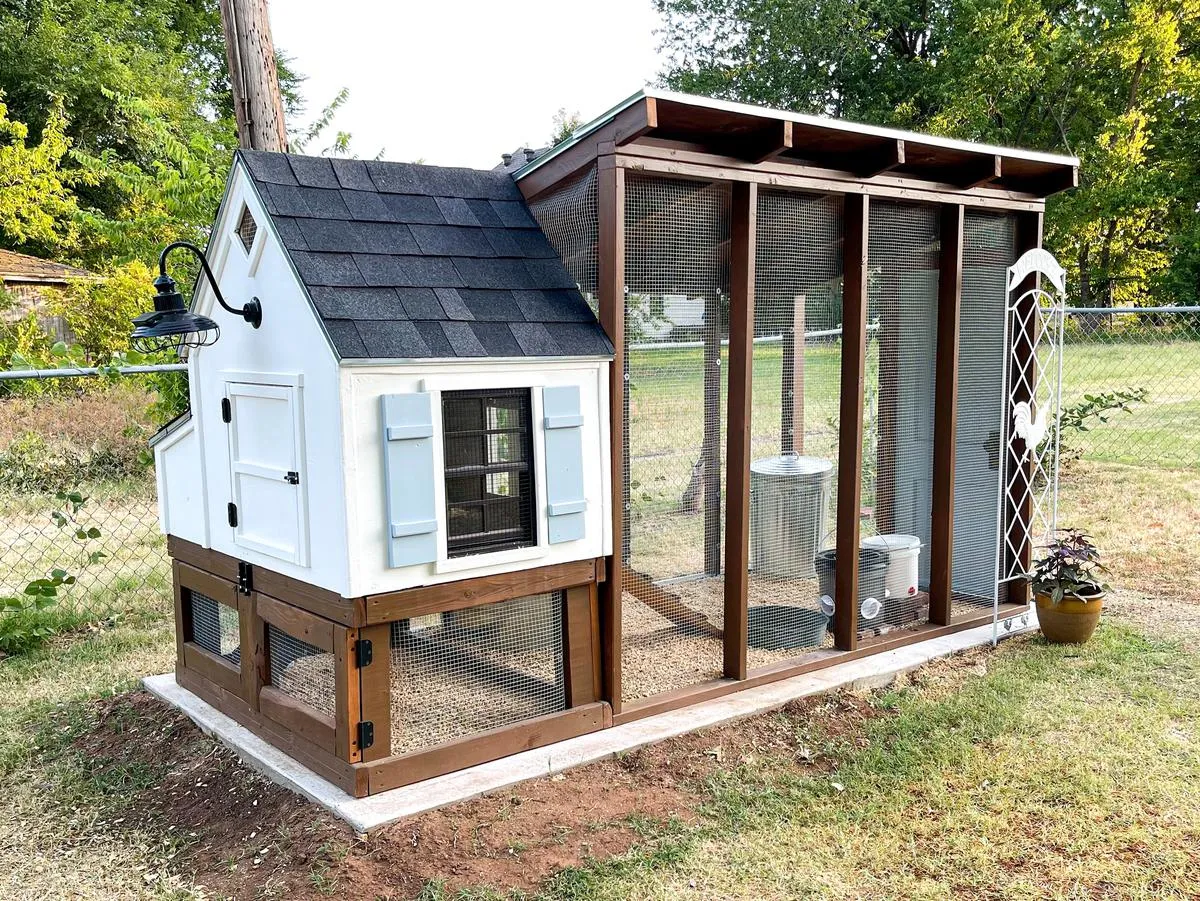
Building a homemade chicken coop is a rewarding project that offers fresh eggs, pest control, and companionship. This comprehensive guide will walk you through every step, from planning to maintenance, ensuring your chickens have a safe, comfortable, and enriching home. Whether you’re a seasoned DIYer or a complete beginner, this guide is designed to equip you with the knowledge and confidence to build a chicken coop that meets your chickens’ needs and enhances your backyard.
Planning Your Homemade Chicken Coop
Proper planning is the cornerstone of a successful chicken coop build. Before you even pick up a hammer, consider your chickens’ needs, local regulations, and your available space. This initial phase will save you time, money, and frustration down the line. Thorough planning ensures a coop that is both functional and aesthetically pleasing, providing a healthy environment for your flock and making your backyard a more enjoyable space.
Determine Your Needs
The size and features of your chicken coop will depend largely on your specific needs. Consider the number of chickens you plan to keep, the space you have available, and the local climate. These factors will influence everything from the coop’s footprint to the materials you choose. Accurate assessment of these needs upfront prevents overcrowding, inadequate ventilation, and other problems that can negatively affect your chickens’ health and productivity.
Flock Size

The most critical factor in determining coop size is the number of chickens you intend to house. As a general rule, allow at least 4 square feet of floor space per chicken inside the coop and 8-10 square feet per chicken in the run. Overcrowding can lead to stress, disease, and behavioral problems such as feather pecking. Plan for future growth; it’s always better to have a little extra space than to be cramped.
Space Requirements
Beyond the coop itself, consider the space needed for a secure run. Chickens benefit greatly from access to the outdoors, allowing them to forage, dust bathe, and enjoy natural sunlight. The run should be large enough to provide ample space for movement and prevent boredom. A larger run also makes it easier to rotate the chickens’ access to different areas of your yard, minimizing wear and tear on any one spot. Consider incorporating different levels or features within the run to enrich their environment and encourage natural behaviors.
Local Regulations
Before you start building, check your local ordinances and homeowners’ association rules regarding chicken keeping. Regulations vary widely, covering aspects like the number of chickens allowed, coop size, setback requirements from property lines, and noise restrictions. Obtaining the necessary permits and adhering to local guidelines is crucial to avoid fines and ensure that your chicken-keeping endeavors are legally compliant. Ignoring these regulations can lead to legal trouble, so diligent research is a must.
Choosing a Location

The location of your chicken coop significantly impacts your chickens’ health and well-being and your own convenience. Factors like sunlight, shade, accessibility, and predator protection should all be carefully considered. The ideal location strikes a balance between the chickens’ needs and your ability to easily access and maintain the coop.
Sun and Shade
Chickens need both sunlight and shade. Provide ample shade to protect them from the harsh summer sun, preventing overheating and heatstroke. Ensure the coop receives some sunlight, especially during the cooler months, for vitamin D production and to help keep the coop dry. A location that offers a balance of sun and shade throughout the day is ideal. Consider the path of the sun throughout the year when selecting a location.
Accessibility
Choose a location that is easily accessible for cleaning, feeding, and collecting eggs. Avoid placing the coop too far from your house, as this can make daily chores more cumbersome. Consider proximity to a water source for easy access to fresh water for your chickens. Good accessibility promotes a regular maintenance routine, which is essential for keeping your chickens healthy and your coop in good condition.
Predator Protection

Predator protection is paramount. Select a location that offers natural barriers or allows you to easily implement predator-proofing measures. Avoid areas near tall trees or bushes where predators can hide. Ensure the coop and run are constructed with sturdy materials and secure latches. Consider fencing the coop and run to create an extra layer of protection against predators such as foxes, coyotes, and raccoons. Building your coop away from potential predator habitats is essential.
Designing Your Chicken Coop
Once you’ve assessed your needs and chosen a location, it’s time to design your coop. The design should prioritize the chickens’ comfort, health, and safety while also considering your ease of maintenance. A well-designed coop will be easier to clean, provide good ventilation, and offer protection from the elements and predators. Careful planning during the design phase will result in a coop that’s both functional and visually appealing.
Coop Size and Layout
The size and layout of your coop should be based on the number of chickens you plan to house and the space requirements. Ensure the coop is large enough for chickens to move around comfortably and provide adequate space for nesting boxes and roosting bars. A rectangular layout often works well, allowing for efficient use of space. Consider incorporating different zones within the coop for roosting, nesting, and feeding, making it easier to manage and clean the coop.
Nesting Boxes

Provide one nesting box for every 3-4 hens. Nesting boxes should be in a secluded, dimly lit area, away from drafts. They should be easily accessible for egg collection. Choose a size and shape that is appropriate for your breed of chickens. The nesting boxes should be made of a durable, easy-to-clean material. Regularly check and clean the nesting boxes to promote cleanliness and discourage pests.
Roosting Bars
Roosting bars are essential for chickens to sleep comfortably. Provide at least 8-12 inches of roosting space per chicken. The roosting bars should be made of a comfortable material, such as smooth wood with rounded edges. Position the roosting bars at different heights to accommodate different breeds. Ensure that the roosting bars are easily accessible and positioned away from walls to prevent droppings from accumulating.
Ventilation and Airflow
Proper ventilation is crucial for maintaining a healthy environment inside the coop. Good ventilation removes moisture, ammonia, and other harmful gases, preventing respiratory illnesses and maintaining overall air quality. Design your coop with vents high up on the walls and near the roof to allow for airflow. Avoid placing vents directly above roosting bars to prevent drafts on sleeping chickens. Consider adding a roof overhang to protect the vents from rain and snow.
Materials Selection

The materials you choose for your coop will affect its durability, longevity, and overall performance. Select materials that are weather-resistant, predator-resistant, and easy to clean. Opting for high-quality materials upfront will save you time and money on repairs and replacements in the long run. Considering the climate where you live is a must when making the selection of materials.
Wood Types
Cedar and redwood are popular choices for coop construction due to their natural resistance to rot, insects, and weather. Pressure-treated lumber is another option, but be sure to use it according to the manufacturer’s instructions. Avoid using wood that has been treated with chemicals that could be harmful to chickens. Consider using plywood for the walls and roof sheathing and framing lumber for the structural components. The selection of wood is crucial to the longevity of your coop, so invest wisely.
Hardware Cloth vs. Chicken Wire
When building the run, choose hardware cloth over chicken wire for optimal predator protection. Hardware cloth is made of a heavier gauge wire, making it more difficult for predators to chew through or break. Chicken wire is suitable for containing chickens but is not as effective at keeping predators out. Use hardware cloth for all areas where predators could potentially access the chickens. Make sure to bury the hardware cloth a few inches underground to prevent digging predators from gaining access.
Building the Chicken Coop

With your design and materials selected, it’s time to start building. The construction process should follow a systematic approach, starting with the foundation and frame and ending with the finishing touches. Carefully follow the building plans, taking your time to ensure accuracy and stability. Taking your time will result in a coop that is safe and secure for your chickens.
Foundation and Frame
The foundation provides a stable base for your coop. You can build the foundation directly on the ground, using concrete blocks, or pouring a concrete slab. The frame supports the walls, roof, and other structural components. The frame should be built sturdy, ensuring that it can withstand the elements and support the weight of the coop. Use level and square the frame before attaching the walls.
Walls and Roof
Attach the walls to the frame, ensuring that they are securely fastened. Consider using sheathing material like plywood for added strength and insulation. The roof protects the chickens from the elements. Use roofing material that is weather-resistant and appropriate for your climate. Make sure the roof is properly sloped to allow for water runoff. Overhang the roof to provide shade and protection from rain.
Doors and Windows

Install doors and windows, ensuring they are securely mounted and easy to open and close. The doors should be sturdy and predator-proof. Consider using latches or locks to prevent unwanted access. Install windows to provide natural light and ventilation. Make sure windows are protected with hardware cloth or other materials to prevent chickens from escaping or predators from entering.
Nesting Box Construction
Construct the nesting boxes according to your design plans. They can be built in a variety of styles, but all should be enclosed, private, and comfortable. The boxes should be easily accessible for collecting eggs. Line the boxes with nesting material such as straw, hay, or wood shavings. Regularly check and clean the nesting boxes.
Installing Roosting Bars
Install the roosting bars at an appropriate height, allowing your chickens to comfortably perch. Secure the bars firmly, ensuring they can support the weight of the chickens. Position the bars away from walls to minimize the accumulation of droppings. Ensure that the bars are easily accessible and provide enough space for all the chickens.
Finishing Touches and Amenities
Once the basic structure of your coop is complete, it’s time to add the finishing touches and amenities that will make it a comfortable home for your chickens. These include ventilation and insulation, flooring options, and provisions for water and feed. The details will enhance the functionality and ensure the well-being of your flock.
Ventilation and Insulation
Ensure proper ventilation to remove moisture and ammonia. If you live in a cold climate, consider insulating the coop to help regulate the temperature. Use safe insulation materials, such as rigid foam or fiberglass insulation. Insulating the coop will improve your chickens’ comfort, especially during extreme weather. Make sure the coop has both ventilation and insulation.
Flooring Options
Consider the flooring options for your coop. Concrete or a treated wood floor offers durability and ease of cleaning. Alternatively, you can use a combination of materials, such as a wood frame with a layer of sand or gravel. Choose a flooring material that is easy to clean and prevents the build-up of moisture. Cleaning it regularly is a key factor in keeping your chickens healthy.
Water and Feed
Provide your chickens with fresh water and feed at all times. Use feeders and waterers that are designed for chickens. Position the feeders and waterers so that they are easy to access but also prevent contamination. Regularly clean and refill the feeders and waterers to ensure your chickens have access to clean food and water. Consider using a waterer that prevents spillage.
Maintaining Your Chicken Coop
Regular maintenance is crucial for keeping your coop clean, safe, and in good condition. A well-maintained coop will provide a healthy environment for your chickens and extend its lifespan. Establishing a routine for cleaning, pest control, and inspections will help you catch potential problems early and prevent them from escalating.
Cleaning and Sanitation
Clean the coop regularly to prevent the build-up of droppings and other debris. Remove soiled bedding materials and replace them with fresh materials. Wash down surfaces with a poultry-safe disinfectant. Regular cleaning helps to prevent the spread of diseases and maintain a healthy environment for your chickens. The frequency of cleaning will depend on the size of your coop and the number of chickens you have.
Pest Control
Implement pest control measures to prevent infestations of mites, lice, and other pests. Regularly inspect the coop for signs of pests. Use natural pest control methods, such as diatomaceous earth or wood ash, to treat the coop. Consider adding a dust bath area for your chickens, which they can use to naturally control pests. Careful pest control is essential to maintain a healthy environment.
Regular Inspections
Regularly inspect the coop for signs of damage or wear and tear. Check for any holes, cracks, or other areas where predators could enter. Inspect the roof, walls, and doors for any damage. Inspect the coop for signs of diseases or other health problems. Promptly address any issues that arise to prevent them from becoming worse. A regular inspection schedule is a must to ensure the coop is in good condition and offers a safe environment for your flock.
Building your own chicken coop can be a very rewarding experience. By following this guide, you can create a safe and comfortable home for your chickens and enjoy the many benefits of backyard chicken keeping. With proper planning, design, construction, and maintenance, you’ll be well on your way to providing a healthy and happy home for your flock.