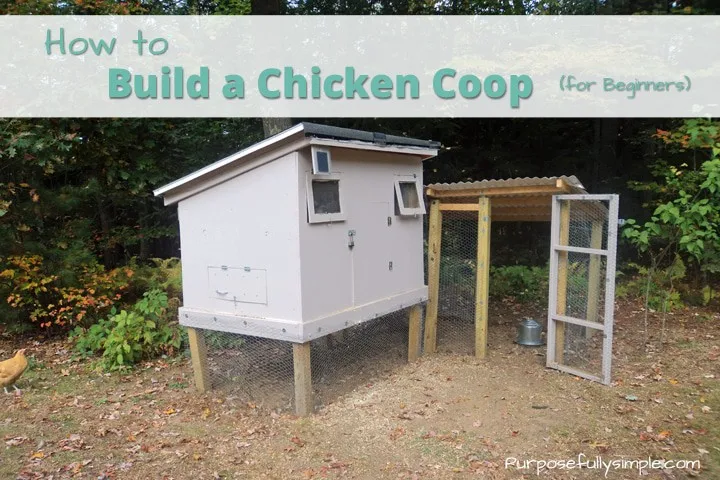
Building a chicken coop is a rewarding project that allows you to provide a safe and comfortable home for your chickens. This step-by-step guide will walk you through the entire process, from planning and material selection to construction and maintenance. With careful planning and execution, you can create a functional and aesthetically pleasing coop that will keep your flock happy and healthy for years to come. Let’s get started on building your own chicken coop!
Planning Your Chicken Coop
Proper planning is the foundation of a successful chicken coop project. Before you even pick up a hammer, consider several crucial factors to ensure your coop meets your chickens’ needs and your own expectations. Thoughtful planning will save you time, money, and headaches down the line. It also ensures your coop is a comfortable and safe environment for your chickens, promoting their well-being and productivity.
Determine Your Coop Size
The size of your chicken coop is directly related to the number of chickens you plan to house. A general rule of thumb is to provide at least 4 square feet of space per chicken inside the coop and 8-10 square feet per chicken in the outdoor run. Overcrowding can lead to stress, pecking order issues, and increased risk of disease. Be sure to account for future growth if you are starting with chicks.
Consider Your Chicken Breed

Different chicken breeds have different space requirements and behaviors. Larger breeds, like Brahmas or Orpingtons, will need more space than smaller breeds, like Bantams. Research the breeds you plan to keep and adjust your coop size accordingly. Consider also the temperament of the breed, as some are more prone to aggressive behaviors when crowded.
Assess Your Space
Where you place your coop is as important as the coop itself. Consider the following when choosing a location: sunlight, shade, prevailing winds, drainage, and ease of access for both you and the chickens. A sunny location is ideal for warmth, but provide shade for hot summer days. Ensure good drainage to prevent moisture buildup. Proximity to your house can make caretaking easier, and a secure location is essential to protect your flock from predators.
Choosing the Right Materials
Selecting the right materials is critical for the longevity and functionality of your chicken coop. Using high-quality, durable materials will not only extend the life of your coop but also contribute to the health and safety of your chickens. Consider factors like weather resistance, ease of cleaning, and predator-proofing when making your choices.
Wood Selection

Wood is the most common material for chicken coop construction. Choose rot-resistant wood, such as cedar or redwood, or pressure-treated lumber. Avoid wood that has been treated with chemicals that could be harmful to chickens. Untreated wood is also an option, but it may require more frequent maintenance and sealing to protect it from the elements and increase its lifespan. Ensure the wood is smooth to prevent injury to the chickens.
Hardware and Fasteners
Use rust-resistant hardware, such as galvanized screws, nails, and hinges. These will withstand the weather and prevent corrosion. Consider using hardware cloth with small mesh to cover windows and vents, providing both ventilation and predator protection. Heavy-duty latches and locks are essential to keep predators out. Select sturdy fasteners appropriate for the type of wood and the stresses the coop will endure.
Roofing Options
Choose a roofing material that is durable, weather-resistant, and easy to install. Options include asphalt shingles, metal roofing, or corrugated plastic. Consider the climate in your area when making your choice. Metal roofing is highly durable and reflects heat, while asphalt shingles are more affordable but may require more maintenance. Make sure the roof provides good water runoff to prevent leaks and moisture buildup.
Building the Coop Structure

With your materials selected, it’s time to start building the coop structure. This involves framing the walls, constructing the roof, and adding doors and windows. Take your time and ensure all measurements are accurate for a sturdy and well-built coop. Following a detailed plan and double-checking your work will help you avoid costly mistakes and ensure a safe home for your flock.
Framing the Walls
Start by building the wall frames. Cut the lumber according to your plans and assemble the frames on a level surface. Ensure the corners are square and the frame is level. Once the frames are assembled, attach them to the base of the coop. Use appropriate fasteners, such as screws or nails, to securely join the frames. Consider adding bracing to the walls for extra stability.
Constructing the Roof
There are several roof styles to choose from, such as gable, shed, or flat. The construction method will vary depending on your chosen style. Frame the roof structure, ensuring it is securely attached to the walls. Then, add the roofing material, overlapping the shingles or panels to prevent leaks. Ensure proper ventilation is incorporated into the roof design to prevent moisture buildup and maintain air quality.
Adding Doors and Windows

Install doors and windows to provide access for both you and the chickens and to allow for light and ventilation. Frame the openings, ensuring they are the correct size for your chosen doors and windows. Install sturdy doors with secure latches to keep predators out. Cover windows with hardware cloth to provide ventilation while preventing entry by predators. Make sure the doors and windows fit snugly to prevent drafts and weather damage.
Setting Up the Interior
Once the structure is built, it’s time to set up the interior of your chicken coop. This includes providing nesting boxes for egg laying, perches and roosts for sleeping, and ensuring adequate ventilation and lighting. A well-designed interior will contribute to the comfort, health, and productivity of your chickens.
Nesting Boxes
Nesting boxes provide a safe and private place for hens to lay their eggs. Place the nesting boxes in a quiet, shaded area of the coop. One nesting box for every 3-4 hens is generally recommended. Line the boxes with soft, clean bedding, such as straw, wood shavings, or hay. Ensure the boxes are easy to access for egg collection.
Perches and Roosts

Perches and roosts provide a place for chickens to sleep and rest at night. Position the perches at a height that is comfortable for your chickens, typically a few feet off the ground. Provide approximately 8-12 inches of perch space per chicken. Use rounded roosts to make it easier for the chickens to grip them with their feet. Ensure the perches are spaced far enough apart to avoid overcrowding.
Ventilation and Lighting
Proper ventilation is crucial for removing moisture and ammonia buildup from the coop. Install vents near the roof to allow for air circulation. Ensure the vents are covered with hardware cloth to prevent predators from entering. Natural light is essential for egg production. Provide windows to allow sunlight in. Consider using supplemental lighting during the winter months to maintain egg production. Ensure the coop is properly ventilated to maintain air quality.
Securing Your Coop
Protecting your chickens from predators is a top priority. This involves both the coop structure and the surrounding run. Taking the necessary precautions will safeguard your flock and provide you with peace of mind.
Preventing Predators

Predators can be a constant threat to chickens, so it’s essential to take proactive steps to keep them out. Bury hardware cloth around the perimeter of the coop and run to prevent digging predators from entering. Use strong latches and locks on doors and windows. Secure any openings or gaps in the coop. Consider using electric fencing or other deterrents to further protect your chickens. Regularly inspect the coop and run for potential weaknesses.
Securing the Coop Structure
Make sure the coop structure itself is sturdy and well-built. Use heavy-duty hardware to attach the various components. Reinforce the walls and roof. Ensure the doors and windows fit snugly and are securely latched. Regularly inspect the coop for any signs of damage or wear and tear. Promptly address any vulnerabilities to prevent predators from exploiting them.
Adding a Run
A chicken run provides a safe outdoor space for your chickens to roam and forage. Enclose the run with strong wire fencing, burying it partially underground to prevent digging predators from entering. Cover the top of the run with netting or fencing to protect against aerial predators. Ensure the run is large enough to accommodate your flock, providing adequate space for them to move around. Include a sheltered area in the run where chickens can escape the sun and rain.
Maintaining Your Chicken Coop
Regular maintenance is key to keeping your chicken coop in good condition and ensuring the health and well-being of your chickens. This includes regular cleaning and inspecting the coop for any signs of damage or wear and tear.
Regular Cleaning
Clean your chicken coop regularly to prevent the buildup of bacteria, parasites, and odors. Remove droppings, soiled bedding, and any spilled feed at least once a week. Replace the bedding in the nesting boxes frequently. Periodically clean the entire coop, including the floor, walls, and roosts, using a safe disinfectant. Proper cleaning practices are essential for preventing disease and promoting a healthy environment for your chickens.
Inspecting for Damage
Regularly inspect your coop for any signs of damage, such as holes, cracks, or loose hardware. Repair any damage promptly to prevent predators from entering or the weather from affecting the coop. Check the roof for leaks and repair them as needed. Ensure the doors and windows are still functioning properly. This will help ensure the long life of your chicken coop.
Building a chicken coop is a rewarding project that can provide fresh eggs and companionship. By following these steps, you can create a safe, comfortable, and aesthetically pleasing home for your chickens. Remember, planning, using quality materials, and regular maintenance are key to a successful and long-lasting coop. Happy building, and enjoy your flock!