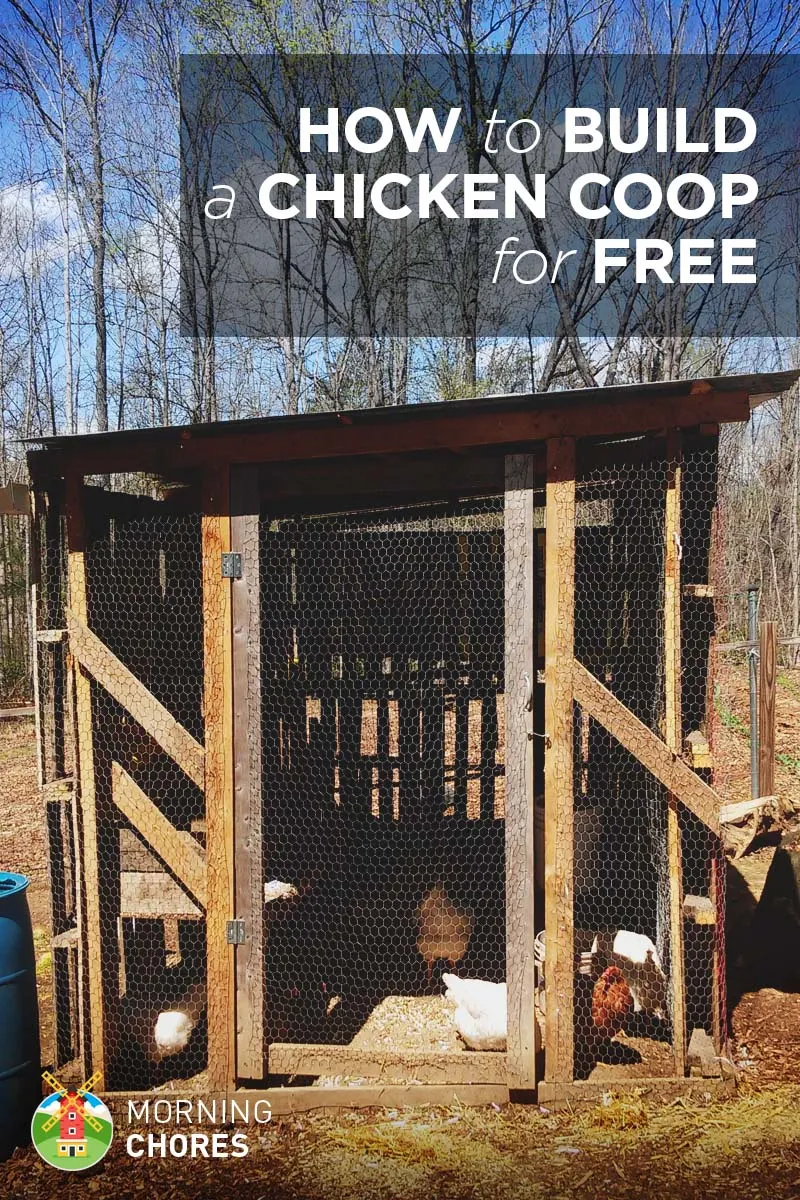
Planning Your Chicken Coop Build
Building a chicken coop can be a rewarding project, providing your backyard chickens with a safe and comfortable home. Careful planning is the first step toward a successful coop build. Proper planning ensures that the coop meets your chickens’ needs, complies with local regulations, and fits well within your available space. This initial phase involves assessing your needs, understanding the local environment, and gathering necessary information. It’s also a great time to explore various coop designs, considering factors like size, material, and ease of maintenance. The right plan will not only guide your build but also help you avoid common pitfalls, saving both time and resources. Therefore, take your time in the planning stages, creating a solid foundation for your chicken coop.
Determine Coop Size
The size of your chicken coop is a critical factor, directly influencing the health and happiness of your flock. Overcrowding can lead to stress, increased aggression, and the spread of diseases. A general rule of thumb is to provide at least 4 square feet of floor space per chicken inside the coop. This allows chickens enough room to move around comfortably. The number of chickens you plan to house will dictate the coop’s overall dimensions. Furthermore, consider the breed of chickens you intend to keep, as larger breeds require more space than smaller ones. Always prioritize the chickens’ well-being, ensuring they have adequate space for roosting, nesting, and general movement within their home. A well-sized coop contributes to a healthy and productive flock.
Consider Your Flock Size

Before you begin, accurately estimate the number of chickens you intend to keep. This estimate forms the basis for your coop size calculations. Start with the number of chickens you want now, but also plan for potential additions in the future. It’s better to slightly overestimate your needs than to build a coop that’s too small. Remember that factors like the age and breed of the chickens will affect space requirements. Young chicks need less space than adult hens. Therefore, adjusting your plans accordingly is vital for creating a comfortable environment. Accurately assessing your flock size helps you build a coop that will meet your chickens’ current and future needs.
Consider Future Expansion
When designing your chicken coop, think ahead about potential future growth. You might decide to expand your flock down the line. Designing your coop with this in mind saves you from having to rebuild later. This could mean making the initial coop slightly larger than your immediate needs or planning for the possibility of adding an extension. Think about how easily the coop’s design could be modified. A little foresight can save time and money in the long run. Furthermore, consider that space requirements may change as you gain experience with keeping chickens. Planning for expansion helps you build a coop that remains functional and suitable for your flock for years to come.
Choose the Right Location
Choosing the right location for your chicken coop is crucial for the well-being of your chickens and your own convenience. Consider factors such as sunlight exposure, prevailing winds, and accessibility. The ideal location should provide a balance of sun and shade throughout the day, protecting the chickens from extreme heat or cold. The site should also be relatively level and well-drained to prevent water from accumulating. Moreover, consider the proximity to your house, allowing for easy access for daily chores like feeding and cleaning. Think about whether the location will provide adequate protection from predators. A well-chosen location contributes significantly to the comfort and safety of your flock.
Sunlight Exposure

Sunlight plays a vital role in the health and productivity of chickens. Choose a location that provides a good balance of sunlight and shade throughout the day. Chickens need sunlight for vitamin D synthesis, which is essential for their health. Direct sunlight in the morning can help warm the coop, while shade during the hottest part of the day will protect them from overheating. Consider the path of the sun throughout the year, as the amount of sunlight varies with the seasons. Trees or other structures can provide shade, but make sure they do not block too much sunlight. A well-lit coop promotes the overall health and productivity of your chickens.
Predator Protection
Predator protection is a critical consideration. Select a location that offers natural defenses and allows you to reinforce the coop. Avoid areas with easy access for predators like foxes, raccoons, and coyotes. Consider the surrounding landscape. A location near dense brush or trees might provide cover for predators. Furthermore, ensure the location is secure, with no easy entry points for animals. Predator-proofing your coop should be a top priority, as protecting your chickens from harm is critical. Always consider the local predators and plan accordingly, choosing a site and design that minimizes the risk of attack.
Gathering Materials
Once you’ve finalized your plans, it’s time to gather the necessary materials. This step involves creating a detailed list of all the items you’ll need, from lumber and hardware to tools and fasteners. Having all the materials on hand before you begin construction will streamline the process. A well-organized materials list ensures that you have everything you need. Take the time to source high-quality materials, as they’ll improve the coop’s durability and longevity. Consider factors like weather resistance and safety when making your selections. Gathering materials is an essential step that sets the stage for a smooth and successful construction process.
Essential Materials Checklist

Creating a detailed checklist is important for successful material gathering. This list should cover all aspects of the coop, from the frame and walls to the roof and interior features. Double-check your measurements and calculations to ensure you buy the correct amounts of each material. Don’t forget smaller items, such as nails, screws, hinges, and latches. Consider the climate in your area. If you live in a region with harsh weather, you may need to choose materials that offer greater protection. Consulting with local hardware stores or experienced builders can help you determine the best materials for your project. A comprehensive checklist prevents last-minute trips to the store and ensures you have everything needed to complete the coop.
Wood
Wood is the primary building material for your chicken coop. Choose wood that is durable, weather-resistant, and safe for chickens. Untreated lumber is generally preferred, as it won’t leach harmful chemicals into the coop. Cedar and redwood are popular choices, as they are naturally resistant to rot and insects. Pressure-treated wood can be used, but ensure it is properly sealed and doesn’t come into direct contact with the chickens. The type of wood you choose will affect the longevity of your coop. Consider the overall appearance and budget when making your selection. Correct wood selection contributes to the structural integrity and the safety of your chickens.
Hardware Cloth
Hardware cloth is essential for predator-proofing your chicken coop. This wire mesh is made of galvanized steel and comes in various gauges and mesh sizes. Use hardware cloth to cover all openings and vulnerable areas of the coop, such as windows, vents, and the bottom perimeter. Choose a gauge that is strong enough to prevent predators from chewing through it. The mesh size should be small enough to keep predators out but not so small that it restricts airflow. When attaching the hardware cloth, use staples or screws to secure it firmly. Hardware cloth plays a vital role in keeping your chickens safe from harm. Therefore, select the right type and install it correctly.
Tools You’ll Need

Before you start building, gather all the necessary tools. A well-equipped toolbox is a must. This includes a saw (circular saw or hand saw), drill, hammer, measuring tape, level, and screwdriver. Depending on your design, you may also need a staple gun, wire cutters, and a utility knife. Always use safety equipment like gloves, safety glasses, and hearing protection. Make sure your tools are in good working order, and replace any worn-out blades or bits. Having the right tools will make the construction process much easier and more efficient. Therefore, ensure you have everything you need before you start building to minimize delays.
Construction Steps
Once you have planned, prepared, and gathered the needed materials, it’s time to begin construction. Following a clear and organized set of construction steps will help ensure a successful build. Start by building the frame of the coop. Then, add the walls, roof, doors, and windows. As you work, pay close attention to details like alignment, levelness, and secure connections. Remember to double-check your measurements at each step. This will avoid costly mistakes. Building a chicken coop involves following a logical sequence of steps. Therefore, taking your time, and working carefully, will lead to a sturdy and attractive coop that provides a safe home for your chickens.
Building the Coop Frame
The frame provides the basic structure for the coop. Begin by cutting the lumber according to your plans. Then, assemble the frame using screws or nails, ensuring that all corners are square. The frame should be sturdy and level, as it will support the walls, roof, and other features. Use a level to verify that the frame is level. Reinforce corners and joints with extra supports if necessary. Building a strong and stable frame is the foundation for the entire coop. Proper construction during this stage will contribute to the coop’s overall durability and longevity.
Creating the Walls

Once the frame is complete, it’s time to build the walls. Attach the wall panels to the frame, using nails or screws. Ensure that the panels are flush with the frame and that there are no gaps. If you are using individual boards, make sure they are evenly spaced and securely fastened. For added weather protection, consider overlapping the boards or adding a layer of siding. Ensure that the walls are tall enough to provide comfortable headroom for the chickens and easy access for you to clean and maintain the coop. Properly constructed walls provide essential protection from the elements and predators, keeping your chickens safe and secure.
Adding the Roof
The roof protects the coop from rain, snow, and sunlight. The roof design will vary depending on your plans. You can use a simple sloped roof, a gable roof, or a shed roof. Cut the roof supports to the correct size and attach them to the frame. Then, cover the frame with roofing material, such as asphalt shingles, metal roofing, or corrugated plastic. Make sure the roofing material overlaps properly to prevent leaks. Ensure that the roof overhangs the walls to provide additional weather protection. A well-constructed roof will protect your chickens from the elements and extend the life of your coop.
Installing Doors and Windows
Install doors and windows to provide access for you and ventilation for the chickens. Ensure that the doors are sturdy and secure. Use strong hinges and latches to prevent predators from getting in. Windows can provide natural light and ventilation. Use hardware cloth to cover the windows to keep out predators. Make sure all openings are properly sealed to prevent drafts and moisture. The doors and windows should be easy to operate and maintain. Well-placed doors and windows will enhance the convenience and functionality of your coop, creating a comfortable and safe environment for your chickens.
Securing the Coop

Securing the coop is essential for protecting your chickens from predators. This involves several key steps to make the coop as predator-proof as possible. Protecting your chickens from predators will ensure the health of your flock. Take the time to carefully implement the following security measures, and your chickens will thank you.
Predator-Proofing
Predator-proofing involves several measures. Bury hardware cloth around the perimeter of the coop. This prevents predators from digging under the walls. Use strong latches and hinges on the doors and windows. Seal any cracks or gaps in the coop. Reinforce the walls and floor with hardware cloth or other sturdy materials. Consider adding a fence around the coop to further deter predators. Predator-proofing requires careful attention to detail. Inspect your coop regularly for any signs of damage or weakness. Regular maintenance and vigilance will keep your chickens safe from predators.
Ventilation
Proper ventilation is essential for maintaining a healthy environment inside the coop. It helps to remove moisture, ammonia, and other harmful gases. Place vents high on the walls or in the roof to allow for good airflow. Avoid placing vents near the roosting bars, as this can cause drafts. The ventilation should be sufficient to prevent moisture buildup and maintain good air quality. Proper ventilation will contribute to the health and productivity of your chickens, creating a comfortable and safe environment.
Creating the Interior

Designing the interior of your chicken coop involves creating the spaces your chickens need for resting, laying eggs, and sleeping. This includes nesting boxes, roosting bars, and flooring. The interior design should prioritize the chickens’ comfort and well-being. The right interior setup will make the coop a comfortable home for your chickens and make it easier for you to manage your flock.
Nesting Boxes
Nesting boxes are essential for egg-laying hens. Provide one nesting box for every 3-4 hens. Place the nesting boxes in a quiet, dark, and easily accessible area of the coop. The boxes should be large enough for the hens to comfortably turn around. Line the boxes with soft bedding material, such as straw, wood shavings, or shredded paper. Regular cleaning of the nesting boxes is important for maintaining a clean and healthy environment. Properly designed and maintained nesting boxes will encourage your hens to lay eggs and keep the eggs clean.
Roosting Bars
Roosting bars provide a place for chickens to sleep at night. Place the roosting bars at a comfortable height off the floor. Provide enough space on the roosting bars for each chicken. Consider the breed of chickens. Ensure that the roosting bars are made of sturdy, smooth material and are easy to clean. Avoid using rough or splintery wood, which can injure the chickens’ feet. The location of the roosting bars should allow easy access for the chickens. Properly designed roosting bars encourage the chickens to sleep comfortably, contributing to their overall health.
Flooring Options
The flooring in the coop should be easy to clean and maintain. Consider using wood, concrete, or linoleum flooring. Wood flooring can be treated or sealed to make it more water-resistant. Concrete flooring is durable and easy to clean. Linoleum flooring is a good option and is easy to clean. The choice of flooring will depend on your budget and preferences. Cover the flooring with a layer of bedding material, such as straw, wood shavings, or sand. The right flooring will help maintain a clean and healthy environment for your chickens, making it easier to manage and clean the coop.
Final Touches
After completing the construction and interior setup, add the final touches to your chicken coop. This might include painting or staining the exterior. Decorate the interior. Add any decorative elements that will enhance the coop’s appearance. These details can enhance both the functionality and aesthetic appeal of your coop. The final touches reflect your personal style. Take pride in your accomplishment. A well-built and attractive coop provides a comfortable and safe home for your chickens, enhancing the overall experience of backyard chicken keeping.