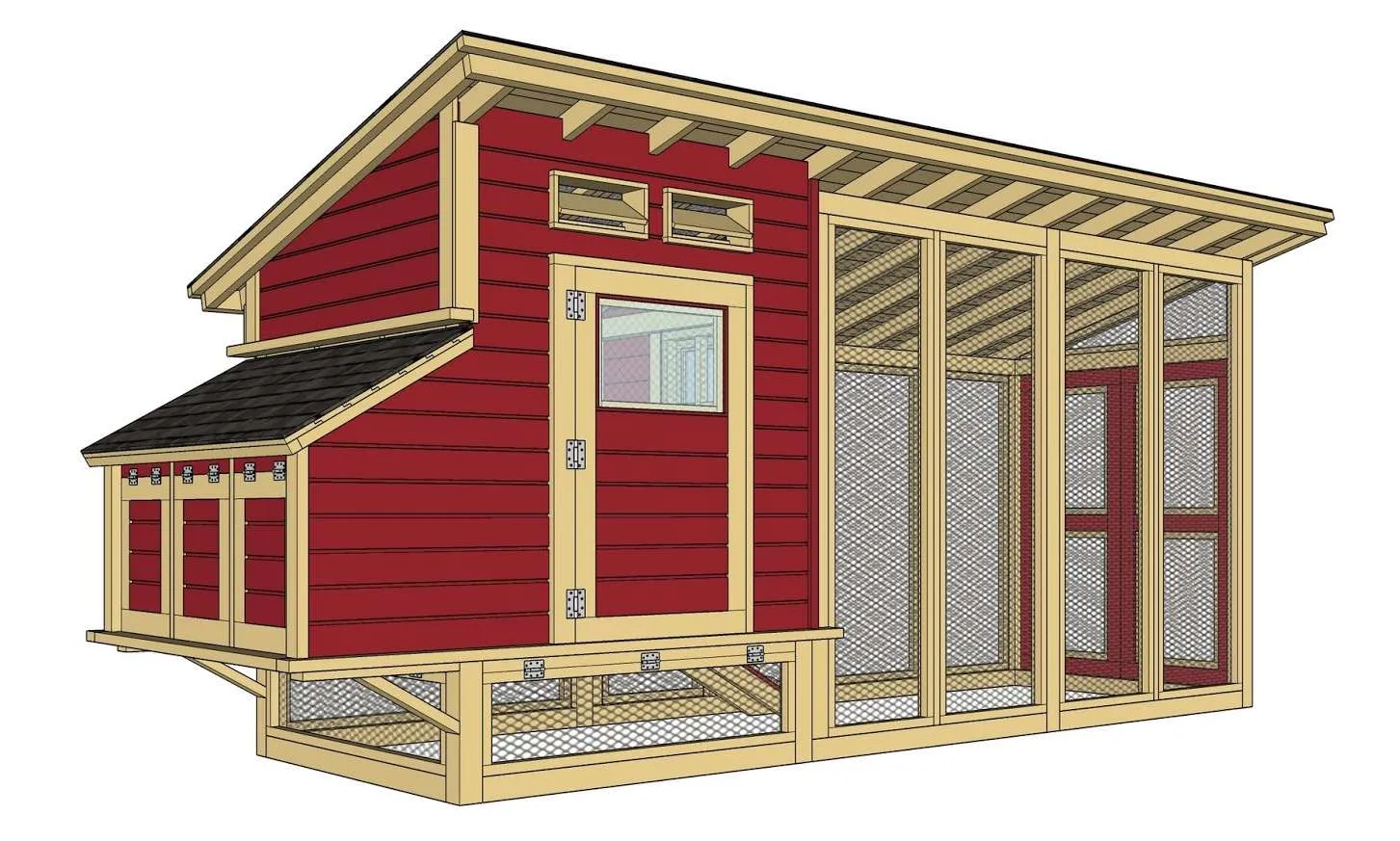
Building a chicken coop doesn’t have to be a daunting task. With careful planning and the right approach, you can quickly create a safe, comfortable, and efficient home for your feathered friends. This guide provides a step-by-step approach, emphasizing speed without sacrificing quality, ensuring your chickens can move into their new coop sooner rather than later. We will cover everything from planning and material gathering to the final touches, making the process straightforward and manageable.
Planning Your Chicken Coop
Before you even touch a hammer, thorough planning is essential. This step ensures that your coop meets your chickens’ needs and complies with local regulations, ultimately saving you time and money in the long run. Proper planning includes determining the right size, location, and design, laying the groundwork for a successful build. This initial phase is critical for a quick and efficient construction process.
Determine Coop Size Based on Flock
The size of your coop directly correlates to the number of chickens you plan to keep. As a general guideline, provide at least 4 square feet of floor space per chicken inside the coop. For the run, aim for a minimum of 8 square feet per bird. Overcrowding leads to stress, disease, and reduced egg production. Consider the breed of your chickens, as larger breeds require more space. Planning for future flock expansion is also a smart move, helping you avoid rebuilding later. The coop’s size also affects material costs, so getting this right from the start is crucial.
Consider Local Regulations and Zoning

Check with your local authorities for any zoning regulations or building codes that might affect your chicken coop project. Some areas have restrictions on coop size, placement, or the number of chickens you can keep. You may need to obtain permits before you begin construction. Ignoring these regulations could result in fines or the need to dismantle your coop, which will significantly set back your project. Research these rules early in the planning phase to avoid any surprises down the road.
Choosing the Right Location
Select a location that offers good drainage, is sheltered from harsh weather conditions, and is easily accessible for cleaning and maintenance. Ensure the area receives adequate sunlight and ventilation. Consider the proximity to your house and neighbors to minimize noise and odor concerns. A level surface will make construction easier. Avoid areas prone to flooding or near overhanging tree branches that could provide access for predators. The ideal location balances the needs of your chickens with your own convenience and neighborhood considerations.
Gathering Your Materials
Once you’ve finalized your plans, it’s time to gather all the necessary materials and tools. This phase sets the stage for a smooth and efficient construction process. Preparing everything in advance minimizes delays and ensures you can work continuously, making your project quicker. Having high-quality materials and the right tools will make your build safer and last longer.
Essential Tools for Building a Coop

A well-equipped toolbox is crucial for a quick and efficient build. Essential tools include a circular saw or hand saw, a drill, a level, a measuring tape, a hammer, a staple gun (for attaching wire mesh), and safety glasses. A post-hole digger or auger may be needed if you’re building a run. Having the right tools makes each step easier and more precise, saving time and reducing frustration. Make sure all your tools are in good working order before you start.
List of Materials Needed
The materials you need will vary depending on the size and design of your coop. Common materials include lumber for the frame, plywood or other sheathing for the walls and roof, roofing materials (shingles, metal sheets), wire mesh for the run, hardware cloth for the coop, screws, nails, hinges, latches, and any materials needed for nesting boxes and roosts. Creating a detailed list based on your specific plan is a must. Don’t forget items such as paint or sealant to protect the wood from the elements, and always purchase more than you need.
Building the Coop Frame
The frame is the structural backbone of your coop. A sturdy frame ensures the coop’s longevity and provides a solid base for the walls, roof, and other features. Accurate measurements and precise cuts are crucial for a square and stable structure. This step sets the foundation for the entire coop, so take your time and do it right. Correct construction at this stage saves a lot of effort later on.
Constructing the Base and Walls

Begin by building the base of your coop, ensuring it’s level and square. Then, construct the walls, attaching the vertical studs to the base frame. Use a level to make sure all walls are plumb. The wall framing should be spaced appropriately to support the exterior sheathing. Ensure the frame is robust enough to withstand wind and weather. Consider adding corner bracing for extra stability. Regular checks throughout the construction process guarantee the frame’s structural integrity.
Adding the Roof and Securing
After the walls are up, it’s time to add the roof. The roof protects your chickens from the elements. There are many types of roofs, including gable and shed roofs, each with pros and cons. Cut the roof supports and attach them securely to the walls. Cover the frame with plywood or sheathing, and then install your chosen roofing material. Be sure to overlap the materials and secure them properly to prevent leaks. A well-constructed roof is essential for the comfort and safety of your chickens.
Building the Chicken Run
The chicken run provides a safe, enclosed space for your chickens to roam and forage. Building a secure run is critical for protecting your birds from predators. The run should be attached securely to the coop or constructed separately. Proper construction ensures your chickens can enjoy the outdoors safely.
Choosing Run Materials

For the run frame, you can use the same lumber as the coop frame. The primary material for the run walls is heavy-duty wire mesh or hardware cloth. This material must be securely attached to the frame. Choose a mesh size that will keep predators out while allowing good airflow. Consider burying the wire mesh several inches underground or using a wire skirt to prevent digging predators from getting in. High-quality, durable materials ensure longevity and protection for your chickens.
Securing the Run to Prevent Predators
Predator-proofing is a must for any chicken run. Ensure the wire mesh is securely attached to the frame with staples or screws. Consider burying the wire mesh at the bottom of the run to prevent animals from digging underneath. Use strong latches and locks on the run door. Regularly inspect the run for any signs of damage or potential entry points. Reinforce any weak spots promptly. Protecting your chickens from predators is one of the most crucial aspects of coop construction.
Interior Coop Design and Features
The interior of your coop should be designed to meet the chickens’ needs for roosting, nesting, and laying eggs. These features will contribute to the comfort and productivity of your flock. Thoughtful design and execution make the coop functional and improve your chickens’ quality of life. Simple, well-built features are often the most effective.
Building Nesting Boxes

Nesting boxes provide a private and comfortable space for your hens to lay eggs. The number of boxes should be based on your flock’s size; one box for every 3–4 hens is generally sufficient. Nesting boxes can be made from wood or plastic. Make sure the boxes are well-ventilated, easy to clean, and away from drafts. Line the boxes with straw, wood shavings, or other suitable bedding materials. Proper nesting boxes encourage egg production and make egg collection easier.
Installing Roosts
Roosts are essential for chickens to sleep comfortably. Provide enough roosting space for each chicken. The roosts should be placed at a height that is easy for the chickens to access. Round or slightly flattened roosting bars are ideal. Ensure the roosts are securely attached and free from splinters. The location of the roosts should be away from drafts and accessible from the nesting boxes. Properly designed roosts help the chickens rest and reduce stress.
Adding Ventilation and Lighting
Ventilation is crucial for maintaining air quality and preventing moisture buildup inside the coop. Install vents near the roofline to allow air circulation. Avoid placing vents where drafts will directly hit the chickens. Consider adding a small window for natural light, but make sure it can be securely closed. In colder climates, you may need to provide supplemental lighting during the winter months to encourage egg production. Good ventilation and lighting create a healthy and productive environment.
Final Touches and Coop Maintenance

Once the coop is constructed, it’s time to add the finishing touches and establish a routine for maintenance. This ensures the coop remains a safe and comfortable home for your chickens. Regular maintenance extends the lifespan of the coop and the health of your flock. Taking care of these finishing details prepares the coop for your chickens.
Coop Placement and Safety
Carefully place the coop in its designated spot, ensuring it’s level and secure. Check all latches, hinges, and other hardware to make sure they are functioning correctly. If you have not already, add any exterior finishes like paint or stain to protect the wood. Make sure the coop is safe from the elements and predators. This stage provides a secure and durable foundation for your chicken coop.
Regular Cleaning and Maintenance
Establish a regular cleaning schedule. Remove droppings, replace bedding, and clean the nesting boxes regularly. A clean coop reduces the risk of disease and keeps your chickens healthy. Inspect the coop and run for any signs of wear and tear. Repair or replace any damaged parts promptly. Regular maintenance prolongs the life of your coop and the health of your chickens.
Protecting from Pests and Predators
Implement measures to protect your chickens from pests and predators. Close the coop securely at night. Use hardware cloth to cover any openings. Clean up any food scraps to avoid attracting rodents. Consider using predator-deterrent methods, such as electric fencing or motion-activated lights, if needed. Prevention is key to keeping your chickens safe. Regular checks and adjustments ensure continuous protection.
Building a chicken coop quickly is achievable with thorough planning, the right materials, and efficient construction techniques. By following these steps, you can provide a safe, comfortable home for your chickens in no time. Remember to prioritize predator protection and regular maintenance to ensure the long-term health and happiness of your flock. Enjoy your new chickens!