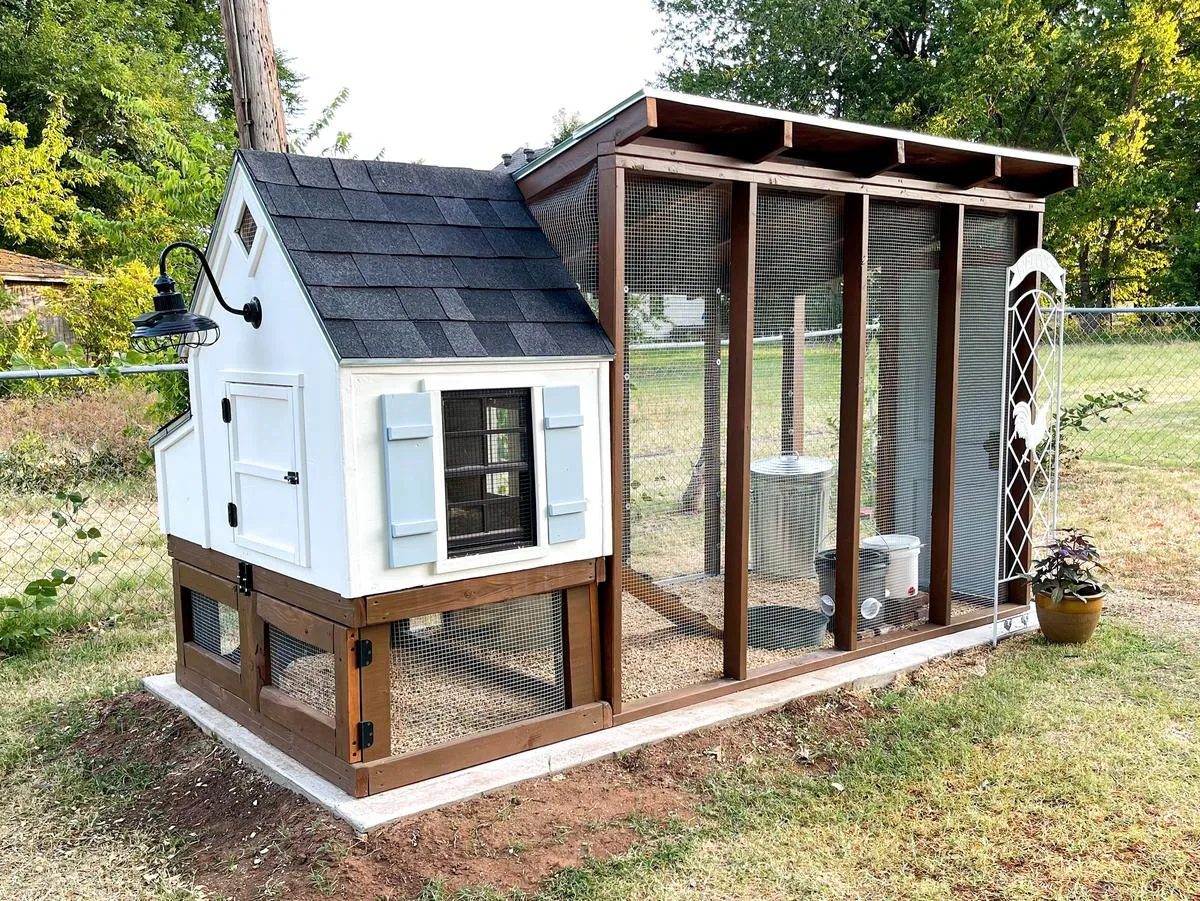
Planning Your Chicken Coop
Building a chicken coop is a rewarding project that provides fresh eggs and entertainment. Careful planning is crucial for success. Before you even think about picking up a hammer, consider the number of chickens you plan to house, local regulations, and the space available in your yard. This guide provides a comprehensive overview to help you navigate the process of building a functional, safe, and aesthetically pleasing coop for your feathered friends. Proper planning not only ensures a comfortable environment for your chickens but also minimizes potential problems down the road, such as predator attacks or difficulties with waste management. Remember, a well-planned coop is a happy coop, and happy chickens lay more eggs.
Choosing the Right Location for Your Coop
The location of your chicken coop significantly impacts the health and well-being of your flock. Choose a spot that offers a balance of sun and shade, providing shelter from the harsh midday sun and protection from the elements. Consider the prevailing winds and ensure the coop is sheltered from strong gusts. Good drainage is essential; avoid areas prone to flooding or standing water. Proximity to your house is also a factor. Easy access for daily chores like feeding, watering, and egg collection is a definite plus. However, be mindful of potential noise and odor, and locate the coop a reasonable distance from your living areas and neighbors to prevent any disturbance.
Understanding Local Zoning Regulations

Before you start building, check your local zoning ordinances and homeowner association rules. Many areas have specific regulations regarding the keeping of chickens, including the number of birds allowed, the required setbacks from property lines, and the types of coops permitted. Some areas may require permits or inspections. Ignoring these regulations can lead to fines or the forced removal of your coop. Contact your local planning department or homeowner association to obtain the necessary information and ensure your coop complies with all applicable rules. This proactive step saves you from potential legal headaches and ensures your project proceeds smoothly.
Coop Size and Space Requirements
Adequate space is vital for the comfort and health of your chickens. A general guideline is to provide at least 4 square feet of space per chicken inside the coop and 8-10 square feet per chicken in the outdoor run. Overcrowding can lead to stress, pecking order problems, and the spread of disease. Consider the breed of chickens you plan to keep, as larger breeds may require more space. Plan for future growth; if you intend to expand your flock, build a coop that can accommodate the additional birds. Remember that the run should be large enough for the chickens to exercise, forage, and dust bathe comfortably. Provide enough space to prevent boredom and encourage natural behaviors, contributing to a healthier and happier flock.
Designing Your Chicken Coop
Your coop design should prioritize functionality, safety, and ease of maintenance. Consider a design that allows for easy access for cleaning, egg collection, and feeding. Proper ventilation is crucial to remove moisture and ammonia buildup, which can cause respiratory problems in chickens. The design should also incorporate predator-proofing measures, such as secure latches, sturdy materials, and buried hardware cloth around the perimeter. Think about the aesthetic appeal of your coop as well, ensuring it complements your backyard and fits in with your overall landscape. Explore various coop designs online or in books to get inspiration and ideas, but always tailor the design to your specific needs and the needs of your chickens.
Selecting Coop Materials

Choose durable, weather-resistant materials for your coop. Wood is a popular choice, but it requires regular maintenance. Cedar and redwood are naturally rot-resistant options. Pressure-treated lumber can be used for the foundation, but avoid using it for surfaces that chickens will directly contact. Consider using metal roofing or shingles for the roof. Hardware cloth, with a mesh size of ½ inch or smaller, is essential for predator-proofing. Avoid using chicken wire, as it is not strong enough to deter predators. Secure all materials with appropriate fasteners, such as screws or nails, ensuring the coop is structurally sound and can withstand the elements. The selection of materials directly impacts the longevity and safety of your coop.
Building the Chicken Coop Foundation
The foundation provides a stable base for your coop and helps protect it from moisture and pests. You can use several foundation types, including a concrete slab, a wooden frame on skids, or simply set the coop directly on the ground. A concrete slab is a more permanent solution but requires more labor. A wooden frame on skids allows you to move the coop if needed. If you choose to set the coop on the ground, ensure the bottom is protected with hardware cloth to prevent digging predators. Regardless of the foundation type, ensure it is level and provides good drainage to prevent water accumulation under the coop. Proper foundation is the key to a long-lasting coop.
Constructing the Coop Frame
The frame provides the structural support for your coop. Use lumber that is appropriate for the size and design of your coop. Ensure the frame is square and level before attaching the walls and roof. Follow the design plans carefully, measuring and cutting lumber accurately. Consider using pre-cut kits, which simplify the construction process. Use screws instead of nails whenever possible, as they provide a stronger and more durable connection. Bracing the frame at corners and other strategic locations will increase the coop’s structural integrity. A well-constructed frame is crucial for the coop’s stability and ability to withstand weather conditions and potential impacts.
Building the Walls and Roof

Once the frame is complete, you can start building the walls and roof. Attach the exterior siding to the frame, ensuring it is securely fastened and weatherproof. Consider using overlapping siding to prevent water from penetrating the walls. For the roof, choose a material that offers good protection from rain, snow, and sun. Shingles or metal roofing are common choices. Ensure the roof has adequate overhang to protect the walls from the elements. Proper insulation in the walls and roof helps regulate the coop’s temperature, keeping your chickens comfortable in both hot and cold weather. Pay attention to details like flashing around the roof and windows to prevent leaks and maintain the structural integrity of your coop.
Adding Doors and Windows
Doors and windows provide access to the coop and allow for ventilation and natural light. Install a secure door that closes tightly to prevent predators from entering. Consider adding a ramp or steps to make it easier for chickens to enter and exit the coop. Windows provide ventilation and light, but they also need to be secure and protected from the elements. Use hardware cloth or strong mesh over the windows to prevent predators from entering. Ensure all doors and windows fit snugly and have secure latches. Position windows strategically to maximize ventilation while minimizing drafts. The design and placement of doors and windows directly affect the convenience, safety, and comfort of the chickens.
Creating the Chicken Run
The chicken run provides a safe outdoor space for your chickens to roam, forage, and exercise. Enclose the run with sturdy fencing, such as welded wire or hardware cloth, to protect your chickens from predators. Bury the fencing several inches into the ground and extend it outwards to prevent digging predators from entering. Cover the top of the run with netting or more fencing to protect against aerial predators. Provide shade and shelter within the run, such as a covered area or a few bushes. Consider adding a dust bath area to help chickens keep clean and healthy. Regularly inspect the run for any damage or weaknesses in the fencing. A well-designed chicken run is essential for the chickens’ well-being and safety.
Protecting Your Chickens From Predators

Predator protection is a critical aspect of building a chicken coop. The design of your coop and run should prioritize preventing predators from gaining access. Bury hardware cloth around the perimeter of the coop and run to prevent digging animals. Use secure latches on all doors and windows. Cover the run with netting or fencing to protect against hawks, owls, and other aerial predators. Ensure there are no gaps or weaknesses in the fencing. Consider using predator-resistant materials, such as welded wire or hardware cloth, for the run and coop. Regular inspection of the coop and run is essential to identify and address any potential vulnerabilities. Protecting your chickens from predators is a constant effort, but it is essential for their survival.
Installing Hardware Cloth
Hardware cloth, with a mesh size of ½ inch or smaller, is a critical component of predator-proofing your coop and run. Use it to cover all openings, including windows and vents. Bury the hardware cloth at least 12 inches into the ground around the perimeter of the run to prevent digging predators. Secure the hardware cloth with staples or screws, ensuring there are no gaps or weak points. Use hardware cloth on the bottom of the coop if it’s raised off the ground. Hardware cloth is more robust than chicken wire, offering superior protection against predators. Installing hardware cloth correctly is a crucial step in protecting your flock from harm.
Securing Doors and Windows
Doors and windows are often the most vulnerable points for predators to access your coop. Install secure latches on all doors, ensuring they cannot be easily opened by animals. Use barrel bolts, carabiner clips, or other robust locking mechanisms. Reinforce the door frames and use heavy-duty hinges. Secure windows with hardware cloth or strong mesh and ensure they are firmly attached. Consider adding extra security measures, such as a secondary latch or a lock. Regularly check the doors and windows to ensure they are properly secured and functioning correctly. Attention to door and window security is essential in preventing predator intrusion and keeping your chickens safe.
Setting Up the Interior of Your Coop

The interior of your coop should be designed to provide comfort, safety, and functionality for your chickens. This includes nesting boxes, roosts, and a designated area for food and water. The layout should facilitate easy cleaning and provide adequate space for the chickens to move around and avoid overcrowding. The interior design can impact the chickens’ stress levels and their ability to lay eggs. A well-designed interior creates a comfortable and productive environment for your flock.
Building Nesting Boxes
Nesting boxes provide a safe and private space for chickens to lay eggs. One nesting box is generally recommended for every 3-4 hens. The boxes should be elevated off the ground, and dark and secluded. Use durable, easy-to-clean materials such as wood or plastic. Line the boxes with soft bedding, such as straw, wood shavings, or shredded paper. The nesting boxes should be easily accessible for egg collection. Consider the size and comfort of the nesting boxes, making sure they are large enough for the chickens to comfortably sit and lay eggs. Well-designed nesting boxes encourage chickens to lay eggs in the desired location, which makes egg collection easier and keeps the eggs cleaner.
Installing Roosts
Roosts provide a place for chickens to perch and sleep at night. Place the roosts at a height where the chickens can easily access them. Provide at least 8-12 inches of roosting space per chicken. The roosts should be made of smooth, rounded wood, such as 2x4s with the edges rounded off, to provide comfort for the chickens’ feet. Space the roosts adequately apart to prevent overcrowding and allow for proper ventilation. Consider the location of the roosts in relation to the nesting boxes and the door, to prevent messes and ensure that the chickens don’t get in the way of each other. Roosts are essential for the well-being of chickens, offering them a comfortable and safe place to sleep.
Providing Ventilation

Proper ventilation is crucial for removing moisture and ammonia buildup in the coop, which can lead to respiratory problems in chickens. Provide vents high up in the coop to allow for good air circulation. Avoid placing vents directly above the roosts or nesting boxes. A combination of vents and a ridge vent on the roof is a good solution. Ensure the vents are protected with hardware cloth to prevent predators from entering. Consider using a small fan to circulate air, especially in humid climates. Proper ventilation not only keeps the air fresh but also reduces the risk of disease and creates a more comfortable environment for the chickens.
Essential Coop Features
Beyond the basic structure, a well-equipped coop includes features that enhance the chickens’ well-being and make daily chores easier. These features may include feeders and waterers, a dust bath area, and a way to manage waste. The design of these features should prioritize functionality, ease of use, and the chickens’ health. Thoughtful features will make maintaining the coop more manageable and contribute to the overall success of your backyard chicken project.
Watering and Feeding Systems
Choose appropriate feeders and waterers based on the number of chickens you have. Feeders should be designed to minimize waste and prevent spillage. Waterers should provide a continuous supply of clean water. Consider using automatic waterers and feeders to reduce the frequency of refills. Place the feeders and waterers in a location that is easy to access and clean. Protect the waterers from freezing in cold weather. Regular cleaning of the feeders and waterers is essential to prevent contamination and the spread of disease. Provide fresh, clean water and a balanced diet to support the health and productivity of your flock.
Waste Management and Cleaning
Effective waste management is crucial for maintaining a clean and healthy coop environment. Regularly clean the coop and replace soiled bedding. Composting the manure and bedding can create valuable fertilizer for your garden. Consider using the deep litter method, which involves adding fresh bedding on top of the existing bedding. This method allows the manure to decompose naturally and reduces the need for frequent cleaning. Proper ventilation helps to manage moisture and odor. Implement a regular cleaning schedule that works for your chickens and your lifestyle. Effective waste management contributes to the cleanliness of the coop and helps to prevent diseases and odors.
Maintaining Your Chicken Coop
Regular maintenance is essential to keep your chicken coop in good condition and ensure the health and safety of your chickens. This includes cleaning, repairs, and addressing any potential issues before they become major problems. A well-maintained coop will last longer, provide a safe and comfortable environment for your chickens, and make the whole experience of raising chickens more enjoyable. Establishing a regular maintenance routine helps you stay on top of things and prevent issues from escalating.
Regular Cleaning and Maintenance
Clean the coop regularly, removing droppings, soiled bedding, and any spilled food or water. Clean the nesting boxes and replace the bedding frequently. Inspect the coop for any signs of damage or wear and tear, such as cracks, leaks, or loose hardware. Make any necessary repairs promptly. Regularly check the fencing for any damage or weaknesses. Keep the surrounding area clean and free of debris. A regular cleaning and maintenance routine will help prevent disease, maintain the coop’s structural integrity, and ensure a healthy environment for your chickens. Make it a habit to visually inspect the coop whenever you collect eggs or perform other chores.
Winterizing Your Coop
Prepare your coop for winter to protect your chickens from cold temperatures. Insulate the walls and roof to help retain heat. Seal any cracks or gaps to prevent drafts. Provide extra bedding to keep the chickens warm. Ensure the water supply does not freeze. Consider using a heated waterer. Increase ventilation to prevent moisture buildup. Provide supplemental lighting to encourage egg laying. Keep the coop clear of snow and ice. Winterizing your coop provides a more comfortable environment for your chickens during the cold months and helps them stay healthy.
Troubleshooting Common Coop Problems
Be prepared to troubleshoot common coop problems as they arise. Addressing problems early can prevent them from escalating. Some common issues include: predator attacks, drafts, moisture buildup, pest infestations, and disease outbreaks. Have a plan in place to address each potential problem. Regularly inspect the coop for any signs of problems. Consult with experienced chicken keepers or veterinarians if you are unsure of how to resolve an issue. Quick and effective troubleshooting ensures the long-term health and safety of your flock.
Building a chicken coop is a fulfilling project that allows you to enjoy fresh eggs and the company of these charming birds. By following this guide and addressing each step carefully, you can build a coop that meets your needs and provides a safe and comfortable home for your chickens. Remember to prioritize planning, predator protection, and regular maintenance. With a well-built and well-maintained coop, you will enjoy the rewards of raising chickens for years to come.