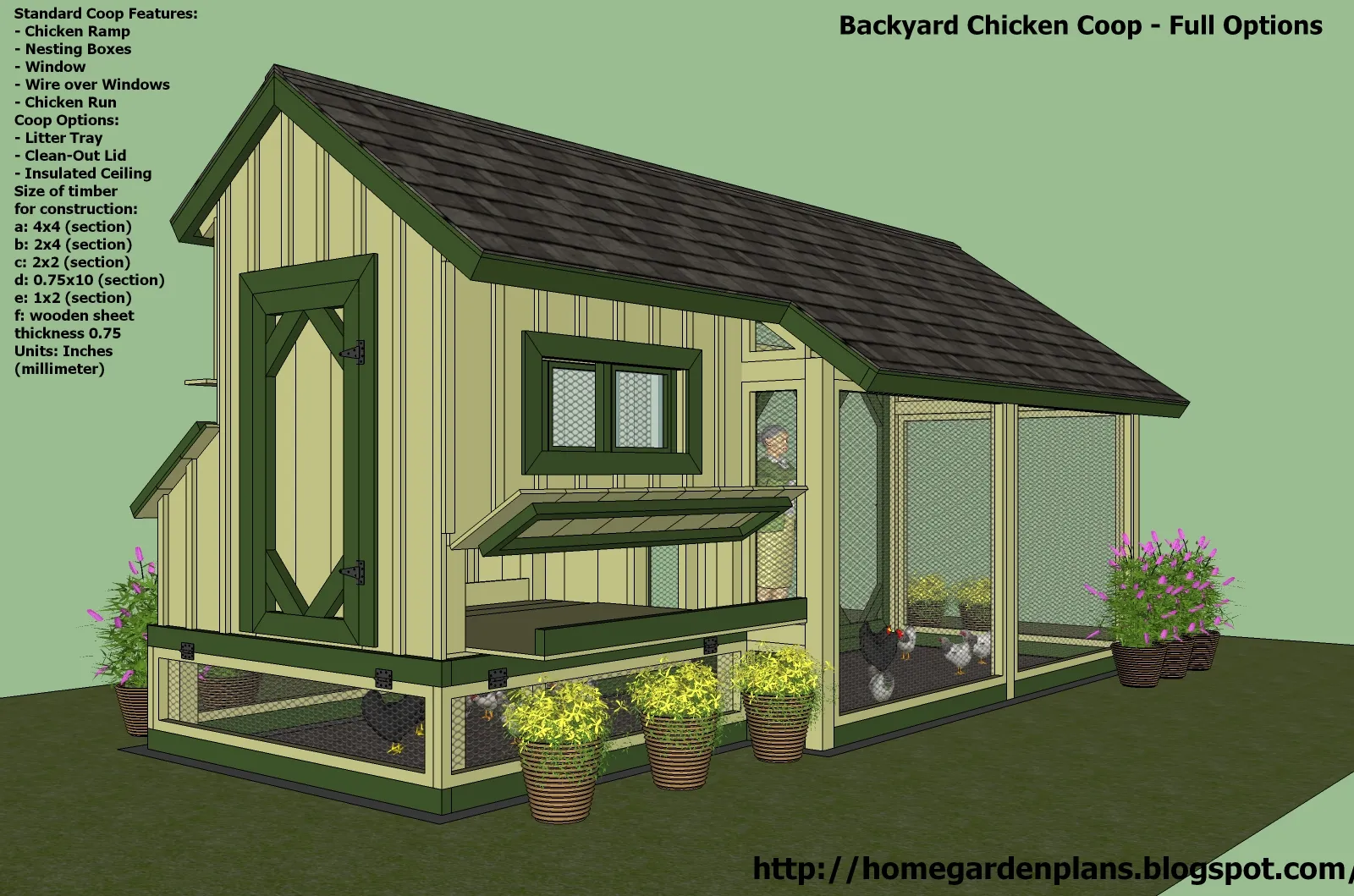
Planning Your Chicken Coop Design
Designing a chicken coop is an exciting project that combines practical needs with the opportunity for creative expression. Before you start building, meticulous planning is essential. Consider factors such as the number of chickens you intend to keep, the available space in your backyard, local zoning regulations, and the climate in your area. A well-designed coop provides a safe, comfortable, and functional environment for your flock, protecting them from predators, the elements, and ensuring their overall well-being. Take your time with this initial planning phase, as the decisions you make here will influence the success and longevity of your coop.
Choosing the Right Location
The location of your chicken coop is a crucial aspect of its design. The chosen spot should offer a balance of convenience for you and comfort for your chickens. The ideal location should be relatively flat and well-drained, minimizing the risk of flooding. It should also be easily accessible for cleaning, feeding, and collecting eggs. Consider the proximity to your house and neighbors, as chickens can be noisy, and their coop will require regular cleaning to minimize odors. Furthermore, the location should offer protection from prevailing winds and extreme weather conditions.
Consider Sunlight and Shade

Sunlight and shade are important factors when deciding where to build your coop. Chickens need both. Direct sunlight helps to keep the coop dry and warm, especially during colder months, and can help with vitamin D production. However, excessive sun exposure during the summer can lead to overheating. Therefore, the location should ideally have a mix of sunny and shaded areas. Trees or strategically placed structures can provide shade during the hottest parts of the day. Ensure the coop has good ventilation to prevent overheating in the summer.
Ensuring Proper Drainage
Proper drainage is essential to prevent the buildup of moisture, which can lead to health problems for your chickens and the deterioration of your coop. The ground beneath the coop should slope slightly to allow rainwater to run off. Avoid areas that are prone to flooding or that collect standing water. Consider building the coop on a slightly raised foundation to further improve drainage and protect the structure from moisture damage. Gravel or a similar material beneath the coop can also aid in drainage and prevent muddy conditions.
Protecting from Predators
Protecting your chickens from predators is paramount. This influences the design of your coop in several ways. The coop should be constructed with sturdy materials that cannot be easily breached by predators. Burying hardware cloth or wire mesh at least 12 inches deep around the perimeter of the coop will prevent digging predators from entering. Ensure that all openings, including windows and vents, are covered with strong, predator-proof wire mesh. Securely latched doors and windows are essential to prevent nocturnal invasions. Consider the specific predators in your area and design the coop accordingly.
Selecting the Ideal Size for Your Coop

The size of your chicken coop should be determined by the number of chickens you plan to keep. Overcrowding can lead to stress, disease, and behavioral problems among your flock. A larger coop also provides more space for the chickens to move around, which is especially important during inclement weather when they might be confined indoors for extended periods. When designing your coop, always err on the side of providing more space than you think you need, as this benefits both the chickens and the ease of coop maintenance.
Determining Space Requirements per Chicken
As a general guideline, provide at least 4 square feet of floor space per chicken inside the coop. This ensures adequate room for movement and reduces the likelihood of the birds becoming stressed or aggressive. In addition to the floor space inside the coop, provide ample outdoor space in a secure run, ideally at least 8-10 square feet per chicken. This space allows them to forage, dust bathe, and enjoy the outdoors. If you plan on keeping larger breeds, you may need to increase the space requirements accordingly.
Coop Layout and Design Options
There are many different coop layout and design options. Common designs include walk-in coops, which provide easy access for cleaning and maintenance, and A-frame coops, which are often more portable. Consider your available space, your aesthetic preferences, and the needs of your chickens when choosing a design. A well-designed coop will include separate areas for roosting, nesting, and feeding/watering. It should also incorporate features that make cleaning and maintenance easier, such as a removable droppings tray and accessible doors and windows.
Essential Features for Your Chicken Coop

Several essential features contribute to a functional and comfortable chicken coop. These features enhance the health and well-being of your flock. The best coop designs prioritize these elements. Consider these fundamental aspects when designing your own coop.
The Importance of Ventilation
Good ventilation is vital for maintaining a healthy environment inside the coop. Proper ventilation helps to remove moisture, ammonia, and other harmful gases that can build up from chicken droppings. This reduces the risk of respiratory illnesses and keeps the coop smelling fresher. Ventilation can be achieved through a combination of vents, windows, and the design of the roof. Ensure that the ventilation system allows for adequate airflow without creating drafts that could chill the chickens. Position vents high in the coop to allow warm, moist air to escape.
Nesting Boxes Design and Placement
Nesting boxes provide a safe and comfortable place for your hens to lay their eggs. Provide one nesting box for every 3-4 hens. Nesting boxes should be large enough for the hens to comfortably turn around and settle. Place the boxes in a quiet, dimly lit area of the coop, away from drafts and direct sunlight. Line the boxes with soft, clean bedding such as straw, wood shavings, or hay. Consider a design that allows for easy egg collection without disturbing the hens.
Providing a Secure Roosting Area

Roosting bars are essential for chickens to sleep comfortably. Provide roosting bars that are slightly elevated off the ground. The diameter of the roosting bars should be wide enough for the chickens to comfortably grip them. Ensure that the roosting bars are placed away from nesting boxes to prevent droppings from soiling the boxes. Position the roosting bars away from walls to minimize the risk of chickens bumping into the walls when jumping down. Consider the breed of your chickens when deciding the height of the roosting bars.
Choosing the Right Materials for Construction
The materials you choose for your chicken coop will significantly impact its durability, longevity, and overall appearance. Consider factors such as cost, availability, weather resistance, and the potential for predator intrusion when selecting materials. Choosing the right materials will help you build a chicken coop that will last for many years and provide a safe and comfortable home for your chickens.
Wood Options for Chicken Coops
Wood is a popular choice for chicken coop construction due to its availability, ease of use, and natural aesthetic. Untreated wood is generally safe for chickens, while pressure-treated lumber is often avoided because of the chemicals used in its treatment. Common wood choices include cedar, redwood, and pine. Cedar and redwood are naturally resistant to rot and insects, making them excellent choices for outdoor structures. Pine is a more affordable option, but it may require more frequent maintenance and treatment to prevent rot and decay.
Metal and Other Durable Materials

Metal, such as galvanized steel, is another durable material for coop construction. Metal coops are highly resistant to predators and the elements. They are also easy to clean and maintain. However, metal coops can be more expensive and may require specialized tools and skills for construction. Other durable materials to consider include composite materials, which combine the benefits of wood and plastic, and concrete, which can be used for the foundation or even the entire coop structure. Choose materials that offer a balance of durability, cost-effectiveness, and ease of construction.
Building and Assembling Your Coop
Building a chicken coop can be a rewarding project. Follow the step-by-step instructions carefully. Proper construction ensures the structural integrity and functionality of your coop. Preparation is crucial. Always prioritize safety and build the coop according to your chosen design. If you are not comfortable with DIY projects, consider purchasing a pre-fabricated coop. However, for a personalized and custom-built coop, following the steps is essential.
Step-by-Step Construction Guide
Start by preparing the site, ensuring it is level and properly drained. Then, construct the foundation, followed by the framing of the walls, floor, and roof. Attach the exterior siding and roofing materials. Install windows, doors, and vents. Build nesting boxes and roosting bars. Finally, secure the run with hardware cloth or wire mesh. Detailed plans and precise measurements are critical. Measure twice and cut once to avoid mistakes. Ensure all joints are securely fastened and that the structure is plumb and level. Consult online resources or building professionals to assist with more complex steps if needed.
Installing Doors and Windows

Properly installed doors and windows are crucial for the safety and comfort of your chickens. The doors should be securely hinged and latched to prevent predators from entering. Windows provide natural light and ventilation. Ensure they are covered with sturdy wire mesh. Position doors and windows to maximize airflow and provide easy access for cleaning and maintenance. Ensure that windows can be easily opened and closed, especially during extreme weather. Consider using predator-resistant latches and hinges for added security.
Tips for Maintaining Your Chicken Coop
Regular maintenance is essential to keeping your chicken coop clean, healthy, and secure. A well-maintained coop will last longer and provide a better environment for your chickens. Implement a regular cleaning schedule and be diligent about checking for any potential issues. Consistent maintenance will keep your coop in great shape for years.
Regular Cleaning and Sanitation
Clean your coop regularly to prevent the buildup of droppings, which can attract pests and spread diseases. Remove droppings from the roosting area and nesting boxes at least once a week. Clean the entire coop at least once a month, or more frequently if needed. Use a poultry-safe disinfectant to sanitize the coop. Replace the bedding in the nesting boxes and on the floor regularly with fresh, clean material. Proper sanitation helps to prevent disease outbreaks and keeps your chickens healthy and happy.
Pest and Predator Control
Implement measures to control pests and predators. Regularly inspect the coop for signs of pests, such as rodents or mites, and take action to eliminate them. Use predator-proof materials and construction techniques to prevent predators from entering the coop. Secure all openings with strong wire mesh. Trim vegetation around the coop to eliminate hiding places for predators. A well-maintained coop, with proper cleaning and predator control measures, ensures a safe and healthy environment for your chickens.