Understanding the Need for Chicken Coop Heating
Keeping your chickens warm during the colder months is essential for their health, well-being, and continued egg production. Heating a chicken coop is not just about comfort; it’s about providing a safe and healthy environment for your flock. Chickens are surprisingly resilient, but they are susceptible to the effects of extreme cold, which can lead to various health issues and reduced productivity. This guide will explore the best methods for heating a chicken coop effectively, ensuring your chickens thrive even when the temperature drops.
Why Chickens Need a Warm Coop
Chickens, unlike many other animals, do not naturally go into hibernation. They continue their daily activities throughout the winter, but their bodies need to work harder to maintain their internal temperature. When exposed to cold, chickens expend a lot of energy just staying warm, which can lead to decreased egg production, increased susceptibility to illness, and even frostbite. A warm coop helps conserve their energy, allowing them to stay healthy and continue laying eggs, albeit at a potentially reduced rate compared to warmer months. Furthermore, a heated coop provides a more comfortable environment, reducing stress and promoting overall well-being for your flock.
Dangers of Cold Weather for Chickens

Cold weather poses several threats to chickens. Frostbite is a significant concern, particularly on combs, wattles, and feet, as these areas are most exposed. Frostbite can cause tissue damage, potentially leading to infection and discomfort. Respiratory illnesses, like colds and bronchitis, are more common in cold and damp conditions. Additionally, chickens may experience a decrease in appetite and overall activity levels during winter. In extreme cases, prolonged exposure to freezing temperatures can even lead to death. Providing a heated coop helps to mitigate these dangers and ensures your chickens remain healthy and active throughout the winter season. Image: cold-chicken.webp
Choosing the Right Heating Method for Your Coop
Selecting the appropriate heating method for your chicken coop involves considering factors such as safety, cost, and the size of your coop. Several options are available, each with its own advantages and disadvantages. The most common methods include electric space heaters, heat lamps, and radiant heat panels. When making your decision, prioritize safety above all else. Ensure that any heating device you choose is specifically designed for use in a coop environment and is installed and maintained correctly. Also consider the energy consumption and operating costs, as these can vary significantly between different heating methods. Always monitor the coop’s temperature and make adjustments as necessary to maintain a comfortable and safe environment for your chickens.
Electric Space Heaters for Chicken Coops
Electric space heaters are a popular choice for heating chicken coops because they are relatively easy to install and operate. They typically come in various sizes and power outputs, allowing you to select the most appropriate option for your coop’s dimensions. Choose a space heater that is designed for outdoor or damp environments and has safety features like automatic shut-off and tip-over protection. Place the heater in a secure location away from flammable materials like bedding and nesting boxes. Regularly inspect the heater for any signs of damage or wear and tear. This ensures the heater is performing safely and efficiently. Image: electric-space-heater.webp
Pros and Cons of Space Heaters

Space heaters offer several advantages, including even heat distribution and ease of use. They are also relatively energy-efficient compared to some other heating methods. However, they can also have drawbacks. Depending on the size and power output, electric space heaters can increase your electricity bill. It is essential to use a heater that is specifically rated for coop use and that has adequate safety features. Potential risks include the possibility of overheating if the thermostat malfunctions or the risk of fire if the heater is not used safely. Always monitor the heater and the coop’s temperature to ensure it is operating safely and effectively.
Safe Use of Space Heaters
Prioritizing safety is critical when using space heaters in a chicken coop. Always choose a heater designed for outdoor use and equip it with safety features such as an automatic shut-off function if the heater tips over or overheats. Keep the heater away from flammable materials, including bedding, hay, and nesting materials. Provide adequate space around the heater to prevent accidental contact. Regularly inspect the heater’s cord and plug for any damage. Avoid using extension cords unless absolutely necessary and ensure that the extension cord is rated for the appropriate electrical load. Installing a thermometer inside the coop allows you to monitor the temperature and adjust the heater’s settings accordingly. Regular maintenance and inspection will help prevent potential hazards and ensure the safety of your flock.
Heat Lamps for Chicken Coops
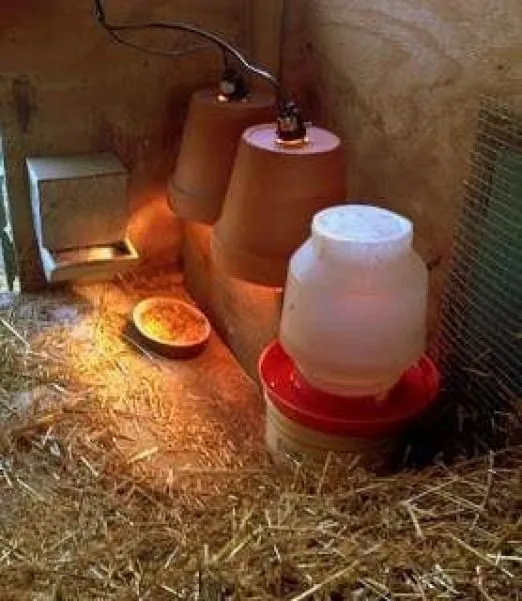
Heat lamps are another option for heating chicken coops, often used for chicks and sometimes for adult birds. They work by radiating heat from a bulb, typically an infrared or ceramic heat bulb. Heat lamps can be an affordable initial investment, but they come with safety concerns that must be carefully addressed. When using a heat lamp, choose a durable, heat-resistant lamp fixture and securely mount it away from flammable materials. Ensure the lamp is positioned so that chickens cannot directly touch the bulb. Additionally, regularly inspect the lamp for damage, and replace bulbs as needed. Always have a backup heating plan in case the lamp fails, especially during periods of extreme cold. Image: heat-lamp-coop.webp
Advantages and Disadvantages of Heat Lamps

Heat lamps have several advantages. They are relatively inexpensive to purchase and can provide a focused source of heat. However, they also come with significant drawbacks. The primary concern is the risk of fire. Heat lamps can easily ignite flammable materials if not used correctly. They can also be inefficient, as a significant portion of the heat is lost to the surroundings. Furthermore, heat lamps can be a safety hazard if the bulb breaks or falls, potentially causing burns or injuries to chickens. The constant light from heat lamps can disrupt chickens’ natural sleep patterns. Consider the potential risks carefully before deciding to use a heat lamp.
Safety Precautions with Heat Lamps
To ensure the safe use of heat lamps, follow these essential precautions. Always use a heat lamp fixture specifically designed for this purpose. Securely mount the lamp out of the reach of chickens and away from flammable materials. Regularly check the bulb for damage and replace it if necessary. Use a protective wire cage around the bulb to prevent chickens from contacting it directly. Monitor the coop’s temperature and adjust the lamp’s positioning or wattage as needed. Never leave a heat lamp unattended for extended periods. Install a backup heating system in case of lamp failure. Regularly inspect the lamp, cord, and fixture for any signs of wear or damage. A smoke detector is highly recommended as an additional safety measure.
Other Heating Options
Besides space heaters and heat lamps, other heating options can be used in chicken coops. Radiant heat panels are a safe and energy-efficient alternative. They radiate heat directly, warming the objects and chickens in their path without heating the air. Another option is using heated roosts or mats, which provide direct warmth for chickens as they perch or rest. Consider using a combination of methods, such as a radiant heat panel supplemented with proper insulation, for optimal efficiency. The best choice depends on your coop design, climate, and your personal preferences. Always weigh the pros and cons of each method before making a decision.
Using Radiant Heat Panels

Radiant heat panels are an excellent option for heating chicken coops, offering several advantages over traditional methods. They are energy-efficient, safe, and provide even heat distribution. These panels radiate heat directly, warming objects in their path without heating the air, which can help conserve energy. They are also less of a fire risk than heat lamps. Install the panels in an accessible location, following the manufacturer’s instructions. Ensure the panels are securely mounted and positioned to prevent chickens from coming into direct contact with them. Regularly inspect the panels for any damage and maintain them according to the manufacturer’s guidelines. Radiant heat panels can be an effective and safe way to keep your chickens warm during winter. Image: radiant-heat-panel.webp
Insulating Your Chicken Coop
Proper insulation is crucial for maintaining a consistent temperature inside your chicken coop. Insulation helps to retain heat during the winter and keep the coop cool during the summer. It reduces energy costs by minimizing heat loss and improves the overall efficiency of any heating system you use. Before adding insulation, make sure to seal any cracks or gaps in the coop’s structure to prevent drafts. Consider insulating the walls, roof, and floor of the coop. Choose insulation materials that are safe for use in a coop environment, such as fiberglass or rigid foam insulation. Properly installed insulation will significantly improve the effectiveness of your heating system and protect your chickens from extreme temperatures. Image: insulated-chicken-coop.webp
Best Insulation Materials
Several insulation materials are suitable for chicken coops. Fiberglass insulation is a common and relatively inexpensive option, but it needs to be covered to prevent chickens from pecking at it. Rigid foam insulation offers excellent thermal resistance and is easy to install. Foam boards are available in various thicknesses and are relatively water-resistant. Another option is spray foam insulation, which can fill gaps and cracks effectively. When choosing insulation, consider its R-value (thermal resistance), its resistance to moisture, and its safety in a coop environment. Always prioritize materials that are non-toxic and resistant to pests. Regular inspection and maintenance of the insulation are essential to ensure its effectiveness.
Ventilation and Humidity Control

While heating your chicken coop is important, it’s equally important to maintain proper ventilation and manage humidity levels. Adequate ventilation prevents the build-up of moisture and ammonia, which can lead to respiratory problems. Ensure your coop has vents or openings that allow fresh air to circulate, even during winter. Avoid sealing the coop completely, as this can trap moisture and create a damp environment. Proper ventilation, combined with appropriate heating, ensures a healthy and comfortable environment for your chickens. Regularly clean the coop and remove wet or soiled bedding to reduce humidity. Image: coop-ventilation.webp
Maintaining a Healthy Coop Environment
Maintaining a healthy coop environment goes beyond just heating. It includes regular cleaning, proper ventilation, and appropriate bedding. Clean the coop regularly to remove droppings and replace soiled bedding. This helps control the level of ammonia and reduces the risk of respiratory illnesses. Choose bedding materials that absorb moisture and provide insulation, such as straw or wood shavings. Provide adequate ventilation to ensure fresh air circulation, but avoid drafts. Monitor your chickens for signs of illness and take appropriate action if needed. By combining effective heating with these essential practices, you can create a thriving and healthy environment for your flock throughout the winter.