Planning for Winter
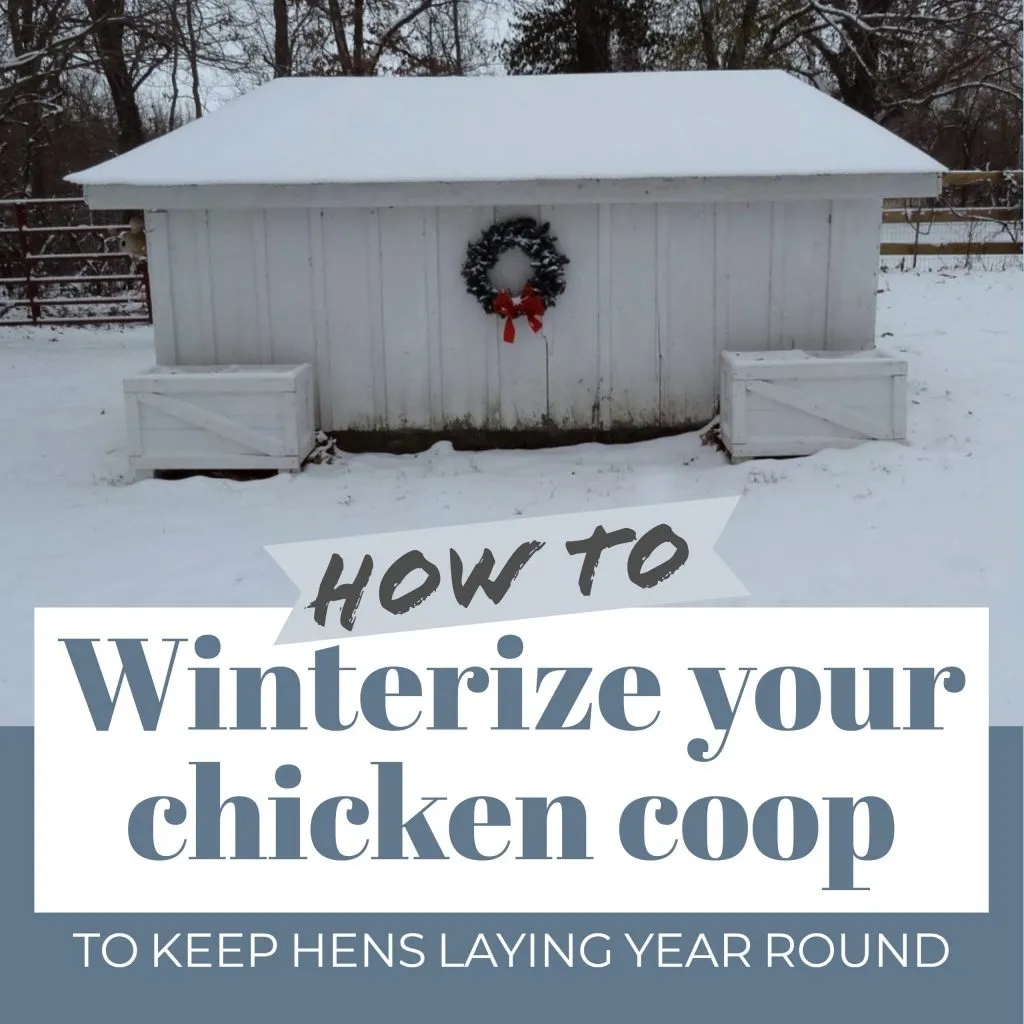
Preparing your chicken coop for winter is crucial for the health and well-being of your flock. Cold weather can pose significant challenges, including freezing water, reduced egg production, and increased susceptibility to illness. Effective winterization ensures your chickens remain comfortable, healthy, and productive throughout the colder months. Proper planning involves assessing your coop’s current state, addressing potential issues, and implementing strategies to mitigate the impact of winter. This includes providing adequate insulation, ventilation, and protection from the elements. By taking proactive steps, you can create a safe and comfortable environment for your chickens, allowing them to thrive even when temperatures drop.
Assess Your Coop
Before winter arrives, a thorough assessment of your chicken coop is essential. Walk around the coop to note any areas that need attention. Examine the structure for any existing damage, such as cracks, holes, or weaknesses that could allow drafts or moisture to enter. Check the foundation and walls for stability. Ensure that the roof is intact and free from leaks. Clean the coop thoroughly, removing all droppings, old bedding, and debris. This reduces the buildup of ammonia and other harmful substances that can affect your chickens’ respiratory health. Now is the time to make any necessary repairs or upgrades. A well-maintained coop is the foundation for a successful winter.
Check for Drafts and Insulation

Drafts are a chicken’s worst enemy in the winter. They not only make the coop colder but also can lead to health issues. Walk around the exterior and interior of your coop on a windy day and check for drafts. Seal any gaps or cracks with caulk, weather stripping, or expanding foam. Remember, proper insulation is key to maintaining a stable temperature inside the coop. This helps reduce the energy needed to keep the coop warm. Insulation traps warm air within the coop and minimizes heat loss. It also helps to prevent the interior from freezing on extremely cold days.
Insulating the Coop
Insulation helps to trap heat inside the coop, preventing the loss of warmth. The type of insulation you choose depends on the coop’s construction and your budget. Common options include fiberglass batts, rigid foam boards, or natural materials like straw. Fiberglass batts are effective but require careful installation to avoid moisture buildup. Rigid foam boards are easy to install and provide excellent insulation. Straw bales can also be used to insulate the walls of the coop, offering a natural and cost-effective solution. Insulate the roof as well. Ensure that the insulation is properly installed, covering all exposed surfaces. Proper insulation will make a noticeable difference in maintaining a comfortable temperature for your chickens during winter.
Ventilation and Moisture Control
While keeping the coop warm is important, proper ventilation is equally crucial. Ventilation allows for the removal of moisture, ammonia, and stale air, which can contribute to respiratory problems in chickens. Ensure that the coop has adequate ventilation to prevent the buildup of moisture. Add vents near the roofline to allow for air circulation. Avoid sealing the coop too tightly, as this can trap moisture and lead to condensation. Consider using a small fan to improve air circulation, especially in larger coops. Make sure your coop has adequate ventilation, but not excessive. Balance this carefully to provide good air quality and regulate humidity levels.
Heating Options

While chickens are naturally hardy, extremely cold temperatures might require supplemental heating. There are several heating options available, each with its own pros and cons. Heat lamps are a popular choice, but they can be a fire hazard if not used correctly. Always follow the manufacturer’s instructions. Another option is a radiant heater, which is safer and more energy-efficient. These heaters warm the air directly, rather than the surrounding air, making them more energy-efficient. Consider using a heated base for the waterer to prevent it from freezing. Ultimately, the best heating option for your coop depends on your budget, the size of your coop, and your safety concerns.
Food and Water
Ensuring your chickens have access to food and water is critical during winter. Chickens need a constant supply of both to maintain their health, energy levels, and egg production. In winter, chickens need more food because they use more energy to keep themselves warm. They also need a constant supply of fresh, unfrozen water to stay hydrated. Maintaining access to both food and water requires special consideration to meet these needs during the winter months.
Feeding in Winter
During the winter, chickens often require more food to maintain their body temperature. Provide a high-quality feed with a higher protein content to help them stay warm. This extra protein is important for feather health. Make sure to offer them a constant supply of feed throughout the day. Consider adding supplements like scratch grains or black oil sunflower seeds for added energy. Ensure the feeder is protected from snow and moisture to keep the feed dry. Also, be prepared to replenish feed more frequently because chickens will consume more during the winter.
Watering Solutions

Water is essential for chickens’ health, and it’s vital to prevent their water from freezing during the winter. There are several solutions you can use. The most common solution is a heated waterer or water bowl. These waterers have a heating element to prevent the water from freezing. If you don’t want to use a heated waterer, you can change the water several times a day. Locate the waterer in a sheltered area inside the coop. Insulating the waterer can also help to prevent freezing. Check the water regularly, and ensure it’s clean and accessible to your chickens throughout the day.
Health and Safety
Winter can present several health challenges for chickens, including respiratory illnesses and frostbite. It’s important to take proactive steps to safeguard your flock. Watch for any signs of illness, such as changes in behavior, reduced appetite, or respiratory distress. Providing a clean and healthy environment, along with adequate ventilation, helps to reduce the risk of these issues. Predator protection is also very important during the winter. Snow and cold weather can make it easier for predators to access the coop. Proper management and precautions are key to the health and safety of your flock.
Managing Lighting
Reduced daylight hours can affect egg production in chickens. Chickens need approximately 14-16 hours of light per day to maintain egg production. Consider supplementing with artificial light to extend daylight hours. Use a low-wattage LED light bulb to provide additional light. Place the light on a timer to mimic natural daylight and maintain a consistent light cycle. Avoid using incandescent bulbs, as they produce a lot of heat and can be a fire hazard. Consistent lighting is important for egg production. It also helps chickens regulate their biological clocks.
Predator Protection in Winter

Winter weather can make it easier for predators to access your coop. Snow, ice, and cold conditions can disrupt the coop’s defenses. Ensure your coop is secure and that there are no gaps or openings that predators can exploit. Reinforce the coop’s perimeter, including the foundation, walls, and roof. Consider using hardware cloth or buried fencing to prevent digging predators. Regularly check the coop for signs of predator activity. Protect your chickens from predators by maintaining a secure coop, keeping the area around the coop clean, and using motion-activated lights or other deterrents.
Snow and Ice Management
Snow and ice can create several challenges for your chickens. Heavy snow can collapse the coop roof, so it is important to remove any snow accumulation. Clear paths to the coop and around the run to allow for easy access to food and water. Provide protection from the wind and weather. Ensure the coop is well-drained. Make sure that the area around the coop is well-maintained to prevent the buildup of snow and ice. Regular maintenance and cleaning can help keep your chickens safe and healthy during the winter.
Winterizing your chicken coop is a proactive step towards ensuring your flock’s health and productivity throughout the cold months. Planning, preparation, and consistent monitoring are key to a successful winter. By implementing these strategies, you can create a safe, comfortable, and thriving environment for your chickens, allowing them to continue producing eggs and bringing joy to your backyard.