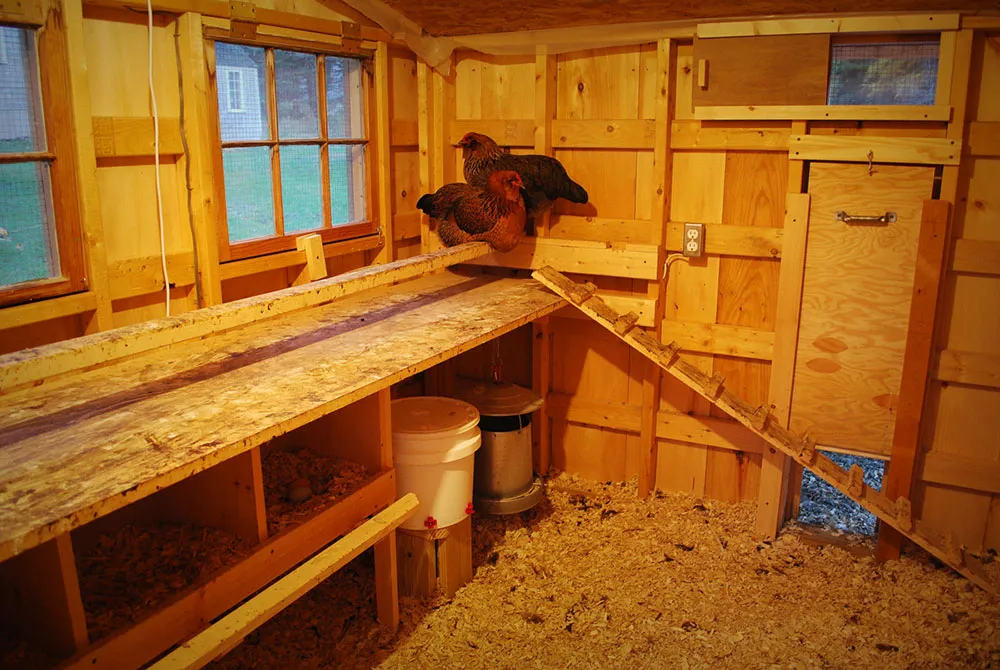
Planning Your Chicken Coop Interior
Creating a comfortable and functional inside chicken coop is crucial for the health, happiness, and productivity of your flock. Proper planning ensures your chickens have everything they need, from adequate space and ventilation to comfortable roosting areas and secure nesting boxes. Before building or modifying your coop, consider several key factors to create an optimal environment for your chickens. This guide will walk you through the essential aspects of designing the perfect interior, ensuring a thriving and enjoyable experience for both you and your feathered friends. The goal is to create a space that’s easy to maintain, protects your birds, and encourages healthy behaviors.
Determining Coop Size Based on Flock Size
The size of your chicken coop directly impacts the well-being of your chickens. Overcrowding can lead to stress, increased aggression, and the spread of diseases. Conversely, providing ample space promotes healthier birds and better egg production. Begin by estimating the number of chickens you plan to house. Then, determine the square footage necessary per bird, considering both indoor and outdoor space. This is often the most critical step in planning, as it sets the foundation for everything else inside the coop.
Calculating Space Per Bird

A general guideline suggests providing at least 4 square feet of floor space per chicken inside the coop. For larger breeds, you might want to increase this to 5 or even 6 square feet per bird. This allows chickens to move freely, preventing them from feeling cramped. It also minimizes the chance of bullying and gives each bird a place to escape to if necessary. Consider the breed of your chickens, as larger breeds need more room. Providing too little space is one of the most common mistakes new chicken keepers make.
Considering Roosting Space
Roosts are essential for chickens, as they provide a safe and comfortable place to sleep. Ensure you allocate enough roosting space for each chicken. The ideal length of roosting space is typically 8 to 12 inches per bird, though this can vary based on breed. If your coop is small, consider tiered roosts to maximize space. Proper roost placement, away from drafts and direct sunlight, is vital for the chickens’ health and well-being. Adequate roosting space prevents the chickens from having to compete for a place to sleep, reducing stress.
Nesting Box Requirements
Provide one nesting box for every 3-4 hens. The ideal dimensions for a nesting box are around 12x12 inches, but they can vary based on breed. Place nesting boxes in a quiet, dark area of the coop to encourage egg-laying. They should be easily accessible for the hens and easy to clean. Ensure that the entrance to the nesting box is positioned for easy entry and exit. The location of the nesting boxes plays a significant role in encouraging healthy egg production and happy hens. Proper nesting boxes will reduce stress and improve egg quality.
Essential Components for the Coop Interior

Once you have determined the size and layout of your coop, focus on the essential components that make the coop functional and comfortable. These include the flooring, ventilation, and lighting systems, all of which contribute to the health and safety of your flock. The choice of each component influences both the ease of maintaining the coop and the well-being of the chickens. A well-designed coop interior will minimize the risk of disease, improve air quality, and enhance egg production.
Choosing the Right Flooring
The flooring of your coop should be durable, easy to clean, and resistant to moisture. This is crucial for maintaining a healthy environment. The flooring choice affects the overall cleanliness of the coop and the health of your chickens. Proper flooring is a cornerstone of good coop hygiene. There are several flooring options to consider, each with its own set of advantages and drawbacks. The best flooring choice can significantly improve the cleanliness of your coop.
Pros and Cons of Different Flooring Materials
Wood is a popular option due to its affordability and ease of installation, but it can be difficult to clean and absorbs moisture, leading to bacterial growth. Concrete is extremely durable and easy to clean, making it a hygienic choice. However, it can be cold, and condensation can be an issue. Rubber mats are also a viable option; they are non-slip, easy to clean, and provide insulation, but they can be expensive. Consider the climate where you live. A properly chosen flooring material will help to prevent the buildup of harmful bacteria and fungi and can save you time cleaning.
Installing Ventilation Systems

Adequate ventilation is essential to remove ammonia buildup, moisture, and heat, all of which can be detrimental to chicken health. Proper ventilation helps prevent respiratory illnesses, keeps the coop dry, and reduces the risk of disease. Without proper airflow, chickens can experience severe health problems. There are several methods to achieve proper ventilation, ranging from simple natural techniques to more sophisticated mechanical systems.
Natural Ventilation Techniques
Natural ventilation relies on the principles of air movement. Strategically placed vents, such as those near the roofline and lower down near the floor, can create a cross-breeze, allowing for the removal of stale air and the introduction of fresh air. Proper placement is key to prevent drafts while ensuring good airflow. Consider the prevailing winds and the location of the coop to optimize ventilation. Make sure to use screen mesh to prevent predators.
Mechanical Ventilation Options
For larger coops or in areas with extreme weather conditions, mechanical ventilation systems, such as exhaust fans, may be necessary. These fans can effectively circulate air and remove moisture, ammonia, and heat. Ensure the fan is sized appropriately for the coop’s volume. The use of a fan and proper placement of the fan are crucial to ensure efficient and uniform ventilation. These systems can be combined with automatic timers and thermostats to provide consistent climate control throughout the year, helping your flock stay healthy year-round.
Providing Adequate Lighting

Lighting plays a crucial role in egg production. Chickens require a specific amount of light each day to stimulate egg-laying. The type and duration of light you provide affect your hens’ overall health and productivity. Incorrect lighting can lead to a drop in egg production or even health problems. Choosing the right lighting solution will significantly affect the health of your chickens and how often they lay eggs.
Types of Lighting for Chickens
Incandescent bulbs are an affordable option, but they produce a significant amount of heat. Compact fluorescent lights (CFLs) are more energy-efficient and produce less heat. LED lights are the most energy-efficient and last much longer than other options. LED lights are also better at mimicking natural light, which is important for chickens’ health. Consider the energy efficiency and the amount of heat the bulbs produce when selecting lighting for your coop.
Placement and Duration of Lighting
Place lights strategically throughout the coop to provide even illumination. Avoid bright lights directly over nesting boxes. Chickens need around 14-16 hours of light per day to maintain optimal egg production. Use a timer to control the lights and provide a consistent light schedule. Ensure that the lights do not disrupt the chickens’ sleep. Provide a gradual transition at dawn and dusk to reduce stress.
Setting Up Roosts and Nesting Boxes

Roosts and nesting boxes are essential elements of a comfortable and productive coop. The design and placement of these features significantly affect chicken behavior and health. Properly designed roosts and nesting boxes provide a safe and secure environment that encourages laying and restful sleep. Investing time in creating comfortable roosts and nesting boxes is key to the overall success of your backyard chicken operation.
Designing Comfortable Roosts
Roosts should be placed high enough off the ground to provide a sense of security, away from drafts and direct sunlight. Consider the height of your coop when deciding where to place the roosts. Roosts are where chickens sleep, so comfort is essential. Provide enough roosting space so that all the birds can comfortably perch without overcrowding. Comfortable roosts are critical for minimizing stress, especially in the winter.
Materials and Dimensions for Roosts
Use smooth, rounded wood for roosts to prevent foot problems. The ideal width is around 2 inches to allow chickens to wrap their feet comfortably around the perch. Avoid using metal or rough materials. Ensure that the roosts are securely attached to the coop structure. Well-constructed roosts will help your chickens feel safe, helping them to sleep soundly. Clean roosts regularly to prevent the buildup of droppings.
Creating Appealing Nesting Boxes

Nesting boxes should be designed to attract hens and encourage egg-laying. Creating a comfortable and private space can significantly impact egg production. Making the nest boxes secure is also an important aspect. The right nesting box design will also make egg collection easier. A well-designed nesting box will encourage your chickens to use them. Well-designed nesting boxes are crucial for maintaining the health of your chickens and preventing problems such as egg eating and laying eggs in random places.
Nesting Box Dimensions and Placement
Place nesting boxes in a quiet, dimly lit area of the coop. The standard dimensions are around 12x12x12 inches, but adjust based on breed. Provide one box for every 3-4 hens. Ensure easy access to collect eggs without disturbing the hens. Place the nesting boxes away from direct sunlight and drafts. The location, along with the size of the boxes, will help the hens feel safe and comfortable.
Choosing Nesting Box Bedding
Select soft, absorbent bedding for your nesting boxes, such as straw, wood shavings, or shredded paper. Avoid materials that can harbor mites or bacteria. Regularly replace the bedding to maintain cleanliness. Bedding will keep the eggs clean and provide cushioning. Clean bedding will also help make the nests more comfortable for your hens. Good bedding choices and frequent changes are key to reducing the possibility of pests and diseases.
Feeding and Watering Systems
Providing easy access to food and water is essential for your chickens’ health and well-being. The design and placement of feeders and waterers should minimize waste, prevent contamination, and ensure that all birds can access these resources. Correct feeding and watering setups will reduce health issues. Consider several factors when deciding on feeders and waterers, as each choice impacts the chickens’ overall health and productivity.
Selecting the Right Feeders
Choose feeders that are appropriate for the number and age of your chickens. Consider feeders made of durable materials like metal or plastic. The type of feeder you choose will impact the health of your chickens. The right feeder will also cut down on wasted feed. Various feeder designs offer distinct advantages, such as reducing feed waste and preventing contamination.
Feeder Types and Placement
Trough feeders are a popular choice for adult chickens. They allow multiple birds to eat simultaneously. Hanging feeders minimize feed waste and keep the feed clean. Place feeders inside the coop, away from nesting boxes and the areas where chickens roost. Ensure feeders are accessible to all chickens, but not in areas where they can be easily contaminated with droppings. The correct placement will help keep the feed clean and safe, helping the chickens thrive.
Choosing Watering Systems
Fresh, clean water is essential for chickens’ health, growth, and egg production. Selecting the right waterer is critical. The right waterer will also cut down on water waste. A proper watering system will help make sure your chickens are properly hydrated. Consider the type of waterer, ease of cleaning, and the amount of water your flock needs. Regular maintenance and cleaning are essential.
Waterer Types and Maintenance
Gravity waterers are a simple and affordable option. Nipple waterers are a clean and efficient way to provide water, reducing waste and contamination. Place waterers in a shaded area to prevent the water from overheating. Clean and refill the waterers regularly to prevent algae growth and keep the water fresh. Proper placement and regular cleaning ensure that your chickens have access to clean water at all times.
Maintaining a Clean and Healthy Coop Environment
Maintaining a clean and healthy coop is vital for preventing diseases and ensuring the well-being of your flock. A clean coop will also lead to more eggs. Routine cleaning, pest control, and regular health checks will help you keep your chickens in top condition. Implementing a comprehensive cleaning schedule will greatly reduce the risk of disease and create a better environment for your chickens.
Regular Cleaning and Disinfection
Establish a regular cleaning schedule that includes daily, weekly, and seasonal tasks. Daily tasks include removing droppings, cleaning up spills, and checking water and food supplies. Weekly cleaning includes removing soiled bedding and wiping down surfaces. Seasonal cleaning involves a deep clean, including removing all bedding, scrubbing the coop, and disinfecting surfaces. Following a regular cleaning schedule will greatly reduce the risk of disease.
Cleaning Schedules and Procedures
When cleaning, start by removing all bedding and droppings. Scrub the floor, walls, and roosts with a poultry-safe disinfectant. Rinse thoroughly and allow the coop to dry completely before adding fresh bedding. Dispose of waste properly. Use a cleaning schedule and stick to it for optimum results. It is a simple and effective way to keep your chickens healthy. This consistent cleaning is crucial for preventing disease.
Managing Pest and Parasites
Pests and parasites can cause significant health problems for chickens. Implementing preventive measures and regularly inspecting your flock will help you keep these problems at bay. Regularly inspect your chickens and coop for signs of pests. Controlling pests and parasites is an essential part of responsible chicken care. Early detection and effective control methods are key to preventing infestations and maintaining a healthy flock.
Common Coop Pests and Prevention
Common coop pests include mites, lice, and rodents. Preventative measures include using diatomaceous earth, maintaining a clean coop, and sealing any cracks or holes. Ensure good ventilation to deter pests and parasites. Regular inspections, preventative measures, and prompt treatment are essential to minimizing the impact of these pests. Keep the coop clean to prevent pests. The use of natural pest control methods will help you maintain a healthy flock and coop.
Signs of Parasites and Treatment
Signs of parasites include lethargy, feather loss, and reduced egg production. Check your chickens and coop regularly. If you suspect a parasite infestation, consult with a veterinarian. Provide appropriate treatment, such as medicated dusts or sprays. Early detection and treatment are crucial for successful control. Consult a vet if you find your chickens have parasites. Prompt treatment will restore the health and well-being of your chickens.
In conclusion, creating the ideal inside chicken coop involves careful planning and execution. By focusing on space, essential components, and hygiene, you can create a safe, comfortable, and productive environment for your chickens. Regular maintenance, combined with a keen eye for detail, will help you enjoy healthy, happy hens and a bountiful supply of fresh eggs for years to come.