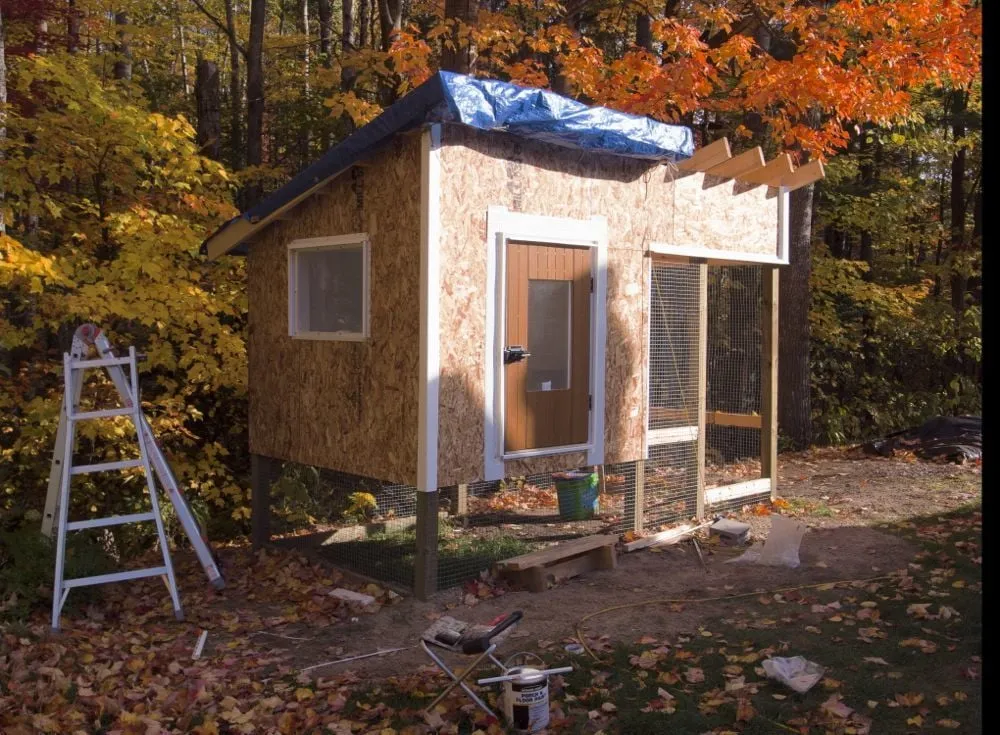
What is an Insulated Chicken Coop?
An insulated chicken coop is a carefully designed structure that provides a comfortable and stable environment for your chickens, regardless of the external weather conditions. Unlike a basic coop, an insulated coop incorporates materials specifically chosen to regulate temperature. This means keeping the coop warmer in the winter and cooler in the summer. Insulation acts as a barrier, preventing heat transfer between the inside and outside of the coop. This helps chickens maintain their body temperature, which is crucial for their health and egg-laying productivity. Furthermore, a well-insulated coop can also help to reduce condensation and moisture buildup, leading to a healthier living space for your flock and reduced maintenance for you. Building or purchasing an insulated chicken coop is a significant investment in your chickens’ wellbeing, ensuring they thrive year-round.
The Importance of Insulation for Chicken Coops
Insulation plays a vital role in creating a healthy and productive environment for chickens. Chickens, while adaptable, are susceptible to extreme temperatures. In winter, cold temperatures can reduce egg production and increase the risk of frostbite, while in summer, excessive heat can lead to heatstroke and even death. Insulation minimizes these risks by buffering the coop against external temperatures. It helps to maintain a more consistent internal temperature, allowing chickens to conserve energy and remain comfortable. Furthermore, proper insulation can help to reduce drafts, which can be particularly harmful during cold weather. By creating a more stable and comfortable environment, insulation contributes to the overall health, productivity, and longevity of your flock. The benefits of insulation extend beyond the chickens’ health; it can also reduce the amount of supplemental heating or cooling needed, saving you money on energy bills.
Benefits of an Insulated Chicken Coop

The benefits of an insulated chicken coop are numerous, extending far beyond just temperature regulation. Firstly, it significantly enhances the comfort and wellbeing of your chickens, allowing them to thrive in all seasons. Chickens are less stressed, leading to better egg production and overall health. Secondly, it reduces energy costs. By minimizing the need for supplemental heating in winter and cooling in summer, you save on electricity or other energy sources. This is both economical and environmentally friendly. Thirdly, an insulated coop helps to prevent moisture buildup, reducing the risk of respiratory illnesses and other health problems. It also protects the coop structure from rot and decay. Fourthly, insulation provides a more stable internal environment, which is crucial for maintaining a healthy flock, particularly in extreme weather conditions. Finally, an insulated coop is a long-term investment that protects your chickens and your investment, offering peace of mind knowing they’re safe and comfortable.
Types of Insulation Materials for Chicken Coops
Choosing the right insulation material is a critical step in building an effective insulated chicken coop. Several options are available, each with its own characteristics, costs, and benefits. The most common types include fiberglass, foam board (rigid foam), spray foam, and natural options like sheep’s wool or recycled denim. Selecting the right material depends on factors such as climate, budget, ease of installation, and environmental considerations. It’s essential to research and compare the R-values (a measure of insulation’s resistance to heat flow) of different materials to determine the best fit for your specific needs. Proper insulation should be non-toxic, moisture-resistant, and safe for chickens. Consider the long-term maintenance requirements and the potential for pests when making your final decision. Proper insulation is a key factor in creating a healthy and sustainable environment for your flock.
Common Insulation Materials
Several insulation materials are commonly used in chicken coops. Fiberglass is a popular choice due to its affordability and effectiveness. It is often installed as batts or rolls between the studs and rafters of the coop. However, it requires careful handling to avoid skin irritation and may not be ideal in damp environments. Foam board insulation, such as polystyrene or polyurethane, provides excellent thermal resistance and is relatively easy to install. It is available in various thicknesses and can be cut to fit the coop’s structure. Spray foam insulation offers a seamless insulation barrier, sealing gaps and cracks to prevent air leaks. It provides high R-values and can be applied to irregularly shaped surfaces. Natural insulation options include sheep’s wool and recycled denim, which are eco-friendly choices that offer good insulation properties and are often less prone to moisture issues.
Pros and Cons of Each Material

Each insulation material has its own set of advantages and disadvantages. Fiberglass is cost-effective and readily available, but it can be irritating to work with and may lose its effectiveness if it gets wet. Foam board is durable and easy to install, providing good insulation value, but it can be more expensive than fiberglass. Spray foam offers excellent sealing capabilities and high R-values, but it can be more expensive and requires professional installation. Natural insulation materials like sheep’s wool and recycled denim are environmentally friendly and offer good moisture management, but they can be more expensive and may require more careful installation to ensure proper coverage and prevent pest infestations. When choosing, consider factors like budget, ease of installation, climate, and the long-term maintenance requirements to make the best decision for your coop.
Insulation Installation Guide
Proper installation is as crucial as choosing the right insulation material. A well-installed insulation system maximizes its effectiveness, creating a comfortable and energy-efficient coop. Before beginning, thoroughly plan your installation, taking accurate measurements and ensuring you have all necessary materials and tools. Safety should always be a priority, especially when working with insulation materials. Wear appropriate personal protective equipment (PPE), such as gloves, eye protection, and a dust mask. Proper installation techniques vary depending on the insulation type, so carefully follow the manufacturer’s instructions. Seal all gaps and cracks to prevent air leaks. Proper installation ensures the insulation functions effectively, providing optimal temperature regulation and protection for your chickens year-round.
Preparing the Coop for Insulation
Before installing insulation, proper preparation is essential. First, inspect the coop for any existing damage, such as rot or structural issues, and make necessary repairs. Next, clean the coop thoroughly, removing any dirt, debris, or nesting materials. Seal any cracks or gaps in the walls, roof, and floor to prevent air leaks, using caulk or weatherstripping. This step is crucial for maximizing the efficiency of your insulation. Measure the areas to be insulated accurately and calculate the amount of insulation required. Gather all necessary tools and materials, including safety gear, a utility knife, measuring tape, staples, and any specific tools required for your chosen insulation material. By taking the time to prepare the coop correctly, you’ll ensure a smooth and effective insulation installation, providing long-term benefits for your chickens and your energy bill.
Installing Insulation in Walls and Roof

The process of installing insulation in walls and the roof depends on the chosen material. For fiberglass batts or rolls, cut the insulation to fit snugly between the studs and rafters, ensuring it fills the entire space without gaps. Use staples or nails to secure the insulation in place, following the manufacturer’s instructions. When using foam board, cut the boards to fit and attach them to the walls and roof using adhesive or mechanical fasteners. For spray foam insulation, you’ll typically need to hire a professional, who will apply the foam evenly, filling all gaps and cracks. Ensure that the insulation completely covers the surfaces, creating a continuous barrier. Pay attention to detail, particularly around windows, doors, and other openings, to minimize air leaks. Proper installation in the walls and roof is critical for regulating the coop’s temperature and protecting your chickens from the elements.
Insulating the Floor and Ventilation
Insulating the floor and ensuring proper ventilation are equally important for a well-insulated chicken coop. Insulating the floor helps to prevent heat loss to the ground, especially in cold climates. You can use foam board, or other suitable insulation materials. Cut the insulation to fit the floor space and secure it in place. Ventilation is crucial for removing moisture and preventing the buildup of ammonia from chicken waste. Proper ventilation helps regulate temperature, remove odors, and prevent respiratory issues. Install vents near the roofline to allow warm, moist air to escape, and provide vents near the floor to draw in fresh air. Ensure the ventilation system doesn’t create drafts directly on the chickens. A balance between insulation and ventilation is vital for maintaining a healthy and comfortable environment for your flock.
Ventilation and Airflow in Your Coop
Proper ventilation is essential for maintaining a healthy environment inside an insulated chicken coop. It’s not just about temperature regulation; it’s also about air quality. Chickens produce a lot of moisture and ammonia from their droppings, which can lead to respiratory problems and other health issues. Proper ventilation helps to remove these harmful elements, while also controlling the temperature and humidity within the coop. A well-ventilated coop ensures a constant flow of fresh air, which is vital for the chickens’ respiratory health and overall wellbeing. Poor ventilation can quickly create a damp, unhealthy environment, leading to a host of problems for your flock. A well-designed ventilation system working in conjunction with insulation is a key factor in creating an optimal environment for your chickens.
Importance of Ventilation

The importance of ventilation in an insulated chicken coop cannot be overstated. Ventilation helps to remove excess moisture, which can lead to mold, mildew, and the growth of harmful bacteria. It also helps to control the buildup of ammonia, a toxic gas produced by chicken droppings. High levels of ammonia can cause respiratory problems, eye irritation, and other health issues for your chickens. Proper ventilation ensures a constant supply of fresh air, which dilutes and removes these harmful substances. This creates a healthier environment, reducing the risk of disease and improving the overall wellbeing of your flock. Ventilation also plays a crucial role in regulating the temperature and humidity inside the coop. A well-ventilated coop will be cooler in the summer and drier in the winter, contributing significantly to your chickens’ comfort and health.
Designing Ventilation Systems
Designing an effective ventilation system involves considering several factors. The primary goal is to create a continuous flow of fresh air throughout the coop. This is typically achieved by placing vents strategically. The optimal system will have both high and low vents. High vents allow warm, moist air to escape, while low vents draw in fresh, cool air. The placement of vents is crucial, ensuring they don’t create drafts that could chill the chickens, especially during winter. The size and number of vents will depend on the size of the coop and the number of chickens. Some coops use a combination of passive and active ventilation systems. Passive systems rely on natural airflow, while active systems, such as fans, provide additional airflow. A well-designed ventilation system, combined with proper insulation, ensures your chickens enjoy a healthy, comfortable living environment year-round. When building or modifying the coop, focus on providing an airflow that will create a healthy environment for your flock.
Maintaining Your Insulated Coop
Regular maintenance is essential for ensuring your insulated chicken coop remains effective and provides a healthy environment for your chickens. This involves a combination of routine inspections, regular cleaning, and prompt repairs. By taking these steps, you can ensure the longevity of your coop and protect your chickens from the elements and health hazards. A well-maintained coop not only provides a comfortable environment but also helps to prevent the buildup of diseases and other issues that can negatively affect your flock. Consistent upkeep is vital for the health and wellbeing of your chickens, and a reflection of a responsible chicken keeper.
Regular Inspections

Regular inspections are a crucial part of maintaining your insulated chicken coop. Perform a thorough inspection at least monthly, or more frequently during extreme weather conditions. Check for any signs of damage, such as cracks, leaks, or wear and tear on the insulation. Inspect the ventilation system, ensuring vents are clear of obstructions and functioning properly. Look for any signs of moisture buildup, which could indicate a ventilation problem or a leak. Check for signs of pests, such as rodents or insects, and take appropriate measures to control them. During winter, pay close attention to the insulation for any signs of compression or damage. By regularly inspecting your coop, you can identify potential problems early, preventing them from escalating and ensuring the longevity of your coop and the health of your flock.
Cleaning and Maintenance Tips
Regular cleaning is a fundamental part of maintaining an insulated chicken coop. Remove droppings, soiled bedding, and any other waste materials at least weekly, or more often if necessary. Clean the coop’s interior with a safe disinfectant solution, paying attention to areas where chickens spend the most time, such as roosting bars and nesting boxes. Replace the bedding regularly to keep the coop clean and dry, using materials like straw, wood shavings, or other absorbent options. Address any repairs promptly, such as sealing leaks, repairing damaged insulation, or fixing any structural issues. In addition to cleaning and repairs, ensure that your chickens have access to fresh water and food. A clean and well-maintained coop is essential for the health and wellbeing of your chickens, helping to prevent diseases and other health issues.