Common Chicken Coop Insulation Mistakes
Insulating a chicken coop is a crucial step in ensuring the health and well-being of your flock, especially during extreme weather conditions. However, many chicken keepers make mistakes that can undermine the effectiveness of their insulation efforts. These errors not only compromise the comfort of your chickens but can also lead to moisture problems, pest infestations, and increased energy costs. Understanding these common pitfalls is the first step in creating a safe, comfortable, and energy-efficient coop. Avoiding these mistakes will help you create a healthier environment for your chickens and extend the life of your coop.
Choosing the Wrong Insulation Material
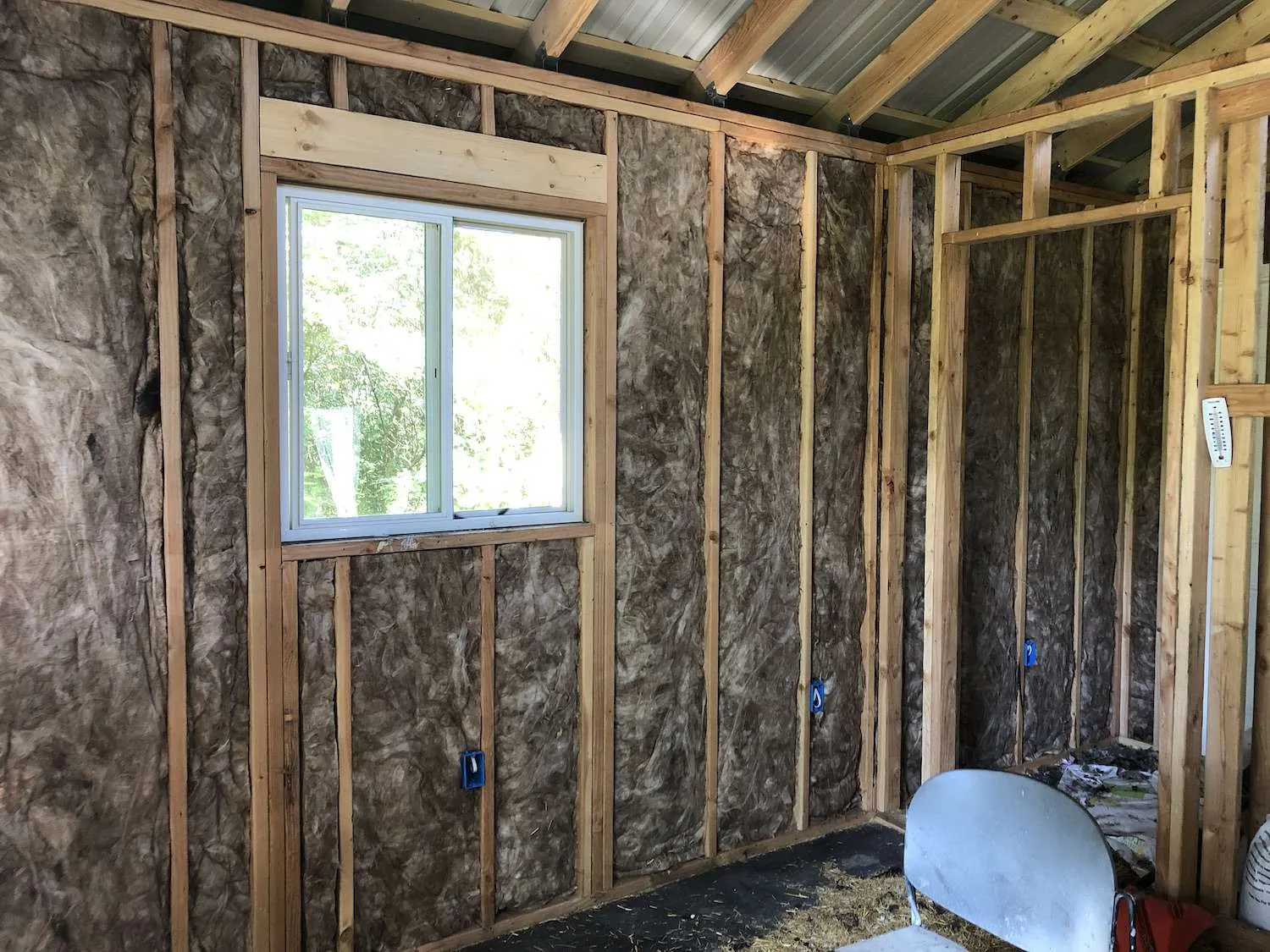
One of the most frequent blunders is selecting the wrong type of insulation. Not all insulation materials are suitable for chicken coops. Some materials can trap moisture, promoting mold growth and creating an unhealthy environment. Others may be easily accessible to rodents or become a nesting site for pests. Using materials like fiberglass without proper protection can also pose health risks to both the chickens and the coop owner. Choosing the correct insulation material is a cornerstone of effective coop insulation; this depends on your climate. Consider options like rigid foam board, spray foam, or even natural options like sheep’s wool or recycled denim, ensuring they are safe, durable, and resistant to pests and moisture.
Improper Ventilation

Effective ventilation is just as important as insulation, and overlooking this aspect can negate the benefits of your insulation efforts. Without proper airflow, moisture from the chickens’ droppings, respiration, and water sources builds up inside the coop. This excess moisture can lead to mold, mildew, and the deterioration of the coop structure. Proper ventilation involves strategic placement of vents to allow for the exchange of air, removing moisture and stale air while preventing drafts directly on the chickens. Natural ventilation methods, like using a ridge vent and soffit vents, are often the most effective and energy-efficient solutions. Make sure the coop has the required number of air vents based on its size and the number of birds.
Lack of Vapor Barrier
A vapor barrier is a crucial component often missed during coop insulation. It prevents moisture from penetrating the insulation, which can significantly reduce its efficiency. When moisture enters the insulation, it decreases its R-value, reducing its ability to regulate temperature. Moreover, the presence of moisture within the insulation can lead to mold growth, rot, and a breeding ground for pests. The vapor barrier is typically installed on the warm side of the insulation, preventing moisture from condensing within the insulation material. Ensure that the vapor barrier is properly sealed to prevent any moisture leaks. This step is often overlooked, leading to several issues down the road.
Insufficient Insulation Thickness
Using too little insulation is a common mistake that undermines the effectiveness of your insulation efforts. The R-value (a measure of thermal resistance) of your insulation determines how well it prevents heat transfer. In colder climates, a higher R-value is necessary to maintain a comfortable temperature inside the coop during winter. Failing to install enough insulation, either due to cost-cutting or lack of knowledge, will result in a coop that is still susceptible to temperature fluctuations. Always calculate the required R-value based on your local climate and the coop’s construction. Consider the recommended insulation thickness for your area to ensure adequate thermal protection for your chickens. This protects your flock from extreme cold and heat waves.
Ignoring Coop Size and Climate
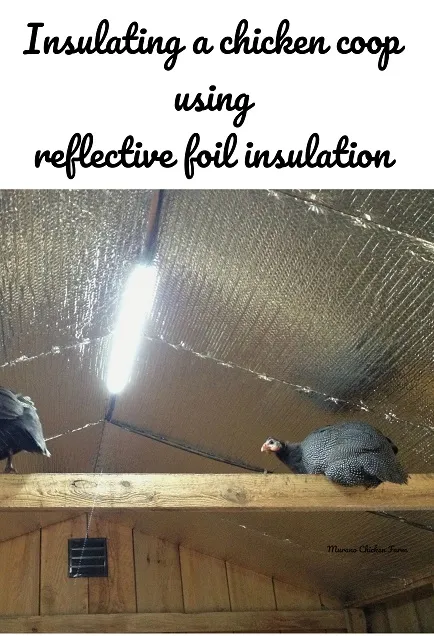
Insulation needs vary depending on the size of the coop and the local climate. A coop in a cold climate will require more insulation than one in a warmer region. Similarly, a larger coop will need more insulation than a smaller one to maintain consistent temperatures. Ignoring these factors can lead to inefficient insulation, resulting in temperature imbalances that can stress your chickens. When planning your insulation project, research your area’s average temperatures and consider how they impact the coop’s design and materials. Choosing the proper materials and methods, based on climate, is very important. Also, remember that the number of chickens you have will also affect the coop’s heating requirements.
How to Avoid Insulation Mistakes
Research and Planning
Before you begin insulating your chicken coop, thorough research and planning are essential. Determine the specific needs of your chickens and your local climate. Consider the size of your coop, the materials used in its construction, and the number of chickens you house. Research the best insulation materials for your area, considering factors like R-value, moisture resistance, and pest control. Create a detailed plan, including a budget, a list of materials, and a step-by-step guide. This proactive approach will help you avoid costly mistakes and ensure your project is successful. Planning helps prevent errors and allows you to make informed decisions based on the unique requirements of your setup.
Material Selection Based on Climate

The climate you live in should dictate the type of insulation materials you choose. For areas with harsh winters, opt for materials with high R-values, like rigid foam boards or spray foam. These materials provide excellent thermal resistance, keeping the coop warm. In humid climates, select moisture-resistant materials to prevent mold growth. Consider the material’s ability to withstand pests, such as rodents and insects. Always prioritize safety and durability when making your selection, ensuring that the materials are non-toxic and suitable for an environment where chickens will be living. Also, research local building codes to make sure your choices comply with regulations.
Proper Ventilation Techniques
To ensure good air quality and moisture control, implementing proper ventilation techniques is very important. Install vents strategically to allow for air circulation while preventing drafts. Consider using a ridge vent or soffit vents to facilitate natural airflow. Ensure that the vents are properly screened to prevent pests from entering the coop. Ventilation helps to remove moisture, ammonia, and stale air, thus promoting a healthier environment for your chickens. Regular inspection and maintenance of the ventilation system are important to maintain efficiency. The right ventilation protects both the structure of your coop and the well-being of your flock.
Vapor Barrier Installation Guide
Proper installation of a vapor barrier is essential to the success of your insulation project. Install the vapor barrier on the warm side of your insulation, typically the interior side of the coop walls. Make sure the barrier is continuous and properly sealed to prevent any moisture leaks. Use a tape specifically designed for vapor barrier applications to seal seams and around any penetrations, like windows or doors. This will prevent moisture from getting into your insulation, thus protecting its efficiency and preventing mold and structural damage. Check for any tears or damage and promptly repair them to ensure the barrier’s effectiveness.
Insulation Thickness Calculations

Calculating the correct insulation thickness is crucial for maintaining stable temperatures. Consult local building codes and recommendations for your climate to determine the required R-value for your coop. Use an insulation calculator to help you determine the appropriate thickness, considering the R-value of the materials you have chosen. Remember that the more insulation, the better your coop will perform in terms of temperature regulation. When in doubt, it is often better to err on the side of more insulation rather than less. This ensures your chickens are protected from extreme weather conditions.
Conclusion
Insulating a chicken coop effectively involves avoiding common mistakes and following best practices. By carefully selecting materials, ensuring proper ventilation, installing vapor barriers, and calculating the correct insulation thickness, you can create a comfortable, healthy environment for your chickens. Remember to research your local climate and building codes, plan your project thoroughly, and address potential issues proactively. A well-insulated coop will not only protect your flock from the elements but also extend the life of your coop and reduce energy costs. Ultimately, investing time and effort into a well-insulated coop is a worthy endeavor that benefits both you and your chickens.