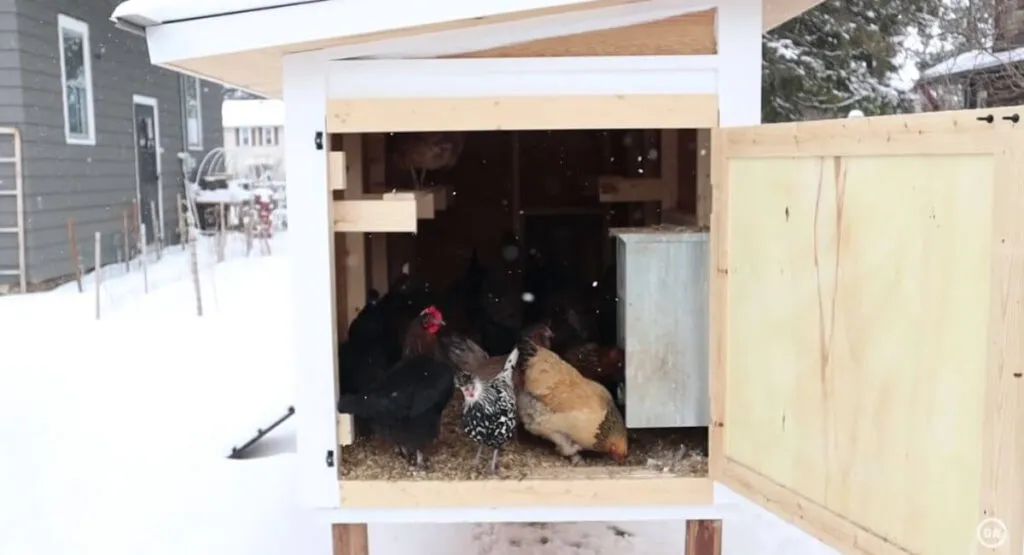
Why Insulating Your Chicken Coop Matters
Insulating your chicken coop is a critical step for ensuring the health, comfort, and productivity of your flock. Chickens, like all living creatures, are susceptible to the extremes of weather. Proper insulation helps regulate the coop’s internal temperature, protecting your birds from both the scorching heat of summer and the biting cold of winter. This not only improves their well-being but also helps maintain egg production, which can be significantly affected by environmental stress. Furthermore, insulation helps manage moisture, preventing the buildup of ammonia and reducing the risk of respiratory illnesses, ultimately creating a healthier environment for your chickens and making coop maintenance easier. Choosing the right materials and methods for your coop will make a difference.
Benefits of a Well-Insulated Coop
The advantages of a well-insulated chicken coop are numerous. First and foremost is the protection against extreme temperatures. Insulation acts as a barrier, slowing the transfer of heat. In winter, it prevents valuable warmth generated by the chickens from escaping, while in summer, it blocks the sun’s heat from entering. This temperature regulation helps maintain consistent egg production and reduces stress on your birds. Additionally, insulation contributes to improved air quality by minimizing condensation and reducing moisture buildup. This minimizes the growth of mold and mildew, which can cause respiratory problems. Finally, it lowers energy costs if you use supplemental heating or cooling, and can extend the lifespan of the coop itself by protecting the structure from the elements.
Protecting Chickens from Extreme Temperatures
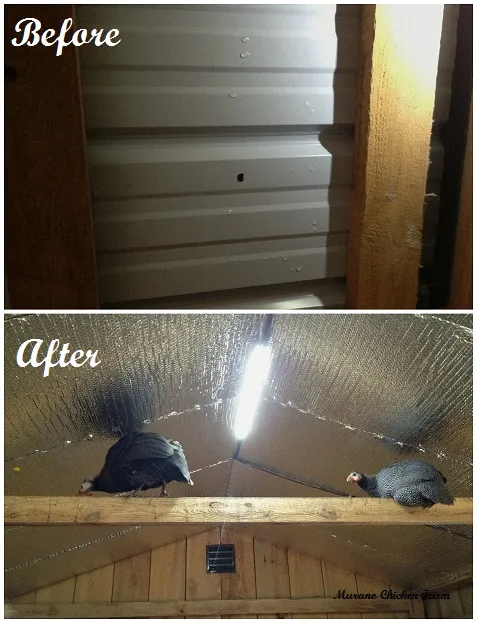
Chickens are surprisingly resilient, but they are vulnerable to extreme temperatures. In the winter, freezing temperatures can lead to frostbite, particularly on combs, wattles, and feet. In the summer, heat stress can be deadly. Proper coop insulation helps buffer these extremes. It’s important to combine insulation with other strategies such as ventilation and providing shade. By keeping the coop within a more stable temperature range, you ensure your chickens’ physical comfort, and their overall health. Monitoring the coop’s internal temperature and providing ample water and shade in summer and protection from drafts in winter are crucial aspects of protecting your flock.
Understanding Insulation Materials
Selecting the right insulation material is crucial for the effectiveness of your chicken coop insulation project. Different materials offer varying levels of insulation (R-value), moisture resistance, and ease of installation. You’ll need to consider factors like climate, budget, and the coop’s construction. It’s important to choose a material that is safe for chickens. Materials that contain harmful chemicals or are easily pecked apart by the chickens must be avoided. Researching different materials, comparing their properties, and understanding the needs of your chickens will help you select the best insulation for your coop and climate.
Choosing the Right Insulation Material
When choosing insulation, prioritize safety, effectiveness, and ease of installation. Consider your climate and the coop’s design. Materials with a high R-value (a measure of insulation effectiveness) are generally preferred, especially in colder climates. Moisture resistance is also crucial to prevent mold growth and maintain insulation performance. Non-toxic materials are essential to protect your chickens from harmful chemicals. Think about the coop’s ventilation, as some insulation types can trap moisture if not properly ventilated. By carefully assessing these factors, you can select the insulation that best suits your needs and ensures a comfortable and healthy environment for your chickens.
Fiberglass Insulation
Fiberglass is a common and relatively affordable insulation material. It comes in batts or rolls and is often easy to install. However, it’s important to note that fiberglass can irritate the skin and lungs, so protective gear is essential during installation. Moreover, fiberglass can absorb moisture if not protected, which can reduce its effectiveness and potentially lead to mold growth. For these reasons, fiberglass is best used in coops with good ventilation and where it can be protected from direct contact with the chickens.
Foam Board Insulation
Foam board insulation, such as expanded polystyrene (EPS) or extruded polystyrene (XPS), offers good insulation value and is relatively easy to work with. It comes in rigid sheets that can be cut to fit the coop’s walls, roof, and floor. Foam board is moisture-resistant and can provide a good thermal barrier. However, it can be more expensive than fiberglass, and some types can be susceptible to damage from chickens pecking or scratching at it. It is crucial to protect the edges of the foam board and consider its placement in the coop to prevent chickens from accessing and potentially ingesting the material.
Spray Foam Insulation
Spray foam insulation provides an excellent air seal and high R-value, making it an effective choice for coop insulation. It fills gaps and crevices, preventing drafts and improving overall energy efficiency. However, spray foam installation can be more complex and often requires professional application, which can increase the cost. Furthermore, it is important to use a non-toxic spray foam formula that is safe for chickens. Ensure adequate ventilation during and after application, as the fumes can be harmful. While spray foam offers excellent thermal performance, its higher cost and installation complexity might make it less practical for some DIY projects.
Natural Insulation Options

If you prefer natural and sustainable options, several choices are available. Natural insulation materials can be readily available, eco-friendly, and safe for your chickens. These materials often offer good insulation properties while promoting a healthier coop environment. Consider the durability and moisture resistance of natural materials and how they might fit into your coop’s overall design and maintenance needs.
Straw
Straw is a readily available and cost-effective option. It provides good insulation and can absorb moisture. However, straw can also attract pests and may need frequent replacement. Use dry straw, and pack it tightly to maximize its insulating properties. Be sure to monitor for any signs of dampness or pest infestation, and replace the straw as needed to maintain a clean and healthy environment for your chickens. While affordable and natural, straw requires more upkeep than some other insulation options.
Wood Shavings
Wood shavings, especially those made from softwood, offer decent insulation and are generally safe for chickens. They absorb moisture and help control odors. Use only clean, untreated wood shavings to avoid any exposure to harmful chemicals. Wood shavings are commonly used as bedding, making them a practical choice. Regular cleaning and replacement are important to maintain a healthy coop environment. Consider the cost and availability of wood shavings in your area.
Preparing Your Coop for Insulation

Before installing insulation, proper preparation of the chicken coop is essential for optimal results. Preparation involves a thorough inspection of the coop’s structure, cleaning, and repair to ensure it is ready for insulation. Addressing any existing issues and making necessary improvements will help your insulation function effectively and increase the longevity of your coop. Proper preparation also enhances safety and minimizes potential problems such as moisture buildup or pest infestations. Plan ahead and allocate sufficient time to fully prepare the coop before installing your insulation.
Cleaning and Repairing the Coop Structure
Begin by thoroughly cleaning the coop, removing any debris, droppings, or old bedding. Wash down the surfaces with a suitable cleaner, ensuring that all traces of organic material are removed. Next, inspect the structure for any damage, such as cracks in the walls, roof leaks, or broken boards. Repair any structural problems before proceeding with insulation. Seal cracks and gaps to prevent drafts and moisture from entering. Addressing these issues will improve the effectiveness of the insulation and protect the coop’s structural integrity.
Sealing Cracks and Gaps
Air leaks can significantly reduce the efficiency of insulation. Use caulk, weather stripping, or expanding foam to seal any cracks or gaps in the coop’s structure. Pay close attention to areas around windows, doors, and where the walls meet the roof or floor. Sealing these gaps will not only reduce drafts but also prevent moisture from entering the coop, helping to maintain a more stable and comfortable environment for your chickens. Proper sealing is a crucial step in maximizing the benefits of your insulation efforts. Prioritize this step for optimal results.
Installing Insulation Step by Step

The process of installing insulation depends on the material you choose. However, some general steps apply to most installations. Always wear appropriate protective gear, including gloves, eye protection, and a dust mask, to avoid irritation from the insulation material. Prioritize safety and follow the manufacturer’s instructions carefully. Consider the type of insulation, the coop’s structure, and the specific recommendations for your chosen material. Careful and methodical installation ensures that the insulation performs as intended.
Cutting and Fitting Insulation
Precise cutting and fitting are crucial for effective insulation. Measure the spaces where the insulation will be installed and cut the material to the correct size. For batts or rolls, you may need to trim them to fit between studs or rafters. With foam board, use a utility knife or saw to cut it to the appropriate dimensions. Ensure a snug fit, but avoid compressing the insulation, as this can reduce its effectiveness. Carefully fit the insulation around any obstructions, such as pipes or electrical wiring, to maintain a continuous thermal barrier. Accuracy at this stage will greatly impact the insulation’s performance.
Securing the Insulation
Once the insulation is cut and fitted, secure it in place. For batts and rolls, you may need to use staples or adhesive to attach them to the framing. Foam board can be held in place with construction adhesive or mechanical fasteners. Ensure the insulation is flush with the framing and that there are no gaps or voids. For loose-fill insulation, such as cellulose or blown-in foam, follow the manufacturer’s instructions for proper application. Proper securing of the insulation is critical to ensure it remains in place and performs effectively over time. Check the manufacturer’s specifications for each insulation type.
Ventilation Considerations

While insulation is essential, adequate ventilation is equally important in a chicken coop. Proper ventilation helps remove moisture, ammonia, and stale air while providing fresh air for the chickens. Without adequate ventilation, moisture can build up, leading to mold growth and health problems. Balancing insulation and ventilation is key to maintaining a healthy and comfortable environment for your flock. Consider the climate, the size of your coop, and the number of chickens when designing your ventilation system.
Importance of Ventilation
Ventilation is critical for maintaining air quality and preventing moisture buildup in the coop. Moisture from the chickens’ droppings, breathing, and spilled water can quickly accumulate in an enclosed space. This moisture fosters the growth of mold and bacteria, leading to respiratory illnesses and other health issues. Proper ventilation removes this excess moisture and helps maintain fresh air circulation, reducing the risk of disease. Ventilation also removes harmful gases such as ammonia, which can irritate chickens’ respiratory systems. A well-ventilated coop is a healthy coop.
Balancing Insulation and Ventilation
Achieving the right balance between insulation and ventilation is key to a comfortable and healthy coop. The goal is to insulate the coop to retain heat in winter and keep it cooler in summer while still providing adequate ventilation. This often involves using a combination of insulation and strategically placed vents. Ensure that vents are located in areas that allow for good airflow without creating drafts directly on the chickens. It is helpful to include vents near the roof to allow warm, moist air to escape. Regularly monitor the coop’s interior for signs of excessive moisture or poor air quality and adjust your ventilation system as needed to maintain optimal conditions. Consider the climate in your area for the best results.
Maintaining Your Insulated Coop
Regular maintenance is essential to ensure that your insulated chicken coop continues to provide the benefits you expect. Regularly inspecting the coop for signs of damage, moisture issues, and pest infestations allows you to address problems promptly. Consistent maintenance will help prolong the life of the insulation and the coop structure and ensure that your chickens have a safe and comfortable environment. Schedule regular inspections and maintenance tasks to keep the coop in top condition.
Regular Inspections
Conducting regular inspections of your insulated chicken coop is the best way to identify potential problems before they escalate. Check the insulation for any signs of damage, such as compression, mold, or pest infestations. Inspect the coop’s structure for cracks, leaks, or other issues that could compromise the insulation. Ensure that the ventilation system is functioning correctly, and there is no excessive moisture buildup. Regular inspections allow you to catch problems early and take corrective action, such as replacing damaged insulation or addressing moisture issues. Make inspections a routine part of your coop maintenance schedule.
Addressing Moisture Issues
Moisture can be a significant problem in chicken coops, potentially damaging insulation and creating an unhealthy environment. If you notice signs of moisture, such as condensation, mold growth, or damp bedding, take prompt action. Improve ventilation to increase air circulation and remove excess moisture. Consider adding a dehumidifier in particularly humid climates. Replace wet bedding frequently and ensure that any leaks in the roof or walls are repaired. By addressing moisture issues quickly and effectively, you can protect your insulation, maintain a healthy coop environment, and prevent long-term problems.