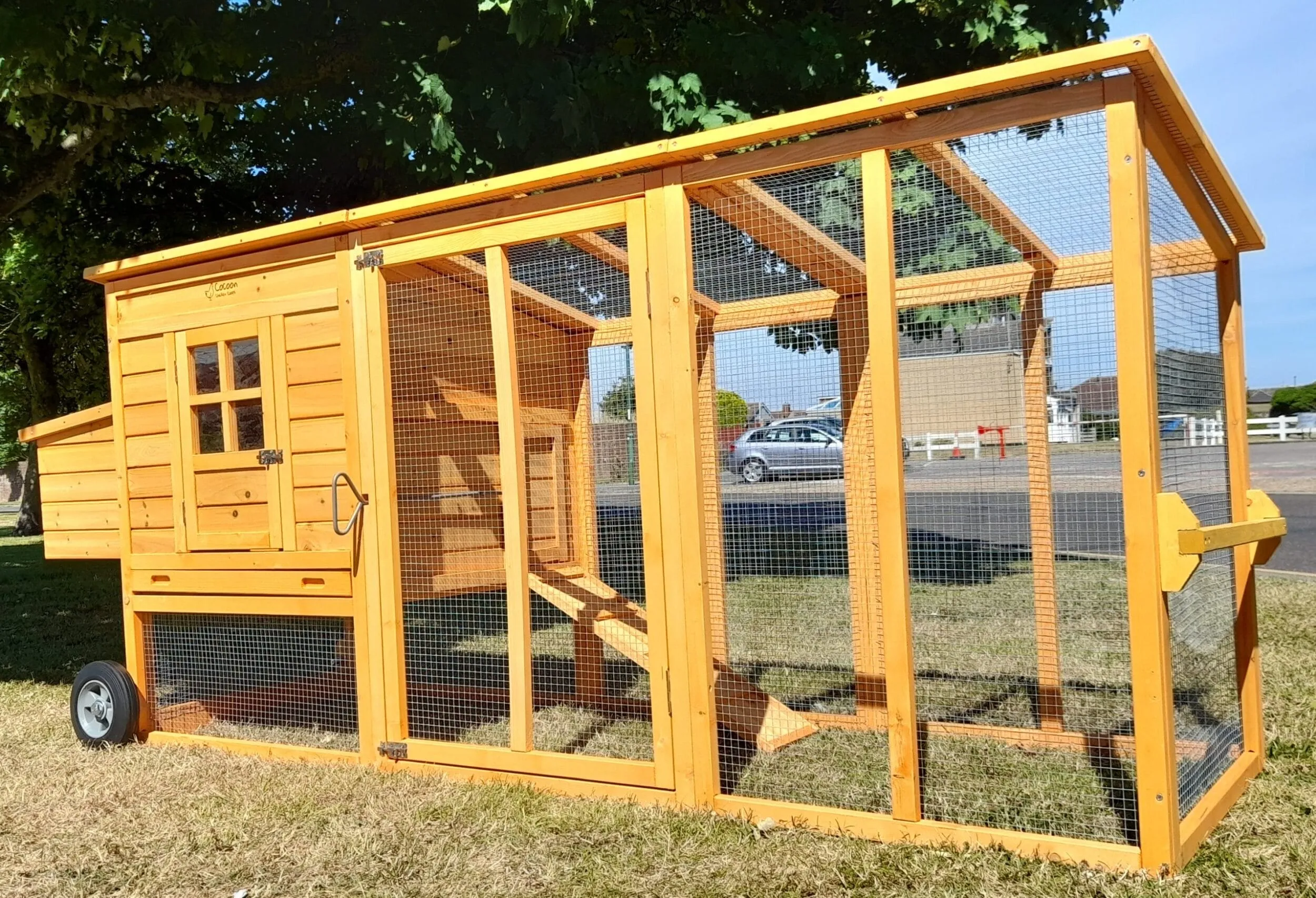
Planning Your Large Chicken Coop
Building a large chicken coop is a rewarding project that provides a safe and comfortable home for your flock. Careful planning is essential for creating a coop that meets your chickens’ needs, is easy to maintain, and protects them from predators. Before you start, consider the size of your flock, the local climate, and the space you have available. This guide will walk you through the essential steps, ensuring your chickens will thrive in their new home. This initial phase sets the foundation for a successful and long-lasting coop.
Determine Coop Size
The size of your coop is one of the most critical factors to consider. Overcrowding can lead to stress, disease, and behavioral issues in your chickens. Provide enough space for comfortable movement, roosting, and nesting. Remember that chickens need adequate space to avoid conflicts and maintain a healthy environment. This crucial step directly impacts your chickens’ well-being, so it requires careful attention to detail and adherence to best practices.
Calculate Square Footage per Chicken

A general rule of thumb is to provide at least 4 square feet of floor space per chicken inside the coop. For larger breeds or if your chickens will spend a significant amount of time indoors, consider providing more space, up to 6-8 square feet per bird. This ensures that each chicken has ample room to move around, roost, and avoid the stress of overcrowding. Adequate space also helps prevent the spread of diseases and promotes overall flock health. Ensure the coop size reflects the number of chickens you plan to house.
Consider Your Flock’s Future Size
When planning, anticipate future growth. Chickens are often acquired in stages, and it’s common to expand your flock over time. Build a coop that can accommodate your current flock and any additional birds you may add. This foresight saves you from having to build a new coop in the future. A little extra space now will pay dividends in the long run, providing a comfortable living environment for your chickens, and preventing the need for expansion later. Consider what breeds you might want to have in the future as well, as some breeds need more space than others.
Choosing the Right Location
The location of your coop is vital for both the chickens’ well-being and your convenience. Choose a spot that offers protection from the elements, such as strong winds and direct sunlight. Consider the ease of access for cleaning, collecting eggs, and feeding the chickens. The ideal location should be level, well-drained, and free from standing water. Select a spot that is easily accessible for you and offers protection from predators. Remember that the location of the coop affects both the chickens’ comfort and the ease of your maintenance routine.
Sunlight and Shade Considerations

Chickens need both sunlight and shade. Direct sunlight helps with vitamin D production, but excessive heat can be dangerous. Choose a location that provides both sunny and shaded areas. Consider the path of the sun throughout the day and the seasonal changes in sunlight exposure. A coop that receives morning sun and afternoon shade is often ideal. Planting trees or shrubs around the coop can provide natural shade. Ensure your chosen spot offers a balance that promotes both health and comfort for the chickens. This ensures the chickens’ environment is comfortable and prevents overheating.
Accessibility for Maintenance
Make sure the location makes cleaning and maintenance easy. The coop will need regular cleaning to maintain a healthy environment. Position the coop so you can easily access it with a wheelbarrow or other cleaning tools. Consider the proximity to your water source for easy refilling of waterers. If the coop is too far from your home, maintenance becomes more difficult and less likely to be done regularly. A well-placed coop will make your life easier and encourage regular maintenance, contributing to the health and happiness of your flock. Good accessibility ensures that you can provide the best possible care for your chickens.
Gathering Building Materials
Selecting the right materials is crucial for a durable and functional coop. The materials should be weather-resistant, safe for chickens, and easy to clean. Planning ahead and compiling a comprehensive list will help you avoid delays and ensure you have everything you need. Prioritizing quality materials will extend the life of your coop and minimize the need for repairs. Investing in the right supplies at the start can save you both time and money in the long run. Proper material selection ensures the coop’s longevity and effectiveness.
Essential Materials List

Your materials list should include lumber for the frame, walls, and roof; hardware such as nails, screws, and hinges; and materials for the run, such as wire mesh or fencing. Also, consider materials for the flooring, nesting boxes, and roosting bars. Don’t forget materials for the door and windows, plus any insulation or ventilation components. Prepare a detailed list, including quantities, to avoid multiple trips to the hardware store. Creating a checklist will help you stay organized and ensure you have everything you need. Accurate inventory ensures a smooth and efficient building process.
Wood Types and Their Benefits
Choose wood that is naturally rot-resistant, such as cedar or redwood, or pressure-treated lumber. Cedar and redwood offer natural insect-repelling properties, while pressure-treated lumber is excellent for resisting decay. Avoid using wood treated with chemicals that could be harmful to chickens. Consider the climate when choosing wood. If you live in a wet area, select wood that resists moisture. The right type of wood will extend the life of your coop and protect your chickens. Selection of the proper wood will improve the lifespan and safety of your coop, while promoting a healthy environment for your chickens.
Hardware and Fasteners
Use exterior-grade screws and nails to assemble the coop. Stainless steel fasteners are the best option, as they resist rust and corrosion. Choose hinges and latches that are sturdy and predator-proof. The hardware you select must be weather-resistant to withstand the elements. Ensure all fasteners are securely installed to prevent structural issues. Hardware quality is essential to the coop’s longevity and safety. The selection of durable hardware will ensure the structural integrity of your coop and safeguard your chickens. Quality hardware protects against wear and tear, ensuring your coop remains functional for years.
Tools You’ll Need

Having the right tools will make the construction process easier and more efficient. Start with the basics and add specialized tools as needed. Safety should always be your top priority, so make sure you have the necessary safety gear, such as safety glasses and gloves. Correct tool usage promotes safety and efficiency. Properly equipping yourself with tools will result in a smoother, more efficient, and safer building process.
Basic Tools for Coop Construction
You’ll need a measuring tape, level, saw (hand or power), hammer or nail gun, screwdriver, drill, and a square. A good quality level is important for ensuring that your coop is square and level. A handsaw is adequate, but a circular saw or reciprocating saw can make the job easier. A drill is essential for pre-drilling holes and driving screws. These basic tools will get you through the majority of the build, and with them you can assemble a well-constructed coop. These tools are the building blocks of your construction process, and ensure a strong foundation for your coop.
Power Tools for Efficiency
Power tools can save you time and effort. A circular saw is great for cutting lumber quickly and accurately. A power drill or impact driver makes driving screws much easier, especially when working with hardwoods. A nail gun can speed up the framing process significantly. Always follow safety precautions when using power tools. With the proper power tools, your coop construction time will be significantly reduced, and you’ll find the building process much easier. Power tools greatly enhance the building process, improving both efficiency and accuracy, while allowing you to tackle the construction with ease.
Building the Coop Structure

The structural integrity of your coop is essential for protecting your chickens. A sturdy frame, proper walls, and a secure roof will provide shelter from the elements and predators. Accurate measurements and level construction are key to a solid structure. Careful attention to detail at this stage will ensure the safety and longevity of your chicken coop, protecting your flock for years to come. A well-built structure is the foundation of a safe and comfortable home for your chickens. Accurate building practices here ensures that the coop remains stable and weather resistant.
Constructing the Frame
The frame is the skeleton of your coop. Start by building the base, ensuring it is square and level. Then, construct the walls and roof frame. Use corner braces and diagonal supports to add stability. Ensure the frame is sturdy and can withstand wind and weather. Careful framing sets the stage for the rest of the construction process. A well-built frame is the basis for the structure’s stability. Correct frame construction guarantees the longevity and robustness of your coop, and ensures the safety of your chickens.
Wall Framing Techniques
Use standard framing techniques, such as stud spacing of 16 or 24 inches on center. Ensure the studs are plumb and level. Use nails or screws to securely attach the studs to the base and top plate. Consider adding a header over the door and window openings. Proper wall framing will ensure your coop is structurally sound. Accurately framed walls offer strength and stability. Framing the walls correctly is essential for ensuring the structural integrity of your coop, and provides a solid base for the exterior cladding.
Roofing Options

Choose a roofing material that is durable and weather-resistant. Popular options include asphalt shingles, metal roofing, or corrugated plastic. Consider the pitch of your roof to ensure proper water runoff. Install the roofing material according to the manufacturer’s instructions. Make sure to properly seal all seams and edges. Proper roofing protects the chickens from the elements. Correct roofing installation ensures that your chickens remain dry and protected from the weather. The roof is a crucial part of your coop’s protection against the elements, and proper installation is essential.
Adding Walls and Flooring
Once the frame is complete, it’s time to add the walls and flooring. This provides the enclosure and the base for your chickens. Choose materials that are easy to clean and durable. Install the walls, making sure they are flush with the frame. Flooring should be water-resistant and easy to clean. Correctly installed walls and flooring enhance the coop’s functionality. Careful installation of the walls and flooring will contribute to the coop’s durability and ease of maintenance. The walls and floors should be properly installed to protect the chickens from weather and predators.
Best Flooring Materials
Concrete is a durable and easy-to-clean option, though it can be cold in the winter. Wood flooring is warmer, but it needs to be sealed properly to prevent moisture damage and rot. Linoleum or vinyl flooring is a good choice for easy cleaning. Ensure that the flooring is sloped slightly towards a drain for easy cleaning. Proper flooring protects the coop from moisture and promotes cleanliness. Correct flooring choices ensure ease of cleaning and a healthy environment for your chickens. Flooring selection is critical to the coop’s longevity and the health of your chickens.
Wall Panel Installation

Attach the wall panels to the frame, ensuring they are level and securely fastened. Overlap the panels slightly to prevent water from entering. Seal any gaps or cracks with caulk. Consider using exterior-grade plywood or siding. Ensure the walls are smooth and free from splinters. Properly installed walls protect your chickens from the weather and predators. Accurately installed wall panels ensure the coop’s durability and weather resistance. Proper installation techniques are crucial to the long-term performance of the walls.
Creating a Secure Run
A secure run is as important as the coop itself. It gives your chickens a safe outdoor space to exercise, forage, and enjoy fresh air. The run must protect your chickens from predators. A well-designed run enhances the quality of life for your chickens. The run should be a safe and enriching area, designed with the chickens’ welfare in mind. The run’s security is crucial for the safety of your flock.
Run Design and Dimensions
The run should be large enough to allow your chickens to move around freely. A minimum of 8-10 square feet per bird is recommended. Design the run to connect directly to the coop for easy access. Consider incorporating a covered area for shade and protection from the elements. Think about the shape of the run and how it integrates with the coop. Appropriate design ensures your chickens have sufficient space and protection. The run should provide the chickens with plenty of space to roam and forage safely. Proper design enhances the well-being of your flock.
Fencing Materials and Height
Use sturdy fencing materials, such as welded wire mesh or hardware cloth. Bury the fencing at least 12 inches underground to prevent predators from digging under. The fence should be at least 6 feet tall to deter climbing predators. Ensure the fencing is securely attached to the frame. The fence’s quality ensures predator protection. Proper fencing is essential for keeping your chickens safe. The fencing materials and height should effectively deter predators from entering the run.
Preventing Predators
Predator-proofing is essential. Use hardware cloth with small openings to prevent predators from entering. Bury the wire mesh around the perimeter. Cover the top of the run with wire mesh or netting. Secure all doors and access points. Regular inspections are important. Effective predator control keeps your chickens safe. Proper predator-proofing protects your chickens from harm. Take preventative measures to keep predators out of the run.
Installing Doors and Windows
Doors and windows provide access, light, and ventilation. These components must be secure and functional. The doors need to be easy for you to use, while preventing predators from entering. Proper placement ensures optimal ventilation and natural light. Correct door and window installation is key for your coop’s usability and the well-being of your chickens. Properly installed doors and windows provide ventilation and are a gateway to the coop.
Door Design for Easy Access
The main door should be large enough for you to easily enter and exit the coop. Consider the use of a ramp to provide easy access for the chickens. Use sturdy hinges and a secure latch. Install the door so it opens and closes smoothly. Consider adding an automatic door opener for convenience. Properly designed doors simplify access. Well-designed doors make it easy to manage the coop and your chickens. A user-friendly door design will enhance your daily coop management.
Window Placement for Ventilation
Place windows high in the walls to promote airflow and prevent drafts. Ensure the windows are protected with wire mesh to prevent birds from escaping or predators from entering. Consider windows that can be opened and closed for ventilation control. The design of the windows will directly affect the coop’s ventilation. Proper window placement is essential for regulating the temperature and humidity inside the coop. Effective window design contributes to the health and well-being of your chickens.
Adding Interior Features
The interior features of the coop greatly impact the chickens’ comfort and well-being. Nesting boxes, roosting bars, and feeders are essential. Provide a clean and comfortable environment for your chickens. Proper interior design promotes a healthy living space for your chickens. Adequate interior features create a comfortable and functional environment.
Nesting Boxes Design and Placement
Provide one nesting box for every 3-4 hens. Place nesting boxes in a dark, quiet area. Choose nesting box materials that are easy to clean, such as wood or plastic. Line the boxes with soft, clean bedding material, such as straw or wood shavings. Keep the nesting boxes clean to encourage egg-laying and prevent parasites. Proper nesting boxes support egg production. Correctly designed nesting boxes encourage egg laying and prevent damage to eggs. The design and placement of nesting boxes contribute to a productive and happy flock.
Roosting Bars Construction
Install roosting bars at a height that is comfortable for your chickens to jump. Use wooden bars that are about 2 inches wide. Ensure the bars are sturdy and securely attached. Provide enough linear space for all your chickens to roost comfortably. Place roosting bars away from the nesting boxes to prevent soiling. Comfortable roosting promotes good sleep and overall health. The placement and construction of roosting bars ensure the chickens’ comfort. Properly designed roosting bars will encourage restful sleep for your chickens.
Ventilation and Climate Control
Proper ventilation and climate control are essential for maintaining a healthy environment. Good airflow prevents the buildup of ammonia and other harmful gases. Insulation helps regulate the temperature, keeping the coop warm in winter and cool in summer. Ventilation and climate control promote a healthy environment for your chickens. Optimal ventilation ensures the health and well-being of your flock. Proper climate control maintains a comfortable environment year-round for your chickens.
Ensuring Proper Airflow
Provide adequate ventilation to prevent the buildup of ammonia and moisture. Install vents near the roofline to allow warm, moist air to escape. Avoid creating drafts that could chill the chickens. Ensure there is a constant flow of fresh air. Adequate ventilation is key to prevent respiratory problems. Proper ventilation helps prevent respiratory illnesses. Effective ventilation is key to the health and comfort of the chickens.
Insulation and Temperature Regulation
Insulate the coop walls and roof, especially if you live in a cold climate. Use insulation materials that are safe for chickens, such as rigid foam or fiberglass. Consider adding a heat lamp for winter warmth. Provide shade during the hot summer months. Regulating the temperature helps maintain a comfortable environment. Proper insulation improves the chickens’ comfort. Insulating the coop helps protect the chickens from extreme temperatures. Proper insulation ensures the chickens stay healthy.