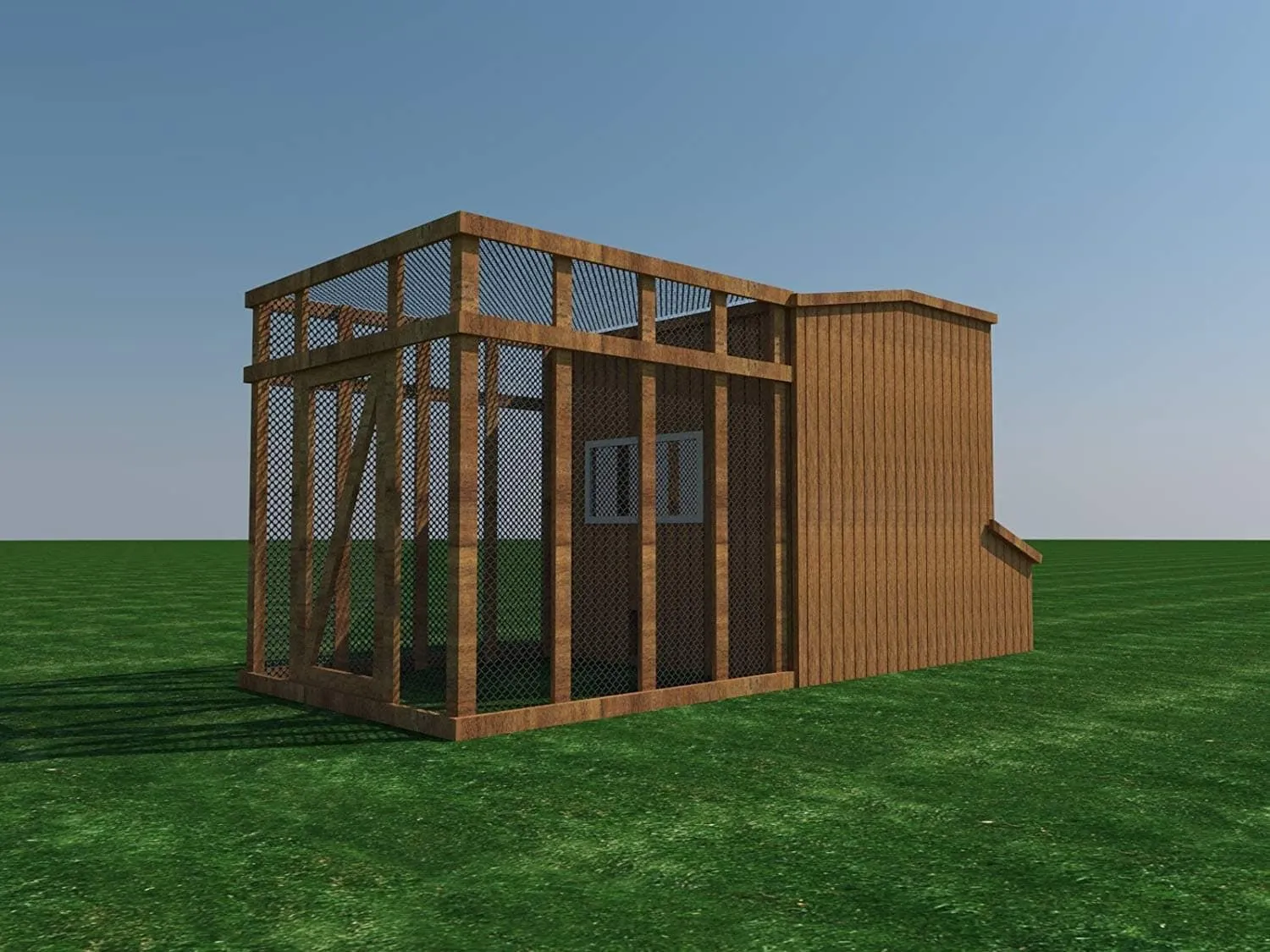
Building a large chicken coop is a rewarding project that provides fresh eggs and the joy of raising your own flock. Planning and preparation are key to success. This comprehensive guide will walk you through every step, from choosing the right plans to maintaining your coop. Whether you’re a seasoned DIY enthusiast or a complete beginner, these large chicken coop plans will help you create a safe, comfortable, and functional home for your feathered friends.
Choosing the Right Large Chicken Coop Plans
Selecting the perfect large chicken coop plans involves careful consideration of several factors. The right plans will not only fit your space and budget but also cater to the needs of your chickens and comply with local regulations. Investing time in the planning phase will save you from costly mistakes down the road and ensure your chickens thrive. It’s about finding the ideal balance between functionality, aesthetics, and ease of construction, setting the stage for a successful coop-building experience.
Factors to Consider Before Building
Before you start, evaluate your experience level and the time you can dedicate to the project. Complex designs may require more skills and time. Also, consider the availability of materials and tools. Do you have access to a well-equipped workshop, or will you need to rent or borrow equipment? Make sure to check the weather forecast; building during favorable weather conditions will be far easier and more enjoyable. Lastly, consider your budget, including materials, tools, and potential unexpected expenses.
Size and Space Requirements for Your Flock

Determining the size of your coop is crucial for the health and well-being of your chickens. The general rule of thumb is to provide at least 4 square feet of space per chicken inside the coop and 8-10 square feet per chicken in the outdoor run. Overcrowding can lead to stress, disease, and behavioral problems like feather pecking. Plan your coop dimensions accordingly based on the number of chickens you intend to keep, allowing for future growth. Remember that the run should be significantly larger than the coop itself, providing ample space for foraging and exercise. The image ‘chicken-coop-space-requirements.webp’ can help you visualize these needs.
Local Regulations and Zoning
Before purchasing any large chicken coop plans, research your local ordinances. Many municipalities have regulations regarding the keeping of chickens, including restrictions on the number of birds allowed, coop size, and setbacks from property lines. You might need to obtain permits or adhere to specific design requirements. Failure to comply with these regulations can result in fines or even the forced removal of your coop and chickens. Contact your local planning or zoning department for accurate and up-to-date information.
Types of Large Chicken Coop Plans
There are several types of large chicken coop plans available, each with its own advantages and disadvantages. Your choice will depend on your personal preferences, available space, and budget. Consider the style, functionality, and aesthetic appeal when choosing your plan, remembering that it is going to be a lasting addition to your backyard landscape. Explore diverse design ideas online or from specialized resources to find the one that best fits your needs and complements your property.
The Basic Coop Design

The basic coop design typically includes a sheltered area for roosting and nesting, a secure run for outdoor access, and features like ventilation and predator-proofing. It may be rectangular, square, or even have a more unusual shape. A well-designed coop provides protection from the elements, predators, and extreme temperatures. Ensure the design incorporates essential features for the comfort and health of your chickens, creating a comfortable environment. The ‘basic-chicken-coop-design.webp’ image illustrates a simple yet effective structure.
Run and Outdoor Space
The run is an essential part of any large chicken coop plan, providing chickens with access to fresh air, sunlight, and the opportunity to forage. The run should be securely fenced to protect the chickens from predators, with wire mesh buried underground to prevent digging. Consider the size of your flock and the available space when designing the run. Incorporate features like a dust bath area and a covered section for shade and protection from rain or snow. Consider the prevailing winds and sun exposure when locating the run to ensure it provides a comfortable environment throughout the year.
Coop Materials and Construction
The choice of materials will significantly impact the durability and longevity of your coop. Wood is a popular choice, offering good insulation and aesthetic appeal. Metal coops are also available, often providing greater security and weather resistance. Construction involves framing, sheathing, and roofing. Ensure all materials are safe for chickens and treated to withstand the elements. The quality of materials directly affects the coop’s lifespan and the chickens’ safety and comfort. It’s important to carefully consider all options to ensure the longevity of your investment.
Wood vs Metal Coops

Wood coops offer a natural look and can be easier to customize. They provide good insulation but require regular maintenance to prevent rot and pest infestations. Metal coops are more resistant to weather and pests, requiring less maintenance, but can be less insulated and may require additional measures to prevent overheating in summer. The choice depends on your priorities, budget, and climate conditions. Weigh the pros and cons of each material before making your decision. Consider the look you are trying to achieve, as well as the ease of maintenance over time.
Essential Features for Your Coop
Certain features are vital for creating a healthy and safe environment for your chickens. These features enhance the functionality and overall well-being of your flock. Neglecting these essential elements can compromise the effectiveness of your coop, creating an unfavorable habitat for your chickens. From ventilation systems to predator-proofing measures, incorporating these elements ensures a safe and thriving living space for your chickens, contributing to their longevity and productivity.
Ventilation and Airflow
Adequate ventilation is essential to prevent moisture buildup, which can lead to respiratory problems and the growth of harmful bacteria. Install vents near the roofline to allow for air circulation and prevent drafts. Ensure good airflow by positioning vents on opposite sides of the coop. Proper ventilation helps to regulate temperature and humidity, creating a more comfortable and healthy environment. Consider the climate in your area and adjust the ventilation system accordingly, especially in regions with extreme weather conditions. The image ‘chicken-coop-ventilation.webp’ provides examples.
Predator-Proofing Measures

Protecting your chickens from predators is paramount. Use hardware cloth (not chicken wire) for all openings, burying it at least 12 inches underground to prevent digging. Secure all doors and windows with strong latches. Consider adding a roof to the run to protect against aerial predators. Regularly inspect the coop for any potential vulnerabilities. Taking proactive measures to prevent predator access ensures the safety of your flock. ‘predator-proof-chicken-coop.webp’ shows effective strategies.
Nesting Boxes and Roosting Bars
Nesting boxes should be comfortable, easily accessible, and provide a safe space for laying eggs. One nesting box for every 3-4 hens is generally recommended. Roosting bars provide a place for chickens to sleep at night. Place the roosting bars at a comfortable height, away from the nesting boxes. Ensure both nesting boxes and roosting bars are easily accessible for cleaning and maintenance. The image ‘chicken-coop-nesting-boxes.webp’ illustrates proper setup.
Building Your Large Chicken Coop
Building your own chicken coop can be a rewarding experience. While it involves several steps, carefully following the large chicken coop plans ensures a successful outcome. From gathering the necessary tools and materials to understanding the construction guide, each stage contributes to the creation of a functional and aesthetically pleasing coop. The process requires precision and patience, but the result is a custom-built home for your chickens. Start by assessing your chosen plans thoroughly before diving in.
Gathering Tools and Materials

Before you start, gather all the necessary tools and materials listed in your chosen plan. Common tools include a saw, drill, hammer, measuring tape, level, and safety glasses. Materials will include lumber, hardware cloth, roofing materials, screws, nails, and possibly paint or stain. Organize your workspace to maximize efficiency and safety. Create a detailed checklist to ensure you don’t miss anything. Having everything on hand will streamline the construction process and prevent delays.
Step-by-Step Construction Guide
Carefully follow the instructions in your large chicken coop plans. Start with the foundation and framing, ensuring everything is level and square. Attach the walls, roof, and doors according to the plan. Double-check your measurements and cuts as you go. Seek help if needed. Be patient and take your time to ensure accuracy and quality. The image ‘chicken-coop-construction.webp’ shows some construction details.
Foundation and Framing
The foundation provides a stable base for the coop. It can be a concrete slab, gravel base, or pressure-treated lumber frame. The framing defines the shape and structure of the coop. Ensure the frame is square and plumb before attaching the walls. Using quality lumber is important here. Correct foundation and framing are crucial to your coop’s stability and longevity. Check level and square frequently during this step to avoid issues later on.
Walls, Roof, and Doors

Once the frame is complete, attach the walls, roof, and doors. Use appropriate fasteners and follow the plan’s instructions for spacing and alignment. The roof should be sloped to allow for water runoff. Doors should be sturdy and predator-proof. Ensure all openings are covered with hardware cloth. Proper construction of the walls, roof, and doors will protect your chickens from the elements and predators.
Finishing Touches and Setup
Adding the finishing touches is the final step in building your coop, and setting up the run and outdoor area enhances the overall functionality. Ensuring the coop is equipped for its intended use will improve the well-being of your chickens. Attention to detail in this stage enhances the aesthetic appeal and functionality. Take pride in your accomplishment, knowing you have created a safe and comfortable home for your chickens.
Adding Nesting Boxes and Roosting Bars
Install the nesting boxes and roosting bars according to the plans. Place the nesting boxes in a dark, quiet area, away from drafts. Position the roosting bars at a comfortable height, allowing enough space for the chickens to roost. Ensure the nesting boxes are accessible for egg collection and cleaning. Proper placement of these essential features will support your flock’s comfort and productivity.
Setting up the Run and Outdoor Area

Complete the run by adding fencing, ensuring it’s secure and predator-proof. Consider adding a covered area for shade and protection from rain or snow. Include a dust bath area for your chickens. Place feeders and waterers in a location that is easily accessible and protected from the elements. Setting up the outdoor area provides a secure and stimulating environment for your chickens.
Maintaining Your Large Chicken Coop
Maintaining your large chicken coop is vital for the health and longevity of your coop and the well-being of your chickens. Regular cleaning and maintenance, as well as winterizing your coop, will keep your birds safe and comfortable. Proper care ensures that your coop remains a secure and healthy environment for your flock.
Regular Cleaning and Maintenance
Clean the coop regularly, removing droppings, spilled feed, and soiled bedding. Replace the bedding frequently to prevent the build-up of ammonia, which can harm your chickens’ respiratory systems. Clean and disinfect nesting boxes and roosting bars. Regularly inspect the coop for any signs of damage or wear. The image ‘chicken-coop-maintenance.webp’ will give you some ideas. Regular cleaning ensures a healthy and hygienic living environment.
Winterizing Your Coop
Prepare your coop for winter by adding insulation, especially in colder climates. Ensure adequate ventilation while preventing drafts. Protect water sources from freezing. Consider adding supplemental heat, but always prioritize safety. Winterizing the coop protects your chickens from the cold, allowing them to continue laying eggs and stay healthy throughout the winter months.
Building a large chicken coop is a fulfilling project that provides fresh eggs and the joy of raising chickens. By following these plans, you can create a safe, comfortable, and functional home for your flock. Remember to choose the right plans, follow the instructions carefully, and maintain your coop regularly. Enjoy the process and the rewards of raising your own chickens.