The Importance of Lights in Chicken Coop for Egg Laying
Optimizing the environment within your chicken coop, particularly the lighting, can significantly influence egg production. Chickens, being photosensitive creatures, rely heavily on light to regulate their reproductive cycles. The amount and quality of light they receive directly impact their ability to lay eggs. Providing the correct lighting setup is essential if you want to maximize egg production throughout the year. Without proper lighting, hens will naturally lay fewer eggs, especially during the shorter days of fall and winter. Understanding the role of lighting is a crucial aspect of chicken care and coop management, which contributes to the overall health and productivity of your flock. A well-lit coop not only benefits egg production but can also improve the chickens’ overall well-being, encouraging them to be more active and content.
How Lights Affect Egg Production
The intricacies of how light influences egg production are multifaceted, encompassing various factors that work in harmony. The primary mechanism involves the chicken’s pineal gland, which detects light and signals the reproductive system. When the days get shorter, and the light received decreases, the pineal gland produces more melatonin, which suppresses egg production. Conversely, as the days lengthen, less melatonin is produced, triggering the hen’s ovaries to produce eggs. This delicate balance can be optimized in a chicken coop by carefully managing the light exposure. Strategic use of artificial lighting mimics the longer days of spring and summer, encouraging hens to lay more eggs, regardless of the season. Moreover, factors like the intensity and quality of the light also play a crucial role in creating an optimal environment for egg production.
The Role of Light Duration

The duration of light exposure is perhaps the most critical factor affecting egg production. Chickens need at least 14-16 hours of light per day to stimulate egg-laying. If the light duration drops below this threshold, egg production will decrease or cease altogether. Mimicking the longer daylight hours of spring and summer using artificial lighting encourages hens to lay more eggs, even during winter months. Consistent lighting schedules are vital, so using timers can automate the process, providing a stable and predictable light cycle for your flock. Avoid suddenly increasing the light duration, as this can shock the chickens and potentially disrupt egg production. Instead, gradually increase the light over several weeks to allow them to adjust.
The Impact of Light Intensity
Besides duration, the intensity of the light also influences egg production. Chickens require sufficient light intensity to stimulate their reproductive systems effectively. Too little light, and the hens might not produce eggs at their maximum potential. However, the intensity should not be excessive. Very bright lights can stress chickens, potentially leading to behavioral problems and reduced egg production. Aim for a balance, providing enough light to stimulate egg production without overdoing it. A general guideline is to provide approximately 2-4 watts of light per square foot of coop space. Adjust the intensity based on the breed and individual hens’ needs, ensuring an environment where they are comfortable and productive. Monitor the chickens for any signs of stress, like feather pecking or avoidance of the lighted areas, and adjust the lighting accordingly.
Light Spectrum and Its Effects
The spectrum of light, or the color of the light, also has a significant effect on chicken behavior and egg production. While chickens can see a broader spectrum of colors than humans, the specific wavelengths can influence their overall well-being. Red light, for example, is often used in chicken coops because it can help to reduce stress and cannibalistic behavior. It has a calming effect on the flock. Blue light, on the other hand, can stimulate activity, which is not ideal for maximizing egg production. The full spectrum of light, including a balance of different colors, can contribute to a healthier environment. When selecting light bulbs, consider those with a wider spectrum that mimics natural daylight as closely as possible. This helps to replicate the natural environment chickens are accustomed to, leading to more robust and productive hens.
Best Lighting Options for Egg Laying
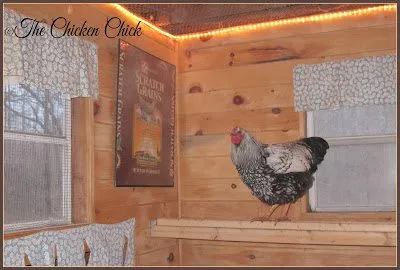
Choosing the right lighting option is a pivotal part of managing your chicken coop. With a multitude of options available, it is essential to select the types of lights that best suit your needs. The ideal choice balances effectiveness, energy efficiency, and the overall well-being of your flock. The market offers many lighting solutions designed specifically for chicken coops. Understanding the benefits and drawbacks of each will help you create an optimal environment for maximizing egg production while ensuring your chickens are healthy and content.
LED Lights for Chicken Coops
LED lights have emerged as the top choice for lighting chicken coops because of their various benefits. They are energy-efficient, cost-effective, and offer a long lifespan, reducing the need for frequent replacements. Furthermore, LED lights come in various color temperatures and intensities, allowing you to customize the lighting environment to suit your flock’s specific needs. LED lights also generate less heat compared to incandescent bulbs, which is a crucial factor, especially in warmer climates. This feature minimizes the risk of overheating the coop, which can impact the comfort and productivity of your chickens. Investing in LED lights is a smart choice for the long run, providing an efficient, reliable, and chicken-friendly lighting solution.
Benefits of LED Lighting
LED lights offer a plethora of benefits that make them ideal for chicken coops. Their energy efficiency is a key advantage, consuming significantly less power than traditional incandescent bulbs, resulting in lower electricity bills. The long lifespan of LEDs reduces maintenance costs and the hassle of frequent bulb replacements. LEDs also provide a more consistent and controllable light output. You can select the exact color temperature and intensity that is most suitable for your chickens. They produce less heat, which contributes to a more comfortable environment, and they are also more resistant to vibration and impact, making them a durable choice for coop environments. The versatile nature of LEDs, combined with their eco-friendliness, makes them a superior choice for illuminating your chicken coop and optimizing egg production.
Choosing the Right LED Bulbs

When selecting LED bulbs for your chicken coop, several factors need consideration. Pay attention to the light output, measured in lumens. Ensure the bulbs provide sufficient light intensity for your coop’s size, around 2-4 watts per square foot. Color temperature, measured in Kelvin (K), is also significant. A warm white light (around 2700K-3000K) is often a good choice. Consider the shape and size of the bulbs to fit your existing fixtures. Look for bulbs specifically designed for agricultural use, as they are built to withstand the coop environment’s humidity and dust. Ensure the bulbs are dimmable if you plan to use a timer. Choosing the right LED bulbs involves balancing these considerations to ensure your chickens have a comfortable, efficient, and egg-producing-friendly environment.
Incandescent Bulbs for Chicken Coops
Although less popular than LED lights, incandescent bulbs remain an option for lighting chicken coops. They are readily available and relatively inexpensive to purchase. However, their energy inefficiency is a significant drawback. Incandescent bulbs convert a considerable amount of energy into heat rather than light, leading to higher electricity bills and the risk of overheating the coop, particularly in warmer climates. Despite these limitations, incandescent bulbs can be used if you have a smaller coop or are working within a tight budget. It is important to consider the overall cost, including energy consumption and replacement frequency, when deciding between incandescent and other lighting options. In many cases, the long-term benefits of LED lights outweigh the initial cost savings of incandescent bulbs.
Pros and Cons of Incandescent Bulbs
Incandescent bulbs present a mixed bag of advantages and disadvantages. On the plus side, they are inexpensive to purchase and readily available in most hardware stores. The light they emit is generally warm, which can be comforting in cold weather. However, the drawbacks often outweigh the benefits. They consume significantly more energy than LED lights, increasing your electricity bill. They produce a considerable amount of heat, which can be problematic in the summer. The short lifespan means frequent replacements, adding to the overall cost and maintenance efforts. The combination of these factors makes incandescent bulbs a less efficient and sustainable option compared to newer lighting technologies like LED lights, even with the lower initial investment.
Alternatives to Traditional Lighting

Beyond traditional incandescent and LED bulbs, there are alternative lighting solutions for chicken coops. These options offer unique benefits and can be suitable for specific needs. Considering these alternatives allows you to create a lighting system that perfectly suits your flock’s requirements and your personal preferences. Each alternative provides unique characteristics, making them worth exploring to ensure optimal lighting and well-being for your chickens.
Solar-Powered Lights
Solar-powered lights offer an environmentally friendly and cost-effective option for lighting chicken coops. They utilize sunlight to charge batteries during the day, providing light during the night. This eliminates the need for electrical wiring, making installation straightforward and suitable for coops located far from power sources. Solar lights are energy-efficient, reducing your carbon footprint and electricity bills. However, the effectiveness of solar lights depends on the amount of sunlight available, which might be a limiting factor in cloudy or shaded locations. The initial investment in solar panels and batteries can be higher than for other types of lighting. However, the long-term savings and environmental benefits often make solar lighting an attractive choice for chicken coop illumination. Proper placement of the solar panels is critical to maximize sunlight collection, ensuring a reliable light source for your chickens.
Timers and Automatic Lighting Systems
Incorporating timers and automatic lighting systems is essential for maintaining a consistent light schedule in your chicken coop. These devices control the on/off cycles of the lights, ensuring that your chickens receive the required 14-16 hours of light per day, irrespective of the season. Timers can be mechanical or digital, with digital timers providing more precise control over the lighting schedule. Automated systems take it a step further, often including light sensors that adjust the lighting based on the ambient light levels. These systems help to prevent sudden changes in the light cycle, which can stress the chickens and disrupt egg production. Using timers and automated systems simplifies the process of managing your chicken coop lighting. These features contribute to a more predictable and consistent environment for your flock, maximizing egg-laying potential and overall well-being.
Setting Up Your Lights

Proper setup is key to making your chicken coop lighting effective. The correct placement, wiring, and safety measures are necessary to ensure the well-being of your flock and the longevity of your lighting system. Careful planning and execution of these steps will lead to a smooth, efficient, and secure lighting arrangement in your coop, maximizing the benefits for your chickens.
Choosing the Right Location
The location of your lights is vital for optimal lighting coverage. Distribute the lights evenly across the coop to avoid dark spots and ensure all chickens receive adequate light. Consider the coop’s layout and the placement of roosting bars and nesting boxes. Ensure that the lights are positioned to illuminate these areas without causing excessive glare or shadows. Avoid placing lights directly above the roosting bars, as this can disrupt their sleep. Mount the lights securely to prevent them from falling or being damaged. Consider the coop’s ventilation when choosing locations, making sure the lights do not impede airflow or create areas where moisture can build up. A well-planned lighting layout contributes to a comfortable and productive environment for your chickens.
Ensuring Proper Ventilation
Ventilation is a critical element in coop management, which becomes more critical when adding lights. Proper ventilation helps to remove moisture, ammonia, and other harmful gases that can accumulate inside the coop. Poor ventilation combined with artificial lighting can lead to increased humidity, which can create an environment where mold and bacteria thrive. It can also negatively impact the health of your chickens. When installing lights, ensure they do not obstruct ventilation openings. Consider using lights designed to minimize heat output and maintain a stable temperature within the coop. Regularly inspect the coop for signs of excess moisture or poor air quality and adjust your ventilation system as needed. Proper ventilation, coupled with well-placed lighting, ensures a healthy and productive environment for your flock.
Safety Precautions

Safety should be your top priority when setting up lights in your chicken coop. Use fixtures and wiring designed for outdoor and agricultural use. Ensure all wiring is properly insulated and protected from moisture and pecking. Always use ground fault circuit interrupters (GFCIs) to minimize the risk of electrical shock. Position lights away from flammable materials, such as bedding and nesting materials, to reduce the risk of fire. Regularly inspect the wiring and fixtures for damage and replace them as needed. Consider using wire protectors to prevent chickens from pecking at the wires. Following these safety measures will protect your flock and prevent potential hazards, ensuring a safe and secure environment for your chickens.
Tips for Maximizing Egg Production
Beyond lighting, additional steps can be taken to maximize egg production. These tips provide the final touches to optimize the conditions within your coop, fostering a healthy, productive environment. Integrating these practices, combined with proper lighting, will help you achieve the best results from your flock, ensuring they are healthy and laying consistently.
Maintaining a Consistent Light Schedule
Consistency is key when using lights to boost egg production. Chickens thrive on routine, and a consistent light schedule is paramount. Avoid sudden changes in the light duration. If you are increasing the light, do so gradually, adding only a few minutes each day or week. Likewise, avoid abruptly decreasing the light. A consistent schedule provides a predictable environment, minimizing stress and maximizing egg production. Using a timer is the easiest way to maintain a consistent light schedule, as it automates the process. Consistent light helps regulate the chickens’ natural rhythms, fostering optimal egg-laying behavior.
Supplementing with Calcium
Eggshells are primarily composed of calcium carbonate, so ensuring your hens have sufficient calcium in their diet is crucial for strong eggshells. Provide a supplemental source of calcium, such as oyster shell, in a separate feeder. This allows the chickens to consume as much or as little as they need. Calcium deficiency can lead to thin-shelled eggs, which are more prone to breaking, reducing the overall yield. Supplementing with calcium, along with proper lighting and a balanced diet, helps optimize egg production and improve the quality of the eggs. The availability of calcium is particularly important during the laying season, when the hens’ bodies need a continuous supply to produce strong eggshells.
Providing a Balanced Diet
A balanced diet is essential for optimal egg production. Chickens require a diet that includes appropriate levels of protein, carbohydrates, fats, vitamins, and minerals. Ensure the chickens have access to high-quality feed formulated for laying hens. Avoid feeding them excessive amounts of treats, as these can dilute their nutrient intake. Provide fresh water daily, as water is necessary for all bodily functions, including egg production. Monitor the chickens’ body condition and adjust their diet as needed to ensure they are receiving the proper nutrients. A balanced diet, combined with proper lighting, calcium supplementation, and a stress-free environment, is key to maximizing egg production and maintaining the health of your flock.
Conclusion
Successfully integrating lights into your chicken coop is a multifaceted process that requires careful planning, understanding of chicken behavior, and a commitment to the well-being of your flock. From the initial selection of the appropriate lighting system (LEDs being the preferred choice) to the intricacies of ensuring proper ventilation, the journey contributes to the overall success of egg production. The insights shared in this guide are designed to empower you to create an optimal environment for your hens, fostering consistent and high-quality egg production. By consistently providing an environment with sufficient light duration, intensity, and a balanced diet, you are setting the stage for a productive and rewarding chicken-keeping experience. Remember to always prioritize the health and happiness of your chickens, as they are the cornerstones of a thriving flock.