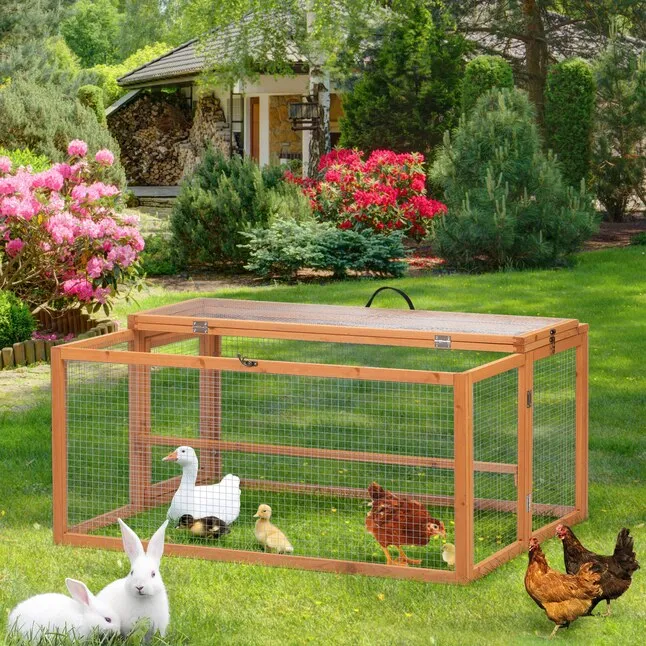
Choosing the Right Lowes Chicken Coop
Bringing chickens to your backyard can be a rewarding experience, providing fresh eggs and engaging entertainment. A crucial first step is selecting the right chicken coop. Lowes offers a diverse range of coops, making it essential to understand the key considerations before making a purchase. This guide will provide you with the top 5 buying tips to ensure you choose a coop that meets your needs and keeps your chickens safe and happy. From assessing your available space to understanding material options and budget considerations, this guide covers everything you need to make an informed decision and provides a safe and comfortable environment for your feathered friends.
Consider Your Space
Before browsing Lowes’ chicken coop selection, evaluate the space you have available in your backyard. Consider the overall footprint of the coop, including the run area where chickens will roam and the coop itself. Ensure there is enough room for the coop, the chickens to move freely, and for you to access it for cleaning and maintenance. Take into account local zoning regulations, which may restrict the size or placement of coops. Measure your yard accurately and compare these measurements to the coop dimensions provided by Lowes. Also, think about sun exposure and shade, as chickens need both throughout the day. A well-planned coop placement will contribute to the health and happiness of your flock.
Assess Coop Size

Coop size is directly related to the number of chickens you plan to keep. A good rule of thumb is to allow at least 4 square feet of space per chicken inside the coop and 8-10 square feet in the run. Overcrowding can lead to stress, pecking order issues, and diseases within the flock. Think about the future, too; if you’re planning to expand your flock, you’ll need a coop that can accommodate the additional birds. Lowes often provides coop size recommendations based on the number of chickens. Ensure the coop you select provides sufficient space for all your chickens, considering their breed and size, and providing the ability to roam and forage during the day.
Understand Material Options
Lowes offers chicken coops made from various materials, each with advantages and disadvantages. Understanding these options is crucial for making an informed decision that suits your needs and preferences.
Wood Coops
Wood coops are a popular choice, offering a classic aesthetic and good insulation properties. They can blend nicely into a garden environment. However, they require regular maintenance, including treating the wood to protect it from the elements and pests. Look for wood that’s been treated or is naturally resistant to rot and decay. Consider the type of wood used, as some may be more durable than others. Regularly inspect and maintain your wood coop to ensure its longevity and structural integrity. This can include painting, sealing, and repairing any damage, to provide a safe and protected environment for your chickens.
Metal Coops

Metal coops, often made from galvanized steel, are durable and require less maintenance than wood. They are resistant to pests and can be easier to clean. However, metal coops can be susceptible to rust if not properly treated or if the protective coating is damaged. They can also get very hot in the summer and require proper ventilation and shade. Consider the climate in your area when choosing a metal coop, and ensure it has adequate features to regulate temperature. Regular inspections and maintenance, such as checking for rust and ensuring proper ventilation, are key to the longevity of a metal coop.
Plastic Coops
Plastic coops are becoming increasingly popular due to their durability, ease of cleaning, and resistance to pests and rot. They are lightweight and often come in various designs and colors. Plastic coops can be a good option in different weather conditions. However, some may not provide as much insulation as wood or metal coops. Be sure to select a coop made from high-quality, UV-resistant plastic to prevent degradation from sunlight. Ensure the plastic is durable and won’t crack or break easily. Plastic coops are an excellent choice for ease of maintenance and durability.
Evaluate Features
The features of a chicken coop can significantly impact its practicality and the well-being of your chickens. Consider the following features when making your selection.
Predator Protection

Protecting your chickens from predators is critical. Look for coops with secure latches, sturdy wire mesh (instead of chicken wire, which is easily compromised), and solid construction. Features like buried wire around the perimeter can prevent predators from digging underneath the coop. Ensure that all openings are small enough to prevent predators from entering. Regularly inspect the coop for any signs of damage or wear and tear. Predator protection is a primary consideration to keep your chickens safe from harm, and the selection of a secure coop can provide peace of mind and longevity for your flock.
Ventilation
Proper ventilation is essential for maintaining a healthy environment inside the coop. It helps to remove moisture, odors, and ammonia buildup, which can cause respiratory problems in chickens. Look for coops with vents that can be opened and closed to regulate airflow. Make sure the ventilation system is designed to prevent drafts. A well-ventilated coop will also help to regulate the temperature, keeping your chickens cooler in the summer and warmer in the winter. The efficient circulation of air is paramount in maintaining the well-being of your flock, contributing to their overall health and productivity.
Easy Access and Cleaning
Cleaning the coop regularly is essential for maintaining hygiene and preventing the build-up of bacteria and parasites. Choose a coop with features that make cleaning easy, such as removable trays, wide doors, and smooth surfaces. Consider the accessibility of the nesting boxes and the ease of gathering eggs. Features that facilitate cleaning will save you time and effort and contribute to the overall health of your chickens. Ease of access is not only critical for cleaning but also for the routine care of your flock, contributing to the overall ease of maintaining a healthy environment.
Budget Considerations

Setting a budget is an important step in the selection process. Lowes offers chicken coops at various price points, so determining how much you’re willing to spend will help you narrow down your options. Also consider that purchasing a chicken coop is an investment in the health and safety of your flock, as well as your backyard. A well-built coop can last many years with proper care.
Pricing Comparison
Compare prices of coops with similar features and sizes. Consider the materials used, the level of predator protection, and the ease of cleaning. Don’t solely focus on the upfront cost; consider the long-term value. A coop that costs more initially but lasts longer and requires less maintenance might be a better investment. Read reviews and compare different brands to get a better understanding of the quality and value offered.
Hidden Costs
Be aware of potential hidden costs, such as shipping, assembly materials, and the cost of accessories like feeders, waterers, and bedding. Factor in the cost of any necessary modifications or additions, such as a run or extra predator protection. Consider the ongoing costs of maintenance, such as cleaning supplies and potential repairs. By accounting for all costs upfront, you can avoid unpleasant surprises and make a more informed decision.
Assembly & Setup

Once you have selected your chicken coop, you’ll need to assemble and set it up. Follow the manufacturer’s instructions carefully to ensure the coop is correctly constructed and safe for your chickens. Adequate setup contributes to the long-term health and safety of your flock, while providing a comfortable and secure environment.
DIY vs Pre-Assembled
Lowes offers coops in both DIY (do-it-yourself) kits and pre-assembled options. DIY kits are typically more affordable, but require time and effort to assemble. Pre-assembled coops are more convenient, but often come at a higher price. Consider your own skill level, available time, and budget when deciding between the two options. Regardless of whether you choose a DIY or pre-assembled coop, ensure the construction is sturdy and secure.
Assembly Instructions
Carefully review the assembly instructions before you begin. Gather all the necessary tools and materials. If you’re unsure about any step, don’t hesitate to seek assistance or consult online resources. Building the coop correctly is important to ensure it provides adequate protection and a comfortable living space for your chickens. Double-check all connections and fasteners to ensure everything is secure. Correct assembly is paramount to the safety and longevity of the coop.
Maintaining Your Lowes Chicken Coop

Once your coop is set up, regular maintenance is key to its longevity and the health of your chickens. Develop a routine that includes regular cleaning, inspections, and necessary repairs. Provide your chickens with clean water, fresh feed, and a comfortable environment. Keeping the coop clean and well-maintained will contribute to the health and happiness of your flock and also help maintain the value of your coop. Ongoing care contributes to the long-term investment of your coop and the well-being of your chickens, and provides peace of mind.